Hanazu Inari Shrine (Nagano Prefecture) Complete Guide | Thorough Explanation of Goshuin (Shrine Seals), Access, Benefits, and Highlights
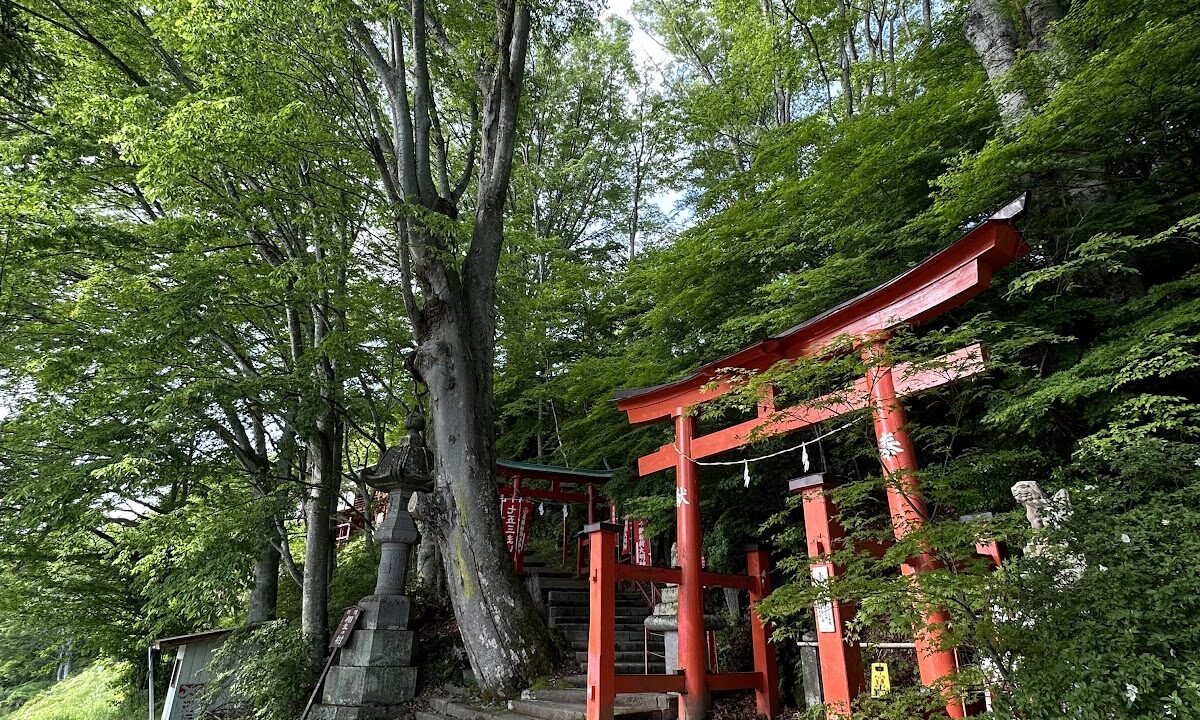
Hanazu Inari Shrine, located in Shiojiri City, Nagano Prefecture, is a shrine with a mystical atmosphere, featuring a row of beautiful vermilion torii gates. This article provides a detailed explanation of everything you need to know before visiting, including the history of Hanazu Inari Shrine, its benefits, how to worship, access information, and nearby tourist spots.
What is Hanazu Inari Shrine?
Hanazu Inari Shrine is an Inari shrine located in Kitaono, Shiojiri City, Nagano Prefecture. It sits on a plateau approximately 1,000 meters above sea level, in a tranquil environment surrounded by the nature of Shinshu.
Origin of the Shrine’s Name
The unusual name “Hanazu Inari” is said to originate from the fact that the shape of the rocky mountain on which the shrine sits resembles a human profile, with the nose area particularly protruding. This name has been familiar to locals for a long time and reflects the unique topographical features of the area.
Deity and Blessings
The deity enshrined at Hanagane Inari Shrine is Ukanomitama-no-kami. This deity is widely worshipped as the principal deity of Inari shrines and is believed to grant the following blessings:
- Abundant Harvest: Prayers for a bountiful harvest as the god of agriculture
- Business Prosperity: Success in business and prosperity in commerce
- Family Safety: Health and peaceful life for the family
- Good Fortune and Happiness: Increased luck and the arrival of happiness
- Fulfillment of Wishes: Fulfillment of various wishes
Inari worship has been particularly devout among merchants and craftsmen since the Edo period, and even today, many business owners and self-employed individuals visit this shrine.
History of Hanazura Inari Shrine
Founding and History
The exact founding date of Hanazura Inari Shrine is unclear, but according to local tradition, it was already an object of worship in the mid-Edo period. It is believed to have originated as a small shrine built by local farmers to pray for a bountiful harvest.
History of Development
In the Meiji era, as sericulture flourished in the Shinshu region, the number of worshippers praying for a good silkworm harvest increased. In the Showa era, the shrine’s reputation as a god of business prosperity spread, attracting many worshippers from beyond the local area.
In recent years, the beautiful landscape of vermilion torii gates has gained attention on social media, and it has become a popular power spot.
Highlights of the Shrine Grounds
Vermilion Torii Gates
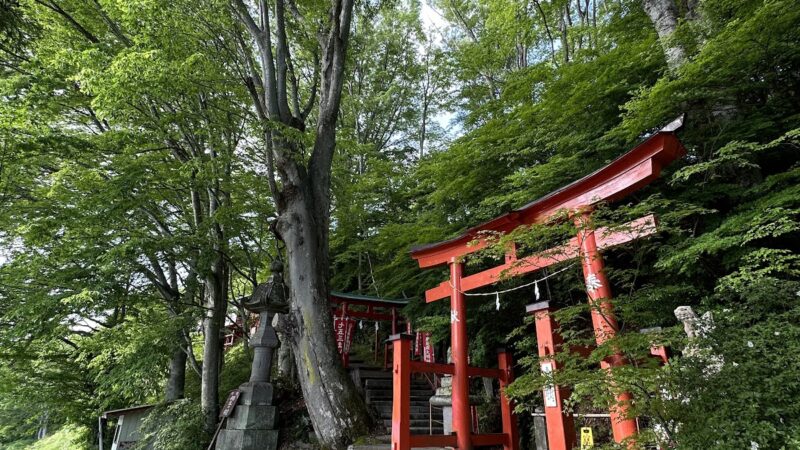
The biggest highlight of Hanazura Inari Shrine is the vermilion torii gates lining the approach to the shrine. Numerous torii gates of various sizes line the mountainside, with over 100 said to be in number.
As you ascend the path, passing through the torii gates, you’ll be enveloped in a mystical atmosphere, as if walking on a path to another world. The vermilion color shines especially brightly when the morning or evening sun shines through, making it perfect for photography.
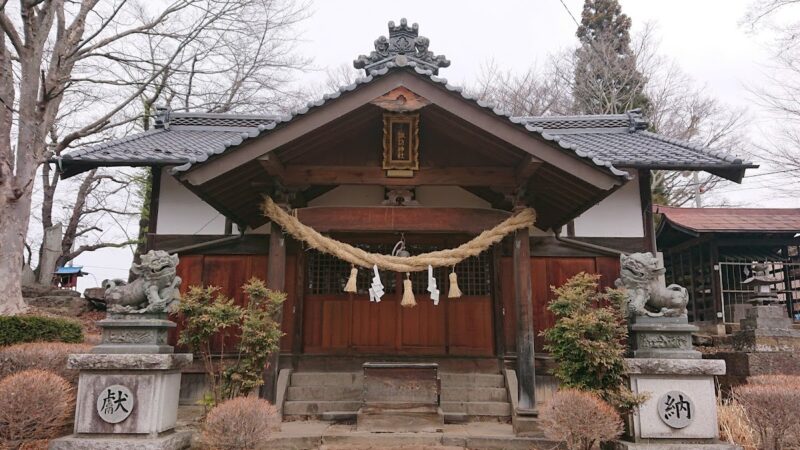
Main Shrine
The main shrine, located at the top of the path, is small but exudes a solemn atmosphere. From the main shrine, you can see the city of Shiojiri and the surrounding mountains, and on clear days, you can even see the Northern Alps.
Fox Statues
Fox statues, symbols of Inari shrines, are placed throughout the grounds. The foxes, considered messengers of the Inari god, are depicted holding keys or jewels in their mouths, each with its own symbolic meaning.
Natural Environment
The shrine grounds are surrounded by abundant nature, allowing visitors to enjoy the scenery of each season.
Natural Environment – **Spring**: A beautiful season of fresh greenery and wildflowers.
- Summer: The cool highland climate makes it ideal for escaping the summer heat.
- Autumn: The contrast between the autumn leaves and the vermilion torii gate is magnificent.
- Winter: The snow-covered shrine grounds create a fantastical atmosphere.
Goshuin (Shrine Seal) Information
About the Issuance of Goshuin
Hanagura Inari Shrine offers goshuin. However, since there may not always be a resident priest, it is recommended to contact the shrine in advance to confirm if you wish to receive a goshuin.
Goshuin Design
The goshuin features the calligraphy and vermilion seal of “Hanagura Inari Shrine.” It is characterized by its simple yet powerful brushstrokes. Seasonal goshuin are sometimes offered, so there is the enjoyment of collecting different designs depending on the time of your visit.
Offering Fee
The offering fee for a goshuin is generally around 300 to 500 yen. It is best to have small change ready to avoid needing change.
How to Visit and Etiquette
Basic Worship Etiquette
- Bow before the Torii Gate: Bow before entering the shrine grounds.
- Purify at the Water Basin: If there is a water basin, purify your hands and mouth.
- Walk along the edge of the path: The center of the path is considered the path of the gods, so walk along the edge.
- Worship at the Main Shrine: Worship using the two bows, two claps, and one bow ritual.
- Express Gratitude: Express not only your wishes but also your daily gratitude.
Photography Etiquette
Many visitors take photos of the beautiful torii gate, but please observe the following etiquette.
- Please refrain from taking photos inside the main shrine.
- Please be considerate of other visitors.
- Avoid using tripods during crowded times.
- When posting on social media, please use language that reflects the sacred nature of the place.
Access Information
Location
Address: Kitaono, Shiojiri City, Nagano Prefecture
Access by Car
Via Chuo Expressway
- Approximately 15 minutes from Shiojiri IC
- Approximately 20 minutes from Iikita IC
There are a few parking spaces near the shrine entrance. Parking is free, but spaces are limited, so early arrival is recommended during peak seasons.
Access by Public Transportation
Using the JR Chuo Main Line
- Approximately 20 minutes by taxi from Shiojiri Station
- Buses are also available from Shiojiri Station, but the number of services is limited, so please check the timetable in advance.
Public transportation access is somewhat inconvenient, so consider renting a car or arranging a taxi.
Tips for Setting Your Car Navigation System
If searching by address is difficult, please search directly for “Hanagane Inari Shrine” or set a nearby landmark. Road signs are also installed, so you should arrive by following the directions.
Best Time and Season for Visiting
Recommended Season
Autumn (October-November) is the most recommended time. The contrast between the autumn leaves and the vermilion torii gate is beautiful, and the weather is refreshing, making it ideal for visiting. Spring, with its fresh greenery (May-June), also offers a refreshing atmosphere.
Visiting Hours
The shrine grounds are generally open 24 hours, but daytime visits are recommended. Especially early mornings (around 7-9 AM) are less crowded, allowing for a peaceful visit.
After sunset, it becomes dark and visibility is poor, so daytime visits are preferable for safety reasons.
Crowds
Weekdays are relatively uncrowded, but weekends, holidays, and especially the following periods may be crowded.
- New Year’s visit period (January 1st to 3rd)
- Golden Week
- Weekends during the autumn foliage season (late October to mid-November)
Nearby Tourist Spots
When visiting Hanagane Inari Shrine, why not also explore the nearby tourist spots?
Takabocchi Plateau
Located about 30 minutes by car, Takabocchi Plateau is a plateau at an altitude of 1,665 meters, offering spectacular views of Lake Suwa and the Northern Alps. The sunset and night views are particularly beautiful, making it a popular spot for photography enthusiasts.
Shiojiri Winery
Shiojiri City is a leading wine-producing area in Nagano Prefecture. There are several wineries where you can enjoy tours and wine tastings. You’ll be able to experience the high quality of Japanese wine.
Narai-juku
Located about 30 minutes by car, Narai-juku is a historic town that flourished as a post town on the Nakasendo road, and its townscape has been preserved. This beautiful street, which still retains the atmosphere of the Edo period, is perfect for a stroll.
Kiso Lacquerware Village
You can visit workshops and museums dedicated to Kiso lacquerware, a traditional craft. You can observe the artisans’ skills up close and even purchase lacquerware.
Points to Note When Visiting the Shrine
Clothing and Items to Bring
- Comfortable Walking Shoes: The approach to the shrine has slopes and stairs, so comfortable walking shoes such as sneakers are recommended.
- Seasonal Clothing: Due to the high altitude, temperatures are lower than in urban areas, so take precautions against the cold, especially in autumn and winter.
- Drinks: Bring drinks for hydration, especially in summer.
- Insect Repellent Spray: There are many insects in summer, so insect repellent is recommended.
Weather Effects
- Rainy Weather: The ground can be slippery, so caution is necessary.
- Snowy Weather: In winter, there is a possibility of snow and ice, so snow tires or chains are necessary.
- Strong Winds: Due to the high altitude, it can be windy on some days.
Toilets and Rest Facilities
Toilets and rest facilities are limited within the shrine grounds, so it is recommended to use them beforehand. The nearest convenience store and roadside station are several kilometers away from the shrine.
Connections with the Local Community
Annual Festivals and Events
Hanagura Inari Shrine holds various festivals throughout the year.
- Hatsuumasai (February): The most important festival of the Inari Shrine
- Reitaisai (Autumn): A festival of gratitude for a bountiful harvest
During these festivals, local people gather and traditional Shinto rituals are performed.
Connections with the Local Community
Hanagura Inari Shrine is a shrine that has been carefully preserved by the local residents. The beautiful scenery is maintained through the volunteer activities of local people, such as cleaning the shrine grounds and repairing the torii gate. When visiting the shrine, it is important to express gratitude for these efforts of the community.
Inari Faith in Shinshu
Inari Shrines in Nagano Prefecture
There are many Inari shrines in Nagano Prefecture, each of which has been a center of local faith. Hanagura Inari Shrine is one of them, and its faith has spread along with the development of agriculture and commerce in Shinshu.
Characteristics of Inari Worship
Originally, Inari worship had a strong character as a deity of agriculture, but over time, it also came to have aspects of a deity of commerce and industry. In modern times, it is widely worshipped as a god who grants prosperity to all industries and businesses.
Visitor Voices
Actual Visiting Experiences
Many visitors have shared the following impressions:
- “The sight of the rows of vermilion torii gates was breathtaking, and I felt my soul cleansed.”
- “I was able to worship slowly in a quiet and sacred atmosphere.”
- “The view from the hilltop was wonderful, and I was able to fully enjoy the nature of Shinshu.”
- “It was as beautiful as I saw on social media, and I’m glad I actually visited.”
Evaluation as a Power Spot
In recent years, Hanagane Inari Shrine has attracted attention as a power spot. Visitors have said things like, “I felt energy,” and “I feel like my luck has improved.” While there is no scientific evidence, it is certain that the beautiful natural environment and sacred atmosphere are effective in refreshing the mind and body.
Attractiveness as a Photo Spot
Instagrammable Spots
Hanagane Inari Shrine has several spots perfect for taking photos.
- The Row of Torii Gates: The angle looking up from below is especially beautiful.
- The View Through the Torii Gates: A composition that utilizes the framing effect of the torii gates.
- The View from the Main Hall: Photos with Shiojiri city and mountains in the background.
- The Fox Statues: A subject that expresses the essence of an Inari shrine.
Best Time for Photography
- Early Morning: The soft morning sun illuminates the torii gates, creating a fantastical atmosphere.
- Golden Hour (Around Sunset): The vermilion color illuminated by the setting sun becomes even more vibrant.
- Cloudy Days: The soft light makes the torii gates’ colors stand out evenly.
Local Gourmet Information
Shiojiri’s Local Cuisine
Before or after your visit to the shrine, we recommend enjoying Shiojiri’s local cuisine.
- Sanzoku-yaki: A local Shinshu dish featuring generously fried chicken.
- Shinshu Soba: A representative specialty of Nagano Prefecture.
- Shiojiri Wine: A pairing of local wine with local cuisine.
- Nozawana Pickles: A traditional Shinshu pickle.
Recommended Restaurants
Shiojiri city center boasts numerous restaurants using local ingredients. Along the national highway, in particular, there are plenty of restaurants catering to tourists.
Accommodation Information
If you are visiting from afar or wish to combine your trip with sightseeing in the surrounding area, we recommend staying in Shiojiri city or the nearby Matsumoto city.
Accommodation in Shiojiri City
- Business Hotels: Several are located near the station, offering convenient access.
- Hot Spring Ryokans: Hot spring resorts such as Asama Onsen and Utsukushigahara Onsen are easily accessible.
Accommodation in Matsumoto City
Matsumoto city is located next to Shiojiri city and offers a wide variety of accommodation options. With many tourist attractions such as Matsumoto Castle, it’s an ideal base for sightseeing.
Summary of the Charms of Hanazura Inari Shrine
Hanazura Inari Shrine is a shrine with the following attractions:
- Beautiful Vermilion Torii Gates: The sight of over 100 torii gates lined up is breathtaking.
- Rich Natural Environment: Located on the highlands of Shinshu, you can enjoy the beauty of nature throughout the seasons.
- Benefits for Business Prosperity: Widely worshipped as an Inari deity.
- Peaceful Worship Environment: You can worship peacefully in a calm atmosphere.
- Photo Spot: Beautiful scenery perfect for social media.
- Combination with Nearby Sightseeing: Ideal as a base for sightseeing in the Shiojiri and Matsumoto areas.
Summary
Hanazura Inari Shrine is a beautiful Inari shrine located in Shiojiri City, Nagano Prefecture. Its mystical scenery of vermilion torii gates, the rich nature of Shinshu, and the various blessings, including business prosperity, attract many visitors.
When visiting the shrine, please observe basic manners, be mindful that it is a sacred place, and offer your prayers in a calm and peaceful manner. Enjoying the surrounding tourist attractions and local cuisine will make your Shinshu trip even more fulfilling.
Hanazura Inari Shrine showcases the beauty of each season. We encourage you to visit this mystical shrine and experience the nature and power of Shinshu. It will surely be a wonderful and memorable experience.
When visiting Shiojiri City, why not add a visit to Hanazura Inari Shrine to your itinerary? Passing through the vermilion torii gate and climbing the approach to the shrine will provide a special time away from everyday life.