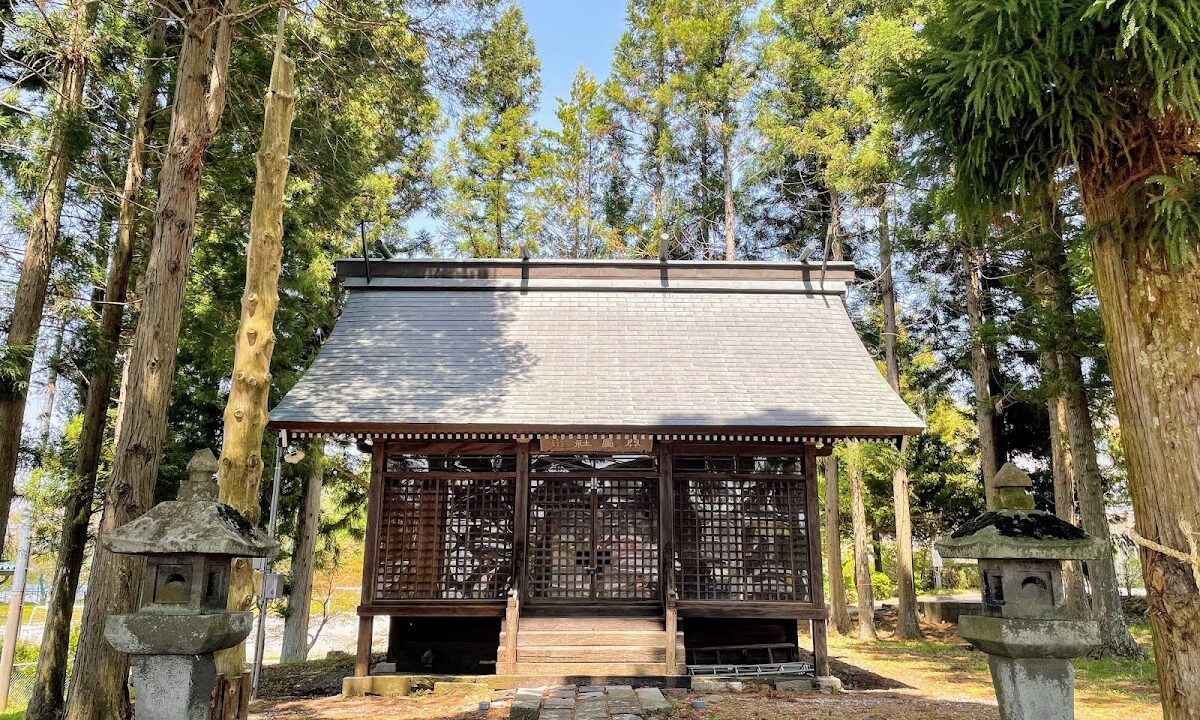
Hekirosha Shrine (Hara Village, Suwa District, Nagano Prefecture) Complete Guide | Thorough Explanation of Deities, Access, and History
Hekirosha Shrine, located in Hara Village, Suwa District, Nagano Prefecture, is a shrine that conveys the history and faith of the Suwa region to the present day. While maintaining deep ties with Suwa Grand Shrine, it continues to preserve its own unique faith rooted in the local community. This article provides detailed information useful for visiting Hekirosha Shrine, including its enshrined deities, historical background, access methods, and related shrines in the surrounding area.
Basic Information on Hekirosha Shrine
Location and Address
Hekirosha Shrine is located at 11868-I-1 Hekirohira, Hara Village, Suwa District, Nagano Prefecture. Hara Village is located at the western foot of the Yatsugatake Mountains, a village rich in nature spread across a plateau area at an altitude of approximately 1,000 meters. The place name Hekirohei is deeply intertwined with the existence of this shrine, making it an important location that tells the story of the region’s history.
The area surrounding the shrine is a quiet rural area with beautiful views of the Yatsugatake mountain range, and an environment where you can feel the changing seasons. Especially during the fresh greenery from spring to summer and the autumn foliage season, you can enjoy nature walks in conjunction with your visit to the shrine.
About the Deities Enshrined
The deities enshrined at Hekiro Shrine are gods closely associated with the beliefs of the Suwa region. Suwa faith has a belief system centered on Takeminakata-no-kami, and Hekiro Shrine, located within this faith’s sphere, has played a role as a guardian deity of the region.
The shrines of the Suwa region form a vast faith network with Suwa Grand Shrine as its head shrine, and Hekiro Shrine plays a part in this network. The enshrined deity has long been revered by local residents as a guardian deity protecting the region’s bountiful harvests, family safety, and industrial development.
History and Origins of Hekiro Shrine
Origins of the Shrine
While there are no clear records of the founding date of Hekiro Shrine, its connection to the place name “Hekiro-daira” suggests that it has existed as a place of worship since ancient times. The word “Hekiro” means pioneering or opening up new land, and it is highly likely that the shrine was built as a guardian deity when this region was settled.
The Suwa region was ruled by the Suwa clan from ancient times, and Suwa faith spread throughout the area. Hekiro Shrine also developed under the influence of this Suwa faith and has functioned as a spiritual pillar of the local community.
Relationship with Suwa Grand Shrine
Hekiro Shrine, located within the sphere of influence of Suwa Grand Shrine, has a deep connection with it. Suwa Grand Shrine, as the Ichinomiya (first-ranked shrine) of Shinano Province, is a grand shrine divided into four shrines—Kamisha Honmiya, Kamisha Maemiya, Shimosha Harumiya, and Shimosha Akimiya—located around Lake Suwa in Nagano Prefecture.
As the head shrine of approximately 10,000 shrines nationwide dedicated to Suwa-sama, Suwa Grand Shrine’s influence extends throughout the Suwa region, and Hekiro Shrine has played an important role within this religious system. Especially during the Shikinen Zōei Onbashira Taisai (Onbashira Festival), the entire Suwa region is enveloped in the festival’s fervor, and residents around Hekiro Shrine have historically actively participated.
Center of Local Faith
Hekiro Shrine has served as the center of faith in the Hekirohei district of Hara Village, closely intertwined with the lives of the local residents. In the era when agriculture was the main industry, festivals aligned with the agricultural calendar, such as prayers for a bountiful harvest in spring and thanksgiving for the harvest in autumn, were held, playing a role in strengthening the bonds of the local community.
Even today, it remains a beloved place of worship for important life events, such as New Year’s visits, Shichi-Go-San (a traditional rite of passage for children), and exorcisms, as the local guardian deity.
How to Access Hekiro Shrine
Nearest Station and Railway Line
The most common way to access Hekiro Shrine by public transport is via the JR Chuo Main Line. The nearest station is as follows:
From Aoyagi Station
- Distance: Approximately 3.2 km
- Walking time: Approximately 40 minutes
- Aoyagi Station is a JR Chuo Main Line station, and local trains stop here.
From Suzuran-no-Sato Station
- Distance: Approximately 3.7 km
- Walking time: Approximately 46 minutes
- Suzuran-no-Sato Station is also a JR Chuo Main Line station.
Since it takes more than 40 minutes to walk from either station, using a taxi or rental bicycle is recommended. Especially from Aoyagi Station, a taxi will get you there in about 10 minutes.
Nearest Bus Stop and Route
Haraizawa Bus Stop
- Approximately 2 minutes on foot from Hekirosha (approximately 113m)
- This is the closest bus stop and is very easily accessible.
Regarding bus routes, there may be Haraimura Village buses and local community buses, but the number of services is limited, so it is recommended to check the timetable in advance. Especially during holidays and tourist seasons, the train schedule may change, so it is best to inquire with the Hara Village Office or the Tourist Association.
Access by Car
Access by car is the most convenient method.
From the Chuo Expressway
- Approximately 15 minutes from Suwa-Minami IC
- Approximately 20 minutes from Suwa IC
Travel Time from Major Cities
- From Tokyo: Approximately 2 hours 30 minutes
- From Nagoya: Approximately 2 hours 30 minutes
- From Matsumoto City: Approximately 40 minutes
- From Suwa City: Approximately 15 minutes
Regarding parking, there is space for worshippers commensurate with the size of the shrine, but it may get crowded during long holidays and the New Year’s visit period, so we recommend planning your visit with plenty of time to spare.
Guide to the Grounds of Hekiro Shrine
Features of the Shrine Building and Grounds
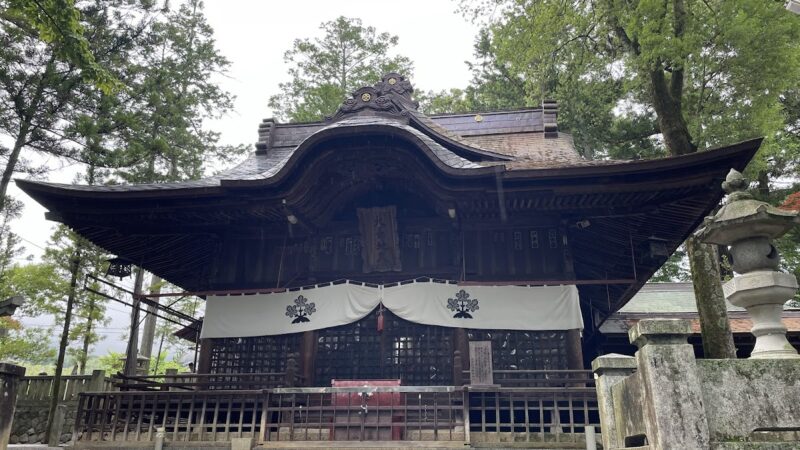
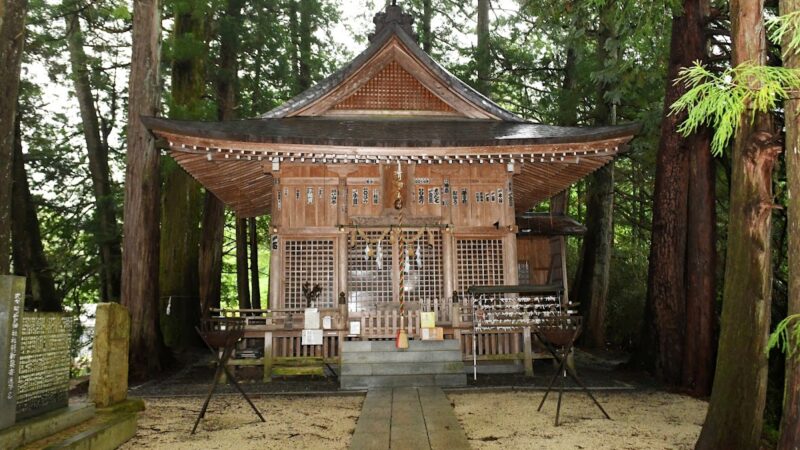
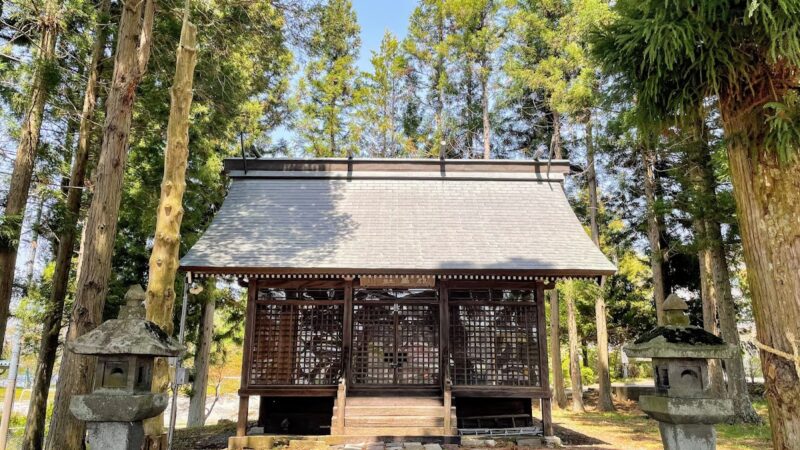
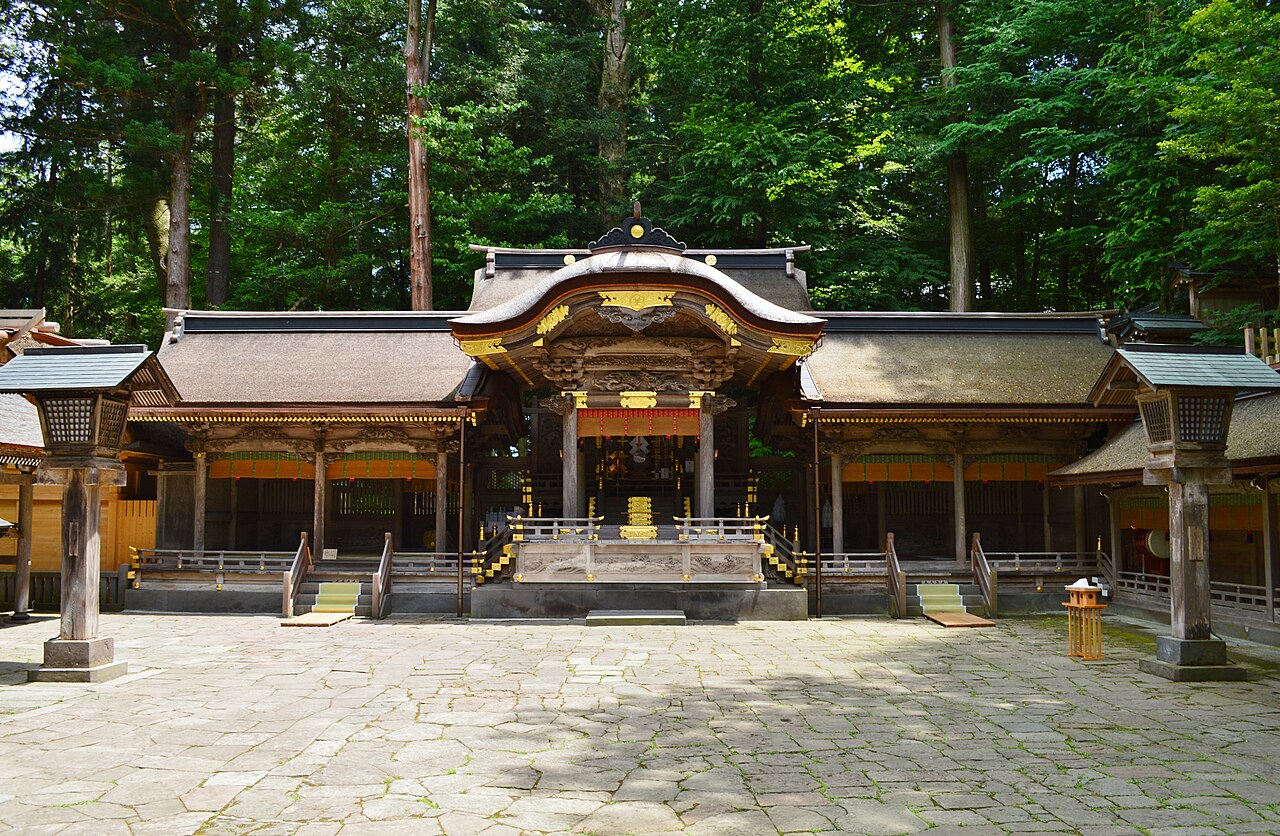
The grounds of Hekiro Shrine retain the typical shrine architectural style of the Suwa region. The shrine is a wooden structure, surrounded by abundant nature, creating a tranquil atmosphere. Ancient cedar and cypress trees line the grounds, giving a sacred feeling.
A shimenawa (sacred rope) is stretched in front of the worship hall, welcoming visitors. The grounds are meticulously clean, reflecting the careful daily maintenance by local residents.
Etiquette and Manners for Worship
When visiting Hekiro Shrine, follow the general etiquette for visiting a shrine.
- When passing through the torii gate: Bow before entering the grounds.
- At the purification fountain: Cleanse your hands and mouth.
- In front of the worship hall: Worship using the two bows, two claps, and one bow ritual.
- Behavior within the grounds: Be quiet and respectful.
Photography is generally permitted, but please be discreet inside the shrine and in sacred areas, and be considerate of other worshippers.
Related Shrines in the Surrounding Area and Suwa Faith
About the Four Shrines of Suwa Grand Shrine
When visiting Hekiro Shrine, we also recommend visiting the four shrines of Suwa Grand Shrine, which are the heart of Suwa faith.
Kamisha Honmiya
- Location: 1 Miyayama, Nakasu, Suwa City
- Features: The central shrine of Suwa Grand Shrine, with Mt. Moriya as its sacred mountain.
- Highlights: Important Cultural Property Heihaiden (offering hall), Nunobashi (cloth bridge), Shikyakumon (four-legged gate), etc.
Kamisha Maemiya
- Location: 2030 Miyagawa, Chino City
- Features: The oldest sacred site, considered the birthplace of Suwa faith.
- Highlights: Kanbara, Mizume no Seiryu (clear stream), Jikkenro (ten-ken corridor), etc.
Shimosha Harumiya
- Location: 193 Shimosuwa-machi, Suwa-gun
- Features: A masterpiece of architecture by Tachikawa-ryu shrine carpenters.
- Highlights: Kaguraden (sacred dance hall), Heihaiden (offering hall), Manji Stone Buddha (nearby)
Shimosha Akimiya
- Location: 5828 Shimosuwa-machi, Suwa-gun
- Features: The sacred tree is a Japanese yew.
- Highlights: Japan’s largest bronze guardian lion-dogs, Kagura Hall
Shikinen Zōei Onbashira Taisai (Onbashira Festival)
The most important festival in the Suwa region is the Shikinen Zōei Onbashira Taisai, commonly known as the “Onbashira Festival,” held every seven years (once every seven years in the traditional Japanese age counting system). This festival is a magnificent Shinto ritual in which the treasure hall of Suwa Grand Shrine is rebuilt and giant trees called Onbashira are pulled and erected at the four corners of the shrine.
The Onbashira Festival is conducted in two stages: “Yamadashi,” where giant trees are cut down from the mountains, and “Satobiki,” where they are pulled down to the village and carried to the shrine. The spectacular scenes, especially the tree-dropping and river crossing, are so impressive that it is considered one of Japan’s three great unusual festivals.
Residents around Hekiro Shrine also participate in this Onbashira Festival, sharing a sense of unity in the Suwa faith. Checking the dates for the next Onbashira Festival and visiting the Suwa region would be a valuable experience.
Shrines around Hara Village
Besides Hekiro Shrine, there are several other shrines worth visiting in Hara Village and the surrounding area.
Haraizawa Shrine
- Located within Hara Village, the same area as Hekiro Shrine
- Worshipped as the local guardian deity
Shitsunai Shrine
- Located in a different district of Hara Village
- A central shrine for the local community
A “Hara Village Shrine Pilgrimage” visiting these shrines is a great opportunity to gain a deeper understanding of the region’s history and culture.
Hara Village’s Charms and Tourist Information
Regional Characteristics of Hara Village
Hara Village is a plateau village located at the western foot of the Yatsugatake Mountains, characterized by its high altitude and cool climate. It’s a popular summer resort due to its pleasant, cool weather. It’s also known as a stargazing spot, offering a magnificent view of the starry sky on clear nights.
Agriculture thrives in this area, with the cultivation of highland vegetables such as lettuce, Chinese cabbage, and celery being produced. The southern foothills of the Yatsugatake Mountains are also suitable for growing wine grapes, and the number of wineries has been increasing in recent years.
Nearby Tourist Attractions
Here are some nearby tourist attractions you might want to visit in conjunction with your visit to Hekiro Shrine.
Yatsugatake Nature and Culture Park
- A representative tourist facility in Hara Village
- Features a planetarium, restaurant, and mini-golf course
- Offers a wealth of exhibits about the nature of Yatsugatake
Celery Field Landscape
- Hara Village is known as the “Village of Celery”
- The vast landscape of celery fields is breathtaking
- Fresh vegetables can be purchased at the direct sales store during harvest season
Yatsugatake Art Museum
- An art museum located within Hara Village
- Exhibits works by artists associated with the region
- Regularly holds special exhibitions
Pensions and Villa Areas
- Numerous pensions and villa areas are located around Hara Village
- A wide range of accommodations are available, allowing for a relaxing stay
Enjoying the Seasons
Spring (March-May)
- Spring arrives on the plateau as the snow melts
- The season when wildflowers begin to bloom
- The beauty of the fresh greenery is striking
Summer (June-August)
- Best season for a summer getaway
- Highland vegetable harvest is in full swing
- Best time for stargazing
- Best season for climbing Mt. Yatsugatake
Autumn (September-November)
- Beautiful autumn foliage
- The Yatsugatake Mountains are dyed red and yellow
- Harvest festivals and other events are held
- Clear air allows for panoramic views
Winter (December-February)
- Beautiful snowscapes
- Good access to ski resorts
- Winter night skies are especially beautiful
- Visiting shrines in tranquility is also charming
Notes and helpful information for your visit
Clothing and belongings
Because Hara Village is at a high altitude, temperatures are lower than in the lowlands. Please pay particular attention to the following points:
- Spring/Autumn: Bring an extra jacket
- Summer: The sun is strong, so a hat and sunscreen are necessary
- Winter: Take thorough precautions against the cold. Shoes suitable for icy roads are necessary.
When visiting the shrine, please wear comfortable walking shoes. Since the shrine grounds may be covered in dirt or gravel, it’s best to avoid heels.
Regarding Prayers
If you wish to receive prayers at Hekiro Shrine, it is recommended to contact them in advance. Smaller shrines may not have a resident priest, so prior confirmation is necessary to ensure you receive prayers.
Common types of prayers:
- Family safety
- Business prosperity
- Traffic safety
- Protection from evil
- Success in examinations
- Safe childbirth
Regarding the offering fee, it is generally around 5,000 yen, but this varies depending on the shrine, so confirmation is necessary.
Regarding Goshuin (Shrine Seals)
If you wish to receive a Goshuin, please bring your Goshuincho (stamp book). However, smaller shrines may not always offer Goshuin. If obtaining a Goshuin is a key purpose, it is recommended to inquire in advance.
In recent years, collecting Goshuin (temple/shrine stamps) has become popular, but Goshuin are not stamp rallies; they are received as proof of worship. Always worship before receiving a Goshuin.
Contact Information
For detailed information regarding Hekirosha Shrine, please contact the following:
- Hara Village Office: 0266-79-2111
- Hara Village Tourism Association: General tourism information
- Suwa Grand Shrine: Information on Suwa faith in general
Deepening Understanding of the Suwa Region’s Faith and Culture
Characteristics of Suwa Faith
Suwa faith is a unique belief system within Japanese Shinto. Centered around Takeminakata-no-kami, who has characteristics as a hunting and war god, it is a complex blend of nature worship, ancestor worship, and agricultural deity worship.
A distinctive feature is the belief in the sacredness of giant trees called “Onbashira,” which is thought to be a remnant of ancient tree worship. Furthermore, Suwa Grand Shrine has no main hall, preserving an ancient form of worship where the mountain and forest itself are considered the deity.
The Omiwatari and the Faith of Lake Suwa
When discussing the religious culture of the Suwa region, the “Omiwatari” (divine crossing) of Lake Suwa is indispensable. This phenomenon occurs during the harsh winter months when Lake Suwa completely freezes over, causing cracks to appear on the surface due to ice expansion, and the ice to bulge.
Since ancient times, this Omiwatari has been considered the path taken by the male deity of the Upper Shrine of Suwa Grand Shrine to the female deity of the Lower Shrine. Shinto rituals have been performed to predict the year’s fortune and the abundance or scarcity of crops based on its shape. In recent years, complete freezing has become difficult due to the effects of global warming, but it remains a cherished phenomenon symbolizing the religious culture of the Suwa region.
Suwa’s Festival Culture
Besides the Onbashira Festival, the Suwa region boasts a diverse array of festival cultures.
Ofune Matsuri (Boat Festival)
- A relocation ceremony held between the Shimosha Harumiya and Akimiya shrines.
- A boat carrying the sacred spirit is pulled.
Ontosai (Head Festival)
- Historically a festival where a deer’s head was offered.
- An important festival demonstrating the hunting deity aspect of Suwa faith.
Kaeru-gari Shinto Ritual
- A unique ritual held on New Year’s Day.
- A ceremony preserving an older form of Suwa faith.
These festivals form the core of the identity of the people of the Suwa region and are still carefully passed down today.
Summary: The Significance of Visiting Hekirosha Shrine
Hekirosha Shrine is a small, community-oriented shrine within the vast network of faith in the Suwa region. However, its existence is indispensable to the local community and is an important example demonstrating the broad reach of Suwa faith.
While visiting grand shrines like Suwa Grand Shrine is a wonderful experience, visiting local shrines like Hekiro Shrine allows you to truly appreciate how deeply Japanese religious culture is intertwined with local communities. As you clasp your hands together in the quiet grounds, you can feel the centuries-long history of people’s prayers breathing within you.
When visiting Hara Village, surrounded by the beautiful nature of the Yatsugatake Mountains, be sure to stop by Hekiro Shrine and experience the profound religious culture of the Suwa region. Away from the hustle and bustle of the city, spending time quietly conversing with the gods will be a precious opportunity to calm your mind and reflect on your daily life.
By visiting local shrines like Hekiro Shrine in conjunction with a visit to the four main shrines of Suwa Grand Shrine, the heart of Suwa faith, you can gain a more comprehensive understanding of the Suwa region’s religious culture. It will be more than just sightseeing; it will be a profound experience that touches the very core of Japanese spiritual culture.