Hie Shrine (Miyashiro, Fukushima City) Complete Guide | History, Deities, Shrine Grounds Highlights, and Visiting Information
Hie Shrine, located in Kajihata, Miyashiro, Fukushima City, Fukushima Prefecture, is a historic shrine affectionately known as “Miyashiro’s Sanno-sama” by the local people. Known not only as a site associated with the Kan’en Rebellion of the Edo period, the shrine grounds also house numerous deities, including the Seven Lucky Gods and Ashio-Okami, welcoming visitors. This article provides a detailed overview of Hie Shrine, including its history, enshrined deities, shrine grounds highlights, and access information.
Basic Information about Hie Shrine
Location: 40 Kajihata, Miyashiro, Fukushima City, Fukushima Prefecture
Postal Code: 960-0116
Corporate Number: 9380005000899
Former Shrine Rank: Village Shrine
Alternate Names: Miyashiro Sanno-gu, Miyashiro Sanno-sha, Miyashiro no Sanno-sama
Hie Shrine is located in the northeastern part of Fukushima City, on a flat area on the south bank of the Surikami River, approximately 1.1 km northeast of JR Higashi-Fukushima Station, along Prefectural Road 155 (Iizaka-Segami Line). It is a relatively large shrine with an impressive large wooden torii gate.
Deities Enshrined at Hie Shrine
The following three deities are enshrined at Hie Shrine:
Oyamakui-no-kami
The principal deity of Hie Shrine, revered as the god of mountains and water. Known as the guardian deity of Mount Hiei, he is believed to bestow blessings for agriculture, flood control, and protection against misfortune.
Onamuchi-no-mikoto
Also known as Okuninushi-no-mikoto, he is a god of nation-building. Widely worshipped as the god of matchmaking, business prosperity, and medicine.
Sukunahikona-no-kami
A god who worked with Onamuchi-no-mikoto in nation-building, he is known as the god of medicine, hot springs, and sake brewing. Believed to possess great power despite his small stature, he is believed to grant blessings for healing illnesses and longevity.
History of Hie Shrine
Founding and History
The founding date of Hie Shrine is unclear, but it has been a shrine that has attracted the faith of this region since ancient times. The place name Miyashiro itself means “the area of the shrine,” indicating the importance of the shrine in this region.
Hie Shrine, based on Sanno faith, is one of the shrines whose head shrine is Hiyoshi Taisha (Shiga Prefecture), the guardian deity of Enryaku-ji Temple on Mount Hiei. While Hie Shrines and Sanno Shrines are located throughout Japan, the Hie Shrine in Miyashiro, Fukushima City, has long been worshipped as the guardian deity of the region.
Relationship with the affiliated temple, Senshoin
Until the Edo period, Hie Shrine practiced syncretism of Shinto and Buddhism, with Sanno-san Senshoin Temple adjacent as its affiliated temple. Even after the separation of Shinto and Buddhism, the two remained close and functioned as the center of local faith. Even today, Senshoin Temple is located very close to Hie Shrine.
Connection to the Kan’en Rebellion
A noteworthy aspect of Hie Shrine’s history is its deep connection to the “Kan’en Rebellion” of the Edo period. This uprising, which occurred from 1748 to 1750, is known as one of the largest peasant uprisings in Japanese history.
Farmers from northern Fukushima Prefecture, primarily from Shinobu and Date districts, rose up against heavy taxes and unjust land tax collection. It is said that the grounds of Hie Shrine were used as a meeting place for the uprising. The farmers gathered here to discuss their plans and strategies.
Currently, a monument commemorating this historical event stands on the shrine grounds, making it an important historical site that tells the story of the region.
Highlights of the Shrine Grounds
Wooden Torii Gate
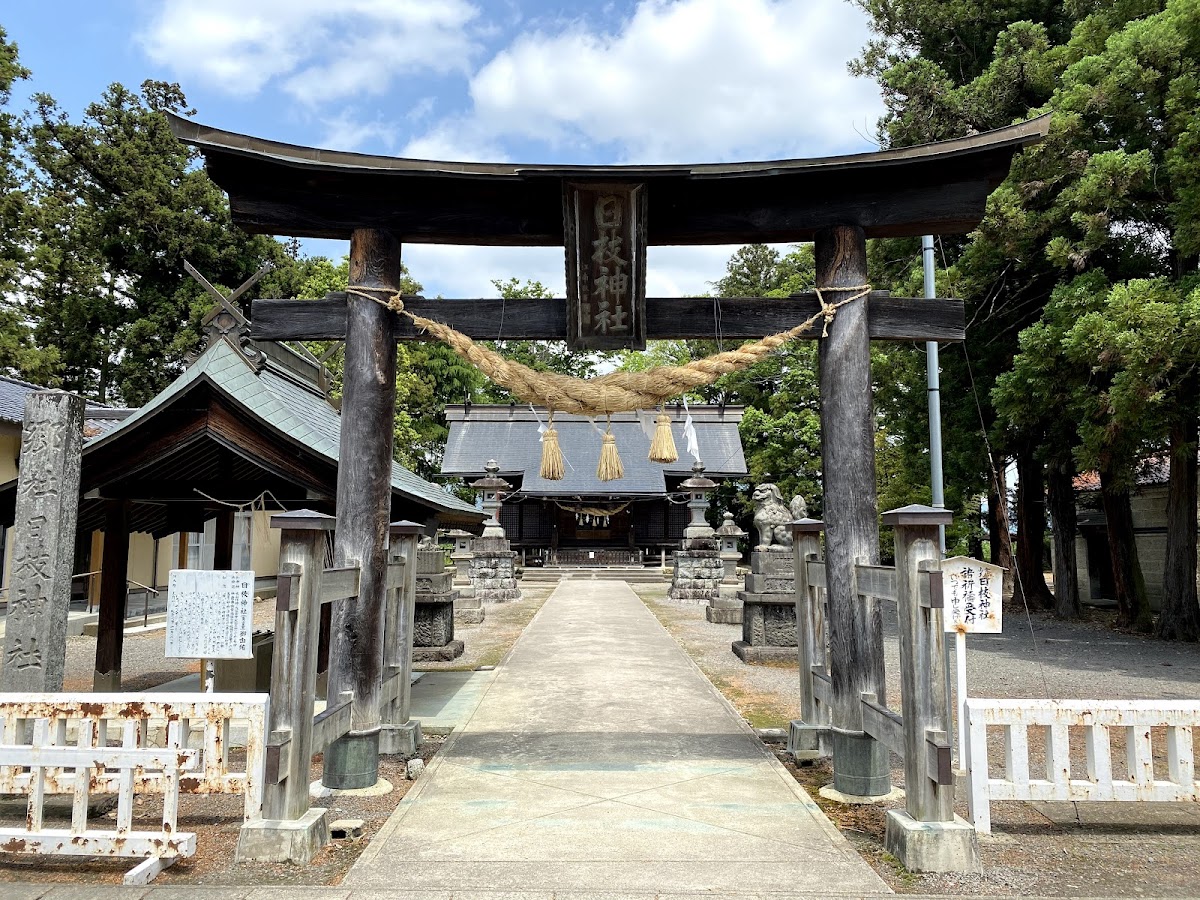
The first thing you’ll notice when visiting Hie Shrine is the magnificent wooden torii gate. Standing proudly along Prefectural Road 155, this gate exudes a sense of the shrine’s prestige and history. Passing through the warm, wooden gate, you enter the sacred precincts.
Highlights of the Shrine Grounds
Wooden Torii Gate
The first thing you’ll see when visiting Hie Shrine is the impressive wooden torii gate. Standing majestically along Prefectural Road 155, this gate has a presence that conveys the shrine’s status and history. Passing through the torii gate, which exudes the warmth of wood, you enter the sacred area. ### Main Shrine and Worship Hall
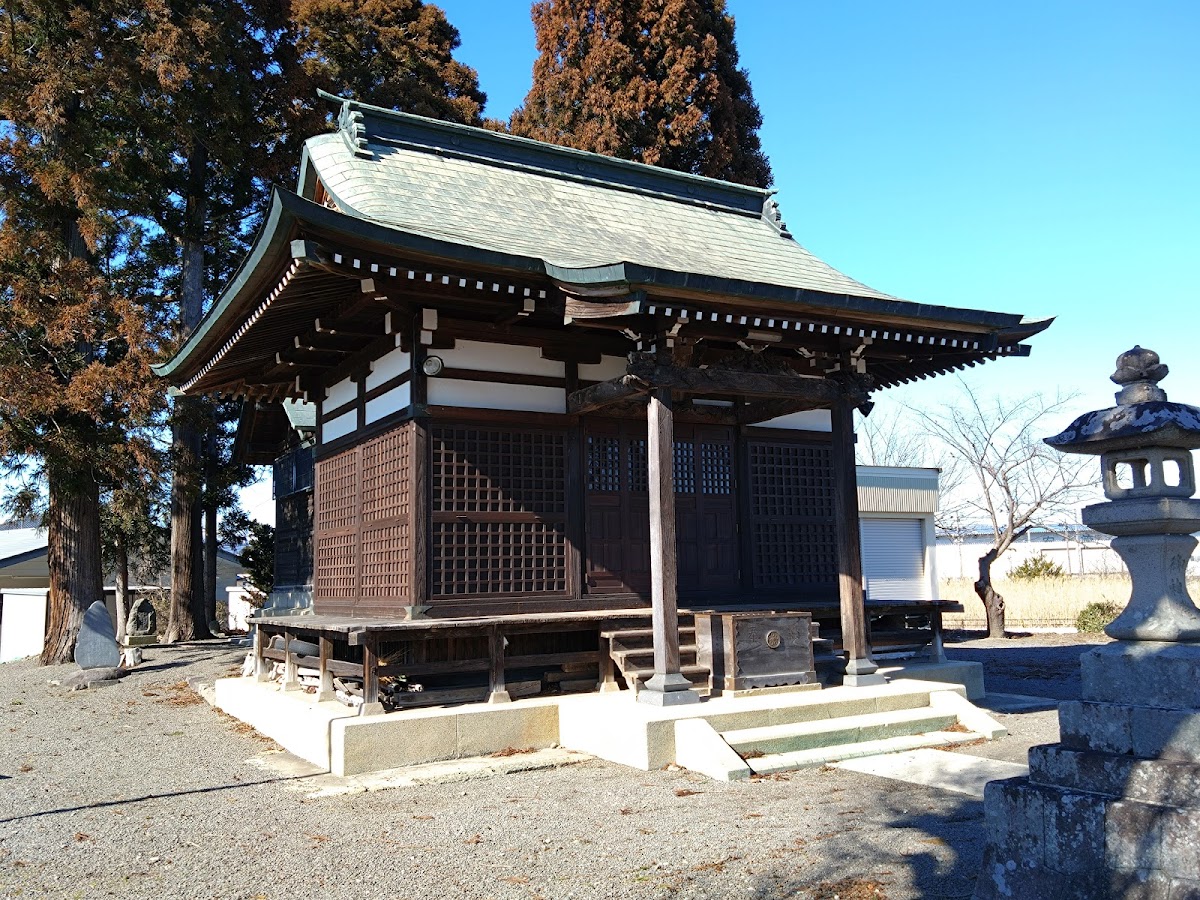
The shrine buildings are relatively new, believed to have been renovated after the Meiji era. The buildings, featuring the Sanno-zukuri architectural style, possess the dignified appearance characteristic of Hie Shrine. A wide approach leads to the worship hall, quietly welcoming visitors.
Seven Lucky Gods Shrine
Within the shrine grounds is the Seven Lucky Gods Shrine, popular with visitors seeking blessings. Ebisu, Daikokuten, Bishamonten, Benzaiten, Fukurokuju, Jurojin, and Hotei are enshrined here, attracting people praying for business prosperity, family safety, and good fortune.
Ashio Okami and Giant Straw Sandals
Particularly eye-catching within the grounds are the shrine dedicated to Ashio Okami and the giant straw sandals (waraji) offered before it. Ashio Okami is worshipped as the god who protects the health of the legs and lower back, and these giant straw sandals were offered as a prayer for strong legs and safe travels.
The straw sandals are as tall as a person, and their sheer size is awe-inspiring. Many visitors come to pray for healing from leg and back ailments and for good health and longevity, and the shrine is particularly popular among the elderly and mountain climbing enthusiasts.
Monument Commemorating the Kan’en Rebellion
As mentioned above, a monument commemorating the Kan’en Rebellion stands on the temple grounds. This monument is an important historical artifact that conveys to future generations the courage and sacrifice of the farmers of that time. The inscription details the events of the rebellion and the thoughts of the participants, making it a valuable resource for learning about the region’s history.
Mojizuri-ishi (Inscription Stone)
Within the temple grounds is a stone called the Mojizuri-ishi (Inscription Stone). This stone has been passed down for a long time and is linked to local beliefs and traditions. It is said that in the past, people would inscribe characters on it or rub it while making wishes, making it a fascinating object from a folkloric perspective.
Other Shrines within the Precincts
Besides the Shichifuku Shrine and Ashio Okami, Hie Shrine’s grounds contain several other subsidiary shrines, enshrining numerous deities. Each of these deities possesses different divine virtues and has responded to the diverse wishes of worshippers. A stroll through the grounds allows one to truly appreciate the deep faith of the local people and the significant role the shrine has played.
Annual Events at Hie Shrine
Hie Shrine holds various Shinto rituals and festivals throughout the year.
Annual Grand Festival
Annual grand festivals are held every spring and autumn. The autumn festival, in particular, is grand and attracts many local residents. Traditional festival events, such as the dedication of Kagura (sacred dance) and the procession of the portable shrine, are held, deepening the bonds of the local community.
New Year’s Visit
Many worshippers visit the shrine for their first shrine visit of the new year. The shrine is bustling with people praying for safety and prosperity throughout the year, making it a quintessential New Year’s event in the region.
About Goshuin (Shrine Seals)
Goshuin are available at Hie Shrine. Goshuin are popular among many visitors as proof of worship and a tangible representation of their connection to the shrine.
When requesting a Goshuin, it is recommended to contact the shrine in advance or check with the shrine office. Since staff may be absent, prior contact is recommended if you are certain you will receive a Goshuin.
Access and Transportation Information
Access by Train
Nearest Stations: JR Tohoku Main Line “Higashi-Fukushima Station” or “Fukushima Gakuin-mae Station”
- From Higashi-Fukushima Station: Approximately 11 minutes on foot (approximately 900m)
- From Fukushima Gakuin-mae Station: Approximately 15 minutes on foot
Exit Higashi-Fukushima Station and head northeast along Prefectural Road 155 (Iizaka-Segami Line). A large wooden torii gate is a landmark.
Access by Car
From the Tohoku Expressway:
- Approximately 15 minutes from Fukushima-Nishi IC
- Approximately 10 minutes from Fukushima-Iizaka IC
Located along Prefectural Road 155, it is easily accessible by car. Parking is available around the shrine, but please note that it may be crowded during festivals.
Address and Map
Address: 40 Kajihata, Miyashiro, Fukushima City, Fukushima Prefecture 960-0116
You can find the shrine by entering “Hie Shrine, Miyashiro, Fukushima City” or the above address into your car navigation system or smartphone map app.
Nearby Attractions
Senshoin Temple
Sannozan Senshoin Temple, the former head temple of Hie Shrine, is adjacent to the shrine. It is a temple where you can feel the remnants of the Shinto-Buddhist syncretism era, and a visit to both is recommended.
Surikami River
The Surikami River flows north of the shrine, allowing you to experience the rich nature of the Fukushima Basin. Enjoy a stroll along the river. ### Tourist Attractions in Fukushima City
Hie Shrine is approximately a 15-minute drive from the center of Fukushima City. It’s a convenient stop on your way to sightseeing in the Fukushima Prefectural Government building, Fukushima Racecourse, or the Azumayama area.
Manners and Points for Visiting the Shrine
How to Visit the Shrine
- Bow before passing through the torii gate.
- Avoid walking in the center of the path (the center is considered the path of the gods).
- Cleanse your hands and mouth at the purification fountain.
- At the main hall, perform the ritual of two bows, two claps, and one bow.
- Don’t forget to visit the subsidiary shrines within the grounds.
Attire for Visiting the Shrine
No special attire is required, but clean and subdued clothing is desirable, as you are entering a sacred area.
Photography
Photography is generally permitted within the shrine grounds, but please be respectful and refrain from taking photos inside the main hall or during religious ceremonies.
Summary of the Charms of Hie Shrine
Hie Shrine in Miyashiro, Fukushima City, is not merely a tourist spot, but a place where the history of the region and the faith of its people breathe life into. Its greatest charms lie in its role as the stage for the historical event of the Kan’en Rebellion, the diverse deities enshrined there, including the Seven Lucky Gods and Ashio Okami, and above all, its enduring popularity among locals as “Miyashiro’s Sanno-sama.”
Passing through the magnificent wooden torii gate and walking through the quiet grounds, you can feel the weight of faith passed down through generations. With many unique sights not easily found elsewhere, such as giant straw sandals and commemorative monuments, it is especially recommended for history buffs and those who enjoy visiting shrines.
When you visit Fukushima City, be sure to visit Hie Shrine. The time spent immersed in the region’s history and culture, and offering quiet prayers, will add depth to your travel memories.
Precautions When Visiting Hie Shrine
- As shrines are religious facilities, please visit with respect.
- The shrine office may be unattended. If you wish to receive a Goshuin (temple/shrine stamp), we recommend checking in advance.
- The shrine grounds are also a place of worship for local residents. Please pray quietly.
- The parking lot may be crowded during festivals.
- Please be sure to take your trash with you.
Hie Shrine is a valuable shrine that conveys the history and faith of Miyashiro, Fukushima City. Please visit in person and experience its charm firsthand.