Hojo Hachimangu Shrine (Tottori Prefecture) Complete Guide | A Thorough Explanation of History, Deities, Access, and Annual Events
Hojo Hachimangu Shrine, situated on Mt. Hachiman overlooking the Hojo Plain in Hokuei-cho, Tohaku-gun, Tottori Prefecture, is a venerable shrine boasting a history of over a thousand years. Founded as a branch shrine of Iwashimizu Hachimangu Shrine in Kyoto, it has attracted local devotion since the late Heian period. This article comprehensively introduces information useful for visiting Hojo Hachimangu Shrine, including its detailed history, enshrined deities, highlights within the grounds, annual events, and access methods.
What is Hojo Hachimangu Shrine?
Hojo Hachimangu Shrine is located in Kitao, Hokuei-cho, Tohaku-gun, Tottori Prefecture, and is currently revered as the tutelary shrine of the Yonesato, Shima, Kitao, Tai, Yumihara, Shimogami, and Matsugami areas. It is also known for its beautiful panoramic views of the Hojo Plain from its elevated position on Mt. Hachiman.
During the Middle Ages, it was deeply revered by samurai warriors and is particularly famous for its close connection to Satomi Tadayoshi. As an important shrine that conveys the history and culture of the region to the present day, it attracts many worshippers.
The History and Origins of Hojo Hachimangu Shrine
From its Founding to the Heian Period
The founding of Hojo Hachimangu Shrine dates back to the late Heian period. Having been established as a branch shrine of Iwashimizu Hachimangu Shrine in Kyoto, its history spans over a thousand years. Iwashimizu Hachimangu Shrine was deeply revered by samurai as the tutelary deity of the Minamoto clan, and Hojo Hachimangu Shrine, as its branch shrine, was also revered as a guardian deity of the samurai class.
Development in the Middle Ages
In the Middle Ages, along with the development of samurai society, faith in Hojo Hachimangu Shrine deepened. It was especially revered by samurai warriors, who frequently prayed for victory in battle and the security of their territories.
The connection with Satomi Tadayoshi is also an important part of this era’s history. The Satomi clan is known as the family that served as the model for the character in “Nansō Satomi Hakkenden” (The Eight Dog Heroes of Nansō), and their connection to Hōjō Hachiman Shrine is a noteworthy event in the region’s history.
Transition from Early Modern to Modern Periods
Hōjō Hachiman Shrine, which had functioned as the guardian shrine of the region throughout the Edo period, was renamed “Hachiman Shrine” in the early Meiji era. This was due to the Meiji government’s reorganization of the shrine system.
In December 1913 (Taisho 2), a large-scale shrine merger took place. The following eight shrines were merged into Hōjō Hachiman Shrine.
- Kariyama Shrine, a village shrine in Magari (originally dedicated to Watatsumi-no-kami, the Sea Dragon King)
- Oka Shrine, a village shrine in Oka (originally dedicated to Susanoo-no-Mikoto, the Gozu Tenno)
- Shimazawa Shrine in Yonesato (originally dedicated to Susanoo-no-Mikoto, the Aragami, and Oyamatsumi-no-Kami)
- Tamura Shrine in Shima (originally dedicated to Sarutahiko-no-Kami, the Tamura Daimyojin)
- Tai Shrine in Yumihara (originally dedicated to Kunitokotachi-no-Kami, the Myoken Daimyojin)
- Shimogami Shrine in Shimogami (originally dedicated to Sugawara no Michizane, the Tenjin)
- Miwa Shrine in Doge (originally dedicated to Miwa Daimyojin, Onamuchi-no-Kami, and four other deities)
- Yumihara Shrine in Yumihara (Originally dedicated to Sanbo Kojin, Okutsuhime-no-kami, and two other deities)
This merger made Hojo Hachimangu Shrine a central shrine consolidating the faith of the surrounding area. However, some shrines separated after the war, resulting in its current form.
From Showa to the Present
In 1988 (Showa 63), the shrine’s name was changed to “Hojo Hachimangu Shrine.” This name has remained a symbol of the region’s history to this day.
Deities Enshrined
The deities enshrined at Hojo Hachimangu Shrine are the central gods of Hachiman worship.
Main Deity
Homudawake-no-mikoto
This deity is a deified representation of Emperor Ojin, the 15th emperor, and is the central figure of Hachiman. He has been worshipped since ancient times as a god of military fortune and national protection. He is also believed to have divine virtues for industrial development and traffic safety.
Enshrined Deities
Following the merger in 1913 (Taisho 2), the deities previously enshrined at the eight aforementioned shrines are now also enshrined here. These include a diverse array of deities such as Watatsumi-no-kami, Susanoo-no-Mikoto, Oyamatsumi-no-kami, Sarutahiko-no-kami, Kuninotokotachi-no-kami, Sugawara no Michizane, Onamuchi-no-kami, and Okutsuhime-no-kami, each believed to bring a wide range of blessings through their respective divine virtues.
Highlights of the Shrine Grounds
Shrine Buildings
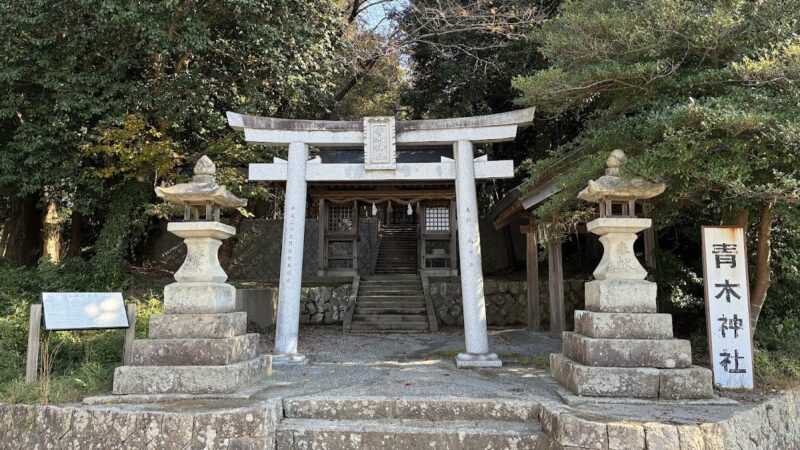
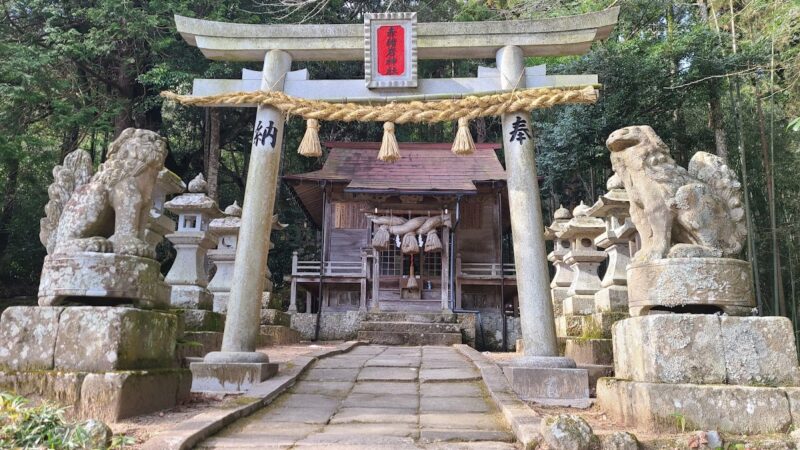
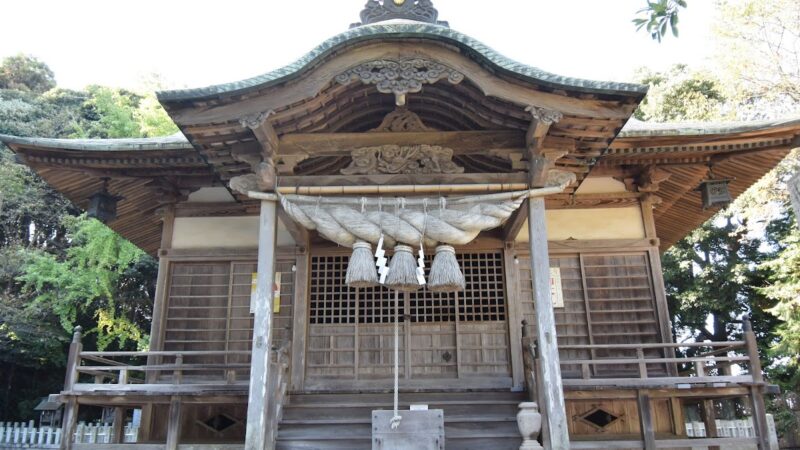
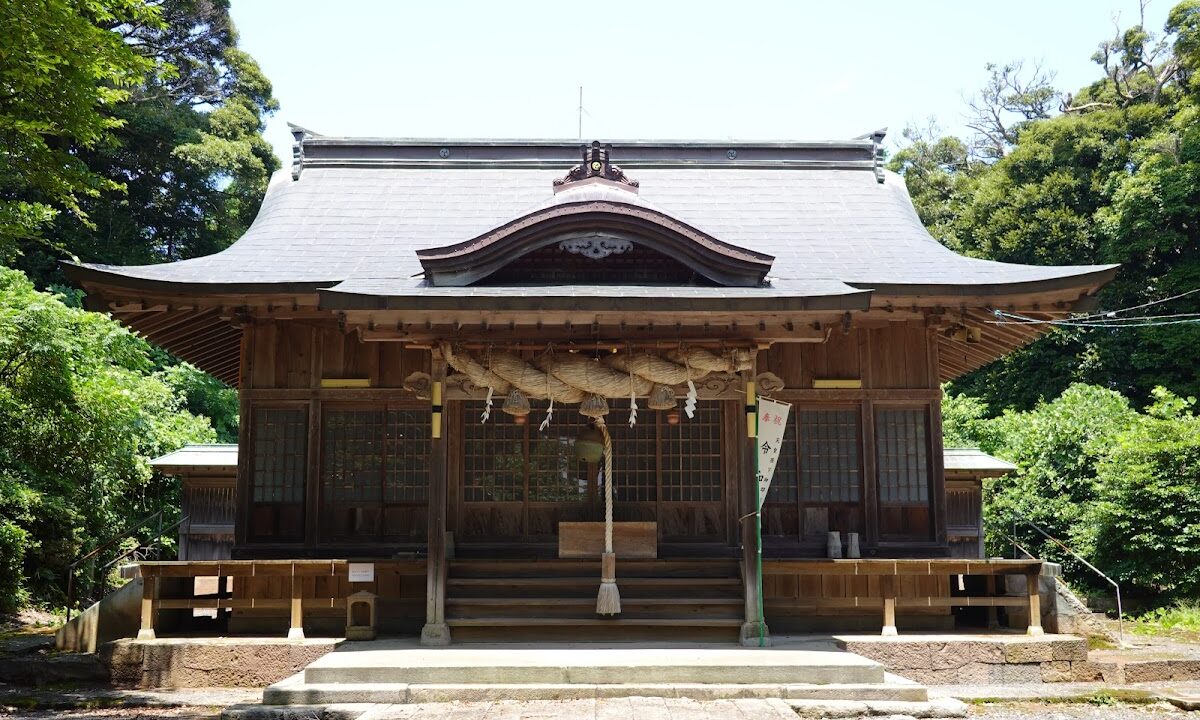
The shrine buildings of Hojo Hachimangu Shrine are built on a hill on Mt. Hachiman, creating a solemn atmosphere. The main hall maintains the traditional style of shrine architecture while being adapted to the local climate and environment.
Views from the Shrine Grounds
Located on a hill on Mt. Hachiman, the shrine grounds offer panoramic views of the Hojo Plain. On clear days, a spectacular view unfolds, stretching to the Sea of Japan and the surrounding mountains. This view is a special and purifying experience for visitors.
Stone Steps and Approach
Because the shrine is situated on the mountainside, you must climb stone steps to reach the grounds. As you ascend these steps, you can experience a sense of stepping away from everyday life and approaching a sacred space.
Annual Events and Festivals
Hojo Hachimangu Shrine holds various Shinto rituals and festivals throughout the year.
Setsubun Ceremony (Tsuina Ritual)
Every year on February 3rd, Setsubun, the traditional Tsuina ritual is held. This ritual involves shooting arrows at a target marked with the character for “demon,” warding off evil spirits and praying for good health throughout the year. This event is an important annual event in the region and attracts many worshippers.
Spring Grand Festival
In spring, the grand festival is held to pray for a bountiful harvest and the prosperity of the region. People from the parish gather, and traditional Shinto rituals are solemnly performed.
Autumn Grand Festival
The Autumn Grand Festival, a celebration of gratitude for the autumn harvest, is an important annual event. A Shinto ritual is performed to express thanks for the year’s bounty and to pray for a good harvest in the following year.
Monthly Festivals
Monthly festivals are held regularly, praying for peace in the community and the well-being of the parishioners.
Benefits and Faith
Hojo Hachimangu Shrine is believed to offer the following benefits:
- Long-lasting military fortune and victory: The inherent divine virtue of Hachiman-sama
- National peace and prosperity and regional prosperity: The role of a guardian deity
- Traffic safety: The divine virtue of Emperor Ojin
- Industrial development and business prosperity: Protection of local industries
- Protection from evil and disaster: Exorcism of evil spirits, exemplified by the Tsuina ceremony
- Academic success: Due to the enshrinement of Sugawara no Michizane
- Maritime safety: Due to the enshrinement of Watatsumi-no-kami
Because it enshrines a variety of deities, it is worshipped as a shrine that can fulfill a wide range of wishes.
Location
Address: 365 Kitao, Hokuei-cho, Tohaku-gun, Tottori Prefecture 689-2114 (sometimes listed as 613)
Phone Number: 0858-36-2612
Located in the heart of the Hojo Plain, the surrounding area is a quiet rural landscape. Because it sits on a hill on Mt. Hachiman, when checking a map, it’s easiest to look for the slightly elevated area in the “Kitao” district.
Access
Access by Train
Nearest Station: JR San’in Main Line “Shimo-Kitajo Station”
It’s approximately a 7-minute walk (about 499m) from Shimo-Kitajo Station. Exit the station and head north, following the signs to reach your destination. Its relatively close proximity to the station and easy access on foot make it convenient for visitors.
Access by Car
Route from Major Roads
- From National Route 9, head towards Hokuei Town.
- Take the prefectural road to the Kitao area.
- There is parking space around the shrine, but caution is advised during crowded times such as the annual festival.
Car Navigation Settings
You can search using the address “365 Kitao, Hokuei-cho, Tohaku-gun, Tottori Prefecture” or the phone number “0858-36-2612”. The map code “189 802 875*11” can also be used.
Access by Bus
Nearest Bus Stop
Local bus routes operate, but the number of services may be limited, so it is recommended to check the timetable in advance. Public transportation information for Hokuei Town can be found on the town’s official website.
Map and Location Information
Latitude and Longitude: 35.47798692, 133.80728304
Searching for “Hojo Hachimangu Shrine” on Google Maps or other map apps will show the exact location. A good landmark nearby is the small hill (Hachimanyama) in the rural area of the Hojo Plain.
Etiquette and Manners for Worship
Basic Worship Etiquette
- Bow before passing through the torii gate: A courtesy before entering the sacred area.
- Walk along the edge of the path: The center is the path for the gods.
- Purify yourself at the water basin: Purify your left hand, right hand, and mouth in that order, and finally purify the handle.
- Etiquette at the main hall: Two bows, two claps, and one bow are the basics.
Precautions when climbing the stone steps
Since the shrine is located on the middle of Hachimanyama, there are stone steps. Please climb slowly, paying attention to your footing. Elderly people and those with mobility issues should visit within their limits.
Regarding Photography
Photography is generally permitted on the shrine grounds, but consideration should be given to avoiding disturbing other worshippers or during religious ceremonies. There are also areas where photography is prohibited, such as inside the main hall, so please follow the signs.
Nearby Tourist Attractions
Highlights of Hokuei Town
Hokuei Town, where Hojo Hachimangu Shrine is located, is known as the birthplace of Gosho Aoyama, the author of the manga “Detective Conan.”
Gosho Aoyama Hometown Museum
Located about 10 minutes by car from Hojo Hachimangu Shrine, this is a must-see spot for Conan fans. It features a wealth of exhibits, including original drawings and trick art.
Conan Street
Along the road leading from JR Yura Station, statues and monuments of Conan characters are scattered, immersing the entire town in the world of Conan.
Nearby Shrines and Temples
There are many other historical shrines and temples scattered throughout central Tottori Prefecture. When visiting Hojo Hachimangu Shrine, we recommend enjoying a tour of the surrounding temples and shrines.
Natural and Scenic Spots
The rural landscape of the Hojo Plain is beautiful in every season, and the autumn scenery, especially with the rice stalks ripening, is exceptional. The Hojo Sand Dunes are also nearby, offering magnificent views of the Sea of Japan.
About Goshuin (Shrine Seals)
Goshuin (shrine seals) are available at Hojo Hachimangu Shrine. An electronic goshuin service is also available, allowing you to obtain them through a smartphone app.
Points to Note When Receiving a Goshuin (Shrine Stamp)
- It is considered good manners to receive a Goshuin after offering prayers.
- It is preferable to bring your Goshuincho (stamp book).
- If the chief priest is absent, it may be postponed to a later date, so prior contact is recommended.
- Prepare a donation (whatever you feel is appropriate).
The Charm of Hojo Hachimangu Shrine
The Weight of History
With a history of over a thousand years, Hojo Hachimangu Shrine embodies the history of the region itself, serving as a place of worship that has continued since the Heian period. Its status as a branch shrine of Iwashimizu Hachimangu Shrine, the reverence from samurai and military commanders, and the shrine mergers of the Taisho era—the traces of each era still breathe within the shrine grounds.
Connections to the Community
As the tutelary shrine for multiple areas including Yonesato, Shima, Kitao, Tai, Yumihara, Shimogami, and Matsugami, it plays a central role in the local community. Annual events such as the Tsuina ceremony are valuable opportunities for local people to gather and are important places for the transmission of traditional culture.
Harmony with Nature
Located on a hilltop overlooking the Hojo Plain, the shrine offers not only a magnificent panoramic view of the Hojo Plain but also a tranquil space surrounded by nature. Away from the hustle and bustle of the city, this peaceful environment provides a valuable place of healing for modern people.
Acceptance of Diverse Beliefs
Having merged in 1913 (Taisho 2), Hojo Hachimangu Shrine now enshrines various deities, demonstrating a deep acceptance of diverse beliefs. With deities such as the god of the sea, the god of the mountains, and the god of learning, the shrine can fulfill the diverse wishes of its visitors through their respective divine virtues.
Practical Information for Visitors
Visiting Hours
While the shrine grounds are generally open for worship all day, the hours of operation at the shrine office may be limited. If you wish to receive a Goshuin (shrine stamp) or prayers, it is recommended to check by phone in advance.
Dress Code
There are no specific dress code requirements, but clean, appropriate attire for visiting a shrine is desirable. Since you will be climbing stone steps, comfortable walking shoes are recommended.
Seasonal Highlights
Spring: Enjoy the beauty of fresh greenery and the refreshing air during your visit.
Summer: Experience the cool breeze of the lush green grounds during your visit.
Autumn: A beautiful season with vibrant autumn leaves and ripening rice fields.
Winter: The clear air and expansive views are exceptional.
Inquiries
For detailed information regarding visits and prayer requests, please contact the shrine directly.
Phone: 0858-36-2612
Information can also be found on the Tottori Prefecture Shrine Association website.
Summary
Hojo Hachimangu Shrine is a venerable shrine with over a thousand years of history, located in Hokuei-cho, Tohaku-gun, Tottori Prefecture. Founded as a sub-shrine of Iwashimizu Hachimangu Shrine, it has attracted local devotion since the late Heian period. In the Middle Ages, it was deeply revered by samurai and military commanders, and is also known for its connection to Satomi Tadayoshi.
Renamed Hachiman Shrine during the Meiji era, it merged with the surrounding Hachijinja shrines in 1913 (Taisho 2), and became the current “Hojo Hachimangu” in 1988 (Showa 63). Currently, it is cherished by the local people as the tutelary shrine of Yonesato, Shima, Kitao, Tai, Yumihara, Shimogami, and Matsugami.
Perched on a hill overlooking Mount Hachiman, its panoramic view of the Hojo Plain is one of its attractions. Annual events, including the Setsubun exorcism ceremony, preserve the region’s traditional culture.
With easy access—approximately a 7-minute walk from Shimokitajo Station on the JR San’in Main Line—it’s a shrine you should definitely visit when in Tottori Prefecture. Why not spend some peaceful time at Hojo Hachimangu, where history, nature, and local culture harmonize?