Complete Guide to Kunisaka Shrine (Hokuei Town, Tottori Prefecture) | History, Deities, and Access Information
Kunisaka Shrine, located in Kunisaka, Hokuei Town, Tohaku District, Tottori Prefecture, is an important shrine that conveys the history and faith of the region to the present day. Nestled in a quiet village near the Sea of Japan, this shrine has long been cherished as a spiritual center for local residents. This article provides a detailed introduction to Kunisaka Shrine, including its history, enshrined deities, highlights within the grounds, and access information.
Basic Information on Kunisaka Shrine
Kunisaka Shrine is located at 1500 Kunisaka, Hokuei Town, Tohaku District, Tottori Prefecture, and functions as the central place of worship for the Kunisaka village in Hojo Town. It is located about 1 kilometer inland from National Route 9, which runs along the Sea of Japan, and there are local facilities such as a baseball field nearby.
Location and Geographical Characteristics
To the south of the shrine lies a low mountain called Chausuyama, and the area is blessed with a rich natural environment. Hokuei Town is located in the central part of Tottori Prefecture, in the Tohaku District, facing the Sea of Japan. Within Tottori Prefecture in the Chugoku region, Hokuei Town borders Kurayoshi City and Yurihama Town, and is known as a town where rich nature and historical culture harmonize.
Although situated in a secluded area within the settlement, it is relatively easy to find thanks to the adjacent baseball field. Its quiet presence amidst a lively environment where the sounds of local children enjoying baseball can be heard suggests a deep connection between the local community and the shrine.
History and Origins of Kunisaka Shrine
Circumstances of Founding
While detailed records of the founding date of Kunisaka Shrine are lacking, local elders’ traditions and documents suggest that it has been located in the Kunisaka area since ancient times. The place name “Kunisaka” itself may originate from ancient transportation routes or topography, and the history of the shrine is thought to be deeply intertwined with the origins of the region.
As a Center of Local Faith
The central region of Tottori Prefecture, including Hokuei Town, is home to numerous shrines with long histories, such as Shizuri Shrine and Ube Shrine. Kunisaka Shrine, as the tutelary deity of the Kunisaka settlement, has also received various prayers from local residents, including those for abundant harvests, family safety, and protection from evil.
Tottori Prefecture has major cities such as Tottori City, Yonago City, and Kurayoshi City, each with its own unique shrines. Even in relatively small towns like Hokuei Town, the fact that community-oriented shrines like Kunisaka Shrine have functioned as the core of faith is a significant characteristic of Japanese Shinto culture.
Deities and Divine Virtues
About the Main Deity
The deities enshrined at Kunisaka Shrine have a strong character as guardian deities of the region, and are thought to be gods related to land development and agriculture. Many shrines in Tottori Prefecture enshrine deities associated with Izumo, such as Okuninushi-no-Mikoto and Susanoo-no-Mikoto. It is possible that the enshrined deities at Kunisaka Shrine also reflect the region’s historical background.
Expected Divine Virtues
Kunisaka Shrine, which has been worshipped as the local guardian deity for many years, offers the following divine blessings:
- Abundant Harvest: As the guardian deity of an agricultural region, prayers for a bountiful harvest are offered.
- Family Safety: The shrine watches over the daily peace and well-being of the local residents.
- Protection from Misfortune and Good Fortune: The shrine wards off calamities at important life events.
- Regional Prosperity: Prayers for the development and peace of the entire community.
Highlights of the Shrine Grounds
Shrine Buildings and Architectural Style
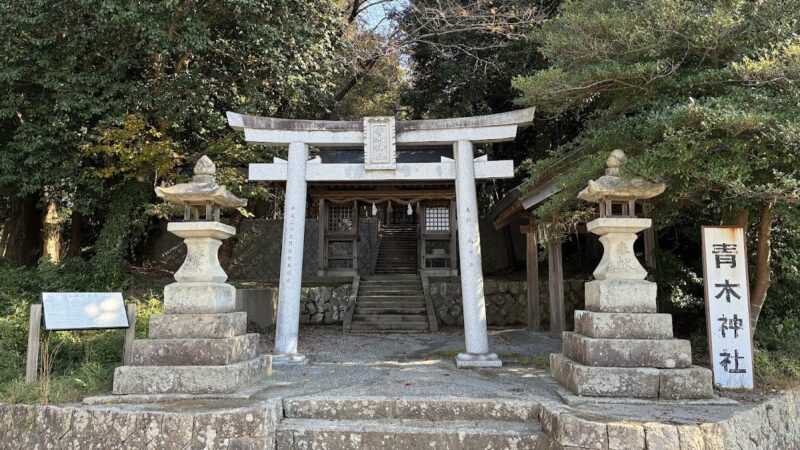
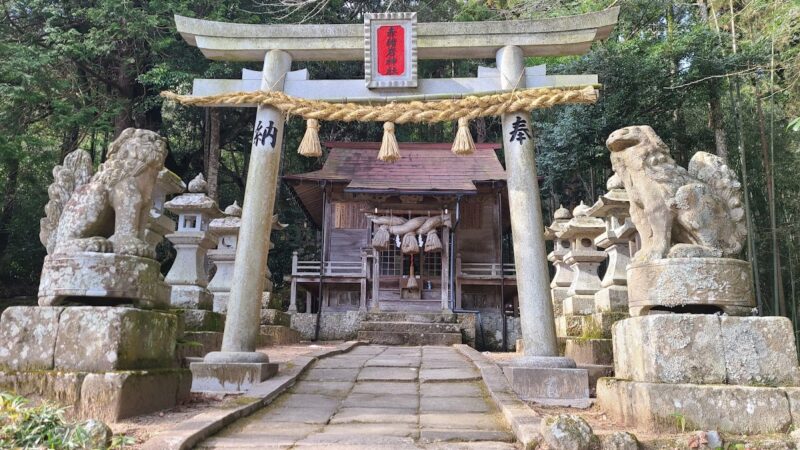
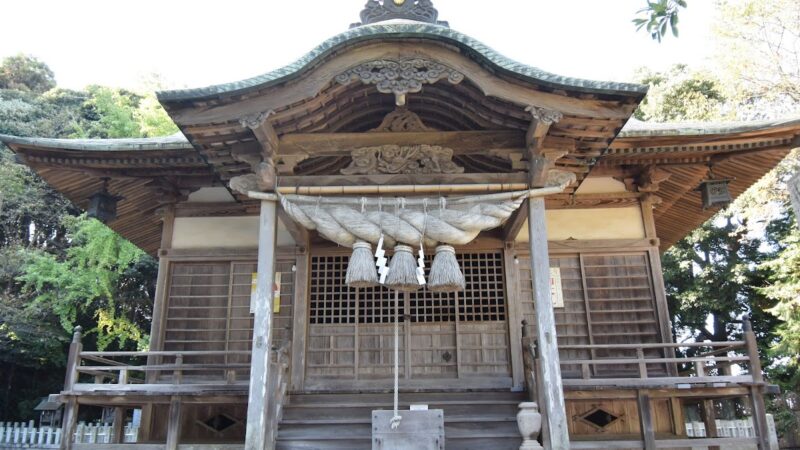
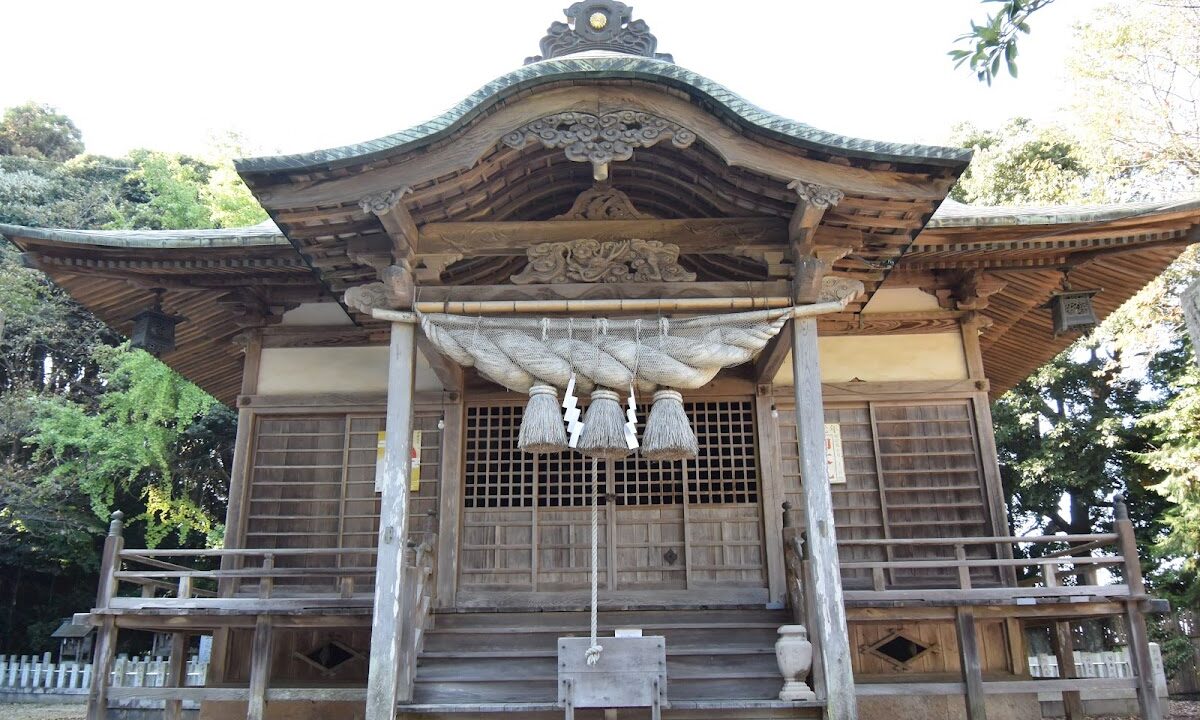
The shrine buildings of Kunisaka Shrine are simple yet dignified, typical of local shrines. While lacking elaborate decorations, the architecture, preserved through years of faith, bears the marks of the region’s history.
Atmosphere of the Shrine Grounds
Located deep within the village, the shrine grounds are enveloped in a tranquil atmosphere. With Mount Chausu as a backdrop, the landscape harmonizes with the surrounding nature, offering visitors a sense of peace. The cheerful voices of children can be heard from the adjacent baseball field, creating a feeling of a traditional Japanese community.
Surrounding Environment
The area surrounding the shrine features a typical rural landscape of the San’in region. You can stroll through the peaceful countryside while feeling the breeze from the Sea of Japan. Hokuei Town is also known as the birthplace of Gosho Aoyama, the author of Detective Conan, and there are tourist facilities such as the “Gosho Aoyama Hometown Museum” within the town.
Annual Events and Festivals
Grand Festival
As a local shrine, Kunisaka Shrine holds various festivals throughout the year. The autumn grand festival, in particular, is an important event in which all local residents participate. This traditional festival, expressing gratitude for a bountiful harvest and praying for a good harvest the following year, serves as an opportunity to deepen the bonds of the local community. ### Seasonal Festivals
- New Year’s Day Festival: A first shrine visit of the year to pray for peace in the new year.
- Spring Festival: A prayer ceremony marking the start of agricultural work.
- Summer Purification Ceremony: A Shinto ritual to purify and cleanse away the impurities accumulated over the past six months.
- Autumn Grand Festival: The most important festival to express gratitude for the harvest.
Connections to Major Shrines in Tottori Prefecture
Shrine Culture of Inaba and Hoki Provinces
In ancient times, Tottori Prefecture was divided into Inaba and Hoki Provinces, each developing its own distinctive shrine culture. Ube Shrine (Tottori City), the Ichinomiya (first-ranked shrine) of Inaba Province, enshrines Takenouchi no Sukune and is known for its blessings related to child-rearing, longevity, and financial fortune. Furthermore, Shizuri Shrine (Yurihama Town) boasts a long history as a Shikinaisha (a shrine listed in the Engishiki) and enjoys the status of a Myojin Taisha (a major shrine).
Hokuei Town, where Kunisaka Shrine is located, was formerly part of Hoki Province, and its regional religious practices strongly reflect the characteristics of the Hoki region. Many other shrines exist within Hokuei Town and in the surrounding areas of Daisen Town and Kurayoshi City, influencing each other and shaping the region’s spiritual culture.
Positioning in the Chugoku Region
The Chugoku region consists of five prefectures: Tottori, Shimane, Okayama, Hiroshima, and Yamaguchi, and each region is home to unique shrines. Due to its geographical and cultural proximity to Shimane Prefecture, which boasts Izumo Taisha Shrine, many shrines in Tottori Prefecture exhibit elements of Izumo-style religious beliefs.
Small, community-oriented shrines like Kunisaka Shrine play a different role than large, well-known shrines. They serve as places of daily worship for local residents, accompanying life rituals and seasonal milestones, and acting as a spiritual pillar for the community.
Access Information
Access by Public Transportation
By JR
- Get off at JR San’in Main Line “Yura Station,” approximately 10 minutes by car.
- Get off at JR San’in Main Line “Hojo Station,” approximately 15 minutes by car.
For public transportation, taking a taxi from the nearest station is convenient. While the number of services is limited, local community buses may also operate.
Access by Car
Routes from Major Cities
- From Tottori City: Approximately 40km west on National Route 9, approximately 50 minutes.
- From Yonago City: Approximately 50km east on National Route 9, approximately 1 hour.
- From Kurayoshi City: Approximately 20km via prefectural road, approximately 30 minutes.
Detailed Route
Drive along National Route 9 and follow the signs for Kunisaka, Hokuei Town, heading inland for approximately 1km. A baseball field serves as a landmark; look for the shrine in that vicinity.
Parking Information
While there are likely parking spaces for visitors within the temple grounds or nearby, there is no large-scale parking lot. During festivals or other times when congestion is expected, please follow local parking instructions.
Manners and Precautions for Visiting a Shrine
Basic Worship Etiquette
- Bow before passing through the torii gate: Show respect before entering the sacred area.
- Purify yourself at the water basin: Purify your left hand, right hand, and mouth in that order.
- Etiquette at the main hall: Two bows, two claps, and one bow are the basics.
- Behavior within the shrine grounds: Worship quietly and respectfully.
Precautions When Visiting a Shrine
- As this is a shrine within a village, please be mindful of the lives of the local residents.
- Photography is likely permitted, but please refrain from taking pictures during festivals and religious ceremonies.
- Always take your trash with you.
- Please be careful where you park so as not to inconvenience baseball field users.
Nearby Tourist Attractions
Highlights of Hokuei Town
Gosho Aoyama Hometown Museum
A museum dedicated to Gosho Aoyama, the author of Detective Conan. A must-see spot for Conan fans, where you can enjoy exhibits of original drawings and the production process. It’s about a 15-minute drive from Kunisaka Shrine.
Conan Street
The approximately 1.4km road from JR Yura Station to the Gosho Aoyama Manga Factory is dotted with bronze statues of Conan characters, making it a pilgrimage site for fans.
Shrines and Temples in the Surrounding Area
Shizuri Shrine (Yurihama Town)
A Myojin Taisha shrine listed in the Engishiki (ancient Japanese legal code), and the Ichinomiya (first-ranked shrine) of Hoki Province. Known as the god of weaving, it is also worshipped for its blessings of safe childbirth and matchmaking. About a 20-minute drive from Kunisaka Shrine.
Daisen-ji Temple (Daisen Town)
An ancient temple located on the slopes of Mount Daisen, the most sacred mountain in the Chugoku region. It has a history of flourishing as a sacred site for Shugendo (mountain asceticism). About a 40-minute drive from Kunisaka Shrine.
History and Culture of Hokuei Town
Town’s Origins
Hokuei Town is a relatively new municipality, formed in 2005 through the merger of Hojo Town and Daiei Town. However, the region has a long history, with people having lived there since ancient times. Facing the Sea of Japan, it enjoys abundant nature and a mild climate, and agriculture and fishing have been practiced there since ancient times.
Local Specialties
Hokuei Town is also known as the “Watermelon Town,” and sweet and delicious watermelons are harvested there in the summer. Furthermore, the cultivation of rakkyo (Japanese shallots) is thriving, taking advantage of the sand dunes, and “Sand Dune Rakkyo” is a popular brand product.
Significance of Visiting Kunisaka Shrine
Understanding Local Culture
Visiting Kunisaka Shrine has meaning beyond mere sightseeing. This small, community-based shrine embodies the essence of Japanese Shinto culture. Because it hasn’t been heavily commercialized for tourism, you can experience the true nature of faith.
Spending Quiet Time
The village of Kunisaka, a little distance from urban areas like Tottori City and Yonago City, is a place where time seems to slow down. In the tranquil grounds with Mt. Chausu as a backdrop, you can forget the hustle and bustle of everyday life and spend time finding peace of mind.
Interacting with the Community
The voices of children playing in the baseball field, the sight of people diligently working in the fields—around Kunisaka Shrine, you can see the vibrant community still alive. This kind of “shrine as part of daily life” will be a valuable experience for understanding traditional Japanese culture.
How to Enjoy Visiting Shrines in Tottori Prefecture
Combining with Major Shrines in the Prefecture
When visiting Tottori Prefecture, you can gain a deeper understanding by visiting not only Kunisaka Shrine but also other shrines in the prefecture.
Recommended Pilgrimage Route (Chubu Area)
- Shizuri Shrine (Yurihama Town) – Ichinomiya of Hoki Province
- Kunisaka Shrine (Hokuei Town) – Local Guardian Deity
- Shrines in Kurayoshi City – Experience the History of a Castle Town
Recommended Pilgrimage Route (All Prefecture Tour)
- Ube Shrine (Tottori City) – Ichinomiya of Inaba Province
- Shizuri Shrine (Yurihama Town) – Ichinomiya of Hoki Province
- Kunisaka Shrine (Hokuei Town) – Community-Based Shrine
- Around Daisen-ji Temple (Daisen Town) – Faith in a Sacred Mountain
Seasonal Ways to Enjoy
Spring (March-May)
During cherry blossom season, the nature around the shrines is beautifully colored. It’s also the time when farming begins, and you can feel the vitality of the region.
Summer (June-August)
Watermelon harvest season. Enjoy the local specialties of Hokuei Town while experiencing the atmosphere of a summer festival.
Autumn (September-November)
This is the season for the annual festival. Participating in the harvest festival will allow you to gain a deeper understanding of the local culture.
Winter (December-February)
In the quiet grounds, you can offer prayers for the new year in a solemn atmosphere.
Summary
Kunisaka Shrine in Hokuei Town, Tohaku District, Tottori Prefecture, is a small but important shrine deeply rooted in the community. It’s not a flashy tourist spot, but that’s precisely why it’s a valuable place to experience the essence of Japanese shrine culture.
Kunisaka Shrine stands about 1 kilometer from National Route 9, nestled in a quiet village with Mt. Chausu in the background. The sounds of children playing in the baseball field can be heard, and the shrine’s rooted connection to daily life reveals an important aspect of understanding Tottori Prefecture’s shrine culture.
When visiting major cities like Tottori City and Yonago City, or the central region including Kurayoshi City, why not extend your trip a little and visit Kunisaka Shrine in Hokuei Town? Experiencing a form of faith alive in the region, different from famous shrines like Ube Shrine and Shizuri Shrine, will enrich your shrine-hopping journey in Tottori Prefecture.
In Tottori Prefecture, in the Chugoku region, various shrines of all sizes support the spiritual culture of the area. We hope that through your visit to Kunisaka Shrine, you will gain insight into traditional Japanese faith, the relationship between local communities and shrines, and the rich nature and culture of the San’in region.