Hoshoji Temple (Zushi City, Kanagawa Prefecture) Complete Guide | A Sacred Site Associated with Nichiren Shonin and the Legend of the White Monkey
About Hoshoji Temple
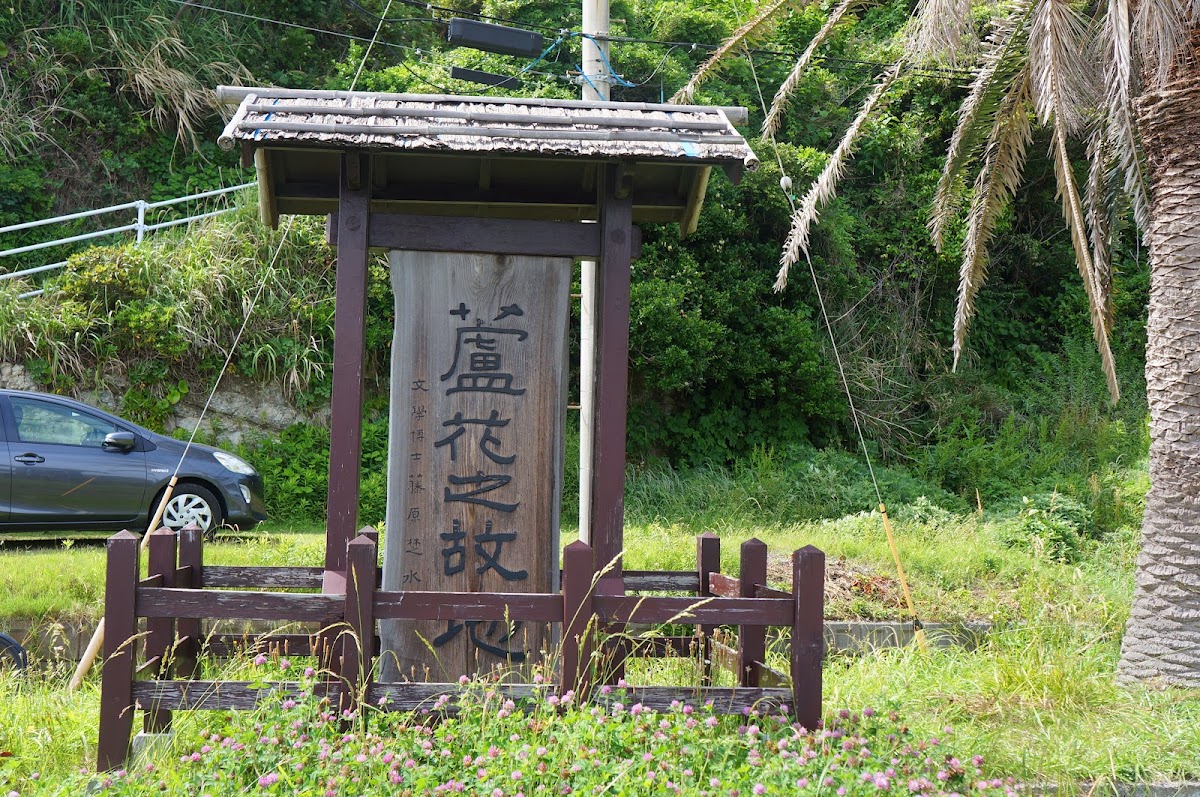
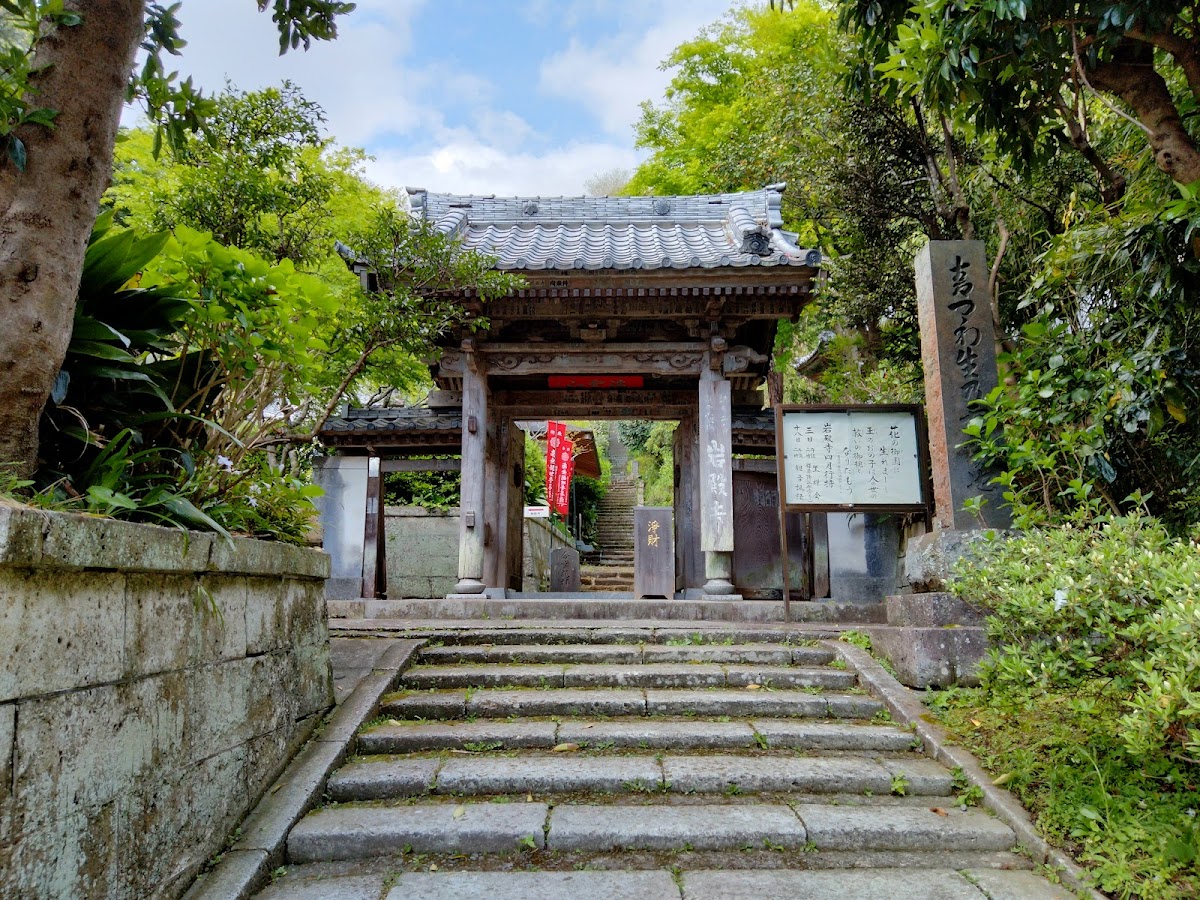
Hoshoji Temple is a Nichiren Buddhist temple located at 9-1-33 Kuki, Zushi City, Kanagawa Prefecture. Its mountain name is Enbakusan, and it has long been affectionately known as “Osarubatake” by locals.
It is known as a sacred site containing a cave where Nichiren Shonin, the founder of the Nichiren sect, escaped persecution at Matsubagaya, guided by a white monkey. It is also famous for being the burial place of Nichiro Shonin, one of Nichiren’s six senior disciples. Located on the border of Kamakura and Zushi, it lies along a hiking trail leading to Nagoe Pass and Mandara-do, offering a tranquil space where history and nature harmonize.
History of Hoshoji Temple
The Matsubagaya Persecution and the Legend of the White Monkeys
The history of Hoshoji Temple dates back to the Matsubagaya Persecution of 1260. Nichiren Shonin wrote the “Rissho Ankoku Ron” (Treatise on Establishing Righteousness and Securing the Peace of the Nation) at his hermitage in Matsubagaya, Kamakura, criticizing the shogunate and other Buddhist sects. On the night of August 27th, 1260, his hermitage was attacked by Nembutsu believers and shogunate officials.
In this critical situation, it is said that three white monkeys, messengers of the Sanno Gongen deity, appeared and led Nichiren Shonin to a cave in the mountains, saving his life. This cave, to which the white monkeys led, is the rocky hill of the Sanno Shrine within the current grounds of Hoshoji Temple. This legend is the origin of the temple’s mountain name, “Sarubata-yama” (Monkey Field Mountain), and is the most important historical background of Hoshoji Temple.
Founding and Development of the Temple
Hoshoji Temple is believed to have been founded around 1275. It is said that Nichiro Shonin, a senior disciple of Nichiren Shonin, built a temple on the sacred site where his teacher, Nichiren Shonin, escaped danger. Nichiro Shonin, as one of Nichiren’s six senior disciples, made significant contributions to the development of the Nichiren sect.
The temple developed as a branch temple of Myohonji Temple in Kamakura, and also maintained close ties with Ikegami Honmonji Temple. In his later years, Nichiro Shonin designated this place as his final resting place, and in his will, he wished to be buried here. Therefore, Hoshoji Temple also functions as an “inner sanctuary” of Myohonji and Honmonji Temples, and is an important sacred site within the Nichiren sect.
Successive Chief Priests and Temple Succession
Among the successive chief priests who have supported the history of Hoshoji Temple, Rokkei Shonin is known as a particularly important figure. Rokkei Shonin was one of Nichiren Shonin’s direct disciples and dedicated himself to the development of Hoshoji Temple.
Throughout the Edo period, Hoshoji Temple functioned as an important center of the Nichiren sect and was maintained as a sacred site visited by many monks and believers. Even amidst the wave of modernization after the Meiji Restoration, its historical value and religious significance were preserved, and it maintains its status as a sacred site of the Nichiren sect to this day.
Highlights of the Temple Grounds
Sanno Shrine and the Cave Where Nichiren Took refuge
The most important sacred site within the Hoshoji Temple grounds is the rocky hill where the Sanno Shrine is located. This rocky hill still contains the cave where Saint Nichiren escaped danger, guided by a white monkey. The Sanno Shrine is dedicated to Sanno Gongen, and was built with gratitude to Sanno Gongen, whose divine messenger is the white monkey that saved Saint Nichiren.
It is possible to climb to near the top of the rocky hill, from where a spectacular view of Zushi city and Sagami Bay unfolds. This view, reminiscent of the scenery Nichiren Shonin saw when he escaped danger, deeply moves many visitors. The interior of the cave is preserved as a sacred space, making it a special pilgrimage site for Nichiren Buddhist followers.
The Tomb and Five-Ring Pagoda of Nichiro Shonin
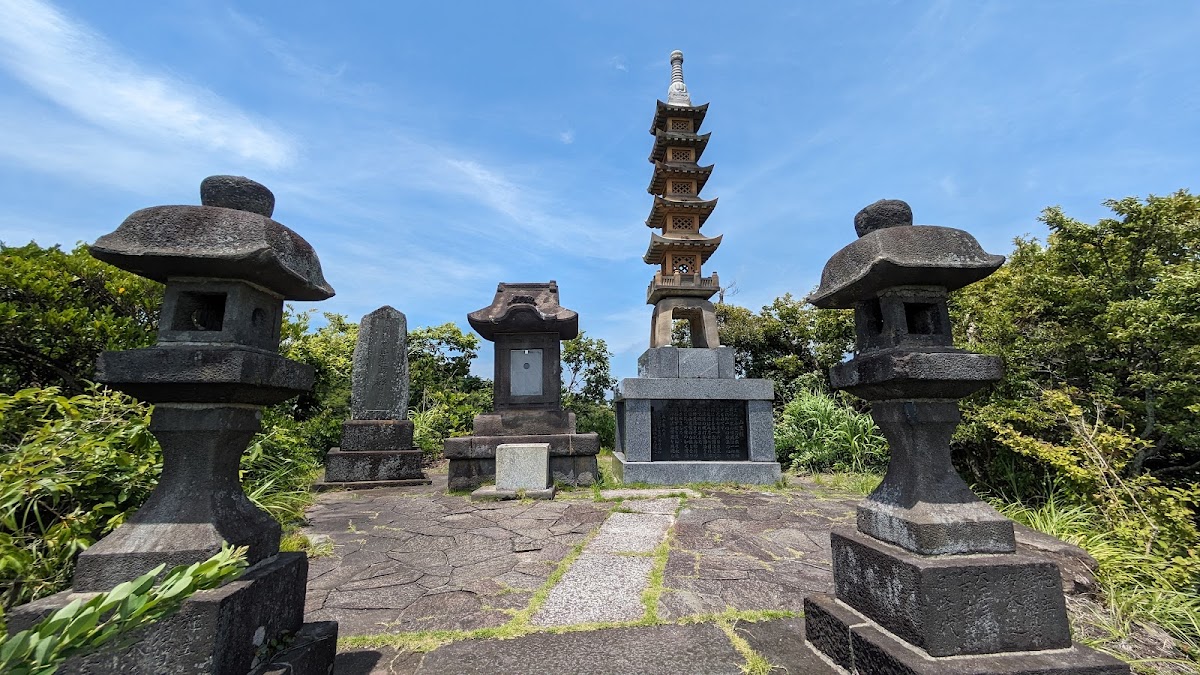
Within the temple grounds lies the tomb of Nichiro Shonin, one of Nichiren’s six senior disciples. Nichiro Shonin passed away in 1286, and according to his will, he was buried in this sacred place where his teacher, Nichiren Shonin, escaped danger.
A magnificent five-ring pagoda stands at the tomb, attracting many visitors who come to commemorate Nichiro Shonin’s virtues. The five-ring pagoda is a valuable cultural asset, preserving medieval stone art, and its historical value is highly regarded. The area around the tomb is enveloped in a tranquil atmosphere, making it an ideal space for meditation and prayer.
Founder’s Hall and Main Hall
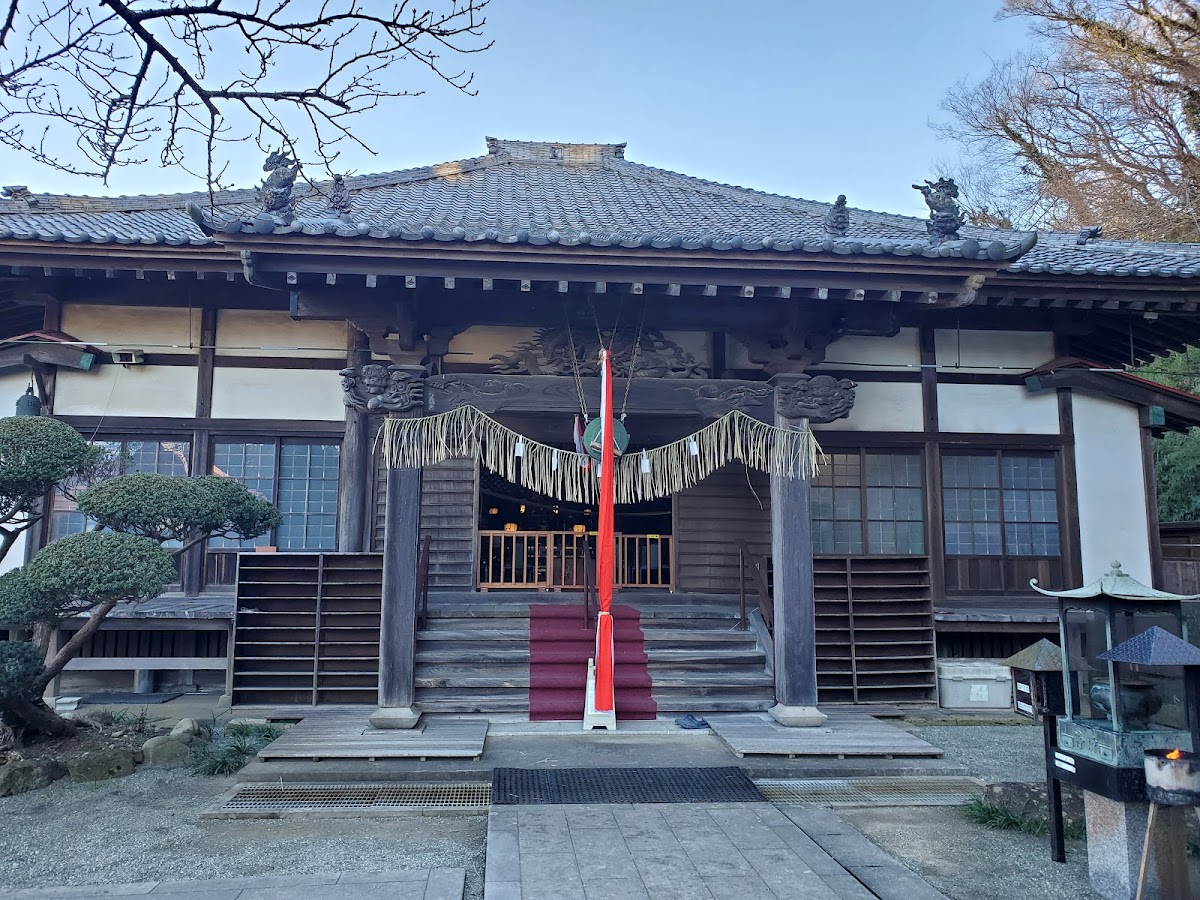
The Founder’s Hall of Hoshoji Temple houses a statue of Nichiren Shonin and serves as the center of daily religious services and worship. The Founder’s Hall is a valuable building that retains the architectural style of the Edo period, and displays paintings depicting the life of Nichiren Shonin and materials recounting the Matsubagaya Persecution.
Regular religious services are held in the Main Hall, which functions as a place of worship for parishioners and followers. The hall is filled with a solemn atmosphere and is also used as a place to learn the teachings of the Nichiren sect.
Natural Environment of the Temple Grounds
Hoshoji Temple is located in a mountainous area on the border of Zushi and Kamakura, blessed with a rich natural environment. Ancient trees flourish on the temple grounds, displaying different expressions throughout the seasons. The cherry blossoms in spring, the fresh greenery in early summer, and the autumn leaves are particularly beautiful, allowing visitors to enjoy a landscape where nature and history harmonize.
Located along the hiking trail leading to Nagoshi Pass, it is also used as a rest stop for hikers, making it a valuable spot where visitors can enjoy both historical and nature walks simultaneously.
Nearby Historical Spots
Nagoe Pass and Okirigishi
Nagoe Pass, located within walking distance of Hoshoji Temple, is a historical ancient road known as one of the seven passes of Kamakura. This pass, excavated during the Kamakura period, was an important transportation route connecting Kamakura and the Miura Peninsula. The road, with its steep rocky cliffs, demonstrates the advanced civil engineering techniques of the time.
Along Nagoe Pass is a massive rock face called Okirigishi. This rock face reaches a height of approximately 10 meters and is said to be either the site of a stone quarry or an execution ground from the Kamakura period. Visiting it in conjunction with Hoshoji Temple will allow for a deeper understanding of Kamakura history.
Mandara-do Yagura Group
Proceeding from Hoshoji Temple towards Nagoe Pass, you will find the Mandara-do Yagura Group. Yagura are tombs excavated from rock faces during the Kamakura period, and the Mandara-do Yagura Group boasts one of the largest scales in Kamakura. The sight of approximately 150 yagura (burial mounds) clustered together is breathtaking, making it a valuable historical site for understanding medieval funeral culture.
Currently, public access is limited for preservation purposes, but many history enthusiasts visit during special opening periods. Visiting it in conjunction with Hoshoji Temple provides a more comprehensive understanding of Kamakura during the time of Nichiren Shonin.
Temples and Shrines in the Zushi Area
Besides Hoshoji Temple, Zushi City is dotted with other historical temples and shrines. Iwadono-ji Temple (Iwadono Kannon) is known as the second temple on the Bando Thirty-Three Kannon Pilgrimage and, like Hoshoji Temple, is an ancient temple nestled in a rocky mountain. Jinmu-ji Temple is an ancient Shingon Buddhist temple, said to have been founded during the Nara period.
Visiting these temples allows you to experience the rich religious culture and history of the Zushi area. The history of how each temple, belonging to a different sect, has shaped the spiritual culture of this region is fascinating.
Access Information
Access by Train
The nearest station is Zushi Station on the JR Yokosuka Line and Shonan Shinjuku Line. It’s approximately 1 hour from Tokyo Station and 30 minutes from Yokohama Station. From the west exit of Zushi Station to Hoshoji Temple is about a 20-24 minute walk.
The walk from the station involves a gentle uphill slope, but it’s a quiet route through a residential area, offering views of Zushi town and Sagami Bay along the way. Comfortable walking shoes are recommended.
Access by Bus
For easier access, using Keihin Kyuko Bus (Keikyu Bus) is convenient. The following routes are available from bus stop #6 at the east exit of Zushi Station.
- Zushi 29 Bus Route (bound for Kamegaoka Housing Complex): Get off at the “Hoshoji” bus stop, approximately 7 minutes on foot.
- Zushi 22 Bus Route (Highland Loop/bound for Highland): Get off at the “Kuki 5-chome” or “Kuki 5-chome” bus stop, approximately 6-7 minutes on foot.
The bus ride takes about 10 minutes, and the walk from the bus stop to Hoshoji Temple is a short one through a residential area.
Access by Car and Parking
If visiting by car, it’s about 4 minutes from Zushi Station and about 10 minutes from the Zushi Interchange. Hoshoji Temple has a parking lot, but spaces are limited, so we recommend using public transportation, especially on weekends and during events.
For car navigation systems, it’s convenient to enter “9-1-33 Kuki, Zushi City, Kanagawa Prefecture” or the phone number “046-871-4966”.
Access via Hiking Trails
You can also visit Hoshoji Temple via a hiking trail from Kamakura, passing through the Nagoe Pass. The route from Kamakura Station towards Omachi, crossing the Nagoe Pass to Hoshoji Temple, is a popular choice for those who want to enjoy a historical walk.
The hiking trail has some steep sections, so we recommend wearing trekking shoes, comfortable clothing, and plenty of water. The hike takes approximately 1 hour 30 minutes to 2 hours from Kamakura Station.
Visiting Information and Facility Guide
Visiting Hours and Admission Fees
Hoshoji Temple is generally open for daytime visits. Opening hours may vary depending on the season, but are generally from around 9 AM to 4 PM. Admission is free, but prior contact may be required to view the main hall or special facilities.
Visiting may be restricted during religious services or events, so if you are visiting for a specific purpose, we recommend contacting the temple in advance.
Facilities and Amenities
Hoshoji Temple is equipped with a memorial service facility and a multi-purpose hall, allowing for the holding of Buddhist memorial services and other religious ceremonies. A parking lot is also available, making it possible to visit by car.
While there are restrooms on the temple grounds, it is located in a mountainous area, so it is advisable to use the facilities at the station or elsewhere before visiting. Vending machines and other facilities are limited, so bringing your own drinks is recommended, especially during the summer.
Annual Events
Hoshoji Temple holds various memorial services and events throughout the year. Important services are held around October 13th, the anniversary of Nichiren Shonin’s death, attracting many worshippers. A memorial service is also held on the anniversary of Nichiro Shonin’s death.
During Obon and Higan, the number of parishioners and worshippers visiting graves increases, so those wishing for a quiet visit are advised to visit on weekdays.
Cemetery and Columbarium Information
About the Temple Cemetery
Hoshoji Temple has a Nichiren Buddhist temple cemetery, and parishioners can have a burial plot there. For those who wish for perpetual memorial services at a historic temple, memorial services at the sacred site where the tomb of Nichiro Shonin is located hold special meaning.
The cemetery is located in a quiet environment overlooking the city of Zushi and Sagami Bay, allowing you to commemorate your ancestors in a peaceful atmosphere surrounded by nature. Please contact the temple directly for information on plot availability and fees.
Columbarium
In recent years, Hoshoji Temple has also introduced a columbarium system called “Noukotsubo.” This is a new form of interment that does not require a traditional tombstone, and it is a perpetual memorial service system that can be used with peace of mind by those who have difficulty managing a burial plot or those who do not have successors.
The Noukotsubo is an outdoor burial space, and while it has individual burial chambers, perpetual memorial services by the temple are guaranteed. The cost is lower compared to erecting a traditional tombstone, and it is attracting attention as a form of memorial service that suits modern lifestyles.
For detailed costs and contract information, please contact the temple or a partner stonemason.
Cultural Properties and Historical Value of Hoshoji Temple
Position within the Nichiren Sect
Hoshoji Temple holds an extremely important position in the history of the Nichiren sect. It is the place where Nichiren Shonin escaped a life-threatening situation, and it houses the tomb of Nichiro Shonin, one of the Six Senior Disciples. Therefore, it has the character of an “inner sanctuary” of Myohonji Temple in Kamakura and Ikegami Honmonji Temple in Tokyo.
For followers of the Nichiren sect, visiting Hoshoji Temple is a pilgrimage of special significance, and many believers visit from all over the country. Especially on the anniversaries of the deaths of Nichiren Shonin and Nichiro Shonin, visitors gather from far and wide.
Heritage Conveying the History of Medieval Kamakura
Hoshoji Temple is not merely a religious facility, but also a valuable cultural heritage site that conveys the history of the Kamakura period to the present day. This site is the location of the historical Matsubagaya Persecution, and is an important place for understanding the religious persecution and political situation of the time.
The rock caves and five-tiered stupas remaining on the temple grounds are valuable for understanding medieval religious practices and stonework techniques, and are attracting attention from historians and cultural property experts. Together with the Nagoshi Pass and the Mandara-do Yagura Group, this area is an important area that preserves the historical landscape of the Kamakura period.
Notes and Manners for Visitors
Manners for Worship
Hoshoji Temple is a temple that still functions as a place of worship. Please observe the following manners when visiting.
- Please behave quietly within the temple grounds and refrain from loud conversations.
- Photography is permitted, but permission must be obtained in advance for photography inside the main hall or in the cemetery.
- The rock caves and Sanno Shrine are sacred places; please treat them with respect.
- Please take all your trash with you.
- Smoking is strictly prohibited except in designated areas.
Clothing and Items to Bring
Hoshoji Temple is located in a mountainous area, and there are stairs and slopes within the temple grounds. We recommend the following preparations:
- Comfortable walking shoes (sneakers or trekking shoes)
- Comfortable clothing
- Hat, sunscreen, and insect repellent in summer
- Warm clothing in winter
- Drinking water (especially in summer)
- Rain gear (in case of unpredictable weather)
If climbing the rocky hill to Sanno Shrine, non-slip shoes are especially necessary.
Safety Precautions
- Walk carefully around rocky areas and caves, as footing can be unstable.
- Avoid strenuous climbing during or after rain, as rocks can be slippery.
- When using hiking trails, ensure you have adequate equipment and a plan.
- If visiting alone, inform family or friends of your destination.
Enjoy Zushi City Sightseeing in Combination
Zushi Beach and Zushi Marina
After visiting Hoshoji Temple, we recommend visiting Zushi Beach and Zushi Marina. Located about 10 minutes by car from Hoshoji Temple and about 15 minutes on foot from Zushi Station, you can enjoy the beautiful coastline of Sagami Bay.
Zushi Beach is a popular beach for families due to its shallow waters and calm waves. Swimming is popular in the summer, while walks and marine sports are enjoyable during other seasons.
Hiroyama Park
Hiroyama Park is a park located on a hill in Zushi City, offering a spectacular view of Sagami Bay, Enoshima Island, and Mount Fuji. It’s about a 15-minute drive from Hoshoji Temple, and on a clear day, you can enjoy a magnificent view.
The park also has a small zoo, making it a fun place for families with children.
Combining with Kamakura Sightseeing
Hoshoji Temple is close to the border with Kamakura, making it possible to combine a visit with a Kamakura sightseeing trip. You can reach the Omachi area of Kamakura via the Nagoe Pass, and it’s a popular historical walking route visiting Nichiren Buddhist temples such as Myohonji and Hongakuji.
There are many restaurants and souvenir shops around Kamakura Station, so you can easily plan a day trip that includes a visit to Hoshoji Temple.
Summary
Hoshoji Temple is an extremely important sacred site in the Nichiren sect, as it contains the cave where Nichiren Shonin escaped danger guided by a white monkey. This temple, which houses the tomb of Nichiro Shonin and serves as an inner sanctuary for Myohonji and Honmonji temples, is a valuable cultural heritage site that conveys the history of the Kamakura period, as well as possessing religious significance.
Accessible on foot or by bus from Zushi Station, visiting it along with surrounding historical sites such as Nagoe Pass and the Mandara-do Yagura Group allows for a deeper understanding of medieval Kamakura history. The view from the rocky hill of Sanno Shrine is magnificent, offering a spectacular panoramic view of Zushi city and Sagami Bay.
The tranquil temple grounds are ideal for meditation and prayer, providing a peaceful escape from the hustle and bustle of everyday life. It is a worthwhile place to visit not only for Nichiren Buddhist followers, but also for those interested in history and culture, and those who enjoy nature walks.
When visiting the Zushi and Kamakura area, be sure to visit Hoshoji Temple and experience the atmosphere of this sacred place where the legend of Nichiren Shonin and the white monkey lives on.