Complete Guide to Namiko Fudo (Koyo-ji Temple) | A Famous Zushi Site, the Setting of Tokutomi Roka’s “Hototogisu”
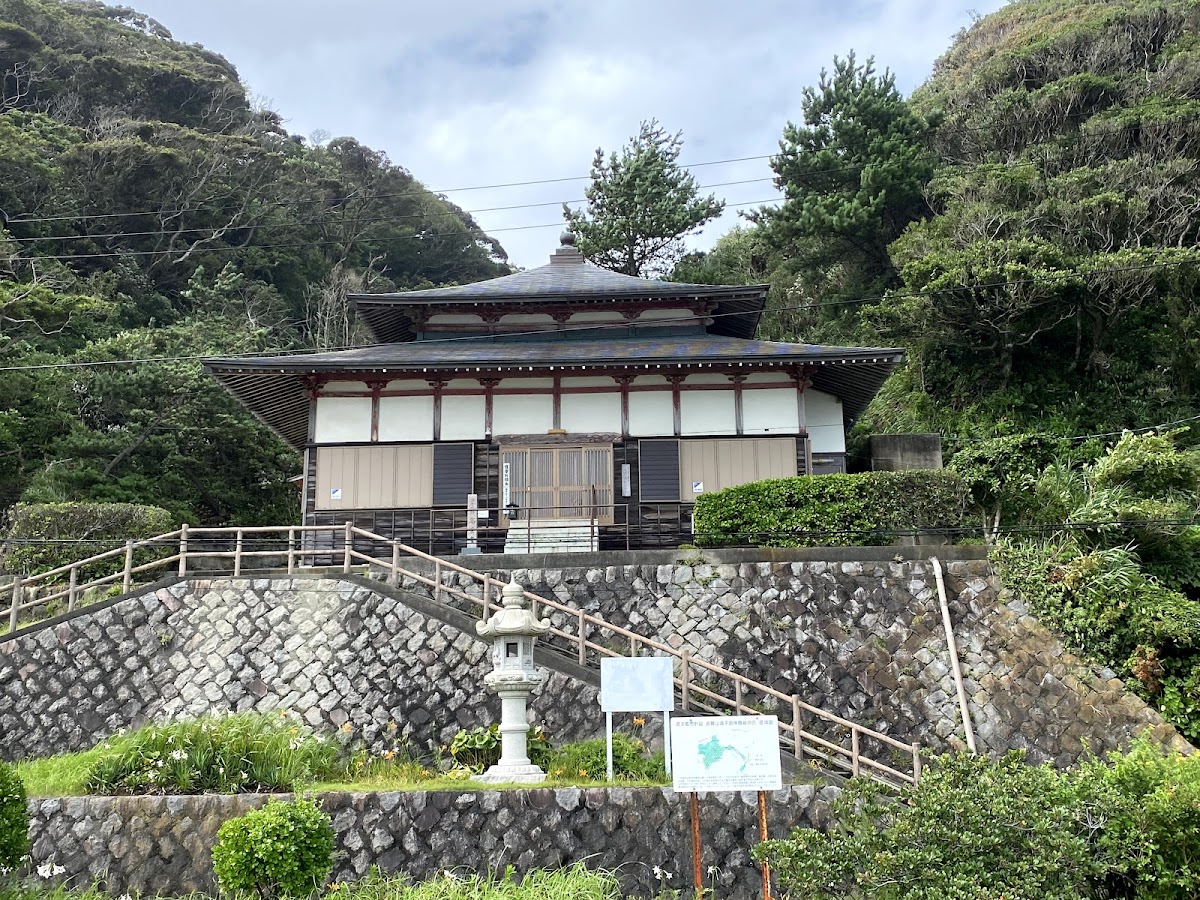
Namiko Fudo, located on the coastline of Zushi City, Kanagawa Prefecture, is a Shingon Buddhist temple known as the setting for the Meiji-era best-selling novel “Hototogisu.” Its official name is Koyo-ji Temple, but it is affectionately known as Namiko Fudo, after the novel’s heroine, Namiko. This site boasts a spectacular view of Sagami Bay and a history of over 600 years. We will provide a detailed introduction to its origins, highlights, and access methods.
What is Namiko Fudo? | Basic Information and Historical Background
Official Name and Location
The official name of Namiko Fudo is Koyo-ji Temple, located in Shinjuku, Zushi City, Kanagawa Prefecture. Located on a hill along National Route 134, and situated at the northwestern end of Zushi Beach, this temple is a representative scenic spot in Zushi City, offering beautiful views of Sagami Bay.
The temple’s name, “Koyo-ji,” has an interesting origin: it is said to have been derived from one character each from the names of two politicians associated with this area, Takahashi Korekiyo and Inukai Tsuyoshi.
Originally called “Namikiri Fudo” and “Shirataki Fudo”
Although now widely known as “Namiko Fudo,” it was formerly called Namikiri Fudo or Shirataki Fudo. These names originate from the fact that Fudo Myoo (Acala) was enshrined here to pray for safety at sea.
Since the Edo period, fishermen in this region have revered Fudo Myoo to pray for safety at sea. The name “Namikiri Fudo” in particular embodies the meaning of cutting through rough waves to protect ships, reflecting the earnest wishes of people who live by the sea.
A Legend from Over 600 Years Ago | The Story of the Discovery of Fudo Myoo
The origins of Namiko Fudo are intertwined with an intriguing legend dating back over 600 years.
Every night, a mysterious light began to shine from the mountains around Hiroyama, and the fish that had been abundant suddenly disappeared. Hearing the lamentations of the distressed fishermen, a monk named Raiki Hoin from Fudaraku-ji Temple in Kamakura investigated to unravel the mystery.
He discovered a stone statue of Fudo Myoo inside a cave in the rock. This discovery revealed the true nature of the mysterious light, and it is said that Fudo Myoo has been enshrined in this place ever since.
This legend illustrates that Namiko Fudo was not merely a temple, but a place of faith deeply intertwined with the lives of the local people.
The Relationship Between Tokutomi Roka’s “Hototogisu” and Namiko Fudo
What is the Meiji-era bestselling novel “Hototogisu”?
The name of Namiko Fudo became widely known throughout Japan thanks to the long novel “Hototogisu” (or “Fujoki”), published by the Meiji-era literary giant Tokutomi Roka from 1898 (Meiji 31) to 1899.
This novel, set against the backdrop of the feudal family system and militarism of the Meiji era, depicts the tragic love story of the protagonist, Kataoka Namiko, who suffers from tuberculosis. It became a bestseller at the time. It garnered a great response from its newspaper serialization and continued to move many readers to tears after its publication as a book, leaving its mark on literary history as a representative love story of the Meiji and Taisho periods.
The Tragic Heroine “Namiko” and Zushi, the Setting
The novel’s protagonist, Kataoka Namiko, is the wife of a naval officer who suffers from tuberculosis and faces a tragic fate when her husband’s family pressures her to divorce him. One of the key settings for this story is Zushi, specifically the beach where the Namikiri Fudo temple is located.
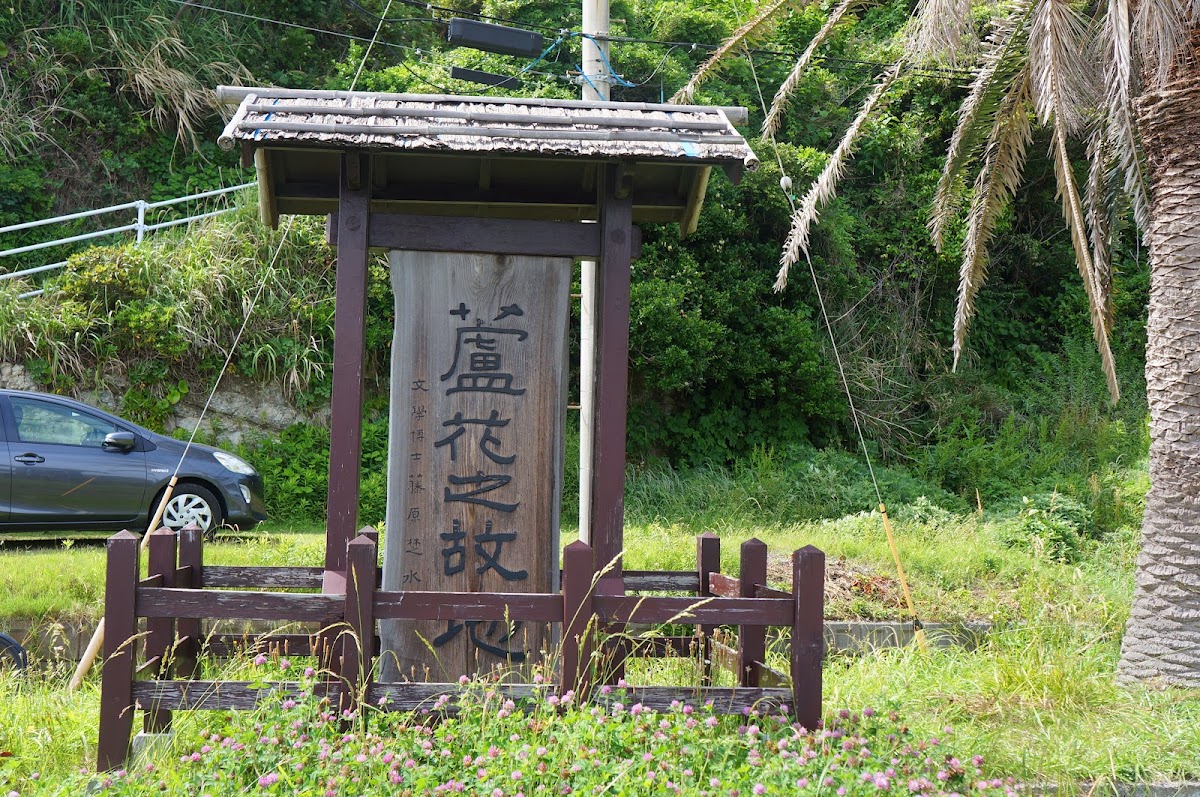
The novel’s immense popularity led many readers to visit the site, and over time, the Namikiri Fudo temple came to be known as Namiko Fudo, named after the novel’s heroine, Namiko.
The Literary Value of the “Hototogisu Monument”
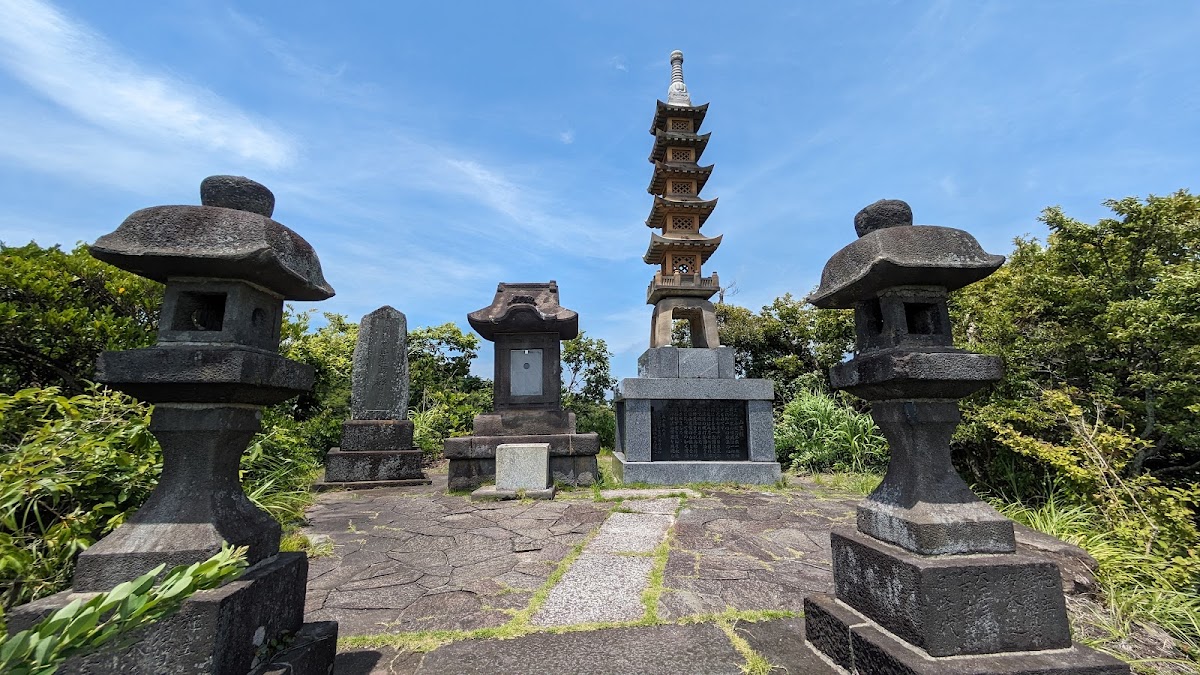
Within the grounds of Namiko Fudo, the Hototogisu Monument, commemorating the novel “Hototogisu,” stands. This monument indicates that this place is not merely a tourist spot, but a literary sanctuary of significant importance in the history of modern Japanese literature.
The fact that the works of Tokutomi Roka, who was active from the Meiji to the early Showa period, had such influence that they even changed the name of a temple, speaks volumes about the significant impact that literature had on society at that time.
Highlights and Charms of Namiko Fudo
A Scenic Spot with Panoramic Views of Sagami Bay
One of the greatest charms of Namiko Fudo is the stunning view of Sagami Bay that can be seen from its location. Situated on a hill overlooking National Route 134, a panoramic view of the blue sea and sky awaits you at the top of the stairs.
Especially on clear days, you can see from Zushi Beach to Hayama and even to Enoshima, captivating visitors. The beauty of the coastline and the feeling of the sea breeze while visiting the temple will provide a luxurious time that allows you to forget the hustle and bustle of the city.
The Main Hall and the Faith of Fudo Myoo
The main hall of Namiko Fudo enshrines Fudo Myoo, who has long been revered as the guardian of maritime safety. Fudo Myoo is an important Buddhist deity in Shingon Esoteric Buddhism, believed to possess the power to sever worldly desires and save all sentient beings.
Located on the coast, this temple has long attracted the devotion of fishermen and sailors. Even today, visitors come to pray for safety at sea and safe voyages. Next to the main hall, there is a sign explaining the temple’s origins and history, allowing visitors to learn about the historical background of this place.
Namiko Fudo Park and Surrounding Environment
The area surrounding Namiko Fudo has been developed as Namiko Fudo Park, providing a suitable environment for strolling and relaxation. From the park, you can see Zushi Beach, making it a valuable spot to enjoy both literature and nature.
At low tide, tide pools form in the surrounding rocky area, allowing you to observe a variety of marine life such as sea urchins, hermit crabs, small fish, crabs, sea hares, and sea slugs. Occasionally, octopuses can also be seen, making it a popular spot for nature observation and exploring the tide pools.
Entrance to the Namiko Hiking Course
Near Namiko Fudo, there are stairs leading to the Namiko Hiking Course, which serves as a starting point for hiking and enjoying the nature of Zushi. It’s a popular spot for both tourists and locals, offering light exercise while enjoying the coastal scenery.
Access | By Train and Car
Access by Train
If you’re visiting Namiko Fudo by train, the nearest station is JR Yokosuka Line Zushi Station.
- Walking from Zushi Station: Approximately 15-20 minutes
- Exit the station and head towards the coast, walking along National Route 134.
- Located at the northwestern end of Zushi Beach, you won’t get lost if you walk towards the sea.
Walking is recommended as you can enjoy the atmosphere of Zushi town and the coastline along the way.
Access by Car and Parking Information
If you’re visiting by car, the following route is convenient.
- Take the Yokohama-Yokosuka Expressway and exit at the Zushi Interchange.
- Distance from Zushi IC: Approximately 5km
- Located along National Route 134, accessible from both Kamakura and Hayama.
Parking Information:
There is no large-scale parking lot specifically for Namiko Fudo, but there are several paid parking lots along Zushi Beach. Especially during the summer season, congestion is expected, so using public transportation is recommended.
Access from the Surrounding Area
- From Kamakura: Take National Route 134 towards Zushi. After passing through the tunnel and continuing for a while, you will see it on your left.
- From Hayama: Head north on National Route 134 towards Zushi.
- From the Enoshima/Shonan area: Head south along the coastline.
Nearby Tourist Spots and Attractions
Zushi Beach
Zushi Beach, located right in front of Namiko Fudo, is one of Kanagawa Prefecture’s most beautiful beaches. It’s bustling with swimmers in the summer and popular with people enjoying walks and jogs even in the off-season.
It features shallow waters and gentle waves, making it popular with families. At sunset, you can enjoy a romantic atmosphere while watching the beautiful sunset over Sagami Bay.
Hiroyama Park
A short walk from Namiko Fudo will take you to Hiroyama Park. Located on a hill approximately 90 meters above sea level, this park offers a spectacular view of Zushi Bay, Enoshima, and Mount Fuji.
The park also has a small zoo, making it enjoyable for families with children. Visiting the Hiroyama area, which is featured in the legend of Namiko Fudo, will allow you to experience history more deeply.
Kotsubo Fishing Port
To the east of Namiko Fudo lies Kotsubo Fishing Port. Numerous restaurants offering fresh seafood line the port, allowing you to enjoy local food culture. Dishes using whitebait and local fish are especially exquisite.
Kamakura Area
Heading towards Kamakura from Namiko Fudo, you’ll find many of Japan’s most famous tourist attractions, including Tsurugaoka Hachimangu Shrine, Hase-dera Temple, and the Kamakura Daibutsu (Great Buddha). A day trip exploring the Zushi and Kamakura area is highly recommended.
Points to Note and Recommended Time to Visit
Precautions When Visiting
Namiko Fudo is generally an unmanned temple, and entry into the main hall may not be permitted. Visitors should primarily focus on viewing the exterior and enjoying the surrounding scenery.
- Visit quietly and be considerate of those around you.
- Always take your trash with you.
- As it is located along the coast, be careful on windy days.
- There are stairs, so comfortable shoes are recommended.
Recommended Time to Visit
Spring to Autumn is the best time to visit.
- Spring (March-May): Warm weather, perfect for strolling. Beautiful fresh greenery.
- Summer (June-August): Busy beach season. Be aware of crowds.
- Autumn (September-November): Cool and pleasant weather. Sunsets are especially beautiful.
- Winter (December-February): Quiet with fewer tourists. Clear air, sometimes offering views of Mt. Fuji.
Visiting in the early morning or evening is especially recommended for enjoying the beautiful scenery.
Cultural Significance and Contemporary Value of Namiko Fudo
Fusion of Modern Literature and Local Tourism
Namiko Fudo is a culturally and historically interesting example of how a literary work influenced an actual place name and tourist resource. A best-selling novel from the Meiji era changed the common name of a temple, and it continues to be known as “Namiko Fudo” to this day, demonstrating the significant social influence of literature.
Guardian of Maritime Safety and Local Faith
The presence of Fudo Myoo, who has guarded maritime safety for over 600 years, symbolizes the history and culture of Zushi, a region facing the sea. Even today, it functions as a place of worship visited by people involved with the sea and by worshippers praying for safety on their life’s journey.
A Scenic Spot Where Nature and History Harmonize
Namiko Fudo is a precious place where three elements—beautiful natural scenery, a historical religious site, and a literary background—harmonize. Enjoying the breathtaking views of Sagami Bay, while immersing yourself in the history of modern Japanese literature and experiencing the long-standing traditions of faith, this multifaceted spot is sure to continue to be loved by many.
Summary | The Significance of Visiting Namiko Fudo
Namiko Fudo (Koyo-ji Temple) is a representative tourist spot in Zushi City, Kanagawa Prefecture, a literary sanctuary, and a place of worship. Originally known as “Namikiri Fudo” and “Shirataka Fudo,” this location, which served as the setting for Tokutomi Roka’s bestselling Meiji-era novel “Hototogisu,” came to be named after the tragic heroine, “Namiko.”
Housing Fudo Myoo, who has protected maritime safety for over 600 years, it is a popular spot for its spectacular views of Sagami Bay and as a starting point for hiking trails along Zushi Beach and in the surrounding area.
Located just a 15-20 minute walk from Zushi Station on the JR Yokosuka Line, its convenient access is a major draw, making it an ideal stop as part of a Shonan area tour that might also include Kamakura and Hayama. Namiko Fudo, where literature, history, nature, and faith converge, is a special place that offers a unique and moving experience to each visitor.
When you visit Zushi, be sure to stop by Namiko Fudo and reflect on the scenery beloved by Meiji-era literary giants and the Fudo Myoo (Acala) who has watched over people for centuries.