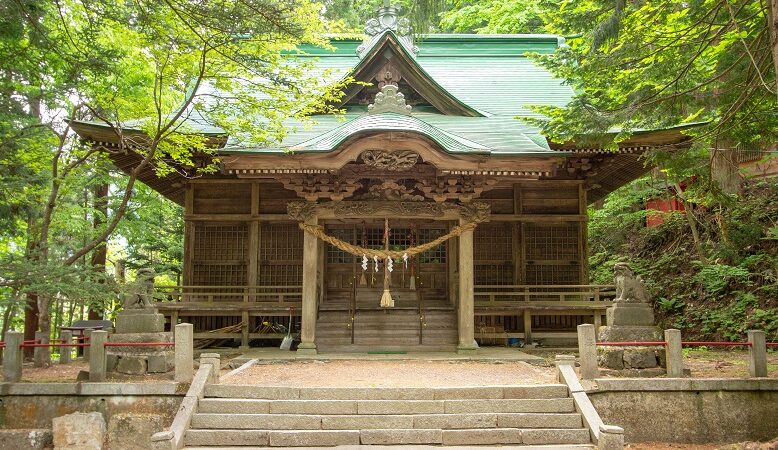
Inari Shrine (Kamiyashiki, Towada Suehiro, Kazuno City, Akita Prefecture) Complete Guide | Basic Information, Access, and Surrounding Area Information
The Inari Shrine, located in Kamiyashiki, Towada Suehiro, Kazuno City, Akita Prefecture, is a shrine that attracts the faith of the local community. This article provides detailed information useful for visiting or researching this Inari Shrine, from its basic information to its surrounding environment and access methods.
Basic Information on ‘Inari Shrine’
Location and Contact Information
The official address of the Inari Shrine is 29 Kamiyashiki, Towada Suehiro, Kazuno City, Akita Prefecture. The postal code is 〒018-5337.
Corporate Number and Registration Information
The corporate number for this Inari Shrine is 9410005003386. The corporate number is a 13-digit number designated by the National Tax Agency and is used to identify corporations and organizations. It is an important identification number that is useful when confirming the official information of the shrine.
Characteristics of Inari Shrines
Inari shrines are the most numerous type of shrine in Japan, with approximately 32,000 shrines nationwide. They enshrine Inari-no-kami (Ukanomitama-no-kami) as their main deity and are believed to bring blessings such as abundant harvests, business prosperity, and family safety. Several Inari shrines exist in Kazuno City, Akita Prefecture, each serving as an object of worship for the local people.
The Towada Suehiro district of Kazuno City is located in the northeastern part of Akita Prefecture, a naturally rich area near Lake Towada. The Inari shrines in this area have long functioned as places of worship closely intertwined with the lives of the local residents.
Pronunciation and Place Names
- Kazuno City: Kazuno-shi
- Towada Suehiro: Towada Suehiro
- Kamiyashiki: Kamiyashiki
Knowing the correct pronunciation of place names is helpful when using car navigation systems or taxis.
Aerial Photograph of Inari Shrine (29 Kamiyashiki, Towada Suehiro, Kazuno City, Akita Prefecture)
Viewing the Shrine’s Location with Aerial Photographs
By using aerial photographs, you can get an overview of the surrounding environment, topography, and access routes of Inari Shrine. Map services such as Google Maps and Yahoo! Maps allow you to switch to aerial photography mode to check the exact location of the shrine, the layout of surrounding buildings, and road conditions.
How to Use Aerial Photographs
By using aerial photographs, you can obtain the following information:
- Shrine Grounds Size: You can visually understand the size of the shrine grounds and the layout of the buildings.
- Surrounding Topography: You can understand the surrounding natural environment, such as mountains, rivers, and fields.
- Access Routes: You can check the nearest roads and parking spaces.
- Nearby Facilities: You can understand the relative locations of nearby buildings and public facilities.
Easy Access from Smartphones with QR Codes
Nowadays, you can quickly access the shrine’s location information using the QR code reading function of your smartphone. Many map services allow you to create QR codes for links to specific locations.
Benefits of using QR codes:
- Saves the trouble of manually entering long addresses
- Instantly obtains accurate location information
- Seamless integration with car navigation apps
- Easy sharing of pilgrimage plans with groups
Simply scan the QR code with your smartphone’s camera app, and the map app will launch, starting directions to Inari Shrine.
Map of the area around Inari Shrine
Detailed map information
Inari Shrine, located at 29 Kamiyashiki, Towada Suehiro, Kazuno City, Akita Prefecture, is situated in an area close to Lake Towada. The surrounding area is a quiet environment with residential areas and farmland.
Access from major roads
The following routes are possible to access Inari Shrine:
Access from National Route 103
National Route 103 is a major road leading to Lake Towada. Enter the Towada Suehiro area from this road and follow the local signs to reach the shrine.
Access from JR Hanawa Line
The nearest station is on the JR Hanawa Line, but the shrine is a considerable distance from the station, so using a private car or taxi is recommended.
Major Facilities in the Surrounding Area
The following facilities are located around the Towada Suehiro area:
- Public Facilities: Kazuno City branch offices and community centers
- Commercial Facilities: Local shops and convenience stores
- Tourist Attractions: Lake Towada, Hakkotoge Observatory (approximately 20-30 minutes by car)
- Hot Spring Facilities: Hot spring inns around Lake Towada
Parking Information
As this is a small local shrine, there may not be a large dedicated parking lot. When visiting, please check the situation around the shrine and be considerate of the neighbors.
List of Nearby Shrines
In addition to the Inari Shrine in Kamiyashiki, Towada Suehiro, Kazuno City, Akita Prefecture, there are several other shrines. Here are some of the major shrines in Kazuno City.
Inari Shrines in Kazuno City
Inari Shrine (Hanawa, Terasaka)
- Location: 88 Terasaka, Hanawa, Kazuno City, Akita Prefecture
- Corporate Number: 5410005003365
- Features: An Inari shrine located in the Hanawa district, situated in the heart of the area.
Inari Shrine (Hachimantai, Nichizon)
- Location: 58 Nichizon, Hachimantai, Kazuno City, Akita Prefecture
- Corporate Number: 6410005003364
- Features: An Inari shrine in the Hachimantai district, surrounded by the natural environment of a mountainous area.
Sachi Inari Shrine
- Location: 56 Inarikawahara, Hanawa, Kazuno City, Akita Prefecture
- Corporate Number: 7410005003371
- Features: An Inari shrine with the character “Sachi” (幸) in its name, located in Inarikawahara, Hanawa district.
Shrine Pilgrimage in Kazuno City
Besides Inari shrines, there are many other shrines in Kazuno City. When planning a shrine visit, please keep the following points in mind:
Efficient Pilgrimage Route
- Several shrines are concentrated in the Hanawa area.
- It takes approximately 15-20 minutes by car from the Towada Suehiro area to the Hanawa area.
- The Hachimantai area is mountainous, so be careful of road conditions in winter.
Pilgrimage Manners
- Bow before passing through the torii gate.
- Cleanse your hands and mouth at the water basin.
- Pilgrimage using the two bows, two claps, and one bow ritual.
- Pilgrimage quietly and respectfully.
Major Shrines in the Surrounding Area (Outside Kazuno City)
Many shrines worth visiting also exist in the areas surrounding Kazuno City:
- Shrines around the Oyu Stone Circles: Can be visited together with Jomon period ruins.
- Shrines in Kosaka Town: There are also historical shrines in the neighboring town of Kosaka.
- Shrines around Lake Towada: Can be visited in conjunction with sightseeing.
Access Methods and Points for Pilgrimage
Access by Car
Route from Tohoku Expressway
- Exit the Tohoku Expressway at Kazuno-Hachimantai IC.
- Take National Route 341 towards Towada.
- Connect to National Route 103 and proceed to the Towada Suehiro area.
- Follow local signs to the Kamiyashiki area.
Estimated travel time: Approximately 20-30 minutes from Kazuno-Hachimantai IC.
Route from Akita City
Approximately 2 hours 30 minutes to 3 hours from Akita City via National Route 7 and National Route 103.
Access by Public Transportation
By Train
The nearest stations are Towada-Minami Station or Kazuno-Hanawa Station on the JR Hanawa Line. Since it is a distance from the stations, using a taxi or rental car is recommended.
By Bus
There are local bus routes operating within Kazuno City, but the number of services is limited, so it is necessary to check the timetable in advance.
Best Time to Visit
Spring (April-June)
This season, with fresh greenery after the snow melts, offers ideal weather for visiting the shrine. During Golden Week, the number of visitors increases, often combining their visit with sightseeing around Lake Towada.
Summer (July-August)
Summer festivals and annual festivals may be held. The cool weather makes it a pleasant season for visiting.
Autumn (September-November)
This season features beautiful autumn foliage, making it a good time to visit in conjunction with sightseeing around Lake Towada. It’s a suitable time for offering thanks for the harvest.
Winter (December-March)
Due to heavy snowfall in this region, careful attention to road conditions is necessary when visiting during winter. Snow tires and winter equipment are essential.
Attire and Items to Bring When Visiting a Shrine
Basic Attire
- Clean and understated clothing is preferable.
- Take thorough precautions against the cold in winter.
- Consider insect repellent in summer.
Items that are Useful to Bring
- Offering money (prepare small change)
- Camera (for recording, but be aware of areas where photography is prohibited)
- Goshuincho (stamp book) (if you wish to receive a Goshuin stamp)
- Map app (smartphone)
History and Significance of Inari Worship
What is Inari-sama?
Inari-sama is one of the representative deities in Japanese Shinto, and the principal deity is Ukanomitama-no-kami. The name “Inari” is said to originate from “Inari” (rice harvest), and it has been worshipped since ancient times as a god of abundant harvests.
Inari Shrines Nationwide
There are said to be approximately 32,000 Inari shrines throughout Japan, making them the most numerous type of shrine in Japan. The head shrine is Fushimi Inari Taisha in Kyoto, and all Inari shrines throughout Japan have their spirits branched off from here.
Inari Faith in the Tohoku Region
In the Tohoku region, where agriculture is thriving, Inari faith, which prays for abundant harvests, remains deeply rooted. Akita Prefecture is also known as a rice-producing area, and faith in Inari shrines is strong there.
Inari Faith in Modern Times
In modern times, people visit Inari shrines not only for abundant harvests, but also for various other wishes such as business prosperity, family safety, and traffic safety. It is also common to see Inari shrines enshrined on company premises.
History and Culture of Kazuno City
Overview of Kazuno City
Kazuno City is located in the northeastern part of Akita Prefecture, near the border with Aomori Prefecture. Blessed with abundant nature, including Lake Towada and Hachimantai, it is also known as a tourist destination.
Historical Background
The Kazuno region has been inhabited since ancient times, and Jomon period ruins such as the Oyu Stone Circle remain. During the Middle Ages, it was under the rule of the Nanbu clan, and a unique culture developed.
Industries and Local Products
- Agriculture: Agriculture, centered on rice cultivation, is thriving.
- Livestock Farming: Brand-name livestock such as Kazuno beef.
- Tourism: Tourist attractions such as Lake Towada and Hachimantai.
- Traditional Crafts: Local cuisine such as kiritanpo.
Cultural Events
Kazuno City holds various festivals and events throughout the year. Hanawa Bayashi is known as one of Japan’s three major bayashi (traditional festival music) and is registered as a UNESCO Intangible Cultural Heritage.
Frequently Asked Questions about Inari Shrines in Kazuno City, Akita Prefecture
Q1: Can I get a Goshuin (shrine stamp) at Inari Shrine?
A: In the case of small shrines, there may not be a resident Shinto priest. If you wish to receive a Goshuin (temple/shrine stamp), we recommend contacting the Akita Prefectural Shrine Association or the local shrine in advance.
Q2: When is the annual festival of the Inari Shrine held?
A: Many Inari shrines generally hold their annual festivals on the first Horse Day of February (Hatsuumai) or during the autumn harvest season. Specific dates can be confirmed through local bulletin boards, the Kazuno City public relations materials, or by contacting shrine officials.
Q3: Can I visit the shrine in winter?
A: While the shrine itself is open year-round, Kazuno City in Akita Prefecture experiences heavy snowfall. If visiting during winter (December to March), snow tires, cold weather gear, and checking road conditions in advance are essential.
Q4: Is there parking available?
A: As it is a small local shrine, there may not be a dedicated large parking lot. When visiting, please check the situation around the shrine and be considerate of the neighbors when parking on the street.
Q5: What should I pray for at an Inari shrine?
A: Inari shrines are dedicated to deities who accept various wishes, such as bountiful harvests, business prosperity, family safety, and traffic safety. It’s important to pray honestly and respectfully for your wishes.
Q6: Can I visit other Inari shrines in Kazuno City as well?
A: Yes, you can. There are several Inari shrines in Kazuno City, and you can visit them mainly in the Hanawa area. With an efficient route plan, you can visit multiple shrines in one day.
Q7: What are appropriate offerings?
A: At Inari shrines, fried tofu, rice, and sake are common offerings. However, if you leave an offering, it is generally expected that you will take it back with you. Offering money as a donation is the most common practice.
Q8: Where can I inquire about the history of the shrine?
A: You may be able to obtain more detailed information by contacting the Akita Prefectural Shrine Association, the Kazuno City Board of Education, or local history research societies.
Summary
The Inari Shrine located in Kamiyashiki, Towada Suehiro, Kazuno City, Akita Prefecture, is a formal religious corporation with corporate number 9410005003386. As one of the many Inari shrines throughout Japan, it attracts the faith of the local community.
When planning your visit, please keep the following points in mind:
- Location: 29 Kamiyashiki, Towada Suehiro, Kazuno City, Akita Prefecture (〒018-5337)
- Access: Convenient access by car (approximately 20-30 minutes from Kazuno Hachimantai IC)
- Nearby Attractions: Lake Towada, Hachimantai, and other nature-rich tourist destinations are nearby.
- Best Time to Visit: Spring to autumn is the best time to visit; be aware of snow in winter.
- Nearby Shrines: There are several Inari shrines in Kazuno City, making shrine hopping possible.
Inari shrines are dedicated to deities who grant various wishes, such as abundant harvests, business prosperity, and family safety. Why not visit and offer your prayers with a heartfelt devotion in this peaceful environment?
When visiting Kazuno City, in addition to visiting this Inari Shrine, you can also enjoy the spectacular views of Lake Towada, Jomon period ruins such as the Oyu Stone Circle, and traditional culture such as the Hanawa Bayashi dance. You will be able to spend a peaceful time surrounded by rich nature and history.