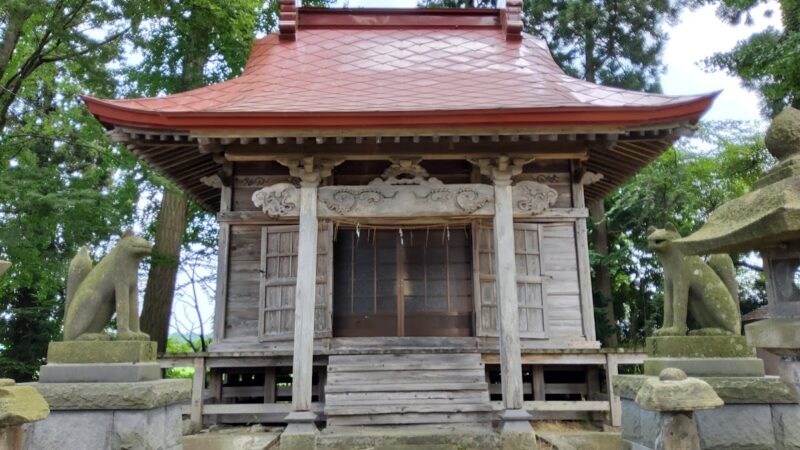
Inari Shrine (Kamiyonbaide, Niida, Odate City, Akita Prefecture) | History, Access, and Goshuin Information
Located at 22 Kamiyonbaide, Niida, Odate City, Akita Prefecture, this Inari Shrine has long been cherished by local residents. As one of the 2,655 Inari Shrines nationwide, it has played a central role in the faith of this region. This article provides a comprehensive overview of this Inari Shrine, including its detailed information, historical background, access methods, and the shrine culture of Odate City.
Basic Information on Inari Shrine
Location and Corporate Information
Official Address: 22 Kamiyonbaide, Niida, Odate City, Akita Prefecture 018-5751
Corporate Number: 5410005003002
This Inari Shrine is located in the Niida district of Odate City and functions as a spiritual pillar of the local community. The presence of a registered corporate number confirms that this shrine is officially recognized as a religious corporation.
About the Niida District
Niida is a region located in the southeastern part of Odate City, where agriculture has been the primary mode of living since ancient times. The place name Kamishibaide has a unique historical background specific to this region, and the Inari Shrine is a central place of worship for the community, cherished by local residents.
Deities and Beliefs of the Inari Shrine
What is Inari Worship?
Inari shrines are the most numerous type of shrine in Japan, totaling approximately 2,655. The main deity is Ukanomitama-no-kami, who is believed to bestow blessings such as abundant harvests, business prosperity, and family safety.
Characteristics of Inari Worship in the Region
In Akita Prefecture, especially in agricultural areas like Odate City, Inari shrines have been revered as important places of worship for praying for bountiful harvests. In areas where agriculture, particularly rice cultivation, is thriving, Inari deities are considered especially important, and many worshippers visit before planting in spring and during the autumn harvest.
Divine Virtues
- Abundant Harvest: Prayers for a bountiful harvest of crops
- Business Prosperity: Development and prosperity of businesses
- Family Safety: Health and peace for the family
- Good Fortune: Increased luck and the arrival of happiness
- Industrial Development: Prosperity of local industries
History and Origins of Inari Shrines
Background of Founding
Although there are no clear records of the specific founding date of the Inari Shrine in the Niida district, based on stories from local elders and the surrounding historical circumstances, it is presumed that it was worshipped by local residents from the Edo period to the Meiji period.
Historical Background of Odate City
Odate City has developed as the central city of northern Akita Prefecture. During the Edo period, the area was under the control of the Kubota Domain (Akita Domain), and mining and forestry flourished. While agriculture was central to the Niida district, it is believed that the Inari Shrine was developed as a place of worship alongside the region’s development.
Connection with the Local Community
Inari Shrines have played an important role not only as places of worship, but also as places for community interaction and cultural transmission through festivals. Especially in rural areas, a strong sense of community centered around the shrine remains, and it continues to be a source of regional unity today.
Access Information
Access by Car
From Tohoku Expressway:
- Approximately 15 minutes from Odate Kita IC
- Approximately 25 minutes from Kosaka IC
From National Route 7:
- Approximately 20 minutes from Odate city center via National Route 103
Parking: There is parking space for visitors around the shrine (prior confirmation is recommended)
Access by Public Transportation
JR Ou Main Line:
- Approximately 25 minutes by local bus or taxi from Odate Station
- Take a bus bound for Niida (prior confirmation is necessary as the number of buses is limited)
Akita Kita Bus:
- Take a bus bound for Niida from in front of Odate Station
- You may need to walk from the nearest bus stop
Landmarks in the Area
The Niida area is a mixed residential and agricultural area. You can ask local residents for directions to Inari Shrine. If using a car navigation system, please enter the address “22 Kamishibaide, Niida, Odate City, Akita Prefecture”.
Etiquette and Manners for Visiting a Shrine
Basic Etiquette for Visiting a Shrine
- Bow before passing through the torii gate
- Purify your body and mind at the water basin
- Hold the ladle in your right hand and purify your left hand.
- Switch the ladle to your left hand and purify your right hand.
- Switch the ladle back to your right hand, receive water in your left hand, and rinse your mouth.
- Finally, hold the ladle upright and purify the handle.
- Two bows, two claps, and one bow in front of the main hall
- Bow deeply twice.
- Clap your hands twice at chest height.
- Pray with sincerity.
- Finally, bow deeply once.
Precautions When Visiting a Shrine
- Behave quietly in the sacred area.
- When taking photographs, be considerate of those around you.
- Always take your trash with you.
- Pay attention to the boundaries of private property.
- Respect the living space of local residents.
Annual Events and Festivals
Main Festivals (Examples from typical Inari shrines)
Hatsuumasai (First Horse Day in February)
This is the most important festival for Inari shrines. It is celebrated grandly at Inari shrines throughout Japan, with prayers for business prosperity and a bountiful harvest.
Spring Grand Festival (April-May)
With the arrival of spring, a festival is held to pray for a good harvest that year.
Autumn Grand Festival (October-November)
A festival to express gratitude for the harvest, with local residents gathering to celebrate the bountiful harvest.
Niiname-sai (November 23rd)
A festival to offer new grain to the gods and express gratitude for the harvest.
*Specific dates and content of festivals may vary depending on local customs.
Shrine Culture of Odate City
Number of Shrines in Odate City
Odate City, Akita Prefecture, has 83 shrines, and Akita Prefecture as a whole has 1,138 registered shrines. This is a relatively large number relative to the population, indicating the strong roots of shrine worship in the region.
Major Shrines in Odate City
Odate Shinmei Shrine
A major shrine located in the center of Odate City, dedicated to Amaterasu Omikami.
Hachiman Shrine
Worshipped as the god of military fortune and agriculture.
Other Inari Shrines
There are several Inari shrines within Odate City, each worshipped in its own area:
- Kitashinmei-cho Inari Shrine (Corporate Number: 1410005002998)
- Hinai-cho Ogatsu Inari Shrine (Corporate Number: 7410005003074)
- Shonin-dome Inari Shrine (Corporate Number: 3410005002996)
- Hayakuchi Inari Shrine (Corporate Number: 3410005003111)
- Iwase Inari Shrine
Characteristics of Shrine Culture in Akita Prefecture
Shrines in Akita Prefecture are deeply intertwined with the lives of people who have lived in a harsh natural environment. Especially in areas where agriculture and forestry are thriving, reverence and gratitude towards nature underlie the shrine worship.
About Goshuin (Shrine Seals)
Issuance of Goshuin
In small, local shrines, there are often no resident priests, so prior confirmation is necessary regarding the issuance of Goshuin. For Niida Inari Shrine, if you wish to receive a Goshuin, we recommend confirming using the following methods.
How to Confirm
- Inquiry to the Akita Prefectural Shrine Association
- Address: 2-15-26 Niida Shinden, Akita City, Akita Prefecture 010-1427
- Phone: 018-892-7932
- Confirmation with the Local Parishioners’ Representative
- Ask local residents or people in the vicinity.
- Confirmation of Other Shrines
- If a larger nearby shrine also serves the shrine, they may handle it.
Nearby Tourist Attractions
Highlights of Odate City
Akita Dog Village
Odate City is known as the birthplace of the Akita dog, and at “Akita Dog Village,” you can interact with Akita dogs. Odate Jukai Dome
The world’s largest wooden dome, hosting various events.
Odate Local History Museum
A facility where you can learn about the history and culture of Odate City.
Birthplace of Kiritanpo
Odate City is known as the birthplace of “kiritanpo,” and there are many kiritanpo restaurants in the city.
Surrounding Nature
Naganeyama Sports Park
Known as a famous cherry blossom viewing spot, it is bustling with many visitors in spring.
Yoneshiro River
A first-class river flowing through Odate City, offering a rich natural landscape.
Odate City Statistics
Population and Regional Characteristics
Odate City is the central city of northern Akita Prefecture, with a population of approximately 70,000 (as of 2023). While facing the challenges of an aging population, it is promoting community development that utilizes its rich natural environment and traditional culture.
Industrial Structure
- Agriculture: Agriculture, primarily rice cultivation, is thriving.
- Forestry: Utilizing abundant forest resources.
- Manufacturing: Electronic components and machinery manufacturing.
- Tourism: Tourism utilizing Akita dogs, hot springs, and natural resources.
Climate
Belonging to the Sea of Japan climate zone, winters are characterized by heavy snowfall and severe cold. Summers are relatively cool and pleasant. Appropriate clothing and preparations are necessary when visiting shrines.
Shrine Pilgrimage in Akita Prefecture
Shrines in Neighboring Municipalities
Kitaakita City: Located south of Odate City, it boasts numerous historical shrines.
Kosaka Town: With a history as a prosperous mining town, it possesses a unique shrine culture.
Kazuno City: Located near Lake Towada, it features many shrines linked to nature worship.
Shrine Pilgrimage Routes in Akita Prefecture
Akita Prefecture has 1,138 shrines, each with its own unique shrine culture. It’s possible to plan a pilgrimage route starting from Odate City, visiting shrines in the northern part of the prefecture.
Connections with Local Communities
Parishioners’ Organizations and Local Communities
Inari shrines are maintained and managed by local parishioners. These parishioners support the shrines through various activities, including organizing festivals, cleaning the grounds, and maintaining facilities.
Role in Modern Times
In regional cities facing population decline and aging, shrines play the following roles:
- A place to deepen community bonds
- A place for the transmission of traditional culture
- A spiritual anchor
- Value as a tourist resource
- A symbol of regional identity
Guidelines for Visiting Shrines
Significance of Shrine Visits
Visiting a shrine is not merely a place to make wishes; it is also an opportunity to express gratitude to nature and ancestors, to reflect on oneself, and to reaffirm one’s connection to the local community. Especially at small local shrines, one can experience the history and culture of the land.
Everyday Faith
For local residents, shrines are a part of daily life. Visiting during morning walks, at the change of seasons, and to report on life’s milestones—this deeply rooted faith continues to this day.
Points to Consider When Visiting Inari Shrines
Best Time to Visit
Spring (April-May)
With the snow melting and the fresh greenery beautiful, it is a suitable season for visiting shrines. During rice planting season, visitors come to pray for a bountiful harvest.
Summer (June-August)
A summer festival may be held in the lush green grounds.
Autumn (September-November)
This is the harvest season, and the autumn foliage is beautiful. It is a suitable time for prayers of gratitude.
Winter (December-March)
Snowfall may make visiting difficult. Snow removal is likely during the New Year’s visit and the Hatsuumasai festival.
Useful Items to Bring
- Cash (for offerings)
- Camera (for recording)
- Goshuincho (stamp book) (if available)
- Map or GPS device
- Appropriate clothing and shoes for the season
- Insect repellent (summer)
- Warm clothing (winter)
Summary
The Inari Shrine, located at 22 Kamishibaide, Niida, Odate City, Akita Prefecture, has been a place of worship deeply rooted in the community and cherished by local residents throughout its long history. As one of the 2,655 Inari shrines nationwide, it offers divine blessings for abundant harvests, business prosperity, and family safety, and continues to function as a spiritual pillar of the community.
Odate City has 83 shrines, each deeply connected to its local community. Visiting an Inari shrine is not simply about praying to the gods, but also a valuable opportunity to experience the local history, culture, and the lives of its people.
When visiting the shrine, it is important to respect the living space of the local residents and offer your prayers quietly and sincerely. Furthermore, visiting the shrine in conjunction with other nearby tourist attractions will allow you to gain a deeper understanding of the charm of Odate City.
When you visit Akita Prefecture, be sure to visit the Inari shrines in this region and experience the form of faith that thrives in the community.