
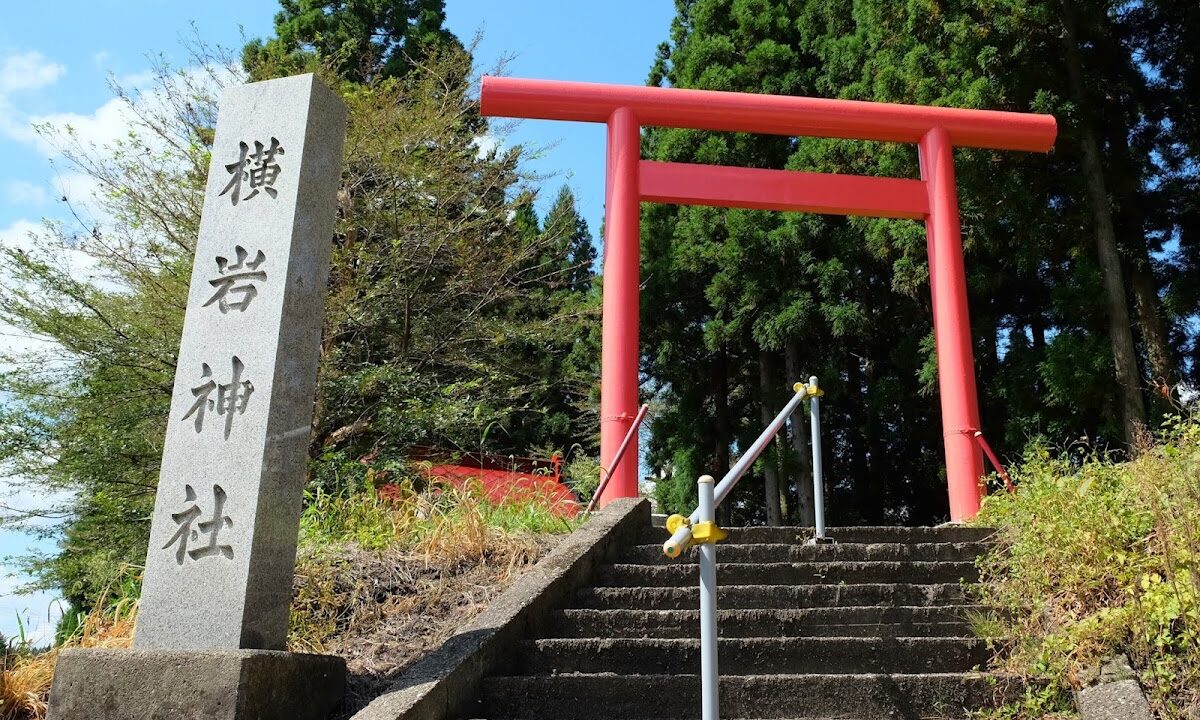
Inari Shrine (Yokoiwadai, Kawaguchi, Odate City, Akita Prefecture) Complete Guide
The Inari Shrine, located in Yokoiwadai, Kawaguchi, Odate City, Akita Prefecture, is a shrine that has been cherished by local residents for centuries. This article provides detailed information you should know before visiting, including the history of the Inari Shrine, its enshrined deities, blessings, how to worship, and access information.
Basic Information on Inari Shrine
Location: Yokoiwadai, Kawaguchi, Odate City, Akita Prefecture
Enshrined Deity: Ukanomitama-no-kami
Shrine Rank: Village Shrine
Founding: Although detailed records are not available, according to local elders, it is believed to have existed as a place of worship rooted in the community since before the mid-Edo period.
History and Origins of Inari Shrine
Historical Background of Kawaguchi District, Odate City
The Kawaguchi district of Odate City is located in northern Akita Prefecture and has long been a region where agriculture and forestry flourished. The place name Yokoiwadai reflects the topographical features of the area, and is thought to originate from the fact that many rocks were found on the plateau-like land.
Introduction of Inari Faith
While there are no clear records of the founding date of the Inari Shrine, it is presumed that during the Edo period, when the area was under the rule of the Akita Domain, Inari faith, which prayed for a bountiful harvest, spread throughout the region along with the development of agriculture. It is believed that the shrine began when the residents of the Kawaguchi district built a shrine to pray for a good harvest and the safety of their families.
As a Center of the Local Community
Even after the Meiji era, the Inari Shrine has functioned as a spiritual pillar for the local residents. Many residents visit the shrine during the spring festival and the autumn harvest festival, making it a place to deepen community bonds. Even amidst the post-war period of rapid economic growth and the subsequent population decline, this shrine has been carefully preserved by local volunteers.
Deities and Blessings
About Ukanomitama-no-Kami
Ukanomitama-no-Kami, enshrined at Inari shrines, is a god of grain appearing in Japanese mythology. “Uka” is an archaic word meaning grain or food, and the deity is worshipped nationwide as the god of abundant harvests, business prosperity, and family safety.
Main Blessings
Abundant Harvest: This has been considered the most important blessing in the Kawaguchi area, where agriculture thrives. Farmers praying for bountiful harvests have visited the shrine for generations.
Business Prosperity: Inari-no-Kami is also known as the god of business, and is worshipped by local shop owners and business owners.
Family Safety: As a god protecting the health and happiness of families, local residents visit the shrine daily.
Industrial Development: In modern times, the deity is revered as a god who watches over the development of all industries.
Highlights of the Shrine Grounds
Main Hall
The simple wooden main hall is built to suit the local climate and environment. The architecture, using Akita cedar, has developed a unique character over time.
Torii Gate
A vermilion torii gate, characteristic of Inari shrines, stands along the approach to the shrine. Although small in scale, it is a symbolic presence that guides visitors into the sacred grounds.
Stone Monuments and Offerings
Throughout the shrine grounds are stone monuments and lanterns donated by local residents, telling the story of the long history of local faith.
Natural Environment
The shrine grounds are surrounded by abundant nature, allowing visitors to enjoy the beautiful scenery of each season: cherry blossoms in spring, fresh greenery in summer, autumn leaves in fall, and snowscapes in winter.
Annual Events and Festivals
Spring Grand Festival
The annual grand festival, held every spring, is an important Shinto ritual praying for a bountiful harvest. Local residents gather, and Shinto priests recite prayers and offer sacred branches.
Autumn Grand Festival
The annual grand festival, held in the autumn harvest season, is a Shinto ritual expressing gratitude for the year’s abundant harvest. Local farmers sometimes offer their harvested produce.
New Year’s Visit
At the start of the new year, local residents visit the shrine for their first shrine visit of the year, praying for safety and prosperity throughout the year. Although small in scale, it offers a warm, community-based atmosphere for welcoming the new year.
How to Worship and Manners
Basic Worship Etiquette
- Bow Before the Torii Gate: Before entering the sacred area, bow before the torii gate.
- How to walk on the approach path: Since the center of the approach path is considered the path of the gods, it is polite to walk along the sides.
- How to wash your hands: If there is a water basin, wash your left hand, then your right hand, then your mouth.
- Worship at the main hall: The basic procedure is two bows, two claps, and one bow. Quietly place your offering in the offering box, ring the bell if there is one, and then bow.
- Bow upon leaving: Before leaving through the torii gate, turn around and bow once.
Attire for worship:
There are no specific dress code requirements, but clean clothing that reflects the sacred nature of the place is desirable.
Photography etiquette:
Photography is generally permitted within the shrine grounds, but it should be refrained from inside the main hall or during religious ceremonies. Remember to be considerate of other worshippers.
Access Information
Access by Car
Access from Tohoku Expressway:
- Approximately 15 minutes from Odate-Kita IC
- Approximately 20 minutes from Kosaka IC
Parking: There are several parking spaces around the shrine grounds. It may get crowded during festivals, so we recommend visiting with plenty of time to spare.
Access by Public Transportation
JR Ou Main Line:
- Take a local bus or taxi from Odate Station
- Approximately 20 minutes by taxi
Local Bus: Take a Shuhoku Bus bound for Kawaguchi and walk from the nearest bus stop. However, since the number of buses is limited, we recommend checking the timetable in advance.
Address and Navigation
Address: Yokoiwadai, Kawaguchi, Odate City, Akita Prefecture
Searching for “Yokoiwadai, Kawaguchi, Odate City” or “Inari Shrine, Kawaguchi, Odate City” on your car navigation system or smartphone map app will show the approximate location. However, because it is a small shrine, its exact location may not be displayed, so it is recommended to check the map beforehand.
Nearby Tourist Attractions
Major Tourist Attractions in Odate City
Akita Dog Village: Odate City is known as the birthplace of the Akita dog, and there is a tourist facility called “Akita Dog Village” in front of JR Odate Station. You can interact with Akita dogs and learn about their history.
Odate Jukai Dome: This is one of the world’s largest wooden domes, and various events and sports competitions are held here. The architecture, using Akita cedar, is well worth seeing.
Odate Local History Museum: This facility allows you to learn about the history and culture of Odate City. It exhibits materials from the Jomon period to the present day.
Birthplace of Kiritanpo: Odate City is also famous as the birthplace of kiritanpo. There are many kiritanpo specialty restaurants in the city where you can enjoy the authentic taste.
Natural Spots
Nagaki Stream: A naturally rich area with a beautiful stream and forests, ideal for hiking and forest bathing.
Yatate Pass: A pass located on the border between Akita and Aomori prefectures, retaining traces of a historical highway.
Characteristics of the Kawaguchi District, Odate City
Local Industries
The Kawaguchi district is a region centered on agriculture and forestry, with thriving rice and vegetable cultivation. It is also known as a production area for Akita cedar, and forestry-related industries support the local economy.
Local Food Culture
This region retains a strong influence of the food culture of northern Akita Prefecture, with local dishes such as kiritanpo, damako mochi, and Hinai chicken being commonly eaten.
Local Community
Even amidst population decline and aging, the bonds among local residents remain strong, and the community is maintained through festivals and local events.
Precautions When Visiting the Shrine
Seasonal Precautions
Winter (December-March): Northern Akita Prefecture is a heavy snowfall area, and snow accumulation is significant during winter. When visiting, please take precautions against the cold, wear non-slip shoes, and check road conditions in advance.
Spring (April-May): Roads may become muddy during the snowmelt season.
Summer (June-August): Insect repellent is recommended.
Autumn (September-November): While the autumn foliage is beautiful, the sun sets earlier, so please be mindful of the time you visit.
Emergency Contact Information
Odate City Hall: 0186-43-7000
Odate Police Station: 0186-42-3454
Odate City Fire Department: 0186-42-5101
Inari Shrine and the Future of the Region
Efforts for Regional Revitalization
In recent years, young people in the region have been exploring new forms of regional revitalization while continuing traditional festivals. The role of Inari Shrine, as a central hub of the local community, is being re-evaluated.
Value as a Cultural Asset
Despite its small size, the Inari Shrine is a valuable entity that conveys the history and culture of the region, making its preservation and transmission a regional challenge.
Potential as a Tourism Resource
Within the overall tourism promotion of Odate City, small, locally rooted shrines are gaining attention as places where visitors can experience unique local culture.
The Significance of Visiting the Inari Shrine in Odate City
The Inari Shrine in Yokoiwadai, Kawaguchi, Odate City, Akita Prefecture, is not a large-scale tourist destination, but it is a sacred place deeply rooted in the region’s history, culture, and the lives of its people. Away from the hustle and bustle of the city, you can find peace of mind in a tranquil environment for worship.
By visiting this place of worship, which has been preserved by the local people for generations, you can truly appreciate the importance of traditional culture that thrives in rural Japan. When you visit Odate City, be sure to stop by.
Summary
The Inari Shrine (Yokoiwadai, Kawaguchi, Odate City, Akita Prefecture) is a historical shrine deeply rooted in the community. It offers blessings for abundant harvests, business prosperity, and family safety, and holds annual events, including the spring and autumn festivals.
Access is convenient by car, approximately 15 minutes from the Odate Kita Interchange. Nearby attractions include the Akita Dog Village and the Odate Jukai Dome, making it a great place to visit as part of your Odate City sightseeing.
Due to heavy snowfall in winter, seasonal preparations are necessary before visiting. Though small, this shrine is cherished by the local community and is a valuable place to experience the culture and traditions of northern Akita Prefecture.
When visiting, please remember to be considerate of the local people and offer your prayers quietly and sincerely; this will allow you to experience a deeper sense of spiritual fulfillment.


