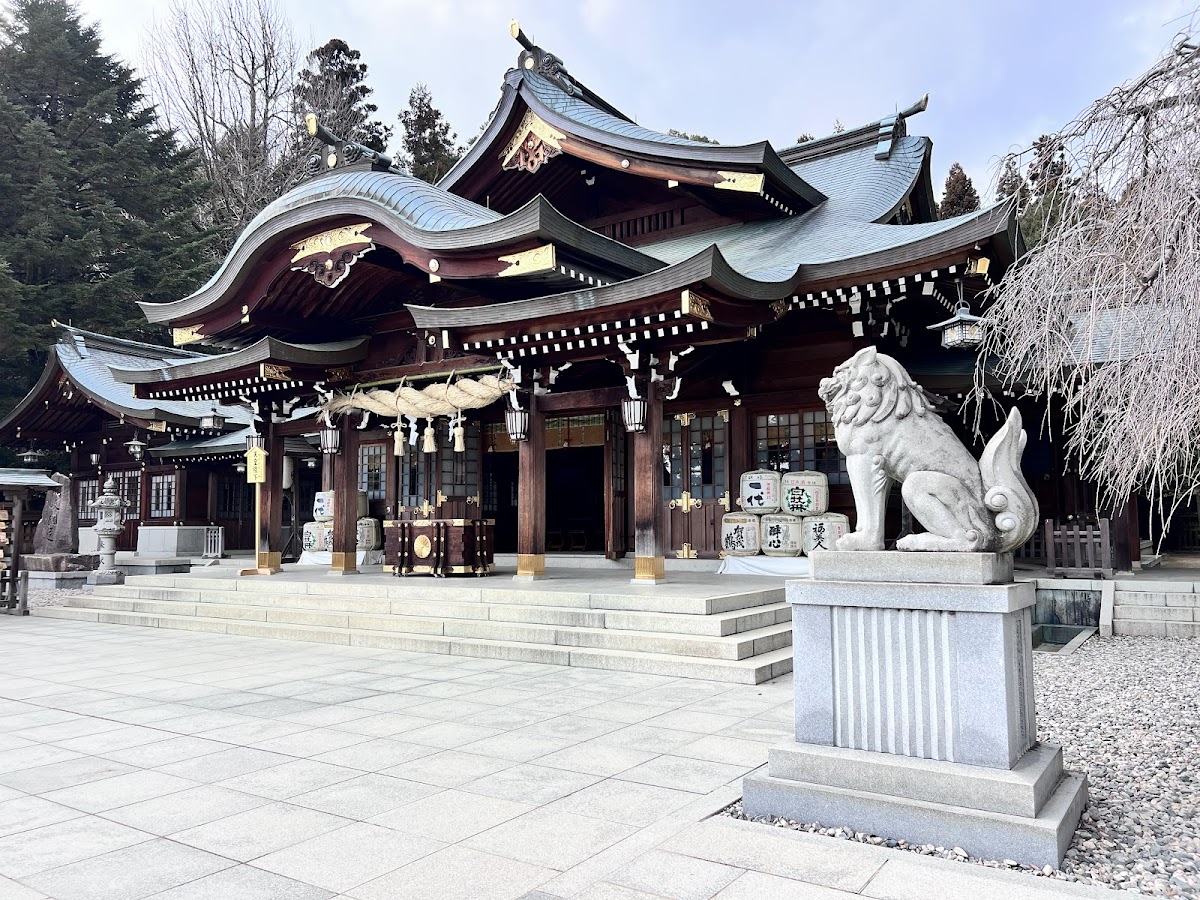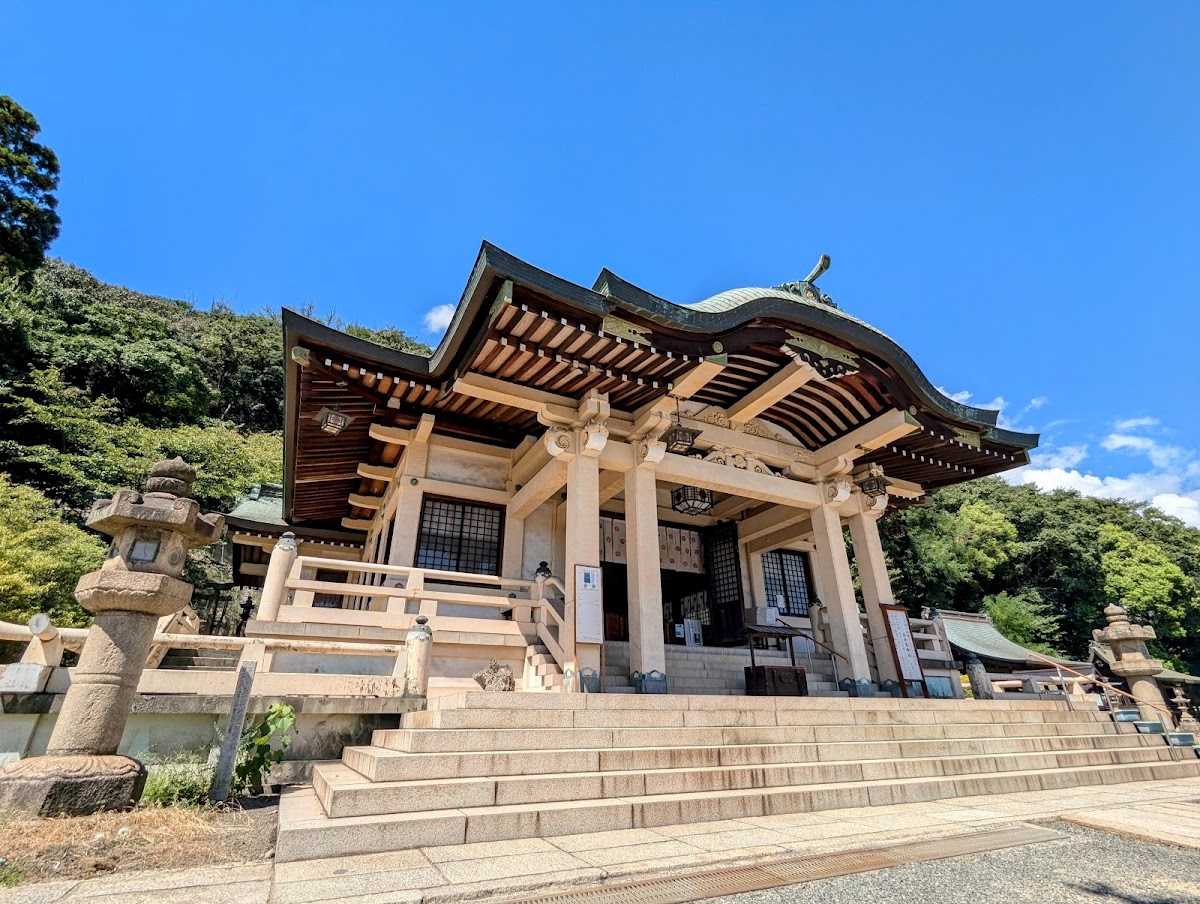
About Itsukushima Shrine’s Main Hall and Worship Hall
Itsukushima Shrine, located on Miyajima Island in Hatsukaichi City, Hiroshima Prefecture, is one of Japan’s most historically significant and prestigious shrines. It is said to have been founded in 593 AD (the first year of Emperor Suiko’s reign), and the magnificent shrine buildings were constructed by Taira no Kiyomori at the end of the Heian period.
Value as a World Heritage Site
Registered as a UNESCO World Cultural Heritage Site in 1996, the shrine complex, including the main hall and worship hall, is designated a National Treasure. It boasts a unique beauty, incorporating the Shinden-zukuri architectural style into shrine architecture. The sight of the shrine buildings appearing to float on the sea at high tide is highly regarded as a world-class architectural style.
Architectural Features
The Main Hall is built in the irimoya style with a cypress bark roof and enshrines the three Munakata goddesses: Ichikishima-hime no Mikoto, Tagori-hime no Mikoto, and Tagitsu-hime no Mikoto. The Worship Hall is located in front of the main hall and is where worshippers pay their respects before the deities. The contrast between the vermilion pillars and the unpainted wooden floorboards is beautiful, and you can enjoy the ever-changing scenery as the tides ebb and flow.
Points to Note When Visiting
Tides and Visiting Times
To fully appreciate the charm of Itsukushima Shrine, it is important to check the tide level in advance.
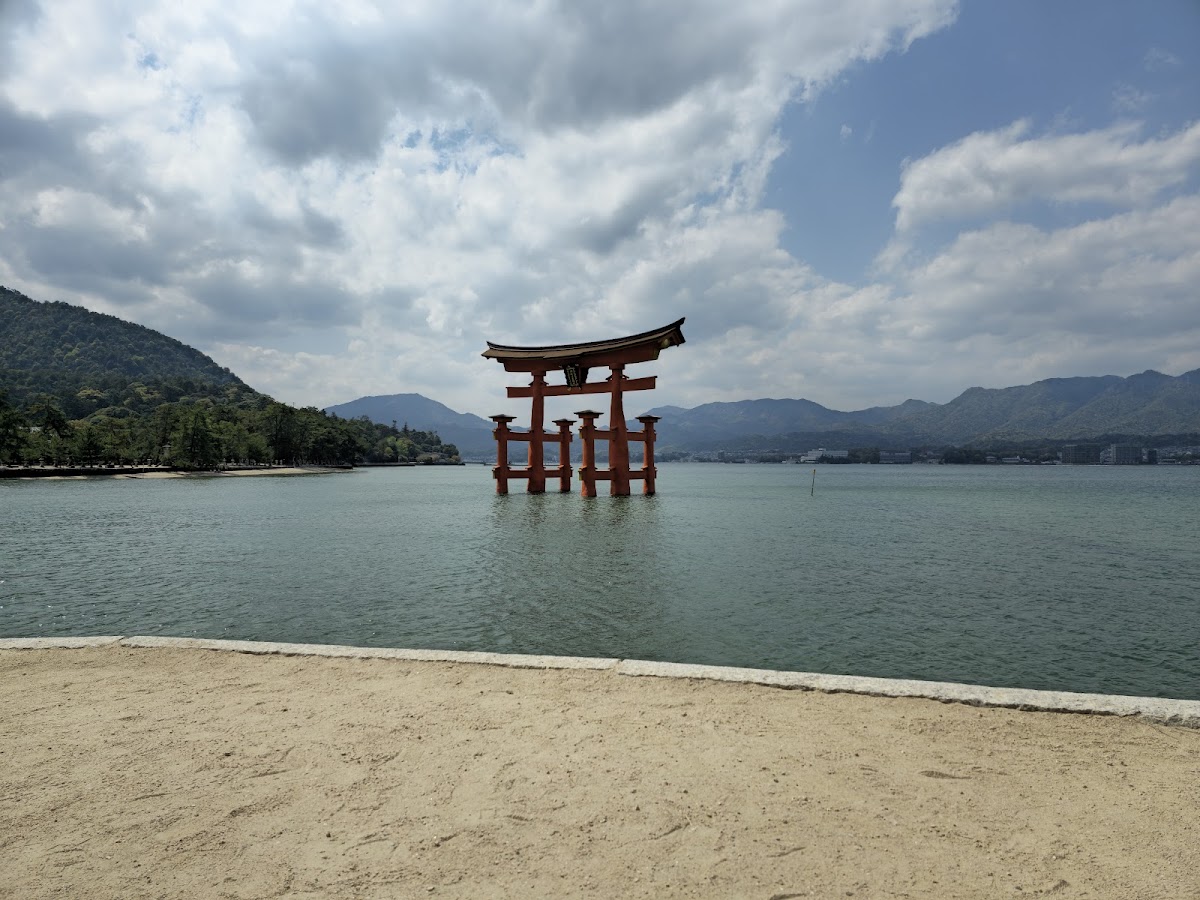
- High Tide (Tide level 250cm or higher): You can see the fantastic sight of the shrine buildings floating on the sea. Sightseeing boats that approach the Great Torii Gate also operate.
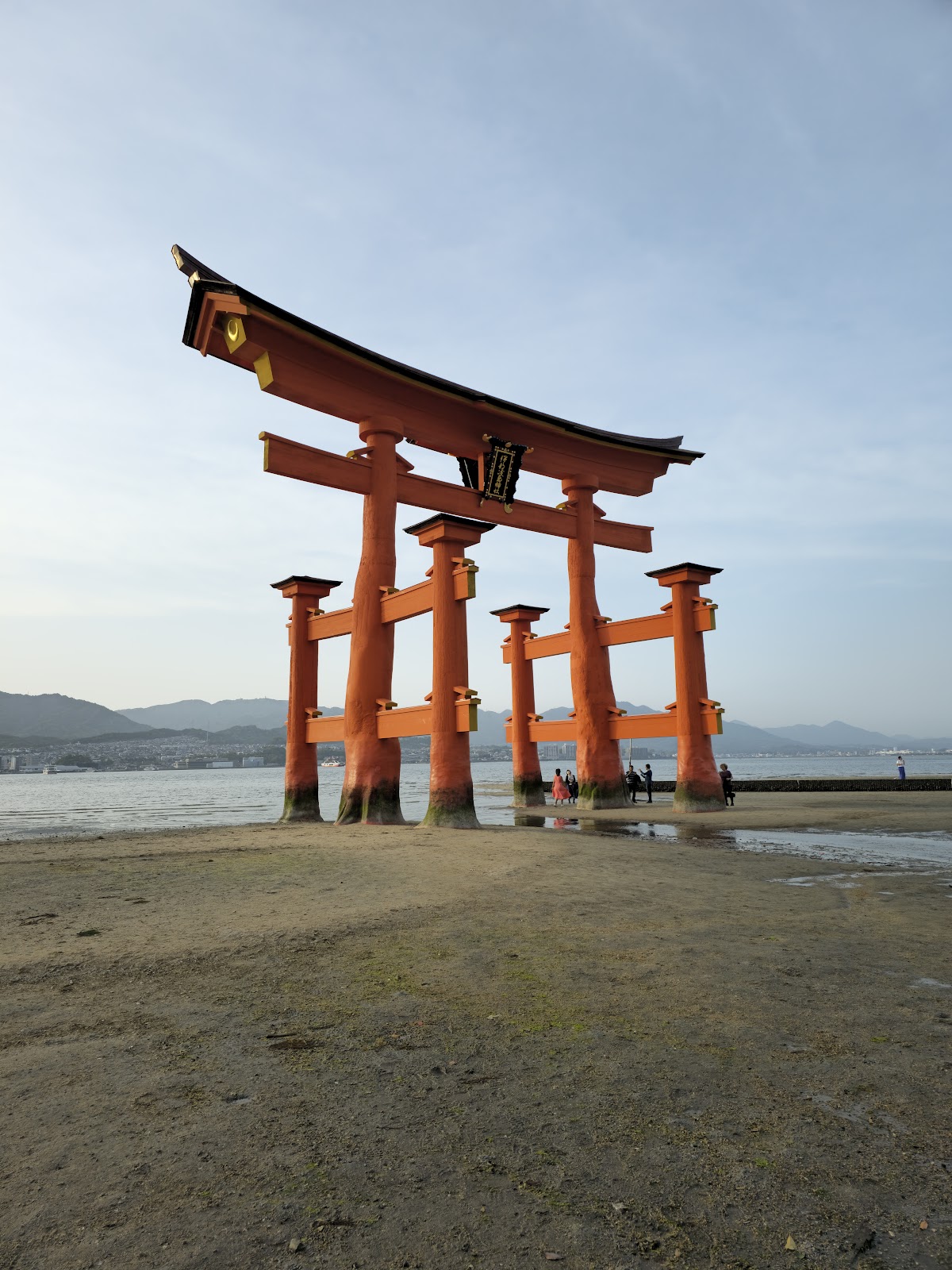
- Low Tide (Tide level below 100cm): You can walk to the Great Torii Gate and observe the lower structure of the shrine up close.
Tide tables can be checked on the Miyajima Tourism Official Website. Ideally, it is recommended to experience both high and low tide.
Etiquette for Worship
- In-Shrine Worship: For a donation of 300 yen, you can proceed closer to the main shrine and worship from a closer vantage point.
- Walking the Corridor: The vermilion-painted corridor extends over the sea, and you can see the sea surface through the gaps in the floorboards. Enjoy the scenery as you walk slowly.
- Photo Spot: The view of the Great Torii Gate from the worship hall is a classic. The light is especially beautiful in the early morning and at dusk.
Must-See Attractions
- High Stage: A stage located in front of the flat stage where Bugaku (court dance and music) is performed. Important Cultural Property
- Hirabutai: A wooden stage extending over the sea. At high tide, it appears to float on the water.
- Soribashi: A bridge used when imperial envoys visited the shrine. A beautiful arched bridge with a steep slope.
Benefits
Main Benefits
The three Munakata goddesses enshrined at Itsukushima Shrine have been known since ancient times for the following benefits:
- Traffic Safety and Maritime Safety: Worshipped as the guardian deity of maritime traffic.
- Business Prosperity: Due to the deep faith of Taira no Kiyomori, it is also believed to bring success in business and career advancement.
- Matchmaking and Romantic Fulfillment: With three goddesses enshrined here, many visitors come to pray for good fortune in love.
- Improvement in Performing Arts: Due to the history of the Taira clan offering court music and dance, it attracts worshippers seeking improvement in their artistic skills.
Amulets and Goshuin (Shrine Seals)
At the shrine office, popular items include the unique rice paddle-shaped amulet and victory amulets (for guaranteed victory). Goshuin can be obtained at the main shrine as well as at the subsidiary shrines within the grounds.
Access
Access to Miyajima
By JR:
- Get off at JR Sanyo Main Line “Miyajimaguchi Station” → 5-minute walk to the ferry terminal
- Approximately 25 minutes from Hiroshima Station to Miyajimaguchi Station (using the rapid train)
By Hiroshima Electric Railway:
- Get off at Hiroshima Electric Railway Miyajima Line “Hiroden Miyajimaguchi Station” → 1-minute walk to the ferry terminal
- Approximately 70 minutes from Hiroshima city
Ferry:
- Use JR West Japan Miyajima Ferry or Miyajima Matsudai Kisen
- Travel time: Approximately 10 minutes
- Fare: 180 yen one way (adult)
- Operating frequency: Every 15 minutes (increased service during peak season)
From Miyajima Pier to Itsukushima Shrine
Approximately 12-minute walk from Miyajima Pier to the main hall of Itsukushima Shrine. The approach to the shrine, which passes through Omotesando Shopping Street, is lined with souvenir shops and restaurants where you can enjoy local specialties such as momiji manju (maple leaf-shaped steamed buns) and oyster dishes.
Visiting Hours and Admission Fees
- Opening Hours: 6:30 AM – 6:00 PM (may vary depending on the season)
- Entrance Fee: Adults 300 yen, High school students 200 yen, Elementary and junior high school students 100 yen
- Estimated Time Required: Approximately 30-40 minutes for shrine visits only; 2-3 hours including exploring the surrounding area
Precautions When Visiting
- No Feeding Deer: The deer on Miyajima are wild animals. Be careful as they will approach if you show them food.
- Footwear: The corridors are made of wood and can be slippery, so comfortable walking shoes are recommended.
- Crowded Seasons: The shrine is extremely crowded during the autumn foliage season (November), Golden Week, and the New Year holidays. Early morning visits are recommended.
- Weather: Visits may not be possible during typhoons or high tides. Please check official information beforehand.
Summary
The main hall and worship hall of Itsukushima Shrine are national treasures that embody the pinnacle of Japanese architecture, and it is a unique sacred site that changes its appearance with the ebb and flow of the tide. When visiting, check the tide table and enjoy the shrine’s appearance at both high and low tide to experience the charm of Itsukushima Shrine more deeply.