Jōdoji Temple (Zama City, Kanagawa Prefecture) Complete Guide | History, Goshuin (Temple Seal), Access, and Sagami Seven Lucky Gods Pilgrimage
Located in Yotsuya, Zama City, Kanagawa Prefecture, Jōdoji Temple is known as a Jōdo sect temple dedicated to Ebisu, one of the Sagami Seven Lucky Gods. Founded around 1570 (Genki era), this historic temple has been a center of local faith for over 450 years. This article comprehensively covers information useful for those considering a visit to Jōdoji Temple, including its history, goshuin (temple seal), highlights within the temple grounds, access methods, and cemetery information.
Basic Information about Jōdoji Temple
Location and Access
Address: 489 Yotsuya, Zama City, Kanagawa Prefecture 252-0025
Phone Number: 046-254-5365
Sect: Jōdo-shū (Pure Land Buddhism)
Head Temple: A branch temple of Daizenji Temple (Hachioji City, Tokyo)
Transportation Access
Both public transport and car are convenient for accessing Jōdoji Temple.
Access by Train:
- Approximately 6-10 minutes on foot (approx. 540m) from Iriya Station on the JR Sagami Line
- Approximately 15 minutes on foot from Zama Station on the Odakyu Odawara Line
- Approximately 20 minutes on foot from Aibudai-shita Station on the JR Sagami Line
Access by Bus:
- Available via the Zama City Community Bus “Zamarin-go”
Access by Car:
- Access via Prefectural Road from National Route 246
- Parking: Parking space available for visitors on the temple grounds
The temple is within walking distance of Iriya Station on the JR Sagami Line and is located in a quiet residential area.
History and Origins of Jōdoji Temple
History of Founding
Jōdoji Temple is said to have been founded during the Genki era (1570-1573). This period was the end of the Sengoku period, when the Odawara Hojo clan ruled the Kanto region.
History of Founding:
- Founder: Ichibei, a villager of Yotsuya Village
- Founding Priest: Ganyo Mon’etsu Shonin
- Principal Image: Amida Buddha
- Attendant Bodhisattvas: Kannon Bodhisattva, Seishi Bodhisattva
The temple’s origins lie in the establishment of a temple by Ichibei, a prominent local figure, as a spiritual center for the people of Yotsuya Village (present-day Yotsuya, Zama City). The founding priest, Ganyo Mon’etsu Shonin, dedicated himself to spreading the teachings of the Jodo sect and built a strong foundation of faith in the region.
Relationship with Daizenji Temple (Jodo Sect)
Jodo-ji Temple is positioned as a branch temple of Daizenji Temple (Jodo sect) located in Hachioji City, Tokyo. Daizenji Temple was an important Jodo sect temple in Musashi Province (present-day Tokyo and Saitama Prefectures), and many temples in the surrounding area were under its umbrella.
The Jodo sect was founded by Honen Shonin (1133-1212) and teaches that anyone can attain rebirth in the Pure Land by chanting the Nembutsu, “Namu Amida Butsu.” Jodo-ji Temple has also spread Nembutsu faith to the local people based on this teaching.
Development since the Edo Period
Throughout the Edo period, Jodo-ji Temple functioned as the family temple of Yotsuya Village, conducting funerals and memorial services for the villagers. A memorial tower erected in 1758 (Horeki 8) during the mid-Edo period still exists on the temple grounds, conveying the state of faith at that time.
Despite the impact of the anti-Buddhist movement of the Meiji era, the temple was maintained with the support of the local people and continues to preserve its teachings to this day.
Principal Image and Buddhist Statues
Amida Buddha (Principal Image)
The principal image of Jodo-ji Temple is Amida Buddha. Amida Buddha is the principal deity of the Western Pure Land, and is said to possess immeasurable light and immeasurable life. In the Jodo sect, it is taught that by believing in Amida Buddha’s vow and chanting the Nembutsu (invocation of Amida Buddha), one can attain rebirth in the Pure Land after death.
Attendant Deities:
- Kannon Bodhisattva: A Bodhisattva symbolizing compassion
- Seishi Bodhisattva: A Bodhisattva symbolizing wisdom
This triad is called the “Amida Triad” and is a typical principal image in Jodo sect temples.
Ebisu (Sagami Seven Lucky Gods)
One of the most distinctive features of Jodo-ji Temple is that it enshrines Ebisu, one of the deities on the Sagami Seven Lucky Gods pilgrimage.
Ebisu-ten:
- God of business prosperity and abundant harvests
- Depicted holding a fishing rod in his right hand and a sea bream in his left
- The only god of Japanese origin among the Seven Lucky Gods
The Sagami Seven Lucky Gods pilgrimage is a religious event that involves visiting seven temples and shrines scattered throughout the Sagami region of Kanagawa Prefecture. Jodo-ji Temple is responsible for Ebisu-ten. Many worshippers visit during the New Year’s pilgrimage period.
Highlights of the Temple Grounds
Main Hall
The main hall of Jodo-ji Temple is a building in the traditional Japanese architectural style. The principal image, Amida Buddha, is enshrined inside, and daily services and religious ceremonies are held there.
Memorial Tower (Erected in 1758)
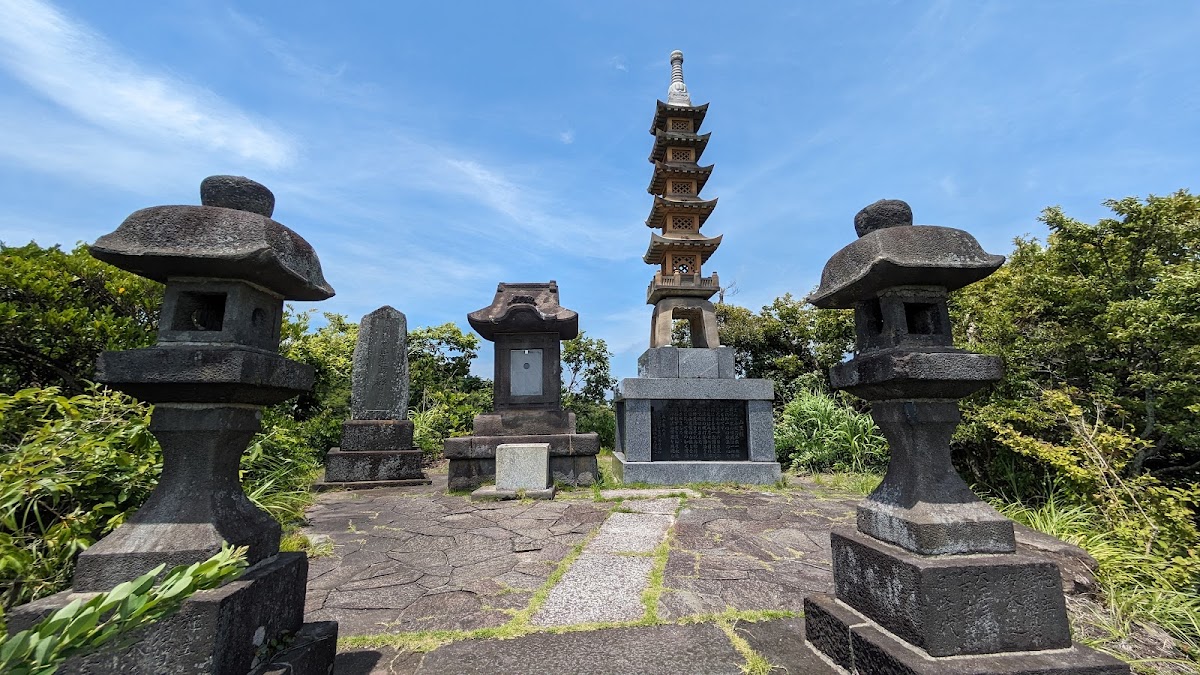
A memorial tower erected in 1758 (Horeki 8) still exists on the temple grounds. This memorial tower, a stone structure from the mid-Edo period, possesses valuable cultural significance and serves as an important historical document for understanding the stonemasonry techniques and religious beliefs of the time.
With a history of over 260 years, this memorial tower is believed to have been built for ancestral veneration and the repose of aborted fetuses, reflecting the deep faith of the local people.
Ebisu Hall
This hall enshrines Ebisu, one of the Seven Lucky Gods of Sagami, and attracts worshippers praying for business prosperity and family safety. It is particularly bustling with worshippers during the New Year’s Seven Lucky Gods pilgrimage.
Atmosphere of the Temple Grounds
Although Jodo-ji Temple is located in a residential area, the temple grounds are enveloped in a tranquil atmosphere. The well-maintained gardens and trees display different expressions throughout the seasons, providing peace and tranquility to visitors.
About Goshuin (Temple Seals)
Issuance of Goshuin
Jodo-ji Temple offers Goshuin (temple seals). Goshuin (temple stamps) are popular among many visitors as proof of worship and as a way to forge a connection with the temple.
Features of Goshuin:
- Written in ink with “Jodo-ji”
- Stamped with the temple’s official seal
- Special goshuin available for the Sagami Seven Lucky Gods pilgrimage
Goshuin Reception Hours
Goshuin issuance hours may vary depending on the temple’s circumstances. To ensure you receive a goshuin, it is recommended to confirm by phone in advance.
Estimated Reception Hours:
- Approximately 9:00 AM to 4:00 PM (estimate)
- May not be available during memorial services or events
Goshuin for the Sagami Seven Lucky Gods Pilgrimage
During the Sagami Seven Lucky Gods pilgrimage period (mainly around New Year’s), you can collect the goshuin of the Seven Lucky Gods on special shikishi (decorative paper) or goshuincho (stamp book). Jodo-ji Temple offers a goshuin of Ebisu, which is popular among visitors praying for business prosperity and a bountiful catch.
Annual Events and Memorial Services
Main Annual Events
Jodo-ji Temple observes annual events based on the traditions of the Jodo sect.
New Year’s Day/First Shrine Visit:
- New Year’s visits and a pilgrimage to the Sagami Seven Lucky Gods
- Bustling with worshippers of Ebisu-ten
Spring and Autumn Equinox Services:
- Memorial services for ancestors
- Held during the O-higan period
Obon (Urabon-e):
- Events to welcome the spirits of ancestors
- Includes Segaki memorial services
New Year’s Eve Bell Ringing:
- An event to ring the bell on New Year’s Eve
- To dispel worldly desires and welcome the New Year
Memorial Services and Offerings
Jodo-ji Temple holds various memorial services and offerings.
- Funeral and memorial services (first seven days, forty-ninth day, first anniversary, etc.)
- Ancestor memorial services
- Memorial services for stillborn babies
- Perpetual memorial services
Cemetery and burial ground information
Overview of Jōdoji Cemetery
Jōdoji Temple operates a temple cemetery, providing burial plots to parishioners and the general public under the name “Jōdoji Cemetery.”
Cemetery Features:
- A safe temple cemetery managed and operated by a temple.
- Conveniently located a 6-minute walk from Iriya Station on the JR Sagami Line.
- Please confirm religious affiliation/sect.
- Supports modern memorial services such as perpetual memorial graves and tree burials.
Types of Cemeteries
General Graves:
- Traditional family graves.
- Can be passed down through generations.
Perpetual Memorial Graves:
- Peace of mind for those without successors.
- Temple provides perpetual memorial services and management.
Tree Burial/Columbarium:
- A memorial service tailored to modern lifestyles.
- Please contact the temple for details.
Cemetery Visits and Consultations
For cemetery visits and detailed cost information, we recommend contacting the temple in advance.
Contact Information:
- Phone: 046-254-5365
- Reservations are recommended for visits.
Attractions Around Jōdoji Temple
Historical and Cultural Spots in Zama City
When visiting Jōdoji Temple, you can also visit other historical sites and tourist spots in Zama City.
Zama Shrine:
- The main guardian shrine of Zama City
- A historical shrine
Hoshiya-ji Temple:
- One of the Sagami Seven Lucky Gods (Hotei)
- The eighth temple of the Bandō Thirty-Three Kannon Pilgrimage
Yatoyama Park:
- A nature-rich rural park
- Ideal for walks and birdwatching
Sagami Seven Lucky Gods Pilgrimage
Jōdoji Temple is one of the temples on the Sagami Seven Lucky Gods Pilgrimage. It is said that completing the pilgrimage will bestow seven blessings.
Composition of the Sagami Seven Lucky Gods:
- Ebisu (Jodo-ji Temple, Zama City)
- Daikokuten (Myohoji Temple, etc.)
- Bishamonten
- Benzaiten
- Fukurokuju
- Jurojin
- Hotei (Seiyaji Temple, Zama City)
During the New Year’s pilgrimage season, the temples are bustling with worshippers carrying special paper slips to visit the Seven Lucky Gods.
Manners and Precautions for Visiting a Temple
Basic Manners for Visiting a Temple
Bow at the Temple Gate:
- Bow before entering the temple grounds.
- Compose your mind before praying.
Ritual for Washing Hands:
- Cleanse your hands and mouth at the water basin.
- Cleanse your left hand, then your right hand, then your mouth.
Worship at the Main Hall:
- Quietly join your hands in prayer and chant the Nembutsu.
- Chant “Namu Amida Butsu.”
Photography
Photography of the temple grounds is generally permitted, but permission may be required for photography inside the main hall or of Buddha statues. Please check with temple staff before taking photos.
Clothing and Belongings
There are no specific dress code requirements, but please dress appropriately and respectfully for a temple.
Items to Bring:
- Goshuincho (stamp book) (if you wish to receive a Goshuin stamp)
- Prayer beads (if you have them)
- Offering money
Inquiries to Jodo-ji Temple
Contact Information
Jodo-ji Temple
Address: 489 Yotsuya, Zama City, Kanagawa Prefecture 252-0025
Phone: 046-254-5365
Examples of Inquiries
- Regarding the issuance of Goshuin stamps
- Regarding cemeteries and perpetual memorial services
- Requests for memorial services and ceremonies
- Confirmation of visiting hours
- Regarding the Sagami Seven Lucky Gods pilgrimage
Telephone inquiries are best made between 9:00 AM and 5:00 PM. Please note that there may be times when we are unable to respond, such as during memorial services.
Summary
Jodo-ji Temple in Zama City, Kanagawa Prefecture, is a historical Jodo sect temple founded during the Genki era (around 1570). As a temple dedicated to Ebisu, one of the Seven Lucky Gods of Sagami, and as a local family temple, it has attracted the faith of people for over 450 years.
Conveniently located just a 6-minute walk from Iriya Station on the JR Sagami Line, the temple grounds retain historical points of interest, including a memorial tower from the mid-Edo period. The temple also offers Goshuin (temple stamps), consultations on cemeteries and perpetual memorial services, and is a beloved temple that caters to diverse modern needs.
Jodo-ji Temple, one of the temples on the Sagami Seven Lucky Gods pilgrimage, is bustling with visitors during the New Year. Despite being located in a quiet residential area, it is a precious place of worship that bestows peace and good fortune upon its visitors. When you visit Zama City, why not pay a visit to Jodo-ji Temple?