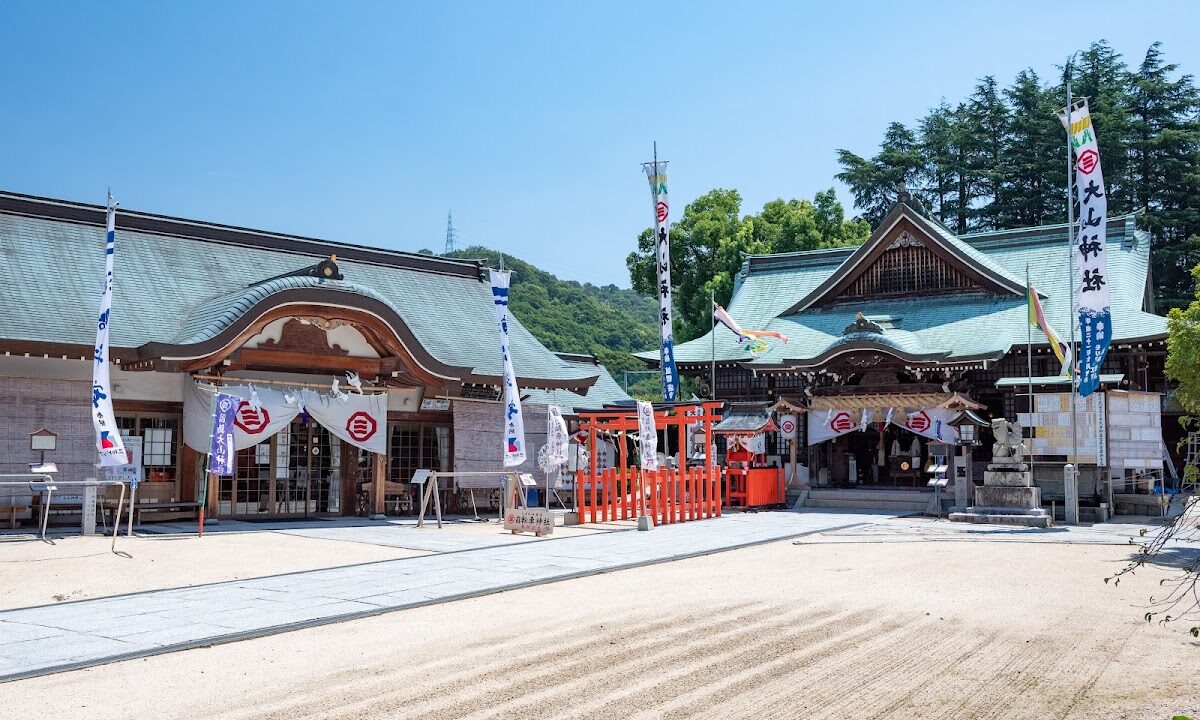
Complete Guide to Kaiyama Shrine (Mihara City, Hiroshima Prefecture) | Thorough Explanation of Deities, Access, and History
Kaiyama Shrine, located in Hongō-chō, Mihara City, Hiroshima Prefecture, is a historic shrine that has long been cherished by the local community. This article provides a detailed explanation of the shrine’s deities, history, access methods, and points to consider when visiting.
Basic Information about Kaiyama Shrine
Location
Address: 1-7-8 Hongō-kita, Mihara City, Hiroshima Prefecture
Kaiyama Shrine is located in the Hongō district of Mihara City and has long been a center of faith for the local residents. The Hongō district is located in the south-central part of Hiroshima Prefecture and is a tranquil area with a preserved historical townscape.
Corporate Information
Kaiyama Shrine is registered as a religious corporation, with corporate number 2240005011917. This information can also be confirmed on gBizINFO (corporate information), and its activities as a formal religious corporation are recognized.
About the Deities Enshrined
While there are differing accounts of the deities enshrined at Kaiyama Shrine in various sources, the following deities are generally believed to be worshipped:
Main Deities
- Tagirihime-no-Mikoto
- Tagitsuhime-no-Mikoto
- Ichikishimahime-no-Mikoto
These are known as the Munakata Three Goddesses, deities who preside over maritime safety and abundant catches. Given Hiroshima Prefecture’s geographical location facing the Seto Inland Sea, it is presumed that a belief in maritime safety was deeply rooted here.
Relationship with Tenman Shrine
Some sources also point to a connection with Tenman Shrine, suggesting the possibility of worship of Sugawara no Michizane, the god of learning. It is not uncommon for local shrines to enshrine multiple deities, reflecting the historical evolution of beliefs over time.
History and Origins of Kaiyama Shrine
Background of Founding
The exact founding date of Kaiyama Shrine is unclear due to limited existing documents, but it is believed to be closely related to the historical development of the Hongō district. The Hongō district has long flourished as a transportation hub, a bustling area with frequent movement of people.
Connection to the Community
For many years, Kaiyama Shrine has played a central role in the community as the tutelary shrine of the Hongō district. It has a history of functioning as a place to deepen the bonds among local residents through annual events and festivals.
Origin of the Name
The name “Kaiyama” likely represents both the worship of sea gods and its geographical location in a mountainous area. It could also be said to symbolize the topographical features of Hiroshima Prefecture, situated between the Seto Inland Sea and the Chūgoku Mountains.
Access
Nearest Station and Line
Nearest Station: JR Sanyo Main Line, Hongō Station
Kaiyama Shrine is approximately a 24-minute walk from Hongō Station. The path from the station to the shrine is a pleasant walking course, allowing you to enjoy the scenery of Hongo town.
Walking Route from Hongo Station
- Exit Hongo Station and head north.
- Head towards National Route 2.
- Arrive after passing through the residential area of Hongo Kita.
If walking is difficult, consider taking a taxi. There is a taxi stand in front of Hongo Station, and the shrine is about a 5-minute ride away.
Nearest Bus Stop and Route
If using public transportation, local bus routes such as Geiyo Bus operate, but the number of services is limited, so it is recommended to check the timetable in advance. The bus stop “Hongo Kita” is a relatively close stop.
Access by Car
If using the Sanyo Expressway:
- Approximately 10 minutes from Hongo Interchange
- Approximately 15 minutes from Mihara Kui Interchange
Regarding parking, due to the size of the shrine, there may not be a large dedicated parking lot. Confirmation is necessary before visiting.
Access from Hiroshima City
From central Hiroshima City to Kaiyama Shrine, it takes approximately one hour by JR Sanyo Main Line. You can take a local or rapid train from Hiroshima Station to Hongō Station.
Points to Note When Visiting
Visiting Hours
While the shrine is generally open for worship throughout the day, the shrine office may have limited opening hours. If you wish to obtain a Goshuin (shrine stamp) or amulet, it is recommended to contact the shrine in advance to confirm.
Shrine Visit Etiquette
- Bow before passing through the torii gate.
- Purify your body and mind at the water basin.
- Bow twice, clap twice, and bow once in front of the main hall.
- Express your gratitude quietly.
Annual Events
As a local shrine, the following annual events are likely to be held:
- New Year’s Visit (January 1st-3rd)
- Spring Grand Festival
- Summer Purification Ceremony (around June 30th)
- Autumn Grand Festival
- Niiname-sai Festival (around November 23rd)
For specific dates, please check local bulletin boards or contact the shrine directly.
Highlights of Kaiyama Shrine
Atmosphere of the Shrine Grounds
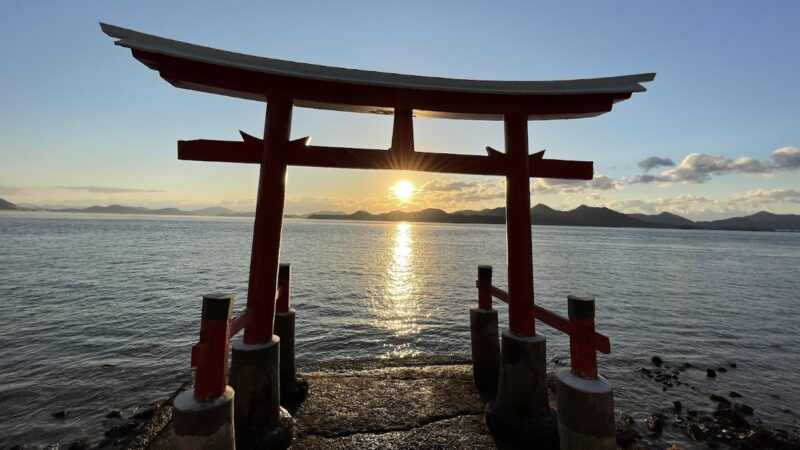
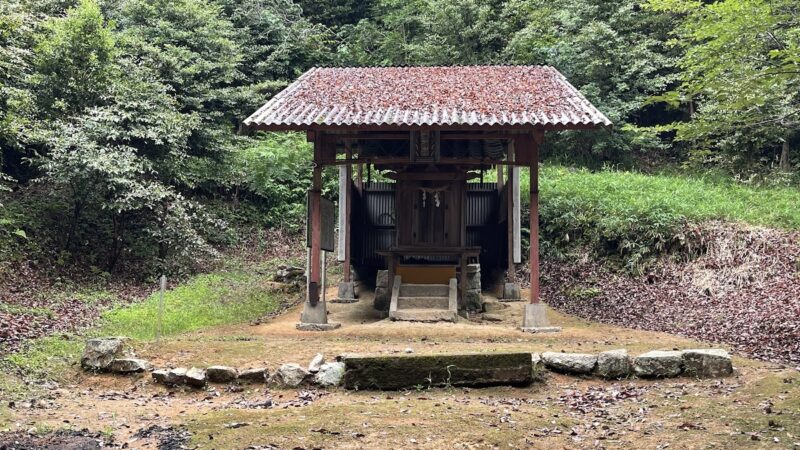
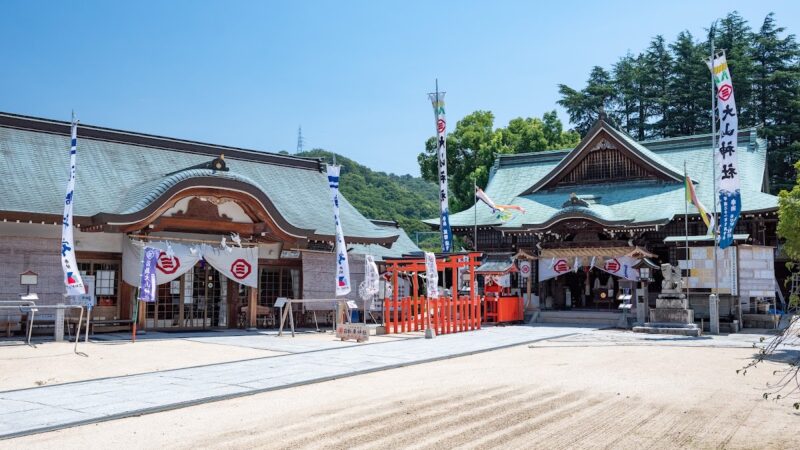
Located in the residential area of Hongō district, Kaiyama Shrine is a shrine with a calm atmosphere deeply rooted in the community. Unlike large-scale tourist shrines, this shrine exudes a tranquil atmosphere, serving as a place of daily worship for local residents.
Nearby Attractions
When visiting Kaiyama Shrine, we recommend also exploring the historical sites around the Hongō district:
- Hongō’s Old Townscape: Numerous historical buildings are scattered throughout.
- Other Shrines and Temples in Mihara City: Learn about the local religious culture.
- Seto Inland Sea Scenery: Beautiful ocean views a short distance away.
Mihara City and Surrounding Shrine Culture
Characteristics of Mihara City
Mihara City is located in the south-central part of Hiroshima Prefecture and is a port town known as the “City of Octopus.” Facing the Seto Inland Sea, it has flourished as a key point for maritime traffic since ancient times. Many historical sites remain, including the ruins of Mihara Castle.
Popular Shrines in the Higashihiroshima, Kure, and Mihara Area
The Higashihiroshima, Kure, and Mihara areas of Hiroshima Prefecture are home to many historical shrines:
- Oyama Shrine (Mihara City): Located in a scenic spot overlooking the Seto Inland Sea
- Kameyama Shrine (Kure City): Known as the guardian shrine of Kure
- Mitake Shrine (Higashihiroshima City): Dedicated to the god of sake brewing
Visiting these shrines allows you to experience the rich religious culture of the Setouchi region.
Popular Shrines in the Hiroshima Area
Looking at Hiroshima Prefecture as a whole, there are several famous shrines, including:
- Itsukushima Shrine (Miyajima, Hatsukaichi City): A representative Japanese shrine designated as a World Heritage Site and National Treasure
- Hiroshima Gokoku Shrine (Hiroshima City): The prefecture’s guardian shrine, located within Hiroshima Castle Park
- Hayatani Shrine (Hatsukaichi City): A shrine revered as the god of traffic safety
Popular Shrines in the Fukuyama and Onomichi Area
The Fukuyama and Onomichi areas in eastern Hiroshima Prefecture also have many distinctive shrines:
- Susanoo Shrine (Fukuyama City): Famous for its Chino-wa Kuguri (passing through a ring of reeds)
- Ushitora Shrine (Onomichi City): Also known as a filming location for movies
Enjoying Mihara Sightseeing in conjunction with a visit to Kaiyama Shrine
Mihara Gourmet
When visiting Mihara City, be sure to enjoy the local cuisine:
- Mihara Octopus: Fresh octopus dishes from the Seto Inland Sea
- Mihara-yaki: A local favorite okonomiyaki
- Setouchi Seafood: Dishes using fresh seafood
Accommodation
Mihara city and the surrounding area offer a variety of accommodations, from business hotels to hot spring inns. It’s also possible to visit on a day trip using a hotel in Hiroshima city as a base.
Tips for searching for hotels in Hiroshima:
- Hotels near JR stations offer convenient transportation
- Relax at a hot spring inn along the Seto Inland Sea
- Prioritize cost-effectiveness with a business hotel
Precautions when visiting
Regarding attire
While there are no strict dress code regulations, it is desirable to dress appropriately, mindful that it is a sacred place. Especially during festivals, it is recommended to avoid overly casual attire.
Photography
Photography is generally permitted on the shrine grounds, but please observe the following points:
- Refrain from taking photos inside the main hall.
- Be considerate of other worshippers.
- Avoid using flash photography.
- When posting on social media, respect the sacredness of the place.
Regarding Goshuin (Shrine Seals)
If you wish to receive a Goshuin, it is recommended to check in advance whether it is available and the reception hours. Smaller shrines may not have a resident priest, so prior contact is necessary if you want to be sure to receive one.
The Significance of Visiting Kaiyama Shrine
Experiencing Local History
Visiting Kaiyama Shrine is a valuable opportunity to experience the history and culture of the Hongō district of Mihara City. You can experience a simple, community-based form of faith, different from large-scale tourist shrines.
A Quiet Worship Experience
At Kaiyama Shrine, which is rarely crowded with tourists, you can worship in a calm atmosphere. Away from the hustle and bustle of everyday life, the time spent quietly offering prayers will bring peace to your heart.
Interacting with the Local Community
Visiting a shrine cherished by locals allows you to learn about the lives and faith of the people in the area. During festival seasons, you may feel a strong sense of community.
Summary
Kaiyama Shrine, located in Hongōkita, Mihara City, Hiroshima Prefecture, is a historical shrine deeply rooted in the local community. It enshrines the three Munakata goddesses and has long been a beloved place of worship for local residents, where they pray for maritime safety and regional prosperity.
Accessible approximately 24 minutes on foot from JR Hongō Station, the shrine, nestled in a quiet residential area, possesses a tranquil atmosphere unlike large tourist shrines. When visiting Mihara City, be sure to visit Kaiyama Shrine along with local cuisine and sightseeing spots.
A visit to Kaiyama Shrine, steeped in local history and culture, will surely be a memorable experience. Before visiting, please check the latest information and be mindful of proper etiquette during your visit.