Kaizenji Temple (Zushi City, Kanagawa Prefecture) Complete Guide | History, Cultural Properties, Access, and Cemetery Information
Kaizenji Temple, nestled on a hill in Kotsubo, Zushi City, Kanagawa Prefecture, is a historic Jishu sect temple founded in 1376. As its name suggests, it boasts a scenic location overlooking the sea, and is known as a scenic spot offering panoramic views of Zushi Marina and Sagami Bay. This article comprehensively introduces information useful for those considering visiting or purchasing a burial plot at Kaizenji Temple, including its detailed history, important cultural properties, transportation access, and cemetery information.
Basic Information about Kaizenji Temple
Official Name: Kuyōzan Sanpōin Kaizenji Temple
Address: 5-10-17 Kotsubo, Zushi City, Kanagawa Prefecture 249-0008
Phone Number: 0467-25-4840
Sect: Jishu Sect
Principal Image: Wooden Standing Amida Triad Statue (Zushi City Designated Important Cultural Property)
Founding: Eiwa 2 (1376)
Founder: Gen’a Shōnin
Kaizenji Temple is the only Jishu sect temple in Zushi City and has a history of being established as a Buddhist prayer hall for the fishermen of Kotsubo. From the temple grounds, built on a steep slope, you can enjoy beautiful views of Zushi Marina and Sagami Bay, truly appreciating the origin of the temple’s name, Kaizenji (meaning “seaside temple”).
History and Origin of Kaizenji Temple
Background of Founding and Connection with Kotsubo Fishermen
Kaizenji Temple was founded in 1376 (Eiwa 2) by the Venerable Gen’a. This period was the early Muromachi period, a time when the teachings of the Jishu sect were widely accepted by the common people.
The purpose of its founding was to establish a Nembutsu (Buddhist chanting) hall for the fishermen of Kotsubo. Kotsubo has long been a thriving fishing area, and Kaizenji Temple played an important role in commemorating fishermen who lost their lives at sea and as a spiritual haven for the fishermen. Its location facing the sea truly symbolizes its deep connection with the fishermen.
Characteristics as a Jishu Sect Temple
The Jishu sect is a branch of Pure Land Buddhism founded by the Venerable Ippen during the Kamakura period. It taught that anyone can attain rebirth in paradise by chanting “Namu Amida Butsu.” Known for its dancing Nembutsu, the Jishu sect was widely accepted by the people regardless of social status or wealth.
Kaizenji Temple, as the only Jishu sect temple in Zushi City, was a central figure in Jishu faith in the region. Abbot Gen’a spread the teachings of Jishu to the fishermen of Kotsubo and established Kaizenji Temple as a center for chanting the Buddha’s name.
Development during the Edo Period and Retirement Residence for Successive Jishu Abbots
During the Edo period, Kaizenji Temple also came to be used as a retirement residence for successive Jishu abbots. Its scenic location overlooking the sea made it an ideal environment for a life of seclusion.
During this period, Kaizenji Temple developed from a simple chanting hall for fishermen to a temple occupying an important position within the Jishu sect. The temple grounds were also developed, and the foundation of the present-day temple complex was formed around this time.
Kaizenji Temple in the Modern Era
Despite the impact of the anti-Buddhist movement and the separation of Shinto and Buddhism after the Meiji Restoration, Kaizenji Temple continued to exist as a center of faith in the region. From the Showa to the Heisei era, efforts were made to improve the cemetery and preserve cultural properties, and it is now recognized as an important cultural heritage of Zushi City.
Cultural Properties and Highlights of Kaizenji Temple
Wooden Standing Amida Triad Statues (Zushi City Designated Important Cultural Property)
The wooden standing Amida Triad statues, the principal image of Kaizenji Temple, are designated as an Important Cultural Property of Zushi City. These three statues are composed as follows:
Central Figure – Amida Buddha Statue: He is making the so-called “Jōbon Geshō” (superior grade of rebirth) mudra. This is one of the nine grades of rebirth, and is the mudra used when welcoming the deceased into the Pure Land.
Attendant Figure – Kannon Bodhisattva Statue: He is depicted holding a lotus pedestal. This symbolizes his role in guiding the souls of the deceased to the Pure Land on the lotus pedestal.
Attendant Figure – Seishi Bodhisattva Statue: He is depicted with his hands clasped in prayer. This Bodhisattva, illuminating all with the light of wisdom, guides those who attain rebirth in paradise.
This triad of statues exhibits a typical form of the Raigo Triad, possessing a sculptural beauty befitting a principal image of a Jishu sect temple. While there are various theories regarding its creation date and artist, it is estimated to have been made between the Muromachi and early Edo periods.
Views from the Temple Grounds
One of the greatest attractions of Kaizenji Temple is the magnificent view it offers from its location. From the temple grounds, situated on a hill, you can enjoy:
- Zushi Marina: A modern marina facility spread out below
- Sagami Bay: On clear days, the Izu Peninsula and Mount Fuji can be seen
- Kotsubo Fishing Port: A view of the fishing port, which has deep ties to Kaizenji Temple
- Hiroyama: The lush green landscape of Hiroyama on the opposite shore
All of these can be seen in one panorama. The view at sunset is particularly beautiful, making it an excellent spot to watch the sun sinking into Sagami Bay.
Architecture of the Main Hall and Temple Grounds
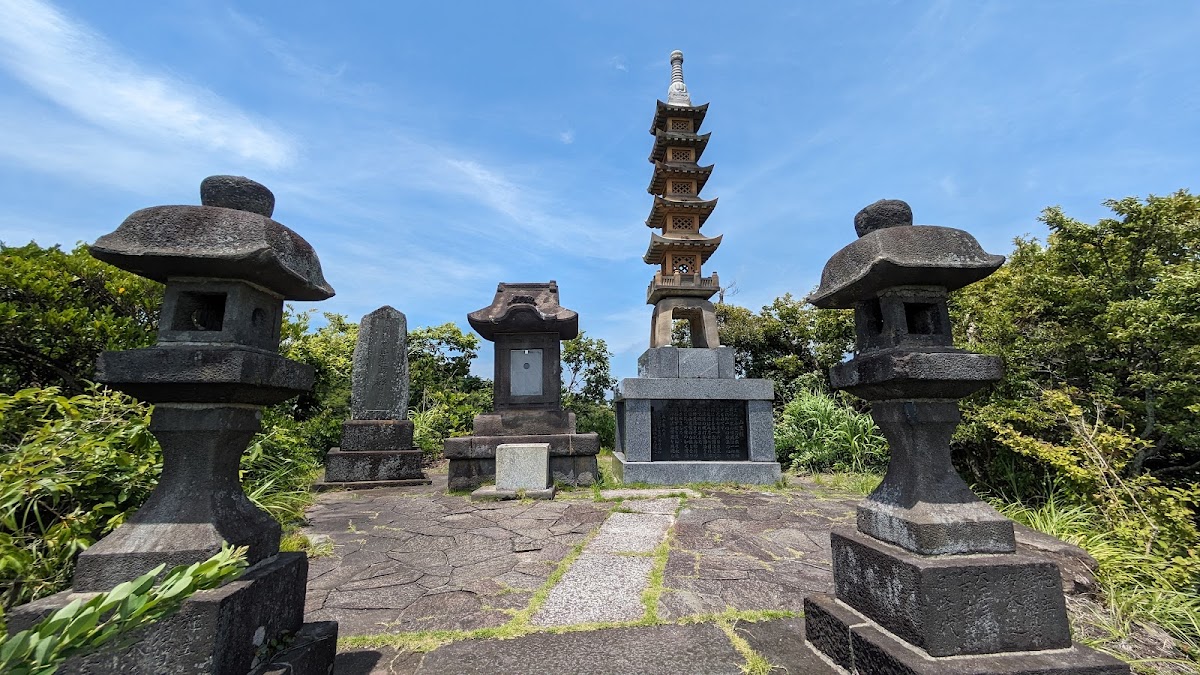
The main hall of Kaizenji Temple has a distinctive structure built on a steep slope. Upon ascending the stone steps and entering the temple grounds, one is greeted by the small yet charming main hall.
The temple grounds are meticulously maintained, and the seasonal flowers and trees delight visitors. The cherry blossoms and plum blossoms in spring, and the hydrangeas in early summer are particularly beautiful, displaying different expressions with each season.
How to Access Kaizenji Temple
Access by Train and Bus
Nearest Station: JR Yokosuka Line “Zushi Station” or Keikyu Zushi Line “Zushi-Hayama Station”
Access from the Station:
- By Bus: Take the Keikyu Bus “bound for Kamakura via Kotsubo” from Zushi Station or Zushi-Hayama Station, get off at the “Kotsubo” bus stop, and walk for about 5 minutes.
- On Foot: Approximately 25 minutes on foot from Zushi Station, or about 30 minutes on foot from Zushi-Hayama Station. The route along the coast offers beautiful scenery, making it an enjoyable stroll.
- Taxi: Approximately 10 minutes from Zushi Station or Zushi-Hayama Station, fare approximately 1,000 yen.
Access by Car
Nearest Interchange: Approximately 10 minutes from the Zushi Interchange on the Yokohama-Yokosuka Expressway.
Route: Exit the Zushi Interchange and head towards Kamakura on National Route 134 (Shonan Road). Turn left at the Kotsubo intersection and drive up the hill through the residential area.
Parking: There is some parking space on the temple grounds, but the number of spaces is limited. We recommend calling ahead to confirm availability. Also, please drive carefully as some roads are narrow.
Access from Kamakura
Take a bus from Kamakura Station bound for Zushi Station via Kotsubo and get off at the Kotsubo bus stop. Alternatively, walk along the coast from Kamakura for approximately 30 minutes. You can enjoy a stroll along the coastline from Zaimokuza Beach to Kotsubo.
Information on Kaizenji Temple’s Cemetery
Features of the Cemetery
Kaizenji Temple has a general cemetery, and it is possible to purchase a new burial plot (subject to availability). The main features are as follows:
Attractive Location: Located on a hill overlooking the sea, it offers a scenic environment for commemorating the deceased.
Religious Affiliation: While membership in the Jishu sect is generally required, please contact the temple directly for details.
Management System: The temple provides appropriate management, and the grounds are kept clean.
Cemetery Usage Fees and Costs
Cemetery usage fees and perpetual usage fees vary depending on the size and location of the plot. Specific pricing information is as follows:
- Perpetual Use Fee: Varies depending on the plot and conditions; please inquire directly with the temple.
- Annual Management Fee: Costs for the maintenance and management of the cemetery.
- Gravestone Construction Fee: Separate fee required (varies depending on the stonemason).
For accurate pricing, we recommend contacting Kaizenji Temple directly (Tel: 0467-25-4840) or requesting information through a cemetery introduction service.
Flow from Purchase of a Burial Plot to Interment
- Visit and Consultation: First, visit Kaizenji Temple to check the atmosphere and location of the cemetery. Discuss conditions and costs with the head priest.
- Application: Once you are satisfied with the conditions, apply for burial plot use. Submit the necessary documents and sign a contract.
- Payment of Perpetual Use Fee: After the contract is signed, pay the perpetual use fee.
- Construction of the Tombstone: A stonemason is selected, and the design and type of stone for the tombstone are decided. Construction usually takes about 2-3 months.
- Consecration Ceremony: After the tombstone is completed, the head priest performs a consecration ceremony (soul-imbuing).
- Interment: The cremated remains are interred. An interment ceremony is held to commemorate the deceased.
About Perpetual Memorial Graves
In recent years, the number of people requesting perpetual memorial graves has increased due to concerns about the lack of successors and the reduction of maintenance burdens. For information regarding perpetual memorial services at Kaizenji Temple, please contact the temple directly.
General advantages of perpetual memorial graves:
- Perpetual memorial services are provided even without successors.
- Annual maintenance fees are unnecessary or low.
- Gravestone construction costs are often reduced.
Comparison with other temples in Zushi City
Differences from Kaihoin Temple
In the same Kotsubo district of Zushi City, there is also a Rinzai Zen temple called Kaihoin. Kaihoin was founded in 1590 (Tensho 18), approximately 200 years after Kaizenji Temple. Its principal image is the Eleven-Faced Kannon Bodhisattva (a Zushi City designated cultural property).
Features of Kaizenji Temple:
- Jishu sect temple (the only one in Zushi City)
- Older history (founded in 1376)
- Deep ties with fishermen
- Excellent view of the sea
Features of Kaihoin Temple:
- Rinzai sect, Kenchoji branch
- Connection with Tokugawa Ieyasu
- Eleven-faced Kannon Bodhisattva as principal image
Other Cemeteries and Burial Grounds in Zushi City
There are several other temple cemeteries and burial grounds in Zushi City:
- Enmeiji Temple: Jodo sect temple
- Iwadono-ji Temple: Ancient Shingon sect temple
- Public Cemetery: Zushi City-operated cemetery (application period and conditions apply)
Each differs in location, sect, cost, and atmosphere, so we recommend visiting several and comparing them.
Tourist Attractions Around Kaizenji Temple
Kotsubo Fishing Port
Kotsubo Fishing Port, located below Kaizenji Temple, is a vibrant fishing port where fishing is still conducted today. There are many restaurants serving fresh seafood, allowing you to enjoy local delicacies after visiting the temple.
Zushi Marina
Zushi Marina, known as a yacht harbor, is a resort-like area. With restaurants and shops, you can enjoy a stroll along the seaside.
Zaimokuza Beach and Kotsubo Beach
The coastline stretching from Zaimokuza Beach to Kotsubo Beach in Kamakura is ideal for a stroll. It can also be used as an access route to Kaizenji Temple, allowing you to visit the temple while enjoying the ocean view.
Hiroyama Park
Hiroyama Park, located across from Zushi Marina, is an observation spot offering panoramic views of the Zushi and Hayama area. Visiting it in conjunction with Kaizenji Temple will allow you to gain a deeper understanding of the region’s topography and scenery.
Manners and Precautions for Visiting the Temple
Attire for Visiting
For regular visits, no special attire is required, but clean and subdued clothing is preferred. When visiting the cemetery or attending memorial services, slightly more formal attire is recommended.
Photography
Photography of the temple grounds and views is generally permitted, but it is advisable to obtain permission in advance for photography of the interior of the main hall or cultural artifacts. Please also be considerate of other visitors and those paying respects at gravesites.
Notes on Access
- The path to the temple grounds includes steep slopes and stone steps. Comfortable walking shoes are recommended.
- If accessing by car, please drive carefully as some sections of the road are narrow.
- Parking space is limited, so using public transportation is recommended if possible.
Visiting Hours
There are no specific visiting hours, but it is recommended to avoid early morning and late-night visits and visit during reasonable hours (around 9:00 AM to 5:00 PM). If you wish to visit the cemetery or have a detailed consultation, it is best to contact the temple by phone in advance.
Annual Events at Kaizenji Temple
As a Jishu sect temple, Kaizenji Temple holds various memorial services and events throughout the year:
Main Annual Events
- Shushō-e: New Year’s memorial service
- Spring and Autumn Equinox Services: Memorial services for the equinoxes
- Urabon-e: Memorial services for the Obon festival
- Segaki-e: Memorial service for ancestors
For specific dates and participation methods, please contact the temple directly.
Frequently Asked Questions about Kaizenji Temple
Q: Can non-parishioners visit Kaizenji Temple?
A: Yes, anyone is welcome to visit. However, there may be parishioner requirements and conditions regarding the use of the cemetery or requests for memorial services, so please contact the temple for details.
Q: What is the availability of cemetery plots?
A: Cemetery plot availability varies depending on the time of year. For the latest information, we recommend contacting Kaizenji Temple directly (Tel: 0467-25-4840) or requesting information through a cemetery referral service.
Q: Can I use the cemetery even if I belong to a different sect than Jishu?
A: While it is generally assumed that you will be a member of the Jishu sect, there may be some flexibility in the conditions. Please consult directly with the temple for details.
Q: Can I view the cultural properties of Kaizenji Temple?
A: The principal image, a wooden standing statue of Amida Triad, is enshrined in the main hall. Normally, it is viewed from the outside, but if you wish to view it in more detail, we recommend contacting the temple in advance.
Q: Is there parking available?
A: There is some parking space on the temple grounds, but the number of spaces is limited. It may be particularly crowded during memorial services and on weekends, so we recommend using public transportation.
Summary: The Charm and Value of Visiting Kaizenji Temple
Located in Kotsubo, Zushi City, Kanagawa Prefecture, Kaizenji Temple is a Jishu sect temple with a long history, founded in 1376. As the only Jishu sect temple in Zushi City, it has developed in close connection with the fishermen of Kotsubo.
Main Charms of Kaizenji Temple:
- Historical Value: Approximately 650 years of history dating back to the Muromachi period
- Cultural Property: Wooden standing statue of Amida Triad, a Zushi City designated important cultural property
- Scenery: Scenic location overlooking the sea and magnificent views
- Faith: A Nembutsu (Buddhist chanting) hall that continues to transmit the teachings of the Jishu sect
- Cemetery: Potential use as a cemetery in a pleasant environment
Kaizenji Temple is a temple worth visiting for various purposes, including those interested in history and cultural properties, those seeking beautiful scenery, and those looking for a cemetery plot. When visiting the Zushi and Kamakura area, be sure to extend your trip to Kaizenji Temple.
The tranquil temple grounds, reached after a steep climb, and the breathtaking view of Sagami Bay from there, will leave a lasting impression on visitors. Kaizenji Temple, while still cherishing its origins as a Buddhist chanting hall built for the fishermen of Kotsubo, continues to function as a spiritual haven for us living in the modern age. Experience its history and charm firsthand.
Contact Information:
Kuyozan Sanboin Kaizenji Temple
5-10-17 Kotsubo, Zushi City, Kanagawa Prefecture 249-0008
Phone: 0467-25-4840