Complete Guide to Kamisumuji Shrine (Osaka Prefecture) | A 2000-Year-Old Shrine with Goshuin Seals, Access, and Benefits
Kamisumuji Shrine, located in Nagai, Sumiyoshi-ku, Osaka City, is an Engishiki-listed shrine said to have been founded approximately 2000 years ago. Also known as “Sannomiya,” it has been deeply revered by the local people. This article provides detailed information you should know before visiting, including the history of Kamisumuji Shrine, its enshrined deities, benefits, highlights of the grounds, goshuin information, and access methods.
What is Kamisumuji Shrine?
Kamisumuji Shrine is an Engishiki-listed shrine located at 2-1-4 Nagai-nishi, Sumiyoshi-ku, Osaka City, Osaka Prefecture. It is a historical shrine listed in the Engishiki Jinmyocho (a list of shrines compiled in the Heian period), and its former shrine rank was Village Shrine. Also known as Kamisumuji Shrine, it is affectionately called “Sannomiya-san” by locals.
According to shrine tradition, it was founded over 2,000 years ago and is a prestigious shrine listed in the Engishiki (ancient Japanese legal code). It is revered as a place where good fortune can be found when one is in trouble, and is believed to bestow blessings such as health and longevity, healing from illness, good fortune, and protection from evil.
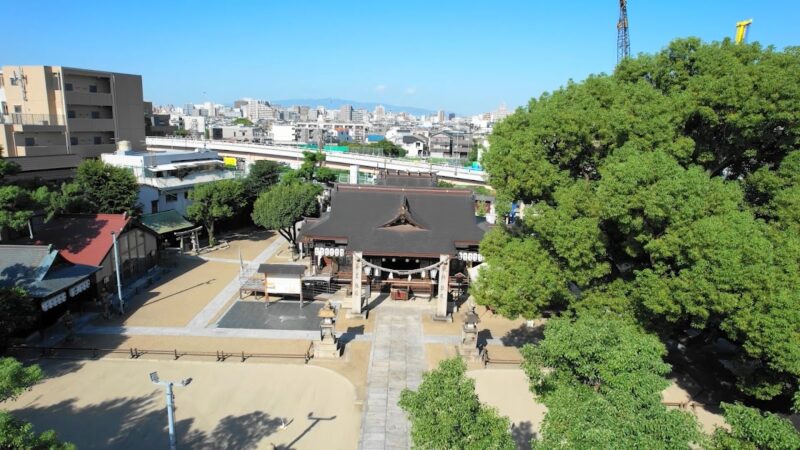
Despite its location in Nagai, close to the city center, the shrine grounds maintain a tranquil atmosphere and serve as a spiritual haven for local residents.
Deities and Divine Blessings
Main Deity
The main deity of Kamisumuji Shrine is Kamimusubi-no-Okami. Kamimusubi-no-Okami is one of the three creation gods who appeared in Takamagahara (the High Plain of Heaven) at the time of the creation of heaven and earth, and is worshipped as the god who generates and nurtures all things.
Enshrined Deities
In addition to the main deity, the following deities are enshrined:
- Ame-no-Hiwashi-no-Mikoto: God of weaving and papermaking
- Sukunahikona-no-Mikoto: God of medicine and sake brewing
- Tachikarao-no-Mikoto: God of strength
- Amenokoyane-no-Mikoto: God of rituals and learning
Including these, a total of nine deities are enshrined, and their combined divine virtues make this a shrine that can grant a variety of wishes.
Divine Virtues
The main divine virtues of Kamisumuchi Shrine are as follows:
- Health and Longevity: Benefiting from the life force of Kamimusubi-no-Okami
- Healing from Illness: The medical power of Sukunahiko-no-Mikoto
- Good Fortune and Protection from Evil: The divine protection of those who overcome difficulties
- Protection from Sake Brewing: The divine virtue of Sukunahiko-no-Mikoto in sake brewing
- Protection from Medicine: As the guardian deity of those in the medical field
- Achieving Excellence in Both Arts and Martial Arts: The divine virtues of Amenokoyane-no-Mikoto and Tajikarao-no-Mikoto
- Fulfillment of All Wishes: Opening the way to success in times of trouble
It is said that the shrine has been deeply revered since ancient times as the ancestral deity of sake brewing and medicine, and that its divine virtues as the guardian deity of both arts and martial arts were particularly prominent.
History of Kamisumuchi Shrine
Founding and Ancient Times
Kamisumuchi Shrine is said to have been founded approximately 2,000 years ago, but in reality, many details regarding its exact founding date and history remain unknown. However, it is listed in the Engishiki Jinmyocho (compiled in 927) as “Kamisumuchi Shrine, Sumiyoshi District, Settsu Province,” indicating that it was already recognized as an important shrine at least in the early Heian period.
Besides Kamisumuchi Shrine, there are other shrines with the name “Sumuchi,” such as Nakatomi Sumuchi Shrine and Sumuchi Sone Shrine, which are believed to have been located along an ancient road called Shihatsumichi. This suggests that this entire region was an important transportation route and a center of faith since ancient times.
Medieval and Early Modern Periods
Although detailed records from the medieval period onward are scarce, the shrine has continued to attract the faith of local residents as the tutelary deity of the region. The alternative name “Sannomiya” is thought to indicate its connection to Sumiyoshi Taisha Shrine and its ranking among the shrines in the region.
During the Edo period, it was a village shrine deeply rooted in the local community, revered as a deity protecting agriculture and all aspects of life.
Modern Era
Under the Meiji era’s shrine ranking system, it was classified as a village shrine. After being damaged during World War II, the shrine buildings were rebuilt after the war. The current shrine buildings were constructed during the Showa period and are maintained through the cooperation of local residents.
From the Heisei to the Reiwa era, even amidst increasing urbanization, it continues to welcome worshippers as a spiritual pillar of the region and as a historically significant shrine listed in the Engishiki (ancient Japanese legal code).
Highlights of the Shrine Grounds
Main Hall and Worship Hall
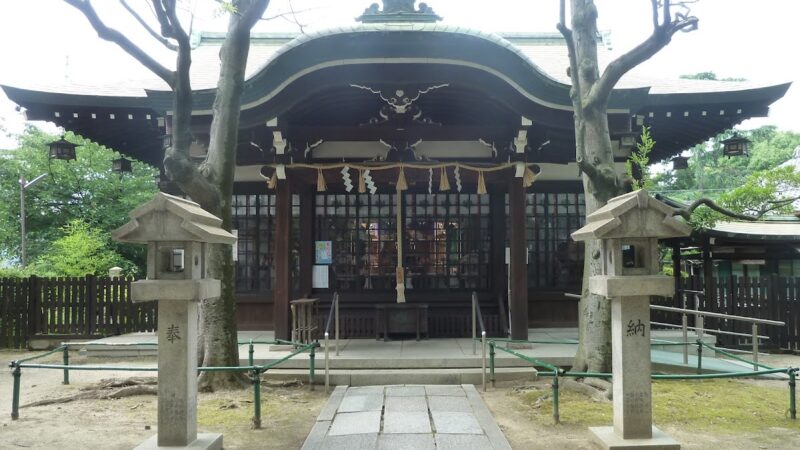
The main hall of Kamisumuchi Shrine is simple yet exudes a sense of dignity. The worship hall has an open structure that makes it easy for worshippers to offer prayers, providing a space to quietly contemplate the deities.
Although the shrine building was rebuilt after the war, it retains the dignity of an ancient shrine, and the well-maintained grounds offer peace to visitors.
Torii Gate and Approach
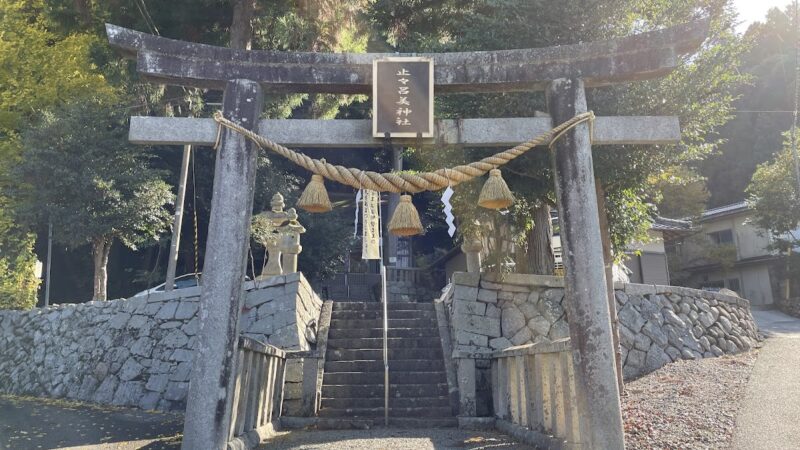
A torii gate stands at the entrance to the grounds, and the approach leads to the main shrine. Despite being located in the residential area of Nagai, stepping onto the grounds reveals a tranquil atmosphere, allowing you to forget the hustle and bustle of the city.
The approach is well-maintained, making it easily accessible for the elderly and those in wheelchairs.
Subsidiary Shrines
Several subsidiary shrines (sessha and massha) are enshrined around the main shrine. These small shrines also embody local faith, and you can see local people visiting each of them.
For details about the subsidiary shrines, please inquire at the shrine office during your visit; they will provide you with detailed information.
Sacred Trees and Nature
The grounds are planted with trees, including sacred trees, allowing you to experience the beauty of nature throughout the seasons. Despite being an urban shrine, it maintains a lush green environment, providing a space for refreshing both mind and body.
Goshuin (Shrine Seal) Information
Issuance of Goshuin
Goshuin are available at Kamisumuchi Shrine. The shrine office is open from 9:00 AM to 5:00 PM.
The goshuin features the calligraphy of “Kamisumuchi Shrine” and the shrine’s seal, resulting in a simple yet dignified finish. It’s a seal that conveys the weight of history as a Shikinaisha (a shrine listed in the Engishiki, an ancient Japanese legal code).
Goshuincho (Shrine Seal Book)
Please check with the shrine office during your visit to see if they have their own original goshuincho. It is also one of the shrines included in Osaka Metro’s “Flower Goshuin Pilgrimage,” and many people visit as part of a goshuin pilgrimage.
Visiting Etiquette
When receiving a goshuin, it is proper etiquette to first pay your respects at the main shrine before visiting the shrine office. Remember that the goshuin is proof of your visit, not a stamp rally. ## Festivals and Annual Events
Kamisumuchi Shrine holds various festivals throughout the year.
Main Festivals
- New Year’s Day Festival: Praying for happiness in the new year
- Setsubun Festival: Praying for protection from evil and for good fortune
- Spring Festival: Giving thanks for the arrival of spring and praying for a bountiful harvest
- Summer Purification Ceremony: Purifying oneself of the impurities accumulated over the past six months
- Autumn Festival: Giving thanks for the harvest and praying for peace in the community
- Year-End Purification Ceremony: Purifying oneself of the impurities accumulated over the year and preparing for the new year
For detailed dates of each festival, please check the shrine’s official website or contact the shrine office.
Prayers
Kamisumuchi Shrine accepts individual prayers by reservation. Each prayer is performed carefully and individually, allowing for a peaceful and tranquil atmosphere.
Those wishing to receive prayers must make a reservation in advance by phone (06-6692-6202) or at the shrine office. We can accommodate various wishes and milestones in life, such as first shrine visits for newborns, Shichi-Go-San (7-5-3) celebrations, exorcism, and safety prayers.
Access and Transportation Information
Basic Information
Address: 2-1-4 Nagai-Nishi, Sumiyoshi-ku, Osaka City, Osaka Prefecture 558-0002
Phone Number: 06-6692-6202
Shrine Office Hours: 9:00 AM – 5:00 PM
Access by Train
Kamisumuchi Shrine is easily accessible by public transportation.
Osaka Metro Midosuji Line
- Get off at Nagai Station, and walk approximately 4-10 minutes (approx. 337m) from Exit 2.
- Nagai Station is on the Osaka Metro Midosuji Line and is easily accessible from Umeda and Namba.
JR Hanwa Line
- Get off at Nagai Station, and walk approximately 4 minutes.
- The JR Hanwa Line runs from Tennoji towards Wakayama, and is one stop from Tennoji Station.
Walking Route
The route from Nagai Station to the shrine is a quiet path through a residential area. There are few signs from the station, so using a smartphone map app will make the journey smoother.
The shrine is located on the west side of Nagai Park, and many people visit in conjunction with strolling through the park.
Access by Car
If you are visiting by car, there may be limited dedicated parking at the shrine. We recommend using nearby coin parking or public transportation.
It is advisable to check with the shrine about parking availability before your visit. ### Nearby Facilities
- Nagai Park: A representative comprehensive park in Osaka. It houses Nagai Athletics Stadium and Yanmar Stadium Nagai, and hosts numerous sporting events.
- Nagai Botanical Garden: A botanical garden where you can enjoy flowers throughout the seasons.
- Sumiyoshi Taisha Shrine: Approximately 2km from Kamisumuchi Shrine, famous as the Ichinomiya (first-ranked shrine) of Settsu Province.
Visiting these facilities before or after your visit to the shrine is highly recommended.
Points for Visiting a Shrine
Etiquette for Visiting a Shrine
Please observe the basic etiquette for visiting a shrine:
- Bow before passing through the torii gate
- Avoid walking in the center of the path (the center is the path of the gods)
- Purify your body and mind at the water basin
- Bow twice, clap twice, and bow once in front of the main hall
- When leaving, turn around and bow once after passing through the torii gate
Suitable Time to Visit
The shrine office is open from 9:00 to 17:00, but it may be possible to enter the grounds in the early morning or evening. For those who wish to visit quietly, weekday mornings are recommended.
While there may be more visitors on weekends and during festivals, it is still not as crowded as famous shrines in the city center, allowing for a peaceful visit.
Attire
Everyday clothes are acceptable for visiting, but be mindful that you are standing before the gods and strive for clean and respectful attire. If you are receiving a prayer, more formal attire is preferable.
The Charm of Kamisumuchi Shrine
An Urban Oasis
Located in a residential area of Osaka City, stepping onto the shrine grounds transports you to another world. Away from the hustle and bustle of the city, this space offers a tranquil haven for prayer, a precious sanctuary for modern people.
Two Thousand Years of History
The weight of history, believed to have been present in this location for approximately two thousand years, is palpable in the atmosphere of the shrine grounds. Its status as an Engishiki-listed shrine is evidence of its importance since ancient times. It’s a shrine well worth visiting, even for history buffs.
A Faith Rooted in the Community
Kamisumuchi Shrine, affectionately known as “Sannomiya-san” by locals, has garnered deep-rooted faith in their daily lives. It continues to play a central role in local festivals and events, strengthening community bonds.
Diverse Divine Virtues
With its diverse divine virtues, including health and longevity, healing from illness, good fortune and protection from evil, protection of sake brewing, protection of medicine, and excellence in both literary and martial arts, the shrine attracts worshippers with a variety of wishes. The saying, “If you visit this shrine when you are in trouble, a good path will open up,” has become a source of comfort for many.
Relationship with Nearby Shrines Listed in the Engishiki
Similar to the Kami-Sumuchi Shrine, there are two other shrines bearing the name “Sumuchi”: Nakatomi-Sumuchi Shrine (Higashi-Sumiyoshi Ward) and Sumuchi-Sone Shrine. These are believed to have originally been located along an ancient road called Shihatsumichi.
Shihatsumichi was an important ancient road leading south from Naniwa, indicating that this region was a transportation hub since ancient times. There are various theories regarding the origin of the place name “Sumuchi” and the shrine name, but it is thought to be related to ancient place names or the names of powerful clans.
Visiting these shrines, which hold the prestigious status of being listed in the Engishiki (ancient Japanese legal code), is a popular activity among history enthusiasts.
Visitor Feedback
Visitors who have visited Kamisumuchi Shrine have shared the following comments:
- “The quiet atmosphere, unexpected for a shrine located in a residential area, was very calming.”
- “I stopped by on my way back from Nagai Park, and was surprised by how historically significant the shrine was.”
- “The goshuin (shrine stamp) was carefully written, and the shrine priests were very kind.”
- “I could feel the love the locals have for this shrine.”
- “It’s a hidden power spot, a place where you can feel the high status of a Engishiki shrine.”
How to Spend Your Time at Kamisumuchi Shrine
Quiet Worship
Kamisumuchi Shrine is not a flashy tourist destination, but that’s precisely why it’s a place where you can quietly connect with the gods. It’s perfect for escaping the hustle and bustle of everyday life and having time to reflect on yourself.
As part of a Goshuin (temple/shrine stamp) pilgrimage
Visiting this shrine as part of Osaka Metro’s “Flower Goshuin Pilgrimage” or a pilgrimage to Shikinaisha (shrines listed in the Engishiki) is highly recommended. Visiting it along with nearby Sumiyoshi Taisha and other Shikinaisha will allow you to truly experience the depth of Osaka’s history and faith.
In conjunction with a stroll through Nagai Park
Visiting the shrine before or after jogging or strolling in Nagai Park, or viewing the cherry blossoms at the botanical garden, is also a good idea. Spending time at a shrine to calm your mind after physical exercise is effective for balancing mind and body.
For life’s milestones
Receiving prayers for life’s milestones such as a baby’s first shrine visit, Shichi-Go-San (a traditional rite of passage for children), or exorcism is also recommended. Since it’s by reservation only and one group is served at a time, your important milestones will be carefully celebrated.
Summary
Kamisumuchi Shrine is an Engishiki-listed shrine with a history of approximately 2,000 years, located in Nagai, Sumiyoshi-ku, Osaka City. This shrine, dedicated to Kamimusubi-no-Okami as its principal deity, is known for its divine blessings of health and longevity, healing from illness, good fortune, and protection from evil.
Despite its convenient location, just a 4-minute walk from Nagai Station, the tranquil grounds offer a peaceful oasis in the city, providing solace to visitors. As the saying goes, “If you visit this shrine when you are in trouble, a good path will open up,” and the shrine warmly welcomes worshippers with various wishes.
You can also receive a Goshuin (shrine stamp), so please consider visiting as part of your pilgrimage to Shikinaisha shrines or Goshuin collecting, or simply as a place to find peace of mind in your daily life. You’re sure to have a memorable visit in these grounds steeped in 2,000 years of history.