Kashuku Shrine (Saga Prefecture) Complete Guide | History, Highlights, Goshuin (Shrine Seal), and Access Information
Kashuku Shrine, located in Kawakubo, Kuboizumi-cho, Saga City, Saga Prefecture, is a historical and prestigious shrine dedicated to the successive heads of the Kamishiro family, the lords of Kawakubo during the Edo period. This article provides detailed information you should know before visiting, including the history of Kashuku Shrine, its architectural features, highlights within the grounds, and information on visiting the shrine.
What is Kashuku Shrine?
Kashuku Shrine is located northeast of Shirahige Shrine in Kuboizumi-cho, Saga City, situated at the foot of the mountain where the Kawakubo plain descends. It is pronounced “Kashuku Jinja” and is a beloved shrine among the local people.
What makes it unique among shrines in Saga Prefecture is that it was founded to enshrine a specific samurai family. The shrine enshrines successive lords of Kawakubo, including Lord Kajiro Katsutoshi, and is a valuable cultural asset that conveys the history of the Kajiro family, who were important retainers of the Nabeshima clan.
History and Origins of Katsujuku Shrine
Circumstances of Founding
There are various theories about the founding of Katsujuku Shrine, but according to shrine tradition, it dates back to the early Edo period. The officially recorded founding year is Bunsei 3 (1820), when Nabeshima Danma Kataari, the father of Kajiro Naotaka and an important retainer of the Nabeshima family, founded it to enshrine his ancestor, Kajiro Katsutoshi.
The Kajiro Family and the Kawakubo Territory
The Kajiro family was a family of important retainers serving the Nabeshima family of the Saga Domain and ruled the Kawakubo area. Lord Kajiro Katsutoshi dedicated himself to the development of the region as the lord of Kawakubo, and his descendants built the shrine to commemorate his achievements. Since then, successive lords of the Kawakubo domain have also been enshrined here, and the shrine has been revered as the guardian deity of the region.
Architectural History
According to shrine tradition, when the shrine was built, a skilled carpenter (master builder) was invited from Nagasaki. Nagasaki was a place where advanced technology and culture flowed in through overseas trade during the Edo period, and the advanced architectural techniques influenced by this are reflected in the shrine buildings of Katsujuku Shrine.
Architectural Characteristics and Cultural Property Designation
Main Hall Structure
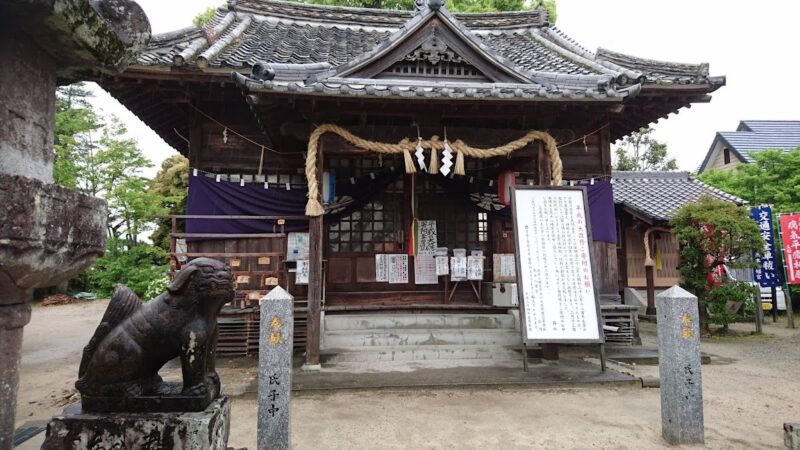
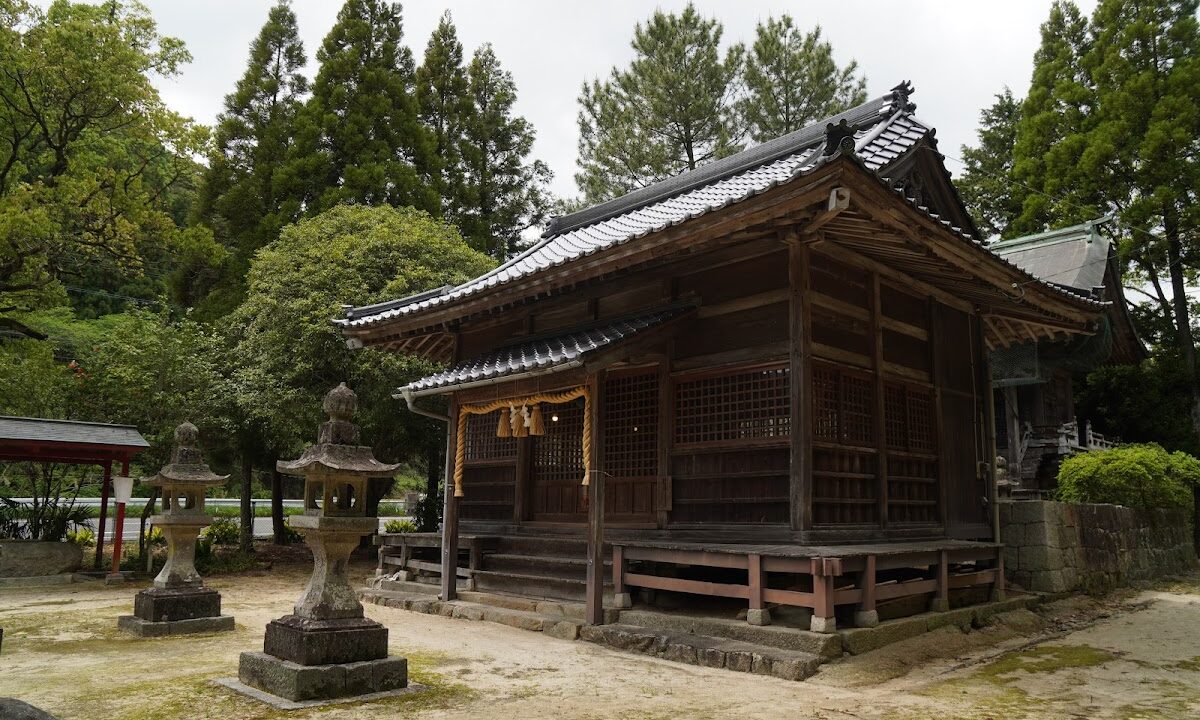
The main hall of Katsujuku Shrine was designated as an important cultural property of Saga City on February 11, 1977. The architectural style is nagare-zukuri (flowing style), and it retains many characteristics of Edo period shrine architecture.
The main building material is zelkova (Zelkova serrata), with some cypress (Hinoki cypress) also used. Zelkova is a high-grade wood used in prestigious buildings due to its excellent durability and beautiful grain. The shrine buildings, consisting of the main hall and the worship hall, are a valuable cultural heritage site that showcases the pinnacle of architectural technology of the time.
Exquisite Sculptures
The greatest highlight of Katsuyado Shrine is the magnificent carvings adorning various parts of the shrine buildings. The intricate work on the transoms, in particular, demonstrates the high skill of the master carpenter invited from Nagasaki.
The carvings are meticulously crafted, featuring various designs such as dragons, phoenixes, and flowers and birds. These decorations are not merely aesthetic; they also create a sacred space and express divine power. Taking the time to carefully observe them reveals the skill and spirit of the craftsmen.
Highlights of the Shrine Grounds
Shrine Entrance and Torii Gate
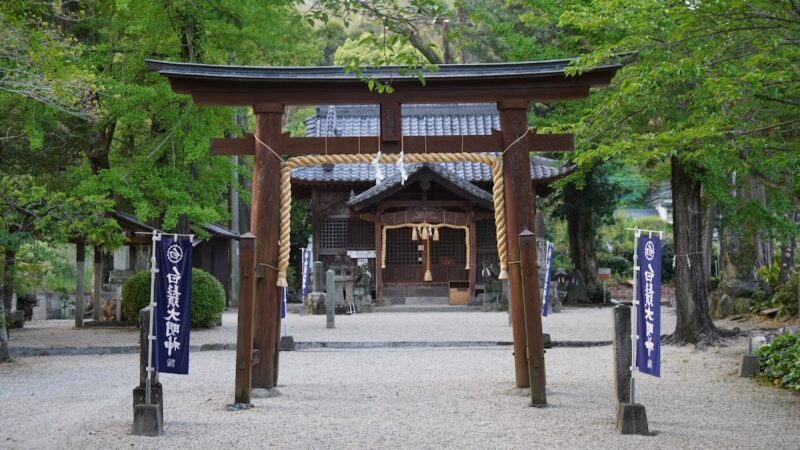
The grounds of Katsuyado Shrine are located in the tranquil environment of Kawakubo. A magnificent torii gate stands at the entrance, marking the entrance to the sacred area. Passing through the torii gate, a path awaits visitors.
Approach to the Shrine and Stone Bridge
The approach to the shrine is well-maintained, and along the way there is a stone bridge. This bridge is positioned to take advantage of the shrine’s topography, serving not only as a pilgrimage route but also as a scenic highlight.
Water Basin
Following the approach, you will find a water basin where you can purify your body and mind before praying. The water basin is an important part of shrine worship etiquette; you purify your hands and mouth here before proceeding to the main hall.
Main Hall and Honden (Inner Sanctuary)
The main hall is where worshippers offer their prayers, and the honden is located behind it. The honden is a beautiful example of nagare-zukuri architecture, featuring the intricate carvings mentioned earlier. Viewing the entire shrine complex allows you to appreciate the architectural beauty of the Edo period.
Subsidiary Shrines and Stone Structures
In addition to the main shrine, several subsidiary shrines are enshrined within the grounds.
Water Shrine: A shrine within the grounds dedicated to the water god. In Kawakubo, where agriculture flourished, water was a lifeline. The worship of the water god is deeply intertwined with the lives of the local people.
Tenmangu Shrine: A Tenmangu shrine dedicated to Sugawara no Michizane, the god of learning, is also located within the grounds. It attracts local people praying for academic success and passing exams.
Sarutahiko-no-Okami: There is also a stone monument dedicated to Sarutahiko-no-Okami, known as the god of opening paths. It is believed to offer blessings for guidance in life and traffic safety.
Stone Buddha: Ancient stone Buddhas are also enshrined within the grounds, reflecting the remnants of the syncretism of Shinto and Buddhism. These stone structures also possess historical value.
Benefits of Worship
At Katsuyado Shrine, because successive lords of Kawakubo, including Kamishiro Katsutoshi, are enshrined, the following blessings are believed to be available:
- Prayers for Victory and Success: Because the shrine’s name includes the character for “victory,” people visit to pray for success in competitions, exams, and other endeavors.
- Family Prosperity: In honor of the Kamishiro family, who ruled the region as feudal lords, prayers are offered for family prosperity and safety.
- Regional Protection: As a deity who has continuously protected the Kawakubo area, prayers are offered for the peace and development of the region.
- Academic Achievement: Through the Tenmangu shrine on the grounds, prayers are offered for passing exams and improving academic performance.
- Traffic Safety: Through Sarutahiko-no-Okami, prayers are offered for safe travels and protection along the way.
About Goshuin (Shrine Seals)
Regarding the issuance of Goshuin at Katsuyado Shrine, it is recommended to check in advance, as there may not be a permanent shrine office. In some cases, shrines in Saga Prefecture have staff who also handle Goshuin at nearby shrines, so if you want to be sure to receive a Goshuin, it is best to inquire beforehand.
Annual Events and Festivals
At Katsuyado Shrine, traditional festivals are preserved by the local people. While detailed festival dates may vary depending on local customs, major festivals such as the spring and autumn festivals are held. These festivals, held in the tranquil grounds, offer a valuable opportunity to experience the region’s history and culture.
Access Information
Location
4199 Kawakubo, Kuboizumi-cho, Saga City, Saga Prefecture 849-0901
Access by Public Transportation
By Bus:
- Get off at the “Katsuyado Shrine” bus stop (Saga City Bus), approximately 1 minute walk (approx. 50m)
- Take a bus or taxi from JR Nagasaki Main Line “Kanzaki Station”
Public transportation services may be limited, so it is recommended to check the timetable in advance.
Access by Car
Approximately 20 minutes by car from the center of Saga City. Head towards Kuboizumi-cho and aim for the Kawakubo area. The area around the shrine is a quiet neighborhood with a mix of residential and agricultural land.
Regarding parking, there may be some space on the shrine grounds or nearby, but prior confirmation is necessary for large vehicles or visits by large groups.
Nearby Attractions
Near Katsushuku Shrine is Shirahige Shrine, which can be visited together. The area around Kuboizumi-cho is also rich in nature, making it a pleasant place for a stroll.
Manners and Precautions When Visiting
Proper Worship Etiquette
- Bow before entering the shrine grounds after bowing at the torii gate.
- Cleanse your hands and mouth at the water basin.
- Worship in front of the main hall using the “two bows, two claps, one bow” method.
- Be quiet on the shrine grounds and be considerate of other worshippers.
Photography
Photography is generally permitted on the shrine grounds, but may be restricted inside the main hall or during festivals. Also, be mindful of the privacy of other worshippers and avoid including people in your photos.
Attire
While there are no specific dress code requirements for visiting the shrine, it is advisable to dress appropriately, as it is a sacred place. Especially when attending formal events such as festivals, proper attire is recommended.
The Charm of Katsuyado Shrine
Tranquil Atmosphere
Katsuyado Shrine is a locally rooted shrine that has not been commercialized for tourism. Its charm lies in its quiet environment, far removed from crowds, allowing for a peaceful visit. It’s also suitable for a quick stop during a walk, making it an ideal place to escape the hustle and bustle of everyday life and find peace of mind.
Historical Value
This is a valuable historical site that tells the history of the Saga Domain, particularly the history of the Kamishiro family, who were important retainers of the Nabeshima family. Shrines dedicated to local lords are rare nationwide, making this an important cultural asset for understanding the way local governance was conducted during the Edo period.
Architectural Art
The exquisite carvings by the master carpenter invited from Nagasaki are well worth seeing. The intricate carvings and decorative elements on the transoms attest to the high level of craftsmanship of the time, making it especially recommended for those interested in architecture and art.
Connection to the Community
Katsuyado Shrine, carefully preserved by the local people, is a symbol of Kawakubo’s history and culture. As a central figure in the local community, it continues to attract the faith of many.
Shrine Pilgrimage in Saga Prefecture and Katsuyado Shrine
Saga Prefecture boasts numerous historical shrines, including Saga Shrine in the castle town of Saga, Takeo Shrine in Takeo City, and Karatsu Shrine in Karatsu City. While not large in scale, Katsuyado Shrine is a hidden gem, possessing its own unique history and cultural value.
When touring shrines in Saga Prefecture, visiting not only famous grand shrines but also these smaller, community-based shrines will allow you to gain a deeper understanding of Saga’s history and culture.
Recommendation for Visiting Katsuyado Shrine
Katsuyado Shrine may not be flashy, but it possesses a solid history and cultural value. It is especially recommended for the following people:
- History buffs: Those interested in the history of the Saga Domain and the Kamishiro family
- Architecture and art enthusiasts: Those interested in Edo period architecture and sculptural art
- Those seeking a quiet visit: Those who want to leave the hustle and bustle of tourist areas and visit the shrine in peace
- Those who want to experience local culture: Those who want to learn about forms of faith rooted in the region
- Those facing important competitions: Those who want to pray for success in exams, competitions, etc.
Summary
Katsuyado Shrine, located in Kuboizumi-cho, Saga City, Saga Prefecture, is a historical shrine dedicated to the successive heads of the Kamishiro family, the lords of the Kawakubo domain. Since its founding in 1820, it has attracted the faith of the local people and has been carefully preserved.
The main hall, designated as an important cultural property of Saga City, is a nagare-zukuri style building primarily constructed of zelkova wood, and features exquisite carvings and decorations by a master carpenter invited from Nagasaki. Within the shrine grounds are enshrined various deities, including Suijin Shrine, Tenmangu Shrine, and Sarutahiko-no-Okami, attracting worshippers seeking various blessings.
Katsuyado Shrine offers a tranquil atmosphere, unspoiled by tourism, where you can experience the beauty of Edo-period architecture and the history of the region. When visiting Saga Prefecture, why not pay a visit? This shrine, quietly nestled in Kawakubo, is sure to bring you new discoveries and peace of mind.