Complete Guide to Kibune Shrine (Kuruma-o, Yonago City, Tottori Prefecture)
Kifune Shrine, located in Kuruma-o, Yonago City, Tottori Prefecture, is a venerable shrine with a history of nearly 700 years. It has been deeply revered by local residents as the tutelary deity of the four villages of Kuruma-o, Kaike, Kamifukuhara, and Nakajima in Yonago City. This article provides a detailed explanation of everything you need to know before visiting, including the history of Kibune Shrine, its enshrined deities, highlights of the grounds, and access information.
History and Origins of Kibune Shrine
Founding and Development in the Kamakura Period
The exact founding date of Kibune Shrine is unknown, but it is believed to have been established in the early Kamakura period, around the time when Nobuteru, the first head of the Fukada family, and others developed the Hamanaka-no-sato area (the old common name for Kuruma-o). This area has long been known as “Hamanaka-no-sato” and has developed as land close to the Sea of Japan.
It is believed that the pioneers, including the Fukada family, invited the deity of Kifune, known as the god of water, to this area upon settling here, and enshrined him as the guardian deity of the region. The shrine’s history, having remained the center of local faith for approximately 700 years from the Kamakura period to the present day, speaks to its importance.
Role as the tutelary deity of four villages
Kifune Shrine has been revered as the tutelary deity of four villages in Yonago City: Kurumao, Kaike, Kamifukuhara, and Nakajima. A tutelary deity (ubusunagami) is a god who protects people born in a particular land throughout their lives, making them the most familiar and important presence for the local residents.
In particular, the Kurumao area has long been a region where agriculture and fishing thrived, and the worship of Kifune, the god of water, was deeply intertwined with the prayers of people seeking bountiful harvests and abundant catches. Even today, it remains a central hub for local festivals and annual events, attracting many worshippers.
The Legend of Emperor Go-Daigo and Princess Tamako
Within nearly 700 years of history, Kibune Shrine has preserved poignant poems and legends concerning Emperor Go-Daigo and Princess Tamako, a father and daughter deeply connected to the Kuruma-o region.
From the late Kamakura period to the Nanboku-cho period, Emperor Go-Daigo led a movement to overthrow the shogunate and was exiled to Oki Island. The San’in region is an area where many traces of Emperor Go-Daigo remain, and these legends are also preserved in the Kuruma-o region. The story of Emperor Go-Daigo and Princess Tamako is a valuable cultural heritage that conveys the plight of a member of the imperial family tossed about by the waves of history.
These legends have been carefully preserved not merely as historical facts, but as an integral part of the region’s identity.
Deities and Divine Virtues of Kifune Shrine
Main Deity: Takaokami-no-kami
The main deity of Kifune Shrine is Takaokami-no-kami. Takaokami-no-kami is a deity worshipped since ancient times as a dragon god who controls water, and is also known as the enshrined deity of Kifune Shrine in Kyoto. “Okami” is an archaic word meaning dragon, and this deity possesses the divine attribute of controlling rain and water sources.
The Meaning of “Kifune” and Water Deity Worship
The name of the shrine, “Kifune,” holds deep meaning. According to the pamphlet available at the shrine, the name “Kifune” originates from the water god of Kifune, and is sometimes written as “Kifune” (気生根). This symbolizes water, the source from which “ki” (気) arises, that is, the source of life.
In Japan, water is the source of life and the most important element supporting agricultural culture. The San’in region, in particular, faces the Sea of Japan and is blessed with abundant water resources, but at the same time, it has also faced water-related disasters such as floods and droughts. The faith in Kibune Shrine can be seen as an expression of people’s prayers for gratitude for the blessings of water and for protection from floods.
Divine Virtues and Benefits
The main divine virtues of Kibune Shrine are as follows:
- Abundant Harvests and Business Prosperity: As a water deity, it protects the prosperity of agriculture and commerce.
- Matchmaking: Similar to Kibune Shrine in Kyoto, it is worshipped as a deity that brings good fortune in relationships.
- Protection from Evil and Family Safety: As a local guardian deity, it protects the lives of all residents of the region.
- Maritime Safety and Abundant Catch: Due to its location near the Sea of Japan, it is also deeply revered by those involved in the fishing industry.
As the principal guardian deity of the region, various life ceremonies such as the first shrine visit for a newborn, Shichi-Go-San (a traditional rite of passage for children), exorcism, and weddings are held here.
Highlights and Facilities within the Shrine Grounds
Main Hall and Worship Hall
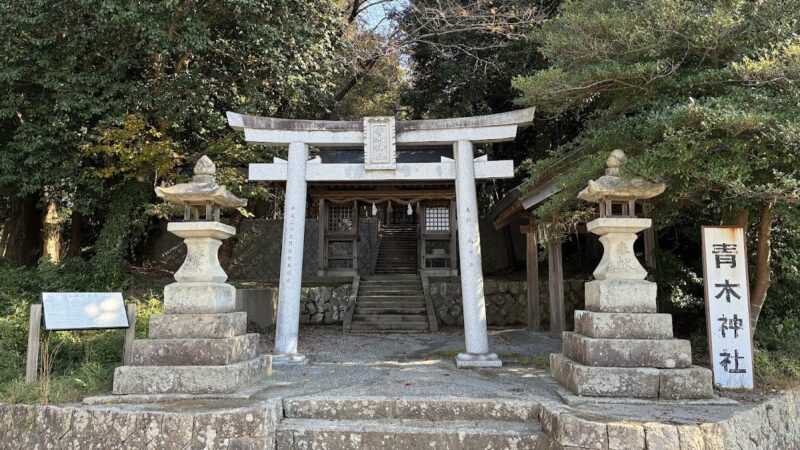
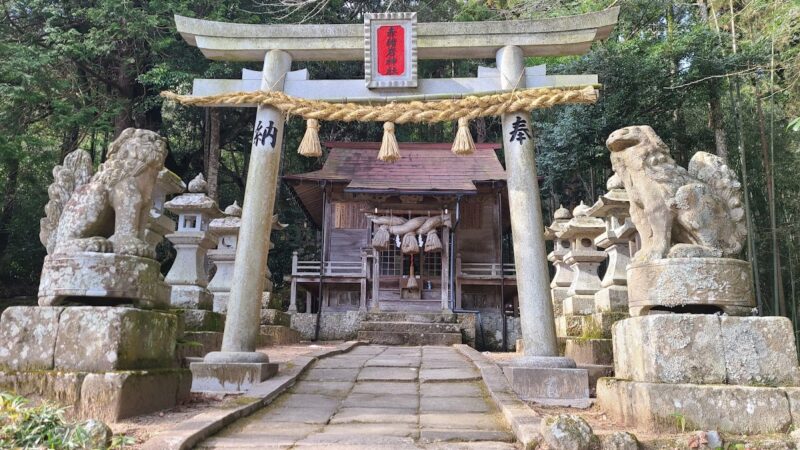
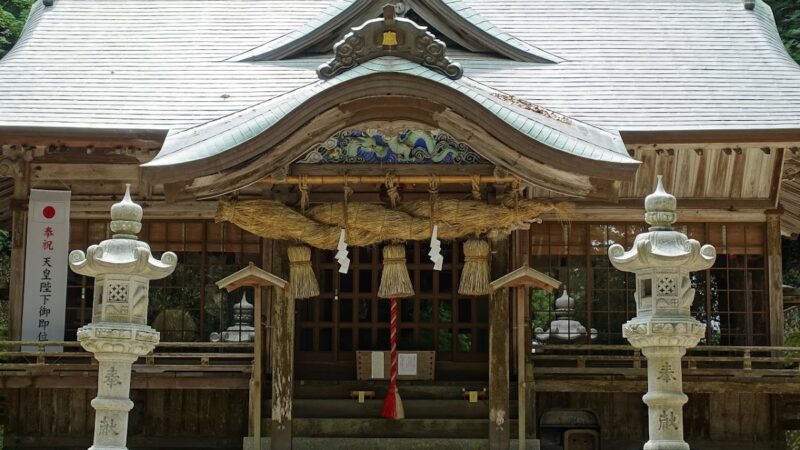
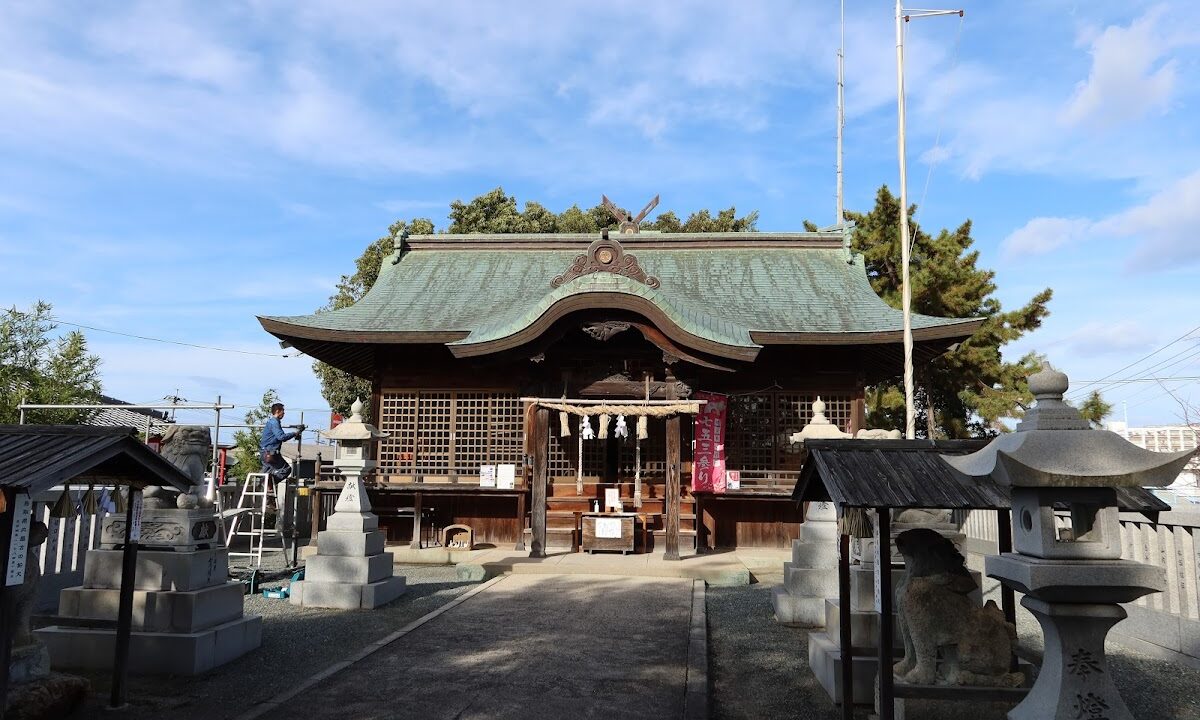
The main hall of Kibune Shrine is built in the traditional style of shrine architecture, possessing a solemn atmosphere that reflects its long history. In the worship hall, daily worshippers offer prayers and pray for the peace and prosperity of the region.
The shrine grounds are enveloped in a tranquil atmosphere, providing a peaceful environment for worship despite its urban location. Early morning visits, in particular, offer a refreshing and sacred experience.
Shrine Office and Souvenirs
The shrine office is located at 2-26-20 Kurumao, Yonago City, Tottori Prefecture, where you can obtain goshuin (shrine stamps) and amulets. The telephone number is 0859-33-7036.
Goshuin are popular as mementos of visits and are carefully handwritten in ink. Amulets related to the water deity and other souvenirs reflecting local traditions are also available.
Natural Environment of the Shrine Grounds
The shrine grounds are home to many ancient trees, allowing visitors to experience the changing seasons. Spring brings fresh greenery, summer offers deep green foliage, autumn brings vibrant autumn leaves, and winter provides a tranquil, serene landscape—each offering a different view depending on the time of year.
Despite being located in the city center of Yonago, Tottori Prefecture, the shrine grounds are rich in nature and are a beloved place of relaxation for local residents.
Access, Map, and Parking Information
Location
Address: 2-26-20 Kurumao, Yonago City, Tottori Prefecture
Shrine Office Phone: 0859-33-7036
Access by Public Transportation
To access Kibune Shrine by public transportation, the nearest station is Higashiyama Park Station on the JR San’in Main Line/Sakai Line.
- Walking from Higashiyama Park Station: Approximately 8-11 minutes on foot from the station exit.
- From Yonago Station: Approximately 10 minutes on the JR Sakai Line to Higashiyama Park Station, then a short walk.
Higashiyama Park Station is a relatively small station, but it is the most convenient for accessing Kibune Shrine. The path from the station to the shrine goes through a residential area, and asking locals for directions while walking is part of the enjoyment of the trip.
Access by Car
If traveling by car, the following routes are convenient:
- From Yonago Expressway, Yonago IC: Approximately 15 minutes
- From National Route 9: Head towards Yonago city center, aiming for the Kuruma-o area.
- From National Route 431 (towards Kaike Onsen): Near the Kuruma-o intersection.
Yonago City is a major city in the San’in region, and its road network is well-developed. Therefore, searching for “Kibune Shrine, Yonago City, Kuruma-o” on a car navigation system or smartphone map app will easily provide route guidance.
Parking Information
While the shrine has parking spaces for visitors, the number of spaces is limited, so caution is advised during busy periods such as New Year’s Day and annual festivals. There are also paid parking lots in the surrounding area, so early arrival is recommended on days when crowds are expected.
Nearby Tourist Attractions
The following tourist attractions are located near Kibune Shrine:
- Kaike Onsen: A representative hot spring resort in the San’in region, approximately 10 minutes away by car.
- Yonago Castle Ruins: The castle ruins, a symbol of Yonago City; the view from the keep is spectacular.
- Mt. Daisen: One of Japan’s 100 Famous Mountains, the highest peak in the Chugoku region (approximately 40 minutes by car).
- Sakaiminato: A fishing port town famous for the Mizuki Shigeru Road (approximately 20 minutes by car).
By visiting these tourist attractions in conjunction with your visit to Kibune Shrine, you can experience the charm of Yonago City, Tottori Prefecture, more deeply.
Annual Events and Festivals
Grand Festival
At Kibune Shrine, the Grand Festival is held every autumn. This is the most important festival for the shrine, a traditional event in which all local residents participate. A portable shrine procession and offering ceremonies are held, providing an opportunity to deepen community bonds.
New Year’s Visit
Many worshippers visit the shrine for their first shrine visit of the new year. As the local guardian deity, it is bustling with people praying for a safe year and the health of their families. It is especially crowded from January 1st to the third day of the new year, so it is recommended to visit with plenty of time to spare.
Shichi-Go-San and Life-Changing Rituals
Kibune Shrine holds rituals for milestones in life, including Shichi-Go-San (a traditional Japanese rite of passage for children). Many families visit the shrine as the guardian deity watching over the growth of local children. Reservations may be required, so it is recommended to inquire at the shrine office in advance.
Manners and Etiquette for Visiting a Shrine
Basic Etiquette for Visiting a Shrine
When visiting Kibune Shrine, please observe the following basic etiquette:
- Bow before passing through the torii gate: This is a courtesy before entering the sacred area.
- Purify your body and mind at the water basin: Purify your left hand, right hand, and mouth in that order, and finally wash the handle of the ladle.
- Walk along the edge of the path: The center is considered the path for the gods.
- Etiquette at the main hall: The basic procedure is two bows, two claps, and one bow.
- Bow after leaving the torii gate: This is a courtesy when leaving the sacred area.
Photography
Photography is generally permitted on the shrine grounds, but there are places and times when photography is restricted, such as inside the main hall or during Shinto rituals. Please check with the shrine office if you have any questions and be considerate of other visitors.
Goshuin (Shrine Seal) Information
Goshuin can be obtained at Kibune Shrine. A goshuin is proof of your visit and a tangible record of your connection with the deity.
Goshuin Reception
- Reception Location: Shrine Office
- Reception Hours: Usually 9:00 AM to 5:00 PM (may vary)
- Offering Fee: Generally around 300-500 yen
When receiving a goshuin, please be sure to complete your prayers before visiting the shrine office. It is also recommended to bring your goshuincho (stamp book).
History and Culture of the Kuruma-o District, Yonago City
Origins of the Kuruma-o District
The Kuruma-o district was formerly known as “Hamanaka no Sato” and was a region where agriculture and fishing flourished, taking advantage of its location near the Sea of Japan. Since its development in the Kamakura period, it has been developed by influential local figures, including the Fukada family.
While it has now developed as part of the urban area of Yonago City, the community centered around Kibune Shrine remains vibrant, and traditional festivals and events are carefully preserved.
Relationship with Kaike Onsen
Kaike Onsen, adjacent to the Kuruma-o district, is known as one of the leading hot spring resorts in the San’in region. Although a relatively new hot spring resort, having opened in the Meiji era, it has gained popularity for its excellent location facing the Sea of Japan and its high-quality hot springs.
Kibune Shrine is also the tutelary shrine of the Kaike district and has a history intertwined with the development of the hot spring resort. People involved with the hot spring inns and tourists often visit the shrine to pay their respects.
Shrine Culture in Tottori Prefecture and Kibune Shrine
Shrine Beliefs in Tottori Prefecture
Tottori Prefecture is a region with a long history of shrine belief, as it is home to many mythological settings found in the Kojiki and Nihon Shoki. Many historically significant shrines are scattered throughout the prefecture, including Hakuto Shrine, known for the legend of the White Rabbit of Inaba, and Ogamiyama Shrine, which enshrines Mount Daisen as its deity.
Kibune Shrine has played a unique role within Tottori Prefecture’s shrine culture as a community-oriented tutelary deity. While not a large shrine, its deep roots in the lives of local residents make it a prime example of the diversity of shrine worship in Tottori Prefecture.
Relationship with the Tottori Prefectural Shrine Association
Kibune Shrine belongs to the Tottori Prefectural Shrine Association and operates as part of the prefecture’s shrine network. Detailed information, including its history and festivals, is available on the Tottori Prefectural Shrine Association’s official website.
Visitor Feedback and Reputation
Evaluation from Local Residents
Kibune Shrine has been revered for many years as the principal tutelary deity of the region. For local residents, it is a special place they visit at significant life events and a central hub of the community.
Online map services show evaluations such as “quiet and peaceful atmosphere” and “a shrine deeply rooted in the community,” reflecting its characteristics as a locally-oriented shrine.
Tourist Impressions
Some tourists visiting Tottori Prefecture, especially those staying at Kaike Onsen, also visit Kibune Shrine. While not a large-scale tourist shrine, it’s a suitable place for those seeking a quiet visit, offering a glimpse into the region’s history and culture.
History enthusiasts, interested in the legends of Emperor Go-Daigo and Princess Keishi, also visit, appreciating it as a valuable site for understanding local history.
Summary: Recommendation for Visiting Kibune Shrine
Located in Kuruma-o, Yonago City, Tottori Prefecture, Kibune Shrine is the tutelary shrine of the region, boasting a history of nearly 700 years. It enshrines Takaokami-no-kami, the god of water, and is known for its divine blessings of abundant harvests, business prosperity, matchmaking, and family safety.
The shrine’s long history, dating back to the pioneering days of the Kamakura period, its legends surrounding Emperor Go-Daigo and Princess Keishi, and its role as a center of local faith that continues to this day, are major attractions.
Its convenient location, within walking distance of Higashiyama Park Station, and its easy accessibility to nearby tourist spots such as Kaike Onsen, make it an ideal place to visit. When you visit Yonago City, be sure to stop by Kibune Shrine and experience the tranquil atmosphere and historical weight of this deeply rooted community shrine.
From life rituals such as New Year’s visits, Shichi-Go-San (a traditional rite of passage for children), and exorcisms, to daily prayers, Kibune Shrine continues to be an integral part of the lives of local residents. Its warm and welcoming atmosphere will surely bring peace and strength to the hearts of visitors.
At Kibune Shrine in Kuruma-o, Yonago City, Tottori Prefecture, receive the divine blessings of the water god and enjoy a peaceful moment.