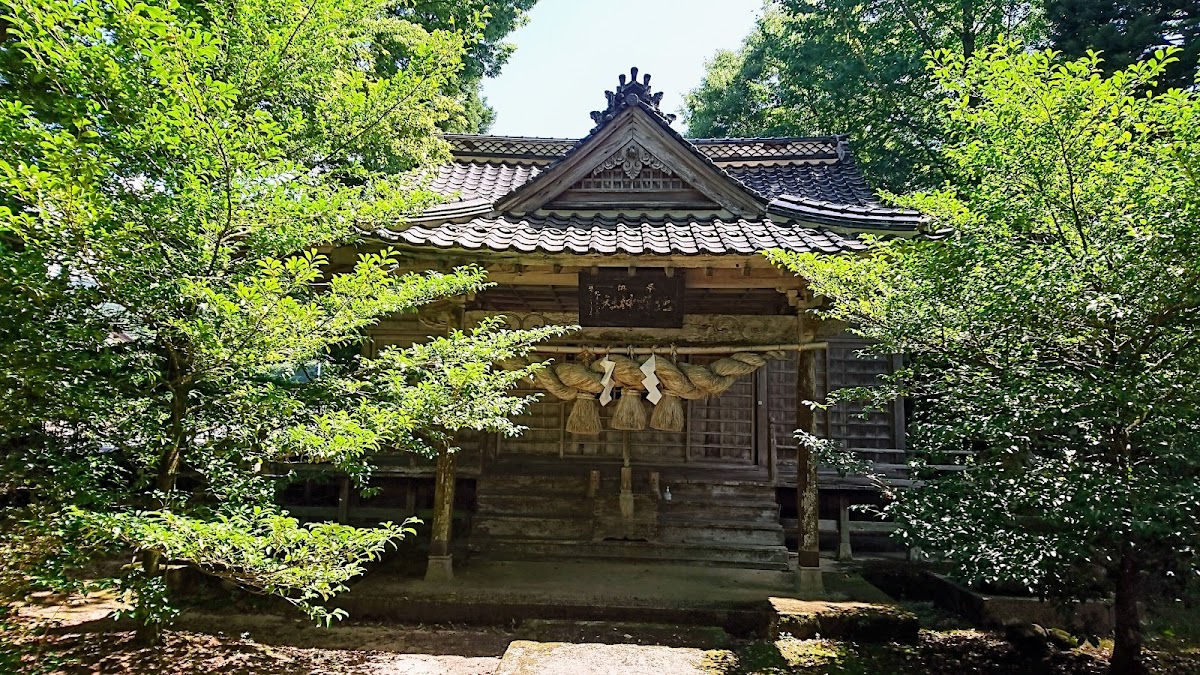
Kitano Shrine (Katashiba, Misasa-cho, Tottori Prefecture) | Complete Guide to History, Deities, and Access
Kitano Shrine, located in Katashiba, Misasa-cho, Tohaku-gun, Tottori Prefecture, is a shrine dedicated to Sugawara no Michizane, known as the god of learning. Situated in a quiet village in Misasa-cho, it is a historical shrine that has attracted the faith of the local community and continues to be visited by many worshippers.
Basic Information on Kitano Shrine
Location and Access
Location: Katashiba, Misasa-cho, Tohaku-gun, Tottori Prefecture
Kitano Shrine is located in the Katashiba village of Misasa-cho. The Katashiba area is a quiet mountainous region a short distance from the Misasa Onsen hot spring resort area, and its postal code is 682-0135. Misasa-cho is located in the central part of Tottori Prefecture and is a naturally rich area with 64 villages scattered along the Tenjin River, a first-class river, and its tributaries.
Access Information
Access by Car:
- Approximately 20 minutes from the Tottori Expressway “Tomari-Togo IC”
- Approximately 50 minutes from the Chugoku Expressway “Innosho IC”
- Approximately 10-15 minutes by car from Misasa Onsen town
Access by Public Transportation:
- Take the Hinomaru Bus “bound for Misasa Onsen” from JR Kurayoshi Station
- Access by taxi or on foot from Misasa Onsen
The shrine is located in a mountain village, so access by car is convenient. It is recommended to check the availability of parking in advance.
Deity and Divine Virtues
Sugawara no Michizane
The deity enshrined at Kitano Shrine is Sugawara no Michizane. Sugawara no Michizane is known as a scholar and politician of the Heian period and is revered nationwide as the god of learning, literature, and calligraphy.
Main Divine Virtues:
- Academic Success/Prayer for Passing Exams: Many students and those preparing for exams visit the shrine.
- Improvement in Academics: Worshipped by those wishing for academic improvement.
- Improvement in Literary Arts: Visitors also pray for improvement in calligraphy and literature.
- Protection from Evil/Good Fortune: Serves as a guardian deity of the region.
Tenmangu Faith and Kitano Shrine
Kitano Shrines and Tenmangu shrines throughout Japan are a group of shrines dedicated to Sugawara no Michizane, with Kitano Tenmangu in Kyoto as the head shrine. Kitano Shrine in Katashiba, Misasa Town, is also part of this lineage of Tenmangu faith and has been affectionately known as “Tenjin-sama” by the local people.
History of Kitano Shrine
Founding and Origin
The exact founding date of Kitano Shrine is unknown due to limited historical records. However, each settlement in Misasa Town has long had its own shrine dedicated to its tutelary deity, and it is believed that Kitano Shrine was established in the Katashiba district as a center of local faith.
After Sugawara no Michizane was enshrined at Kitano Tenmangu Shrine in Kyoto, Tenmangu and Kitano Shrines were established throughout Japan. It is presumed that Kitano Shrine in Katashiba, Misasa Town, was also founded within this spread of Tenmangu faith, with the hope of promoting the development of local learning and culture.
Connection to the Community
Katashiba settlement is one of the 64 settlements that make up Misasa Town, and is a mountain settlement formed in the valley of the Tenjin River system. Kitano Shrine has been revered by local residents for generations as the tutelary deity of the settlement and as a god of learning.
Especially from the Edo period through the Meiji and Taisho eras, with the spread of terakoya (private schools) and school education, faith in Tenjin-sama, the god of learning, deepened, and it is believed that many people visited the shrine to pray for success in examinations and academic achievement.
Shrine Grounds and Highlights
Shrine Buildings and Facilities
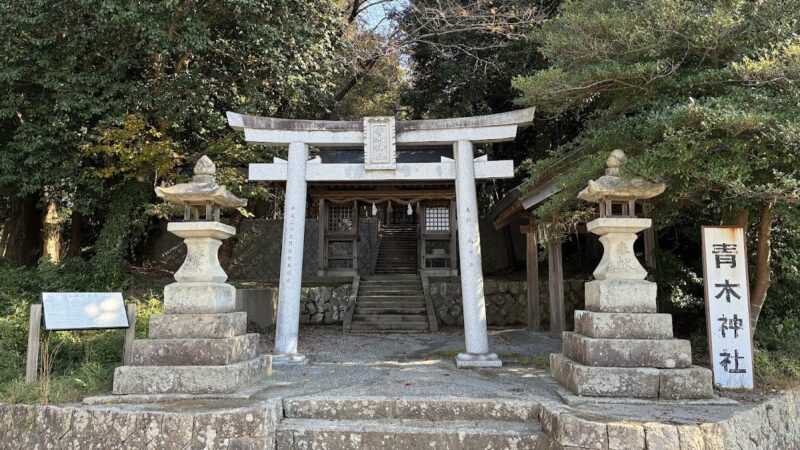
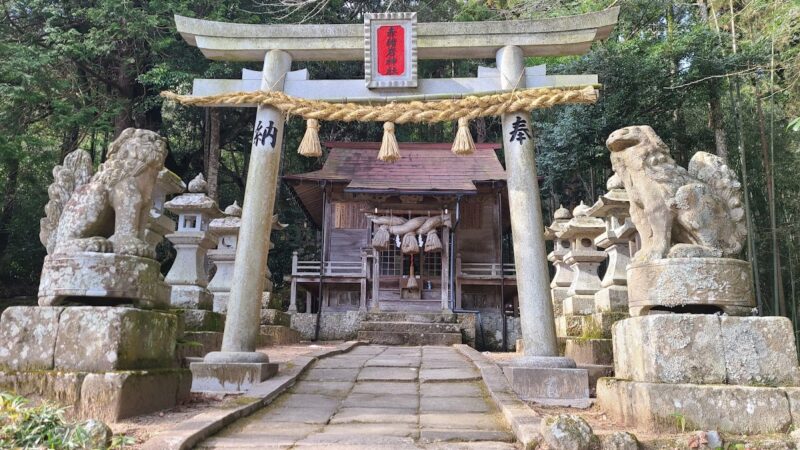
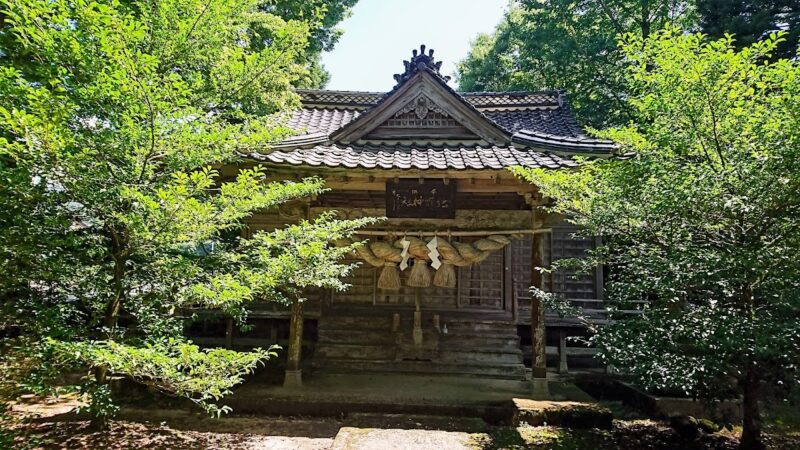
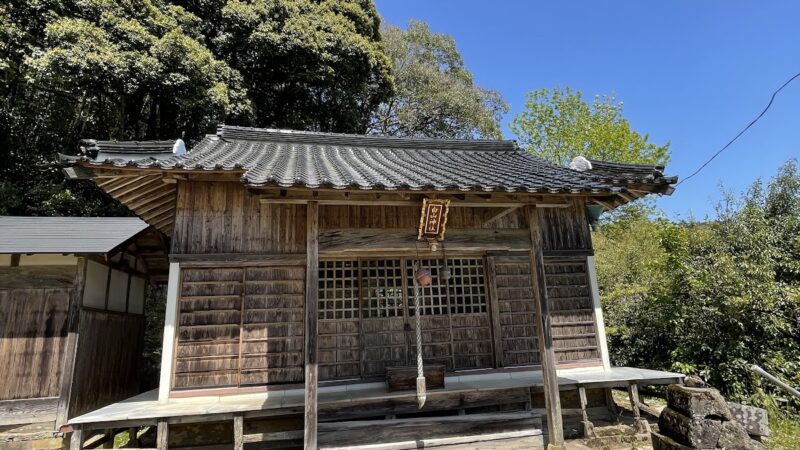
Kitano Shrine’s grounds are nestled in the quiet environment of the Katashiba settlement. Located in a mountainous area surrounded by nature, visitors can enjoy the scenery of each season.
Main Shrine Facilities:
- Main Hall: Dedicated to Sugawara no Michizane
- Worship Hall: A place where worshippers offer prayers
- Torii Gate: Entrance to the sacred area
- Water Basin: A place to purify oneself before worship
Points for Worship
When visiting Kitano Shrine, please worship respectfully according to the following etiquette.
- Bow before passing through the torii gate.
- Purify your hands and mouth at the water basin.
- Walk along the approach to the shrine, avoiding the center.
- Bow twice, clap twice, and bow once in front of the main hall.
- Recite your wishes silently, such as for academic success or passing an exam.
Seasonal Shrine Scenery
Spring: Beautiful fresh greenery and refreshing air unique to mountainous areas.
Summer: The lush green grounds are cool and have a resort-like atmosphere.
Autumn: Autumn leaves adorn the grounds, making it a particularly beautiful season.
Winter: The shrine, surrounded by snow, is enveloped in a solemn atmosphere.
About Misasa Town
Overview of Misasa Town
Misasa Town is located in the central part of Tottori Prefecture, belonging to Tohaku District. It is the second largest town in Tottori Prefecture by area and is blessed with a rich natural environment.
Main Features of Misasa Town:
- Misasa Onsen: A hot spring resort known for its world-leading high-concentration radon springs.
- Santoku-san Sanbutsuji Nageire-do: A cliffside structure designated as a National Treasure.
- Kojika Valley: A valley designated as a scenic spot.
- Tenjin River System: Clear streams and a rich natural environment.
The Charm of Misasa Onsen
Misasa Onsen, the heart of Misasa Town, is a hot spring resort with a history of approximately 850 years. It is characterized by its spring water containing one of the world’s highest concentrations of radon, and its hormesis effect, unique to radon springs, has led to its use for disease treatment and recuperation. Okayama University’s research institute is also located there, conducting medical research.
Culture and History of Misasa Town
Misasa Town is dotted with 64 settlements, each with its own unique history and culture. Katashiba settlement is one such settlement, where a regional community centered around Kitano Shrine has been formed.
Other Shrines in Misasa Town
Besides Kitano Shrine (Katashiba), there are several other shrines in Misasa Town.
Misasa Shrine
This shrine is located in the Misasa Onsen (hot spring) area and enshrines Susanoo-no-Mikoto, Ōnamuchi-no-Mikoto, and others. It is revered as the guardian deity of the hot spring area and as the local tutelary deity.
Location: Misasa, Misasa-cho, Tōhaku-gun, Tottori Prefecture
Phone Number: 0858-43-0431
Tawarahara Shrine
This is one of the shrines located within Misasa Town. It is cherished by the people of the village as the local tutelary deity.
Other Shrines
Throughout Misasa Town, there are numerous small shrines dedicated to the local tutelary deity in each village, each preserving the history and culture of the region.
Nearby Tourist Attractions
When visiting Kitano Shrine, be sure to also explore other tourist attractions in Misasa Town.
Mitoku-san Sanbutsuji Nageire-do (National Treasure)
This national treasure building stands on the cliffs of Mt. Mitoku, at an altitude of 900 meters. Believed to have been built in the late Heian period, it is a mysterious building shrouded in mystery as to how it was constructed in this location. While visiting requires climbing a steep mountain path, it is well worth the effort.
Misasa Onsen Hot Springs
A hot spring resort boasting one of the world’s highest concentrations of radon springs. The hot spring town is lined with many inns and hotels, and there are also plenty of day-trip bathing facilities. There are also free footbaths, such as the riverside bath.
Oshikakei Gorge
A designated scenic gorge where you can enjoy beautiful natural scenery throughout the seasons. The autumn foliage is particularly spectacular, attracting many tourists.
Misasa Violin Museum
A museum exhibiting valuable violins from around the world. A recommended spot for music lovers. ## Notes and Manners for Visiting a Shrine
Basic Manners for Visiting a Shrine
There are basic manners to observe when visiting a shrine. Please pay attention to the following points when visiting:
- Attire: Clean and understated clothing is preferred.
- Photography: Photography is often permitted within the shrine grounds, but it may be prohibited inside the main hall.
- Noise: Please be quiet within the shrine grounds.
- Garbage: Please take your trash with you.
- Smoking: Smoking is prohibited within the shrine grounds.
Best Time to Visit
Kitano Shrine is open for visits throughout the year, but the following times are particularly recommended.
- Exam Season (January-March): Many students visit to pray for success in their exams.
- Spring (April-May): Visitors pray for academic success in the new school year.
- Autumn (October-November): The autumn foliage is beautiful, making it a great time to visit while sightseeing.
Kitano Shrine and the Faith of Learning
Sugawara no Michizane and the God of Learning
Sugawara no Michizane excelled in academics from a young age and served the imperial court as a scholar of literature. Due to his vast knowledge and sincere character, he came to be revered as the “God of Learning” after his death.
Visits by Students Taking Exams
Even today, many students and those taking exams visit Kitano Shrine and Tenmangu Shrine to pray for academic success and passing their exams. The custom of writing their desired schools and goals on ema (votive tablets) and offering them is also widespread.
Local Education and Shrines
In the Katashiba district, Kitano Shrine has also been deeply connected to local education. As a shrine dedicated to the god of learning, it has attracted the faith of parents praying for the healthy growth and academic success of their children.
Detailed Transportation Access to Misasa Town
Access by Train
Nearest Station: JR San’in Main Line “Kurayoshi Station”
- From Osaka: Approximately 2 hours 30 minutes by the Limited Express “Super Hakuto”
- From Okayama: Approximately 2 hours via Yonago Station by the Limited Express “Yakumo”
- From Tottori Station: Approximately 40 minutes by local train
Access by Bus
From Kurayoshi Station, take the Hinomaru Bus “bound for Misasa Onsen” and arrive at Misasa Onsen in approximately 20 minutes. From there, access to the Katashiba area is by taxi or on foot.
Detailed Access by Car
- From Tottori: Approximately 40 minutes via National Route 9 and a prefectural road.
- From Kurayoshi: Approximately 15 minutes via National Route 179.
- From Yonago: Approximately 1 hour via National Route 9.
If using a car navigation system, please search for “Katashiba, Misasa-cho, Tohaku-gun, Tottori Prefecture”.
Accommodation in Misasa-cho
Staying at Misasa Onsen in conjunction with a visit to Kitano Shrine allows you to enjoy sightseeing at a leisurely pace.
Accommodation in Misasa Onsen
Misasa Onsen offers a variety of accommodations, from large ryokans (traditional Japanese inns) to small guesthouses. Enjoy the high-concentration radon hot springs while savoring cuisine made with local ingredients.
Points to Consider When Choosing Accommodation
- Prioritizing Hot Springs: Choose accommodations with free-flowing hot spring water.
- Prioritizing Cuisine: Choose accommodations that boast kaiseki cuisine using local ingredients.
- Prioritizing Sightseeing: Choose accommodations with good access to Mt. Mitoku and Kojika Valley.
- Prioritizing Budget: Consider guesthouses and business hotels as well.
Annual Events in Misasa Town
Misasa Town holds various events throughout the year.
Main Annual Events
- Misasa Onsen Hanayu Festival (May): A festival celebrating the discovery of Misasa Onsen.
- Misasa Onsen Curie Festival (July): A summer festival related to radon hot springs.
- Misasa Onsen Tug-of-War (August): A traditional tug-of-war event.
- Misasa Onsen Autumn Festival (October): An autumn festival celebrating the harvest.
Visiting during these events will allow you to experience Misasa Town’s culture more deeply.
The Charms of Katashiba District
Landscape of a Mountain Village
Katashiba district is located in the mountainous area of Misasa Town and is a quiet village that retains the traditional Japanese rural landscape. The terraced rice fields and rural mountain scenery give visitors a sense of nostalgia and peace.
Local Community
Despite being a small village, the residents have strong ties, and a local community centered around Kitano Shrine is maintained. Activities to protect the shrine, such as festivals and cleaning activities, continue to this day.
Tenmangu and Kitano Shrines in Tottori Prefecture
There are several Kitano Shrines and Tenmangu shrines in Tottori Prefecture.
Kitano Shrine in Tottori City
Kitano Shrine, located in Tenjin-cho, Tottori City, is a shrine that enshrines a divided spirit of Kitano Tenmangu Shrine in Kyoto. In 1921 (Taisho 10), the Tenjin-kosha (Tenjin Association) was organized, and it is still revered today as the god of learning by people in and around Tottori City. As the oldest surviving building plaques, Tenmangu Shrine has one dating back to 1854 (Kaei 7), commemorating roof repairs, while Tomiyasu Shrine has one dating back to 1793 (Kansei 5), commemorating the construction of the Buō Shrine.
Tenmangu Faith in Tottori Prefecture
Tenmangu and Kitano Shrines are enshrined in various regions throughout Tottori Prefecture, and the belief in them as gods of learning is deeply rooted. Kitano Shrine in Katashiba, Misasa Town, also plays a part in this Tenmangu faith within the prefecture.
Summary
Kitano Shrine, located in Katashiba, Misasa Town, Tōhaku District, Tottori Prefecture, is a historical shrine dedicated to Sugawara no Michizane, the god of learning. Situated in a quiet mountain village, it has long been revered by local residents as the local guardian deity and a shrine for academic success and passing exams.
There are also many attractive tourist spots nearby, such as Misasa Onsen and Mitoku-san Sanbutsuji Nageire-dō. In conjunction with your visit to Kitano Shrine, be sure to enjoy the rich nature and culture of Misasa Town, as well as the world-renowned radon hot springs.
For students praying for success in exams, students seeking academic achievement, and those seeking peace of mind in a tranquil environment, Kitano Shrine is a shrine well worth visiting. At Kitano Shrine in Katashiba, Misasa Town, receive the blessings of the god of learning and renew your spirit as you move towards your goals.