Complete Guide to Kongoin Temples | A Thorough Explanation of Famous Temples Nationwide, Including History, Cultural Assets, and Access Information
There are several temples named “Kongoin” throughout Japan, each possessing its own unique history and cultural assets. This article comprehensively explains the history, cultural assets, seasonal highlights, and access information of Kongoin temples in various locations, including the one in Maizuru City, Kyoto Prefecture (known as the “Maple Temple of Tango”), as well as those in Toshima Ward, Tokyo, Saitama City, Saitama Prefecture, and Numata City, Gunma Prefecture.
What is Kongoin? Origin of the Name and Nationwide Distribution
The temple name “Kongoin” originates from the Buddhist term “Kongo.” “Kongo” is a translation of the Sanskrit word “Vajra,” symbolizing the unbreakable truth of Buddhist teachings, as solid as a diamond. This name is frequently found in temples of esoteric Buddhism, including the Shingon and Tendai sects.
The existence of temples named Kongoin throughout Japan is due to each being founded as an independent temple; they are not related as a head temple and branch temple. Each Kongoin belongs to a different Buddhist sect, including the Shingon-shu Buzan-ha, Shingon-shu Chizan-ha, Shingon-shu Toji-ha, and Tendai-shu.
Kongoin in Maizuru City, Kyoto Prefecture | A Famous Ancient Temple Known as the Maple Temple of Tango
History and Origin
Kongoin, located in Shikahara, Maizuru City, Kyoto Prefecture, is officially called “Shikahara-san Jionji Kongoin” and belongs to the Shingon-shu Toji-ha. It is said to have been founded in the early Heian period by Prince Takaoka. Prince Takaoka was the third son of Emperor Heizei, and after becoming a monk, he was known as Prince Shinnyoho, and is known for traveling to Tang China to seek Buddhist teachings.
Later, it is said to have been restored by Emperor Shirakawa, and developed into a temple with deep ties to the Imperial family. In the Middle Ages, it was a powerful temple in Tango Province, boasting numerous halls and serving as a center of local faith.
Important Cultural Properties and a Treasure Trove of Cultural Assets
Kongoin Temple in Maizuru is known for housing a large number of valuable cultural assets.
Three-Storied Pagoda (Nationally Designated Important Cultural Property)
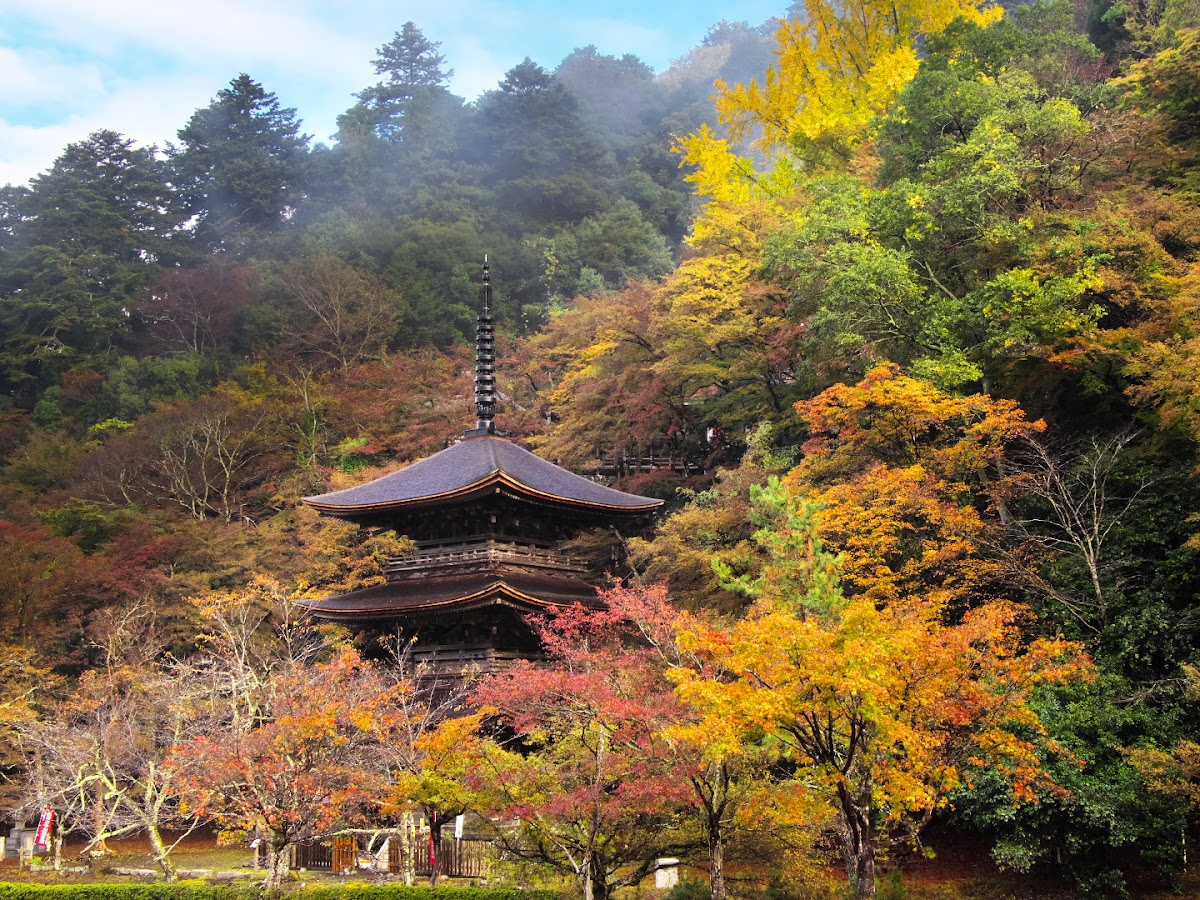
The three-storied pagoda towering over the temple grounds is believed to have been built in the mid-Muromachi period and is designated as a nationally important cultural property. Standing approximately 25 meters tall, this pagoda is the only remaining three-storied pagoda in the Tango region, displaying a beautiful form that harmonizes with the surrounding natural landscape. The interior of the first floor expresses the worldview of Esoteric Buddhism, centered on Dainichi Nyorai.
Main Hall and Other Halls
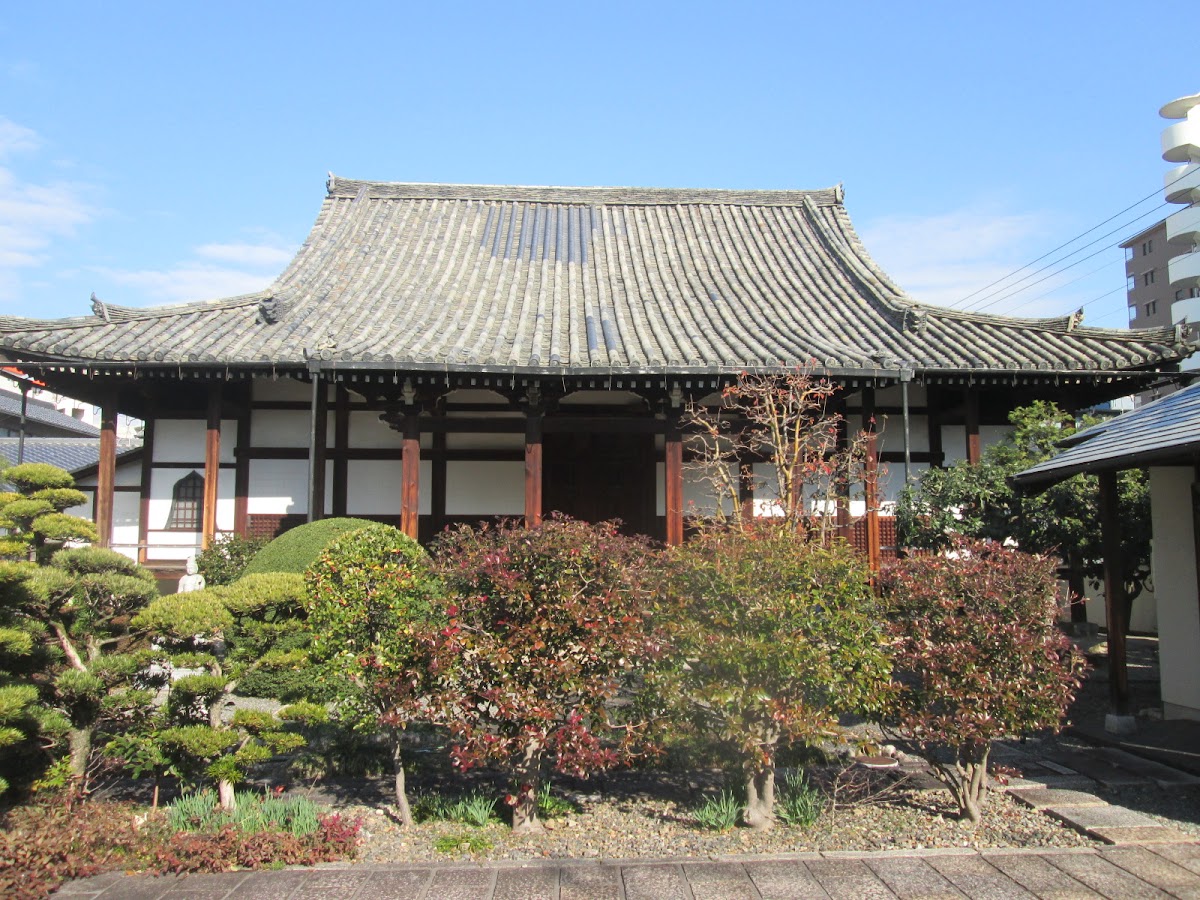
The main hall is also designated as an important cultural property, preserving the architectural style of the Muromachi period. The inner sanctuary houses the principal image, Namikiri Fudō Myōō, flanked by Kongara Dōji and Seitaka Dōji. In addition, various halls such as the Amida Hall and the Goma Hall are located within the temple grounds.
Buddhist Statues
Kongoin Temple houses numerous Buddhist statues created from the Heian period to the Kamakura period. It offers a rare opportunity to view excellent Fujiwara-period Buddhist sculptures up close, including a wooden standing statue of Fudo Myoo and wooden standing statues of the Four Heavenly Kings.
Charm as a Kansai Flower Temple
Kongoin Temple in Maizuru is designated as the “Third Temple on the Kansai Flower Temple Pilgrimage” and is widely known as the “Maple Temple of Tango.” Thousands of maple trees are planted on the temple grounds, and especially during the autumn foliage season in November, the three-story pagoda and main hall are enveloped in fiery red leaves, creating a spectacular sight.
The beautiful autumn scenery of Kongoin Temple is also depicted in Yukio Mishima’s novel “The Temple of the Golden Pavilion,” making it a well-known setting in literary works.
Seasonal Scenery
- Spring: The temple grounds, enveloped in fresh green leaves and new growth, offer a refreshing atmosphere, and cherry blossoms can also be enjoyed.
- Summer: The shade of deep green trees provides coolness, creating a tranquil environment for worship.
- Autumn: The breathtaking autumn foliage colors the entire temple grounds, attracting many visitors.
- Winter: The three-story pagoda and main hall, adorned with pure white snow, present a beauty reminiscent of an ink painting.
Access Information
- Location: 595 Shikahara, Maizuru City, Kyoto Prefecture
- Transportation: Approximately 25 minutes by Kyoto Kotsu bus from Higashi-Maizuru Station on the JR Maizuru Line, then approximately 15 minutes on foot from the “Kongoin-guchi” bus stop.
- Car: Approximately 20 minutes from Maizuru-Higashi IC on the Maizuru-Wakasa Expressway.
- Parking: Free parking available.
- Visiting Hours: 9:00 AM – 4:00 PM (may vary depending on the season)
- Admission Fee: Adults 300 yen, Junior and Senior High School Students 150 yen (Special admission fees may apply during the autumn foliage season)
Kongoin Temple, Toshima Ward, Tokyo | A Temple Associated with Manga Jizo and Tokiwa-so
History and Characteristics
Kongoin Temple, located in Nagasaki, Toshima Ward, Tokyo, is officially called “Rengezan Busshoji Kongoin” and belongs to the Buzan branch of the Shingon sect. It is designated as the 76th temple of the Eighty-Eight Sacred Places of Edo and the 76th temple of the Eighty-Eight Sacred Places of Toshima.
The most distinctive feature of Kongoin Temple is its fusion of modern practices and traditional temple activities. A “Manga Jizo” statue is enshrined on the temple grounds, symbolizing its connection to the legendary apartment building “Tokiwa-so” that once stood in this area and its association with manga culture.
The Manga Jizo and the History of Shiinamachi
The Shiinamachi area of Nagasaki, Toshima Ward, is known as the site of Tokiwa-so, where many of Japan’s leading manga artists, such as Osamu Tezuka, Fujiko Fujio, Shotaro Ishinomori, and Fujio Akatsuka, spent their youth. The Manga Jizo at Kongoin Temple serves to pass on this history as a sacred place of manga culture to future generations, and also as a place to pray for the safety and success of those working in the manga and anime industry.
Kongoin Temple is actively disseminating information that is accessible to younger generations, such as by producing an animated video introducing the Manga Jizo.
Modern Temple Activities
In addition to traditional temple events, Kongoin Temple in Toshima Ward is also actively engaged in modern approaches to missionary work.
Content and Events
- Collaboration video with the monk vocal project “Yakushiji Kankuni Kissako”
- Participatory content: “Let’s try chanting the Heart Sutra and the Mantra of Light!”
- Introduction video of the temple grounds filmed by drone
- Conducting Buddhist wedding ceremonies
- Regular events such as sutra copying sessions and Dharma talks
These initiatives are designed to make Buddhist teachings more accessible to younger generations and those unfamiliar with temples.
Access Information
- Location: 1-9-2 Nagasaki, Toshima-ku, Tokyo
- Transportation: Approximately 7 minutes on foot from Shiinamachi Station on the Seibu Ikebukuro Line, approximately 10 minutes on foot from Ochiai-Minami-Nagasaki Station on the Toei Oedo Line
- Parking: Due to limited space, use of public transportation is recommended.
- Visiting: Grounds are free to enter (advance notice required for viewing the main hall)
Kongoin Temple, Saitama City, Saitama Prefecture | Kannon for Preventing Dementia and Fudo for Severing Relationships
Temple Overview
Kongoin Temple, located in Nisshin-cho, Kita-ku, Saitama City, Saitama Prefecture, is officially called “Kadaisan Kongoin Daishoji” and belongs to the Chizan branch of the Shingon sect. A distinctive feature of Kongoin Temple is that it houses objects of worship that cater to the needs of modern people: “Kannon for Preventing Dementia” and “Fudo for Severing Relationships.”
Kannon for Preventing Dementia
In today’s aging society, faith in the “Kannon for Preventing Dementia,” prayed to for dementia prevention and physical and mental health, is growing. Many worshippers visit Kongoin Temple’s Kannon for preventing dementia and for the health and longevity of themselves and their families.
Fudo for Severing Ties
The Fudo Myoo for Severing Ties, believed to have the power to sever bad relationships and forge good ones, is also enshrined here. People with various wishes, such as relationship problems, illness, and breaking bad habits, visit the temple.
Temple Services
Kongoin Temple in Saitama City offers the following temple services:
- Funeral and memorial service execution
- Consultation on perpetual memorial graves and tree burials
- Prayers (for protection against misfortune, family safety, business prosperity, etc.)
- Sutra copying sessions
- Issuance of Goshuin (temple seals)
Access Information
- Location: 2-843 Nisshin-cho, Kita-ku, Saitama City, Saitama Prefecture
- Transportation: Approximately 10 minutes on foot from JR Kawagoe Line Nisshin Station, approximately 15 minutes on foot from New Shuttle Railway Museum Station
- Parking: Available
- Visiting Hours: Grounds are freely accessible (Temple office is open from 9:00 to 17:00)
Kongoin Temple, Numata City, Gunma Prefecture | An ancient temple of the Tendai sect
Temple Characteristics
Kongoin Temple, located in Boshinden-cho, Numata City, Gunma Prefecture, is a temple belonging to the Tendai sect. While other Kongoin temples belong to the Shingon sect, this Kongoin is unique in that it belongs to the Tendai sect.
The Tendai sect is a major branch of Japanese Buddhism founded by Saichō, with Enryaku-ji Temple on Mount Hiei as its head temple. Kongō-in Temple is a temple with a long history, serving as a center of Tendai Buddhist faith in the region.
Connections with the Community
Kongō-in Temple in Numata City has strong ties with local residents and functions as a temple that attracts local faith. Through annual events and memorial services, it serves as a spiritual pillar for the local community.
Access Information
- Location: 1108 Bōshinden-machi, Numata City, Gunma Prefecture
- Transportation: Approximately 15 minutes by bus or taxi from Numata Station on the JR Jōetsu Line
- Parking: Available
- Visiting: Grounds are freely accessible (please contact the temple for details)
Kongō-in Temple in Toda City, Saitama Prefecture | Shinryūzan Daishōji Kongō-in Temple
There is also a Kongō-in Temple in Hikawa-machi, Toda City, Saitama Prefecture. Its official name is “Shinryuzan Daishoji Kongoin,” and it belongs to the Chizan branch of the Shingon sect. It is also known as “Toda Kongoin” and is a popular religious site in the region.
Access Information
- Location: 2-chome, Hikawa-cho, Toda City, Saitama Prefecture
- Transportation: Within walking distance from Toda-Koen Station on the JR Saikyo Line
Etiquette and Manners for Visiting Kongoin
Basic Etiquette for Visiting
When visiting Kongoin, please observe the following basic manners for visiting.
- A Bow at the Temple Gate: Bow before entering the temple grounds to compose yourself.
- Purification at the Water Basin: Purify your hands and mouth before praying.
- Praying at the Main Hall: Quietly join your hands in prayer and pray with sincerity.
- Photography Etiquette: Refrain from taking photos in areas where photography is prohibited, and be considerate of other visitors.
- Maintaining Silence: Be quiet on the temple grounds and refrain from loud conversations.
Notes on Receiving a Goshuin (Temple Stamp)
Many Kongoin temples offer Goshuin. Please note the following points when receiving a Goshuin.
- Prepare your Goshuincho (stamp book) in advance.
- Receive the stamp after your visit (understand that this is not a stamp rally).
- Prepare the Goshuin fee (usually 300-500 yen).
- Understand that there may be waiting times during busy periods.
Buddhist Culture Experiences at Kongoin Temple
Sutra Copying Experience
Many Kongoin temples hold sutra copying sessions. By carefully copying each character of the Heart Sutra, you can calm your mind and connect with the teachings of Buddhism. Careful instruction is provided so that even beginners can participate.
Zen Meditation
Some Kongoin temples offer Zen meditation and mindfulness experience courses. You can spend valuable time away from the hustle and bustle of everyday life and confront yourself.
Dharma Talks
At Dharma talks led by the head priest, you can learn Buddhist teachings in an easy-to-understand way. It’s an opportunity to learn hints for living in modern society and how to cultivate a positive mindset.
Shojin Ryori (Vegetarian Buddhist Cuisine)
Some Kongoin temples have attached cafes or restaurants where you can enjoy Shojin Ryori. Shojin Ryori, made only with plant-based ingredients and without meat or fish, is gaining attention as a healthy and environmentally friendly food culture.
Kongoin Temples and Local Culture
Preservation and Public Access to Cultural Properties
Kongoin temples throughout Japan play a vital role in preserving and publicly displaying valuable cultural properties, including important cultural properties, thereby passing on the history and culture of the region to future generations. In particular, the Kongoin in Maizuru, with its abundant cultural assets, serves as the core of the region’s cultural identity.
Value as a Tourism Resource
Kongoin temples, such as the Kongoin in Maizuru, known for its autumn foliage, and the Kongoin in Toshima Ward, which is linked to manga culture, are important tourism resources for their respective regions. Temple tourism offers a high-quality tourist experience, providing both spiritual fulfillment and cultural learning.
Center of the Local Community
Kongoin temples function not merely as tourist spots, but also as the center of faith and life for local residents. Through annual events, memorial services, and local events, it serves as a place to strengthen community bonds.
Best Time to Visit Kongoin Temple
Spring (March-May)
In the season of fresh greenery, the temple grounds are enveloped in refreshing green, and you can enjoy cherry blossoms and other spring flowers. The weather is pleasant, making it a time to visit at a leisurely pace.
Summer (June-August)
The shade of the deep green trees provides coolness, and you can visit in a tranquil atmosphere. However, precautions against the heat are necessary.
Autumn (September-November)
Especially at Kongoin Temple in Maizuru, the autumn foliage season in November is the biggest highlight. The view of the three-story pagoda and main hall enveloped in fiery red leaves is breathtaking. However, crowds are expected during this time, so visiting earlier in the day is recommended.
Winter (December-February)
The temple grounds, covered in snow, present a beauty reminiscent of an ink painting. This is a time when there are few visitors, allowing for a peaceful visit. Be sure to dress warmly when you visit.
Tourist Information Around Kongoin Temple
Around Kongoin Temple in Maizuru
- Maizuru Red Brick Park: A tourist spot featuring a row of red brick warehouses from the Meiji and Taisho periods.
- Goro Sky Tower: An observation facility offering panoramic views of Maizuru Bay.
- Maizuru Repatriation Memorial Museum: A museum showcasing the history of post-war repatriation.
Around Kongoin Temple in Toshima Ward
- Tokiwa-so Manga Museum: A manga cultural facility centered around a restored Tokiwa-so apartment building.
- Shiinamachi Shopping Street: A shopping street retaining the atmosphere of the Showa era.
- Minami-Nagasaki Hanasaki Park: A local gathering place.
Around Kongoin Temple in Saitama City
- Railway Museum: One of Japan’s largest railway museums.
- Omiya Park: A vast park known for its cherry blossoms.
Summary: The Charm of Visiting Kongoin Temples
Kongoin temples, scattered throughout Japan, each possess their own unique history and characteristics, offering different attractions to visitors. At Kongoin Temple in Maizuru, Kyoto, you can witness breathtaking autumn foliage and important cultural properties; at Kongoin Temple in Toshima Ward, Tokyo, you can experience a collaboration between modern temple activities and manga culture; and at Kongoin Temple in Saitama City, Saitama Prefecture, you can experience faith that caters to the needs of modern people.
Visiting a temple is a precious opportunity to escape the hustle and bustle of everyday life and find peace of mind. By visiting Kongoin Temples throughout Japan, you can connect with Japan’s rich Buddhist culture and local history, and find inner peace.
When visiting Kongoin Temples, be sure to check the latest information on each temple’s official website beforehand and observe proper etiquette to ensure a more fulfilling experience. Enjoy a journey to experience Japanese traditional culture and spirituality at Kongoin Temples, which showcase the beauty of each season.