Complete Guide to Matsuo-dera Temple: History, Highlights, Access, and Goshuin Information
Matsuo-dera temples are historic temples scattered throughout Japan, each possessing its own unique history and charm. This article provides a detailed explanation of representative Matsuo-dera temples, covering their historical background, highlights within the temple grounds, visiting information, and access methods.
What is Matsuo-dera Temple?: Historic Temples Across Japan
There are multiple temples named “Matsuo-dera” throughout Japan, each with a long history as a center of local faith. Notable Matsuo-dera temples include those in Maizuru City, Kyoto Prefecture; Yamato-Koriyama City, Nara Prefecture; and Wakayama City, Wakayama Prefecture.
While these temples share the name “Matsuo,” they each belong to different sects, have different principal deities, and origins, and are deeply intertwined with local culture and beliefs.
Matsuo-ji Temple, Maizuru City, Kyoto Prefecture: The 29th Temple of the Saigoku Thirty-Three Kannon Pilgrimage
History and Origin
Matsuo-ji Temple, located in Maizuru City, Kyoto Prefecture, is a Shingon sect Daigo school temple and is widely known as the 29th temple of the Saigoku Thirty-Three Kannon Pilgrimage. According to temple tradition, it was founded in 708 AD by the monk Ikō, who came from China, and boasts a history of over 1300 years.
During the Heian period, it attracted the reverence of the imperial family and nobility, and flourished particularly as a center of Bato Kannon (Hayagriva) worship. Even after the Middle Ages, it continued to attract many pilgrims as a center of local faith.
Principal Image and Major Buddhist Statues
The principal image is Bato Kannon Bodhisattva, which is a rare principal image among the Saigoku Thirty-Three Kannon Pilgrimage. Hayagriva (Horse-Headed Kannon) is one of the Six Kannon, known as a wrathful Kannon Bodhisattva with a horse’s head on its head, and is believed to save beings in the animal realm.
The temple grounds also house a group of Buddhist statues from the Heian period, designated as Important Cultural Properties, and are highly regarded as a treasure trove of Buddhist art.
Highlights of the Temple Grounds
Main Hall
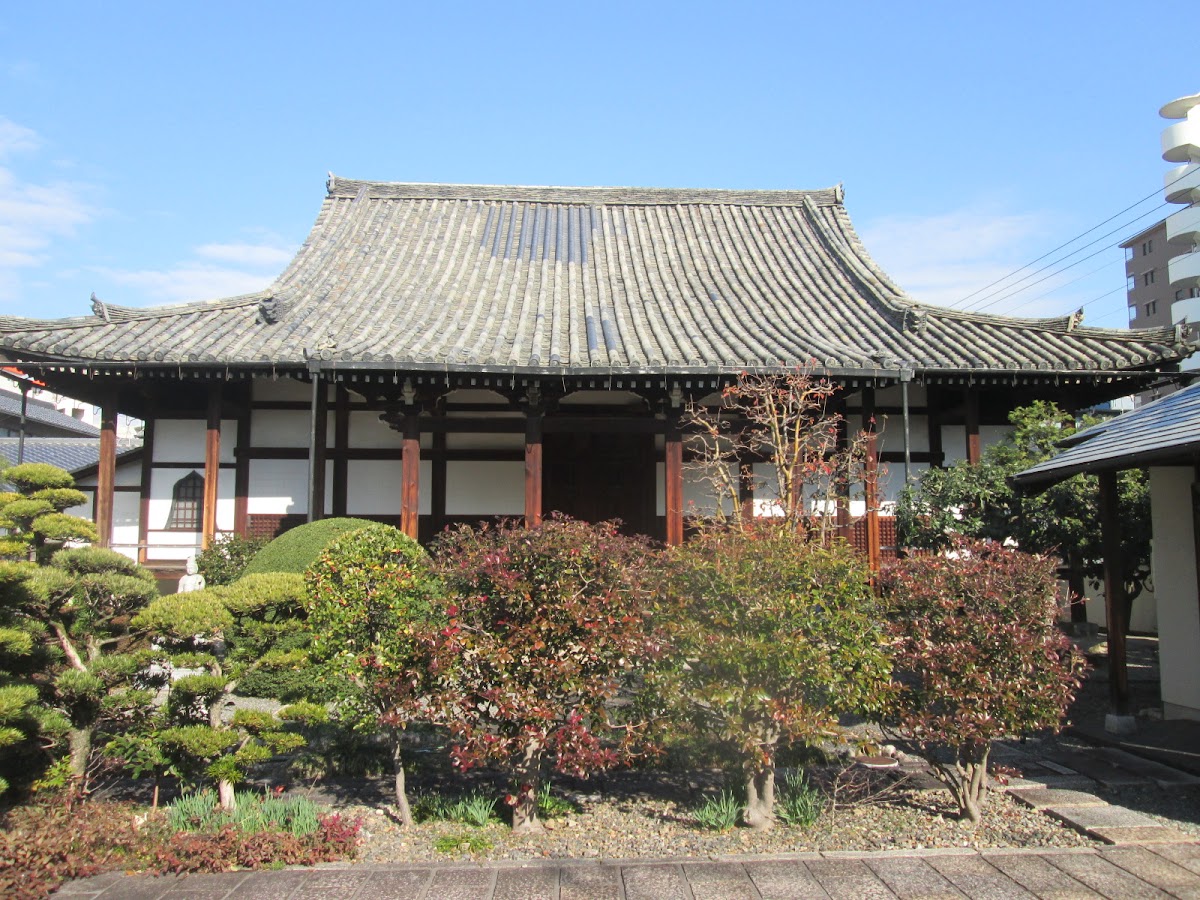
The main hall, rebuilt during the Edo period, welcomes visitors with its dignified presence. The principal image, Hayagriva, is enshrined in the inner sanctuary, and can be viewed up close during special viewing opportunities.
Niomon Gate
The Niomon Gate, standing at the entrance to the approach to the temple, houses powerful Kongo Rikishi statues, demonstrating the temple’s dignity.
Garden
The temple grounds feature a garden where visitors can enjoy the beauty of nature throughout the seasons, and it is particularly popular with visitors during the cherry blossom season in spring and the autumn foliage season.
Observation Deck
Matsuo-ji Temple is located on the mountainside, and from its grounds there is a spectacular viewpoint offering panoramic views of Maizuru Bay. On clear days, you can even see as far as Wakasa Bay.
Annual Events
Matsuo-ji Temple holds various Buddhist services and events throughout the year.
- New Year’s Visit: Many worshippers visit during the first three days of the New Year.
- Setsubun Festival: A bean-throwing ceremony is held on February 3rd.
- Flower Festival: A ceremony celebrating the birth of Buddha is held on April 8th.
- Spring and Autumn Grand Festivals: Grand ceremonies are held in each respective season.
Access Information
Access by Train and Bus
- Get off at Matsuo-dera Station on the JR Maizuru Line, approximately 50 minutes on foot.
- Get off at Matsuo-dera bus stop on the Kyoto Kotsu Bus, approximately 30 minutes on foot.
Access by Car
- Approximately 20 minutes from Maizuru-Nishi IC on the Maizuru-Wakasa Expressway.
- Parking: Free parking available (approximately 50 cars).
Visiting Information
- Visiting Hours: 8:00 AM – 5:00 PM (may vary depending on the season)
- Admission Fee: Adults 300 yen, Children free
- Treasure Hall: A separate admission fee may be required.
Matsuo-ji Temple, Yamato-Koriyama City, Nara Prefecture: Japan’s Oldest Pilgrimage Site for Warding Off Evil
History and Characteristics
Matsuo-ji Temple, located in Yamato-Koriyama City, Nara Prefecture, is a Shingon Buddhist temple known as “Japan’s oldest pilgrimage site for warding off evil.” It is said to have been founded in 718 AD by imperial decree of Prince Toneri, and is considered the birthplace of evil-warding beliefs.
Located on the slopes of Mt. Toneri, overlooking the Yamato Sanzan mountains, it has long been a place of worship for those seeking protection from evil and good fortune.
Center of Evil-Warding Beliefs
Matsuo-ji Temple’s evil-warding beliefs have a history of over 1300 years, and people from all over Japan, especially those facing their unlucky years, visit the temple. The principal image, Yakushi Nyorai (Medicine Buddha), is revered as a Buddha for healing illnesses and warding off evil, and evil-warding prayers can be received throughout the year.
Highlights of the Temple Grounds
Main Hall
The main hall, which houses the principal image of Yakushi Nyorai (Medicine Buddha), is a stately building that retains the architectural style of the Edo period.
Three-Storied Pagoda
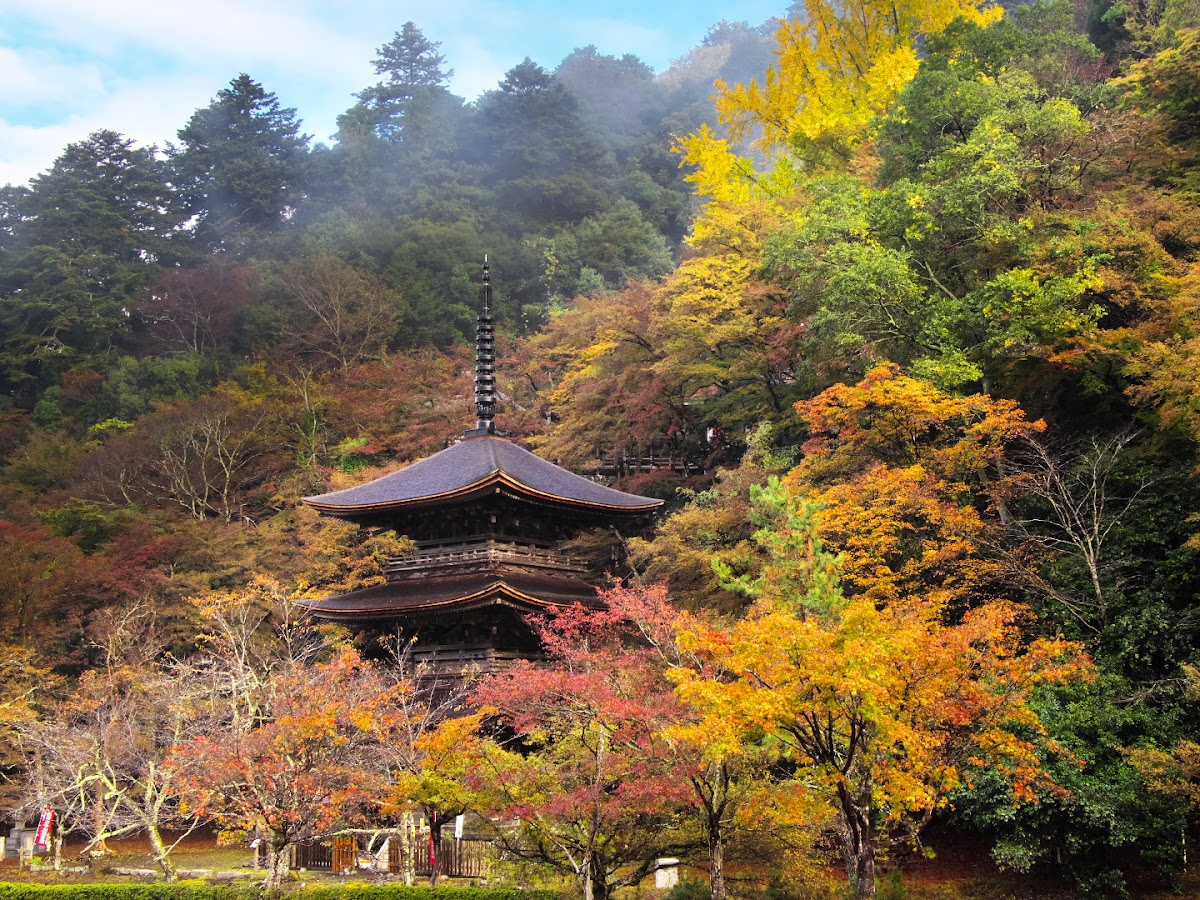
The three-storied pagoda standing on the temple grounds is designated as a cultural property of Nara Prefecture and is a symbolic presence of Matsuo-ji Temple.
En no Gyoja Hall
This hall enshrines En no Gyoja, the founder of Shugendo (mountain asceticism), demonstrating its deep connection to Shugendo.
Access Information
Access by Train and Bus
- Take the Nara Kotsu bus from Kintetsu Kashihara Line “Koriyama Station” or JR Yamatoji Line “Yamato-Koizumi Station,” get off at “Matsuo-dera-guchi,” and walk for approximately 30 minutes.
Access by Car
- Approximately 15 minutes from Nishimeihan Expressway “Koriyama IC”
- Parking: Free parking available
Visiting Information
- Visiting Hours: 9:00 AM – 4:00 PM
- Admission Fee: Free entry to the grounds (Donation required for entry into the main hall)
- Exorcism Prayer: Accepted at any time (Reservations recommended)
Matsuo-dera Temple in Wakayama City, Wakayama Prefecture: An Ancient Temple of Kishu
Matsuo-dera Temple is also located in Wakayama City, Wakayama Prefecture, and is known as an ancient temple that attracts the faith of the local community. While the exact founding date is unknown, it is believed to have existed since the Heian period and has played a part in the Buddhist culture of Kishu.
As a community-oriented temple, it has strong ties with its parishioners and local residents, and various memorial services and events are held throughout the year.
Points and Manners for Visiting Matsuo-ji Temple
Basic Manners for Visiting Temple
Bowing at the Temple Gate
When entering the temple, bow before the temple gate (Nio-mon) before entering the grounds.
Procedure for Washing Hands
- Hold the ladle in your right hand and wash your left hand.
- Switch the ladle to your left hand and wash your right hand.
- Switch the ladle back to your right hand, receive water in your left hand, and rinse your mouth.
- Finally, stand the ladle upright and wash the handle.
Worship at the Main Hall
- Bow quietly before the offering box.
- Place your offering quietly.
- Join your hands in prayer and pray sincerely.
- Bow and leave.
About Goshuin (Temple Seals)
Many Matsuo-ji temples offer Goshuin. A Goshuin (temple stamp) serves as proof of your visit and a record of your connection with the temple.
How to receive a Goshuin
- Present your Goshuincho (stamp book) at the Goshuin office (Nokyo-jo)
- It is generally best to receive it after your visit
- The offering fee (Nokyo-ryo) is approximately 300-500 yen
- Remember to use polite language and express your gratitude
Goshuin of the Saigoku Thirty-Three Kannon Pilgrimage
Matsuo-ji Temple in Maizuru City is one of the Saigoku Thirty-Three Kannon Pilgrimage sites, and its Goshuin holds special significance for pilgrims. You can have it inscribed in a dedicated Goshuincho or Nokyo-cho.
Photography Etiquette
- Photography inside the main hall and of Buddha statues is generally prohibited.
- Even in areas where photography is permitted, please be considerate of other visitors.
- Use of tripods requires prior confirmation.
- When posting on social media, please be careful not to include other visitors in your photos.
Tourist Attractions Around Matsuo-ji Temple
Around Matsuo-ji Temple in Maizuru City
Maizuru Red Brick Park
This park preserves a group of red brick warehouses built during the Meiji and Taisho periods, and is a popular tourist spot as a modern heritage site of Maizuru. Approximately 20 minutes by car from Matsuo-ji Temple.
Maizuru Repatriation Memorial Museum
This facility tells the history of post-war repatriation and exhibits materials registered as a UNESCO World Memory Heritage site.
Goro Sky Tower
This observation tower offers a 360-degree view of Maizuru Bay, and boasts a spectacular view selected as the “No. 1 of the Kinki Region’s Top 100 Views.”
Around Matsuo-ji Temple in Yamato-Koriyama City
Koriyama Castle Ruins
The ruins of a castle built by Toyotomi Hidenaga, it becomes a popular cherry blossom viewing spot in spring.
Goldfish Museum
Yamato-Koriyama City is famous as a goldfish producing area, and this facility allows visitors to learn about the history and cultivation of goldfish.
Horyu-ji Temple
Horyu-ji Temple, registered as a World Heritage Site as the world’s oldest wooden structure, is accessible in about 30 minutes by car.
Seasonal Charms of Matsuo-ji Temple
Spring (March-May)
During cherry blossom season, the temple grounds are dyed in a soft pink, attracting many visitors. The view of Maizuru Bay through the cherry blossoms at Matsuo-ji Temple in Maizuru City is particularly spectacular. Furthermore, with the arrival of spring, wildflowers begin to sprout, making it a season where you can feel the breath of nature.
Summer (June-August)
The temple grounds, enveloped in beautiful fresh greenery and deep lush foliage, offer a cool and refreshing atmosphere. Hydrangeas adorn the grounds during the rainy season, and the sounds of cicadas fill the air during summer. Many visitors come seeking the coolness unique to mountain temples, making it a popular summer retreat.
Autumn (September-November)
The autumn foliage at Matsuo-ji Temple is breathtakingly beautiful. Especially from mid- to late November, the grounds are dyed in vibrant reds and yellows, creating a truly spectacular autumn landscape. Special viewings and illuminations are sometimes held during the autumn foliage season.
Winter (December-February)
The snow-covered grounds are enveloped in silence, creating a solemn atmosphere. With fewer visitors, it’s a season for peaceful worship. Winter events such as Hatsumode (first shrine visit of the year) and Setsubun (bean-throwing festival) can also be enjoyed.
Training Experience and Temple Lodging at Matsuo-ji Temple
Some Matsuo-ji temples offer training experiences and temple lodging stays that are open to the general public.
Zen Meditation and Sutra Copying Experience
Zen meditation, where you quiet your mind and confront yourself, and sutra copying, where you carefully copy each character of a sutra, are valuable experiences for modern people. Careful instruction is provided so that even beginners can participate.
Morning Service Experience
If you stay in the temple lodging, you can participate in the early morning service. Chanting with the monks and experiencing a refreshing morning is a precious experience that you won’t find in everyday life.
Shojin Ryori (Vegetarian Buddhist Cuisine)
Shojin ryori, which does not use meat or fish, is a meal based on Buddhist teachings. Dishes that utilize seasonal vegetables are gentle on the body, and you can experience Buddhist teachings through the meal.
Cultural Properties and Treasures of Matsuo-ji Temple
Important Cultural Properties
Matsuo-ji Temple in Maizuru City houses numerous Buddhist statues dating from the Heian to Kamakura periods, some of which are designated as National Important Cultural Properties.
Wooden Statue of Fugen Bodhisattva Riding an Elephant
A work from the late Heian period, characterized by its elegant form.
Wooden Seated Statue of Amida Buddha
A Buddhist statue with a gentle expression influenced by the Jocho style.
Temple Treasures
Each Matsuo-ji Temple houses valuable temple treasures that have been passed down through its long history. Ancient documents, Buddhist implements, paintings, and other items that tell the history of each temple are carefully preserved.
Donations and Contributions to Matsuo-ji Temple
Maintaining a temple incurs significant costs. Donations and contributions from visitors are used for building repairs, preservation of Buddhist statues, and operation of events.
Types of Offerings
- Offering: A donation placed in the offering box during worship.
- Goshuin Fee: A fee paid when receiving a Goshuin (temple stamp).
- Prayer Fee: A donation for exorcism or prayers.
- Donation: A donation for the maintenance and repair of the temple.
There are no set amounts, but it is important to offer with sincerity.
Clothing and Items to Bring When Visiting Matsuo-ji Temple
Appropriate Attire
While there are no strict dress code regulations for temple visits, it is desirable to dress appropriately, keeping in mind that it is a sacred place.
- Avoid revealing clothing
- Dress neatly and cleanly
- Choose comfortable shoes for mountain temples
- It’s useful to have something to wear over your clothes, even in summer
List of things to bring
- Goshuincho: Essential for those collecting temple stamps
- Prayer beads: Good to bring if you have them
- Camera: To record memories (please observe photography etiquette)
- Drinks: Especially for mountain temples, to prevent heatstroke
- Rain gear: Essential during periods of unpredictable weather
- Small change: For offerings and temple stamp fees
Legends and folk beliefs of Matsuo-ji Temple
Tales of Miraculous Powers
Matsuo-ji Temple has many tales of miraculous powers. Stories demonstrating the power of faith, such as healing illnesses and fulfilling wishes, remain in the region.
Connections with the Community
Matsuo-ji Temple is not merely a religious facility; it has also played a central role in the local community. Through festivals and events, it serves as a place for intergenerational exchange. ## Best Season to Visit Matsuo-ji Temple
The best time to visit Matsuo-ji Temple depends on your purpose.
For enjoying autumn foliage: Mid-November to late November
For enjoying cherry blossoms: Late March to early April
For a quiet visit: Weekday mornings or winter
For experiencing festivals: During the spring and autumn festivals
If you want to avoid crowds, visiting on a weekday is recommended. Especially early mornings, there are fewer visitors, allowing for a peaceful and relaxing visit.
Things to do after visiting Matsuo-ji Temple
Strolling through the temple town
Some Matsuo-ji temples have temple towns with many shops selling local specialties and souvenirs. It’s recommended to stop by after your visit and enjoy the local flavors.
Hot springs and dining
There are hot spring facilities around Maizuru City, allowing you to enjoy both temple visits and hot springs. There are also many restaurants where you can savor fresh seafood from the Sea of Japan and local cuisine. ## Summary: Finding Peace of Mind at Matsuo-ji Temple
Matsuo-ji Temple is a place of peace and tranquility, blessed with a long history and abundant nature. As one of the 33 temples of the Saigoku Kannon Pilgrimage, a sacred site for warding off evil, and a center of local faith, each Matsuo-ji temple possesses its own unique charm.
Taking time to escape the hustle and bustle of daily life and reflect on oneself through a visit will be a valuable experience in modern society. Find peace of mind amidst the beautiful nature of the four seasons, historical buildings, and serene atmosphere.
We sincerely hope you will visit Matsuo-ji Temple and experience its charm firsthand. When visiting, it is important to observe proper etiquette and visit with gratitude.