Complete Guide to Kotohira Shrine (Chizu-cho, Yazu-gun, Tottori Prefecture)
Kotohira Shrine, located in Chizu-cho, Yazu-gun, Tottori Prefecture, is a historic shrine that has been cherished by the local people for centuries. This article provides detailed information you should know before visiting, including the history of Kotohira Shrine, its enshrined deities, blessings, highlights of the grounds, how to worship, access information, and nearby tourist spots.
What is Kotohira Shrine?
Kotohira Shrine is a shrine located in Chizu-cho, Yazu-gun, Tottori Prefecture, and has been revered as the local guardian deity for many years. Chizu-cho is a mountain town surrounded by abundant nature and has a deep history of forestry. Kotohira Shrine has also grown alongside the development of this region.
Kotohira Shrines, scattered throughout Japan, have Kotohira-gu (Konpira-san) in Kagawa Prefecture as their head shrine and are known for their blessings of maritime safety, traffic safety, and business prosperity. The Kotohira Shrine in Chizu Town has inherited similar beliefs while fostering its own unique local history and culture.
Deities and Benefits
Deities
The deity enshrined at Kotohira Shrine is Ōmononushi-no-kami. Ōmononushi-no-kami is an ancient deity appearing in the Kojiki and Nihon Shoki, and is sometimes considered the benevolent spirit (nigimitama) of Ōkuninushi-no-kami. Also known as the enshrined deity of Ōmiwa Shrine in Nara, Ōmononushi-no-kami is a god who presides over a wide range of fields, including nation-building, agriculture, commerce, and medicine.
Main Benefits
The following benefits are believed to be offered at Kotohira Shrine:
- Maritime Safety and Traffic Safety: A representative benefit of Kotohira worship, protecting travelers safely.
- Business Prosperity: Praying for business development and success.
- Abundant Harvest: Praying for agricultural prosperity and a bountiful harvest.
- Family Safety: Protecting the health and peaceful life of the family.
- Good Fortune and Prosperity: Attracting good fortune and happiness.
- Healing from Illness: Recovery from illness and protection from disease.
History of Kotohira Shrine
Origin of Founding
While the exact founding date of Kotohira Shrine in Chizu Town is unclear due to limited records, it is believed to have been established during the mid-to-late Edo period, when Kotohira worship spread throughout Japan.
During the Edo period, pilgrimages to Kotohira Shrine in Sanuki were extremely popular among common people, known as “Konpira-mairi.” However, since visiting from afar was not easy, Kotohira Shrines were established in various locations, allowing local people to worship more easily.
Connection to Chizu Town
Chizu Town has long been a region where forestry flourished, and timber was transported by floating it down the river. Therefore, the Kotohira faith, which prays for safety on the water, is thought to have held particular significance for the people of this region.
Furthermore, in Chizu Town, which prospered as a post town on the Chizu Highway (Inaba Highway), Kotohira Shrine likely also functioned as a place to pray for the safety of travelers.
Faith Passed Down to the Present
Even today, Kotohira Shrine is carefully preserved by local parishioners and worshippers. Through regular festivals and cleaning activities, it continues to play a central role in the local community.
Highlights of the Shrine Grounds
Main Hall
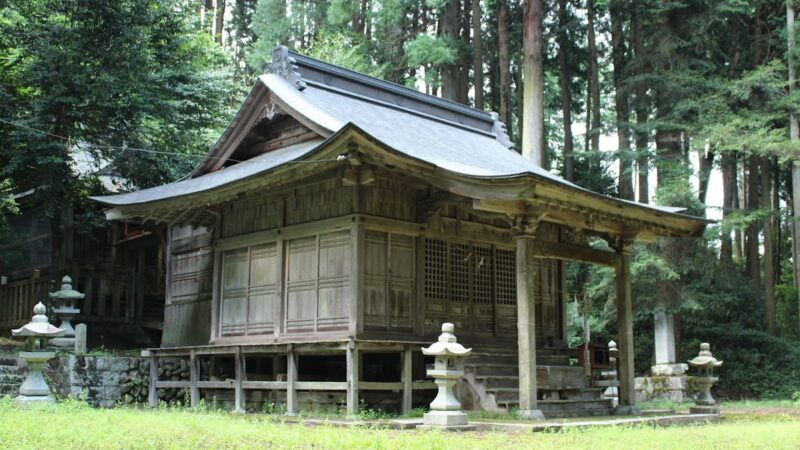
The main hall of Kotohira Shrine is a building in the style of traditional shrine architecture. Although small in scale, it is meticulously maintained, reflecting the deep faith of the local people.
Stone Steps and Approach
Like many Kotohira Shrines, the Kotohira Shrine in Chizu Town has stone steps. This is thought to be modeled after the long stone steps leading to the main shrine, Kotohira-gu. Climbing the steps while praying is an important time to purify the mind and prepare to draw closer to the gods.
Komainu and Stone Sculptures
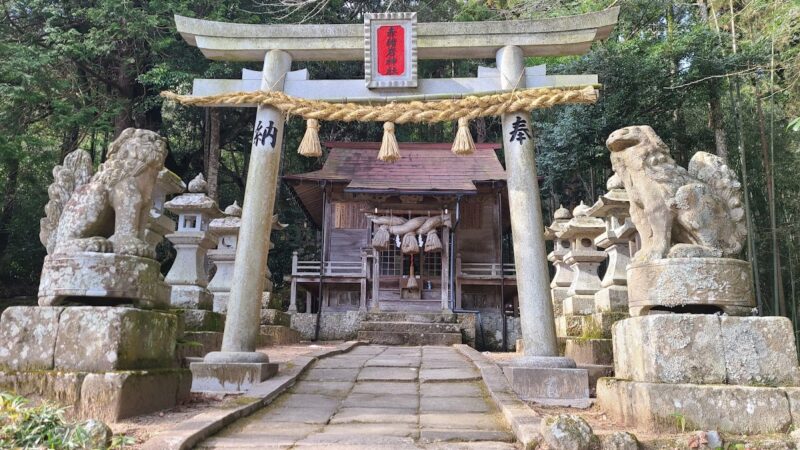
Stone sculptures such as guardian lion-dogs and stone lanterns are placed within the shrine grounds. These offerings often bear the names and dates of the donors, providing clues to the shrine’s history.
Natural Environment
Chizu Town is a naturally rich area and a member of the “Association of Japan’s Most Beautiful Villages.” The area around the Kotohira Shrine is surrounded by lush greenery, allowing visitors to experience the changing seasons while praying. The atmosphere of the shrine grounds is especially beautiful during the seasons of fresh greenery and autumn leaves.
How to Visit and Etiquette
Basic Worship Etiquette
When visiting Kotohira Shrine, please observe the following basic etiquette:
- Bow before the Torii Gate: Before entering the shrine grounds, bow before the torii gate.
- Walking on the Path: The center of the path is considered the path of the gods, so walk along the sides.
- Purify at the Water Basin: If there is a water basin, purify your hands and mouth.
- Worship at the Main Hall:
- Quietly place your offering in the offering box.
- Ring the bell if there is one.
- Two bows, two claps, one bow (two bows, two claps, one bow)
- Bow upon Exit: When leaving through the torii gate, turn around and bow.
Attire for Worship
There are no specific dress code requirements, but please dress in a clean and respectful manner, as you are going to meet the gods. Avoid excessive exposure, and it is polite to remove your hat when worshipping.
Regarding Photography
Photography is generally permitted within the shrine grounds, but please refrain from taking photos inside the main hall or in areas where photography is prohibited. Please also be considerate of other visitors.
Annual Festivals and Events
Kotohira Shrine holds various festivals and events throughout the year. The main events include the following:
Grand Festival
The Grand Festival, held at a fixed time each year, is the most important festival for the shrine. Local people gather to express gratitude to the gods and pray for their protection in the future.
New Year’s Visit
Many visitors come to the shrine in the New Year to pray for safety and happiness throughout the year. Despite being a small shrine, it is an important place for the local community to visit for the New Year.
Other Events
Other local traditional events and seasonal festivals may also be held. For detailed schedules, it is recommended to check local information and Chizu Town’s tourism information in advance.
Access Information
Location
Address: Chizu-cho, Yazu-gun, Tottori Prefecture
*For detailed address information, please contact the Chizu Town Hall or a local tourist information center.
Access by Public Transportation
Train:
- The nearest station is JR Inbi Line “Chizu Station”.
- From Chizu Station to the shrine, you can walk or take a taxi.
- Chizu Station is a major station where the limited express “Super Inaba” also stops.
Bus:
- Community buses operating within Chizu Town may be available.
- Please contact Chizu Town Hall for information on operating status and routes.
Access by Car
Major Roads:
- Approximately 10 minutes by car from Tottori Expressway “Chizu IC” (this varies depending on the specific location of the shrine).
- Access to Chizu Town is possible along National Route 53.
Parking:
- It is recommended to check in advance whether there is a dedicated parking lot for the shrine.
- Public parking lots within Chizu Town may also be available.
Notes on Access
Because Chizu Town is located in a mountainous area, there is a possibility of snow and icy roads during the winter. When visiting in winter, please check the weather forecast and prepare winter tires or chains.
Attractions of Chizu Town and Surrounding Tourist Spots
When visiting Kotohira Shrine, be sure to also explore other attractive spots in Chizu Town.
Chizu-juku
Chizu-juku is a historic town that flourished as a post town on the Inaba Highway during the Edo period. Old merchant houses and inns remain, allowing you to experience the atmosphere of yesteryear.
Ishitani Residence
The Ishitani Residence, designated as a National Important Cultural Property, is known as a masterpiece of modern Japanese-style architecture. The magnificent mansion and beautiful garden on its vast grounds are a must-see.
Ashizu Valley
Ashizu Valley, selected as one of the “100 Famous Waters of the Heisei Era,” is a scenic spot with crystal-clear streams and pristine forests. It’s ideal for hiking and forest bathing, allowing you to enjoy the beauty of nature in every season.
Itaihara Village
The Itaihara village, which retains the landscape of a traditional mountain village, has been selected as one of “Japan’s Top 100 Terraced Rice Fields.” The scenery created by the beautiful terraced rice fields and thatched-roof houses is the very essence of Japan’s quintessential landscape.
Chizu Cedar
Chizu Town is known as a forestry town and is nationally recognized for its “Chizu Cedar” brand. The forest, lined with giant cedar trees hundreds of years old, is breathtaking.
Chizu Roadside Station
This roadside station offers Chizu Town’s specialty products and souvenirs. It stocks fresh local vegetables, processed goods, and crafts made from Chizu cedar.
History and Culture of Chizu Town
History as a Post Town
Chizu Town flourished as a post town on the Inaba Highway (Chizu Highway) during the Edo period. It played an important role as a route for the Tottori Domain’s sankin-kotai (alternate attendance) system and was bustling with many travelers.
Forestry Town
The history of Chizu Town is closely intertwined with forestry. Large-scale afforestation began in the Edo period, and the town developed as a producer of high-quality cedar timber. Even today, traditional forestry techniques are passed down as “Chizu Forestry.”
Forest Therapy Base
Chizu Town is certified as a “Forest Therapy Base,” offering health promotion programs through forest bathing. Community development utilizing the rich natural environment is underway.
Precautions for Visiting
Visiting Hours
Kotohira Shrine is generally open for worship throughout the day, but it is recommended to avoid nighttime visits for safety reasons. Please visit during daylight hours.
Regarding Goshuin (Shrine Seals)
If you wish to receive a Goshuin, please check in advance, as there may not be a resident priest. Other shrines and temples within Chizu Town may also provide them.
Consideration for the Community
Kotohira Shrine may be located near residential areas. When visiting the shrine, please refrain from shouting or making noise, and be considerate of the local residents’ lives.
Nature Conservation
Please cherish the natural environment within and around the shrine grounds. Always take your trash with you, and be careful not to damage or collect plants.
About Kotohira Faith
Origin of Kotohira Faith
Kotohira faith is a belief system that spread from Kotohira Shrine in Kagawa Prefecture. Affectionately known as “Konpira-san,” it was particularly revered by sailors and fishermen as a deity of maritime safety.
Spread Nationwide
During the Edo period, pilgrimages to Kotohira Shrine became extremely popular among common people. It was said that “everyone should visit Konpira at least once in their lifetime,” and many worshippers came from far and wide. Along with the spread of this faith, Kotohira shrines were established throughout Japan.
Modern-Day Kotohira Faith
In modern times, Kotohira is believed to offer a wide range of blessings, including not only maritime safety but also general traffic safety, business prosperity, and good fortune. Kotohira shrines throughout Japan continue to attract the faith of people as guardian deities of their communities.
Summary
The Kotohira Shrine in Chizu-cho, Yazu-gun, Tottori Prefecture, is a historical shrine deeply rooted in the community. Though small in scale, it is a precious place that has preserved the faith and traditions of the local people.
When visiting Chizu-cho, be sure to also visit the Kotohira Shrine. The time spent calming your mind in the tranquil grounds and praying for safe travels and daily happiness will surely be a memorable experience.
Furthermore, combining your visit to the Kotohira Shrine with experiencing Chizu-cho’s rich nature, historic townscape, and traditional culture will make your trip even more fulfilling. Experience the quintessential Japanese landscape and the vibrant spirit of traditional faith in this beautiful town surrounded by Chizu cedar forests.
When visiting, please be considerate of the local community, observe proper etiquette, and enjoy a peaceful time. Kotohira Shrine awaits your visit in quiet solitude.