Complete Guide to Kōtoku-ji Temple (Kamigyo-ku, Kyoto Prefecture) | Detailed Explanation of History, Access, and Highlights
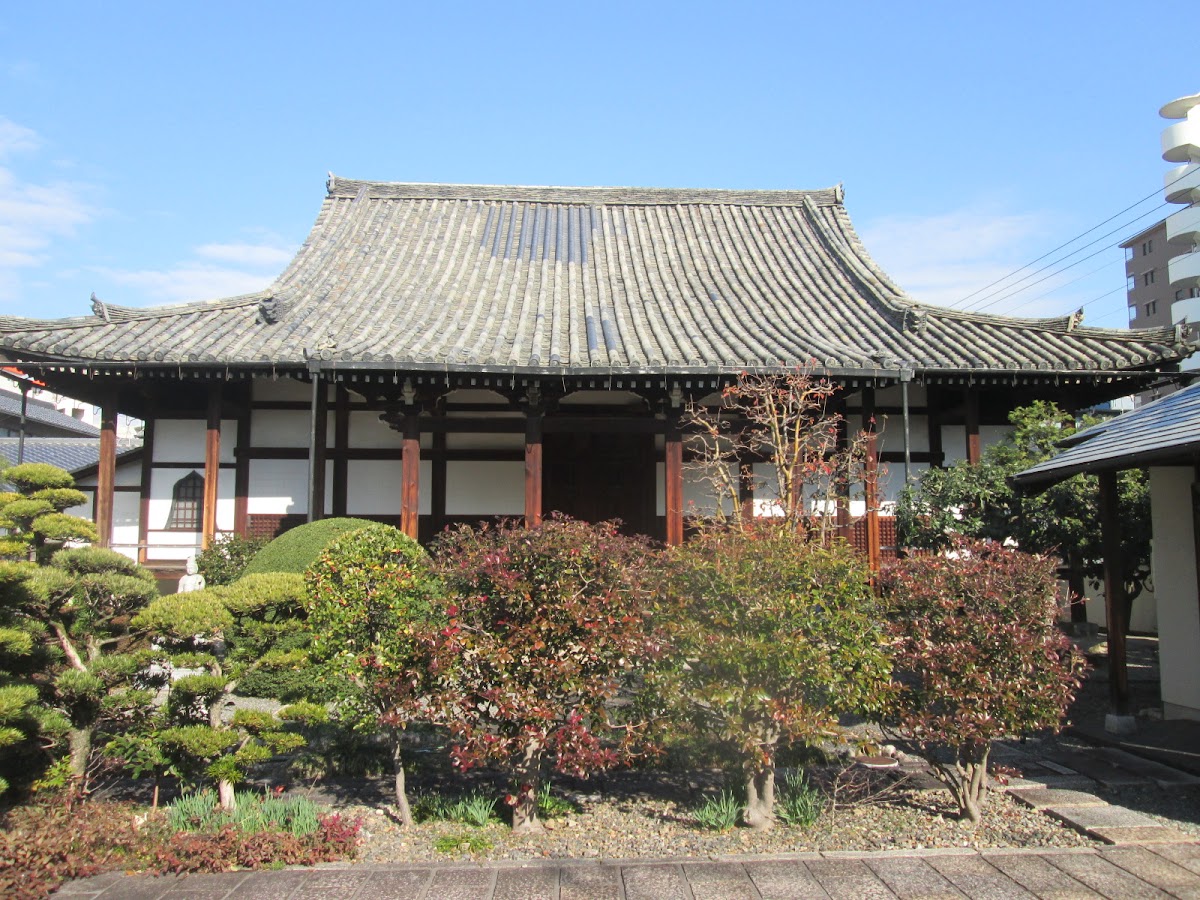
Kōtoku-ji Temple, located along Motoseiganji Street in Kamigyo-ku, Kyoto City, is a Jōdo Shinshū Honganji-ha temple deeply rooted in the local community. Situated behind Seimei Shrine, it remains in a quiet residential area while preserving a long history and faith. This article provides detailed information on Kōtoku-ji Temple’s history, sect, principal image, access methods, and nearby attractions, making it useful for those considering a visit or interested in temples in Kyoto.
Basic Information about Kōtoku-ji Temple
Location and Contact Information
Address: 506 Teraima-cho, Kuromon Higashi-iru, Motoseiganji-dori, Kamigyo-ku, Kyoto City, Kyoto Prefecture 602-8215
Phone Number: 075-451-1321
Sect: Jōdo Shinshū Honganji-ha (Nishi Honganji-ha)
Principal Image: Amida Buddha
Chief Priest: Reverend Fumio Hattori
Kōtoku-ji Temple is located in Teraima-cho, Kamigyo-ku, Kyoto City, with its main gate facing Motoseiganji-dori. The main hall and other major buildings are located in the northern part of the temple grounds, creating a tranquil environment for worship.
About Jōdo Shinshū Honganji-ha
Kōtoku-ji Temple belongs to the Jōdo Shinshū Honganji-ha, a branch of Jōdo Shinshū Buddhism founded by Shinran Shōnin. Its head temple is Nishi Honganji (Ryūkokuzan Honganji) in Kyoto. The Jodo Shinshu sect is based on the teaching of reliance on the power of others, which states that by chanting “Namu Amida Butsu,” one can attain rebirth in the Pure Land through the power of Amida Buddha’s original vow.
Jodo Shinshu is one of the largest Buddhist sects in Japan in terms of the number of followers, and there are many Jodo Shinshu temples in Kyoto Prefecture. Kōtoku-ji Temple is one of them, functioning as a center of faith in the region.
History and Origin of Kōtoku-ji Temple
Background of Founding
While historical records are limited regarding the exact founding date of Kōtoku-ji Temple, the area around Moto-Seiganji-dori has long been known as a region with many temples. This area is close to the center of Kyoto, and many temples were built there from the Muromachi period to the Edo period.
The name of Moto-Seiganji-dori itself originates from Seiganji Temple, which once existed in this area. Although Seiganji Temple has now relocated to Nakagyo Ward, it once had a vast temple grounds in this area of Kamigyo Ward. It is believed that Kōtoku-ji Temple also developed as a temple supporting the faith of the local people within this historical context.
Relationship with Neighboring Temples
Immediately adjacent to Kōtoku-ji Temple is Shōken-ji Temple, also of the Jōdo Shinshū sect. Shōken-ji Temple belongs to the Shinshū Ōtani sect (Higashi Honganji sect), and is of a different sect than Kōtoku-ji Temple, which belongs to the Honganji sect. Interestingly, just as Higashi Honganji and Nishi Honganji temples are located close together in Kyoto City, temples of the Ōtani sect and Honganji sect are also located next to each other in this area.
This arrangement tells the story of the historical branching of Jōdo Shinshū and is an interesting example for understanding the religious geography of Kyoto.
How to Access Kōtoku-ji Temple
Access from the Nearest Station
The most convenient way to access Kōtoku-ji Temple is by using the Kyoto Municipal Subway Karasuma Line.
From Imadegawa Station (Nearest Station)
Estimated Time: Approximately 12-15 minutes on foot
Route: Exit Imadegawa Station from Exit 6 and head north along Karasuma Street. Turn west onto Kuramaguchi Street, then head south along Kuromon Street until you reach Motoseiganji Street. Head east along Motoseiganji Street to reach Kōtoku-ji Temple.
From Kuramaguchi Station
Estimated Time: Approximately 10-12 minutes on foot
Route: Head west from Kuramaguchi Station from Exit 2, then head south along Kuromon Street. Kōtoku-ji Temple is located near the intersection with Motoseiganji Street.
From Marutamachi Station
Estimated Time: Approximately 18-20 minutes on foot
While it is possible to access the temple on foot from Marutamachi Station, it is a bit of a distance, so we recommend using Imadegawa Station or Kuramaguchi Station.
Access by Bus
If using Kyoto City Buses, the “Horikawa Imadegawa” or “Imadegawa Omiya” bus stops are relatively close. However, it takes about 10-15 minutes to walk from the bus stops, so using the subway is more convenient.
Access by Car
The area around Kōtoku-ji Temple is a residential area, and information regarding dedicated parking is limited. It is recommended to inquire with the temple in advance before visiting. The roads in central Kyoto are narrow and parking is scarce, so using public transportation is recommended.
Tips for Using Maps and Navigation
When visiting Kōtoku-ji Temple, it is convenient to use a smartphone map app or navigation service. Searching for “Kōtoku-ji Temple, Kamigyo-ku, Kyoto City” will easily show you the route from your current location. Motoseiganji-dori is a relatively easy street to navigate, but first-time visitors should check the route in advance for a smoother experience.
Attractions and Tourist Spots Around Kōtoku-ji Temple
Seimei Shrine (Approx. 5-minute walk)
Located a few minutes’ walk from Kōtoku-ji Temple, Seimei Shrine is famous as a shrine dedicated to Abe no Seimei, a Heian period onmyoji (diviner). In recent years, its popularity has increased due to the influence of movies and novels, attracting many visitors. It is known for its pentagram symbol (Seimei Kikyo) and its blessings for warding off evil.
Ubō-in Temple (Approx. 7-minute walk)
Ubō-in Temple is affectionately known as “Nishijin’s Shōten-san” and is particularly famous for its beautiful cherry blossoms in spring (rare varieties such as Gyoiko-zakura and Kanki-zakura). Despite its small grounds, it is popular as a temple of flowers, where visitors can enjoy different flowers in each season.
Shiramine Jingu Shrine (Approx. 10-minute walk)
Known as the god of kemari (traditional Japanese football), it attracts many visitors praying for improvement in sports such as soccer. It is a historical shrine dedicated to Emperor Sutoku and Emperor Junnin.
Honryuji Temple (approx. 8-minute walk)
This is a major temple of the Nichiren sect, boasting vast grounds. Highlights include the Founder’s Hall (a designated Important Cultural Property) and its beautiful gardens.
Shinmei-dori Shopping Street (within walking distance)
This shopping street is deeply rooted in local life, offering a glimpse into the traditional atmosphere of old Kyoto. Recommended for those who want to interact with locals and experience everyday Kyoto life.
Etiquette and Manners for Visiting Kōtoku-ji Temple
Basic Etiquette for Visiting Temples
Jōdo Shinshū temples have characteristics that differ from other sects.
- Gassho (prayer with hands clasped): Join your hands and recite “Namu Amida Butsu” (Homage to Amida Buddha).
- Incense Offering: Normally, do not press the incense to your forehead; simply place it directly into the incense burner (1-2 times).
- Prayer Beads: Wear them on both hands.
Attire and Items to Bring When Visiting
There are no specific dress code requirements, but please dress appropriately when visiting a temple. Even in summer, avoid overly revealing clothing, and it is considered good manners to remove your hat inside the main hall.
Photography
It is advisable to obtain permission before taking photographs on the temple grounds. Photography is often prohibited inside the main hall and of Buddha statues, so please be sure to check.
Services Available at Kōtoku-ji Temple
Memorial Services
Kōtoku-ji Temple holds various Buddhist services, including annual memorial services and monthly memorial services. Those wishing to hold a memorial service can contact the temple by phone in advance to discuss the date and content.
Funeral and Interment Services
We offer consultations regarding funerals and interment services according to the Jodo Shinshu Honganji sect. For details regarding the temple’s membership system and cemeteries, please contact the temple directly.
Buddhist Consultation
You can also consult with the head priest about questions related to Buddhism or life’s worries. We recommend making a reservation before visiting.
Temple Culture in Kamigyo Ward and the Role of Kōtoku-ji Temple
Temple-Dense Area in Kamigyo Ward
Kamigyo Ward in Kyoto City is located north of the Kyoto Imperial Palace and has long been an area where aristocratic and samurai residences, as well as numerous temples, were concentrated. Even today, many temples are scattered throughout the area, each preserving its own unique history and faith.
The area around Motoseiganji-dori, where Kōtoku-ji Temple is located, is one of the areas with a particularly high concentration of temples. A stroll through this area allows you to see temples of various sects and experience the diversity of Kyoto’s religious culture.
Role as a Community-Based Temple
Kōtoku-ji Temple is not a large-scale tourist temple, but a community-based temple that supports the religious lives of local people. Such temples are important for supporting Kyoto’s religious culture at a daily level and play a central role in the local community.
Through annual events and memorial services, it functions as a place where local people gather and interact, demonstrating a new role for temples in modern society.
Combining Kyoto Sightseeing with a Visit to Kōtoku-ji Temple
Kamigyo Ward Temple Tour Course
A course visiting temples in Kamigyo Ward, including Kōtoku-ji Temple, is a recommended route for experiencing Kyoto’s profound temple culture.
Model Course (Half-Day):
- Start at Imadegawa Subway Station
- Seimei Shrine (30 min)
- Kōtoku-ji Temple (20 min)
- Uhō-in Temple (30 min)
- Honryū-ji Temple (40 min)
- Shiramine Jingū Shrine (30 min)
- Rest and shopping at Shinmei-dori Shopping Street
This course is within walking distance, allowing you to visit various temples and shrines while experiencing the local atmosphere of Kyoto.
Seasonal Highlights
Spring: The cherry blossoms at Uhō-in Temple nearby are beautiful, making it the perfect season for temple hopping.
Summer: The greenery is lush, and you can enjoy the coolness of the quiet temple grounds.
Autumn: Kyoto as a whole enters the autumn foliage season, allowing for a peaceful temple visit.
Winter: Fewer tourists, allowing for a quiet and leisurely visit.
Things to Know Before Visiting Kōtoku-ji Temple
Visiting Hours and Admission Fee
Kōtoku-ji Temple is primarily a temple for parishioners and believers, and is not open to the public at all times like typical tourist temples. If you wish to visit, it is recommended to confirm by phone in advance.
Regarding admission fees, there is no fee for regular visits, but a donation may be required during memorial services or special events.
Annual Events
Jōdo Shinshū temples hold the following major events:
- Spring Equinox Service (March)
- Buddha’s Birthday (Flower Festival) (April)
- Obon Festival (July or August)
- Autumn Equinox Service (September)
- Memorial Service (November or January)
Specific dates vary from year to year, so those wishing to participate should inquire with the temple in advance.
How to Contact
You can contact Kōtoku-ji Temple by phone (075-451-1321). Please feel free to contact us for requests for memorial services, questions about visiting the temple, or other consultations regarding Buddhist rituals.
The best time to call is between 9:00 AM and 5:00 PM. However, please note that we may not be able to answer during memorial services, so we recommend contacting us with ample time in advance.
The Significance of Visiting Temples in Kamigyo Ward, Kyoto City
A Different Charm from Tourist Temples
Kyoto boasts many world-famous tourist temples such as Kinkaku-ji and Kiyomizu-dera, but visiting community-oriented temples like Kōtoku-ji offers a different kind of charm.
In a tranquility unseen in tourist temples, you can experience the daily religious life of the people of Kyoto. While not flashy, it embodies centuries of religious practice, allowing you to feel the essence of Kyoto’s culture.
Understanding Kyoto Through Temple Visits
To deeply understand Kyoto, it is important to visit not only famous tourist spots but also these local temples. Each temple has its own unique history and connection to the local community.
By visiting temples in Kamigyo Ward, including Kōtoku-ji Temple, you will realize that Kyoto is not merely a tourist city, but a city where a vibrant religious culture still thrives.
Summary: Planning a Visit to Kōtoku-ji Temple
Kōtoku-ji Temple is a Jōdo Shinshū Honganji-ha temple located on Motoseiganji-dori in Kamigyo Ward, Kyoto City. While not a large-scale tourist temple, it is a temple with a long history as a place of faith deeply rooted in the community.
Points to Note When Visiting:
- Access: 12-15 minute walk from Imadegawa or Kuramaguchi subway station.
- Nearby Attractions: Numerous sights within walking distance, including Seimei Shrine and Uhoin Temple.
- Visiting the Temple: Advance contact is recommended (Tel: 075-451-1321).
- Features: A community-oriented temple offering a quiet and peaceful environment for worship.
For those who want to experience Kyoto’s profound temple culture, those seeking a quiet and peaceful visit, and those wishing to tour temples in Kamigyo Ward, we recommend visiting Kōtoku-ji Temple. Visiting it along with other nearby temples and shrines will enhance your Kyoto experience.
Using free map services and navigation apps, even first-time visitors can easily find their way. Why not stroll through the quiet streets of Kamigyo Ward in Kyoto City and visit Kōtoku-ji Temple and other local temples?