Complete Guide to Koyoji Temple (Zushi City, Kanagawa Prefecture) | History and Visiting Information for Namiko Fudo
Koyoji Temple, located on a hill in Zushi City, Kanagawa Prefecture, is a Shingon Buddhist temple of the Koyasan sect, affectionately known as “Namiko Fudo.” With its spectacular location overlooking Zushi Beach and its reputation as the setting for the Meiji-era best-selling novel “Hototogisu,” this ancient temple has attracted the faith of local people for over 700 years. This article provides a detailed introduction to Koyoji Temple, including its history, highlights, goshuin (temple stamp) information, and access methods.
Basic Information about Koyoji Temple
Koyoji Temple is a Shingon Buddhist temple of the Koyasan sect located at 5-5-5 Shinjuku, Zushi City, Kanagawa Prefecture. Its official name is “Shiratakiyama Sanboin Koyoji.” The principal deity is Fudo Myoo, and the temple is designated as the 27th temple on the Miura Fudo pilgrimage route and the 7th temple of the Autumn Seven Herbs pilgrimage (the temple of the pampas grass).
Basic Data
- Official Name: Shiratakiyama Sanboin Koyo-ji Temple
- Sect: Koyasan Shingon Buddhism
- Principal Image: Fudo Myoo (Acala)
- Other Names: Namiko Fudo, Shirataki Fudo, Kotaki Fudo, Namikiri Fudo
- Pilgrimage Site: Miura Fudo No. 27, Autumn Seven Herbs Pilgrimage Site No. 7
- Address: 5-5-5 Shinjuku, Zushi City, Kanagawa Prefecture 249-0007
- Phone: 046-871-7900 (Enmei-ji Temple, which is also managed by Koyo-ji Temple)
- Visiting Hours: Grounds are freely accessible (unmanned temple)
- Admission Fee: Free
- Parking: None
History of Koyo-ji Temple
Founding and the Origin of Fudo Myoo
The exact founding date of Koyo-ji Temple is unknown, but according to temple tradition, it was founded by Kobo Daishi (Kukai). It is said that the temple originated when Kobo Daishi, after studying in Tang China, enshrined a statue of Fudo Myoo in a cave in this area upon his return to Japan.
This statue of Fudo Myoo is over 2 feet (approximately 60 cm) tall, and there is a legend that it calmed the raging waves upon Kobo Daishi’s return. For this reason, it has long been called “Namikiri Fudo” or “Namikiri Fudo,” and has been deeply revered as the guardian deity of the fishermen of Kotsubo. For over 700 years, since the Middle Ages, it has been worshipped as a guardian deity of the sea, protecting fishing boats from storms and rough waves.
From Fudo-do to Koyo-ji Temple
Before the Meiji era, only Fudo-do existed in this area, and it was called “Shirataka Fudo,” “Kotaki Fudo,” or “Otaki Fudo.” These names are thought to originate from the fact that there was once a waterfall in the surrounding area.
The temple took its current form in 1953 (Showa 28). In that year, the buildings of Keizoin, a Shingon Buddhist temple located in Hayama Town, were relocated to this site along with a five-tiered pagoda. It is believed that the official name “Koyo-ji,” which conveys the names of two politicians, was given at this time.
“Hototogisu” and Namiko Fudo
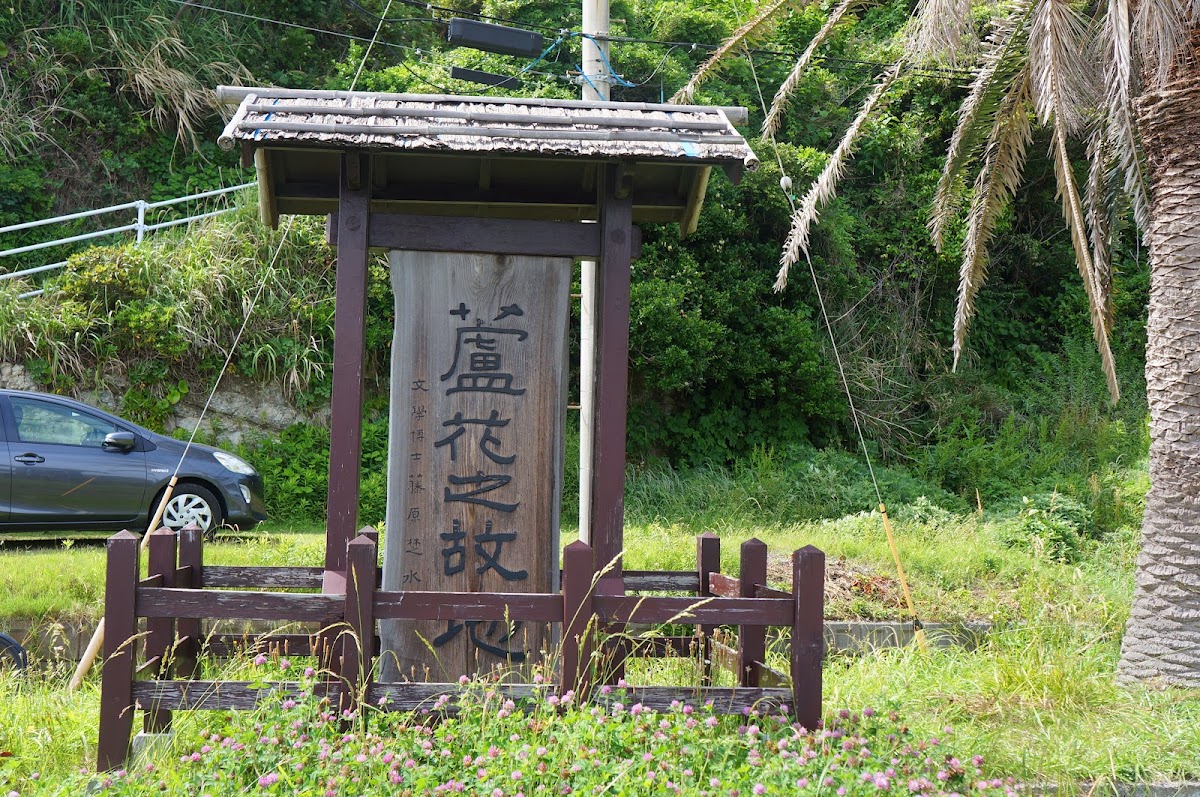
Koyo-ji became widely known as “Namiko Fudo” thanks to the novel “Hototogisu” (The Cuckoo) by Tokutomi Roka, a literary giant of the Meiji era.
This novel, serialized in the “Kokumin Shimbun” from 1898 to 1899, became a major bestseller in Japan at the time. The story depicts the heroine, Namiko, stopping by this Fudo hall while strolling along Zushi Beach with her husband, Takeo.
The tragic fate of Namiko has touched the hearts of many readers, and the Fudo-do temple, the setting of the novel, came to be known as “Namiko Fudo.” This nickname remains popular with locals and visitors today, and the temple is more often known as “Namiko Fudo” than its official name, “Koyo-ji.”
Highlights of Koyo-ji Temple
Main Hall and Fudo Myoo
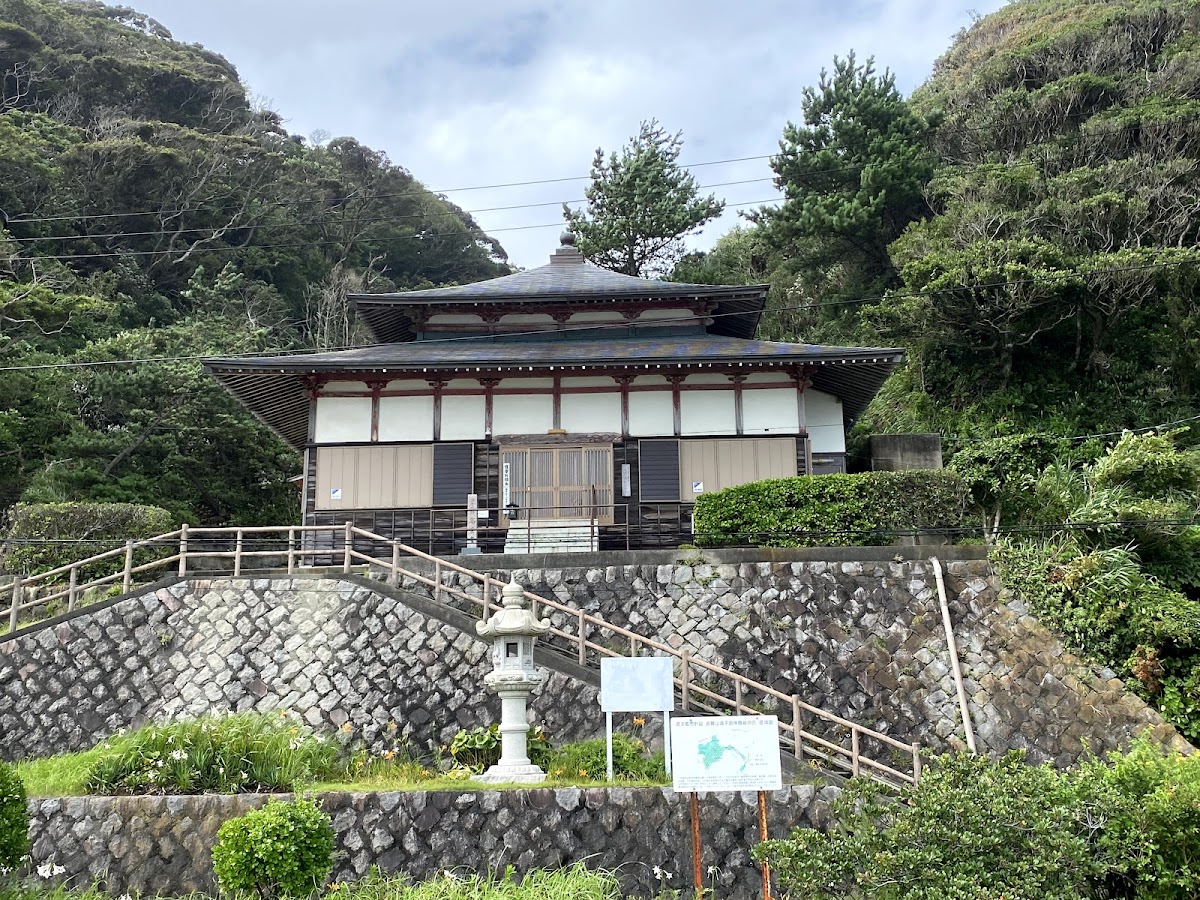
As mentioned earlier, the main hall of Koyo-ji Temple was relocated from Keizo-in Temple in Hayama in 1953. Although a small building, it sits on a hill overlooking the sea of Zushi, exuding a tranquil atmosphere.
The principal image, Fudo Myoo, is a highly revered Buddhist statue said to have been brought back from Tang China by Kobo Daishi. It has a history of attracting the faith of fishermen and those involved with the sea, and even today, visitors come to pray for maritime safety and safe voyages.
A Goma fire ritual is performed by the concurrently serving head priest on the 28th of every month, attracting many worshippers. While the temple is uninhabited on other days, worshippers can visit the main hall at any time.
Spectacular View of Zushi Beach
One of the greatest attractions of Koyo-ji Temple is the view of Zushi Beach from its grounds. Located on a hill, it offers a panoramic view of Zushi Bay, and on clear days, you can even see Enoshima Island and Mount Fuji.
The location overlooking the sea tells the story of fishermen who once prayed to this Fudo Myoo (Acala) for safe voyages. Even today, many worshippers and tourists visit specifically to enjoy this view.
Five-Ring Pagoda and Stone Sculptures
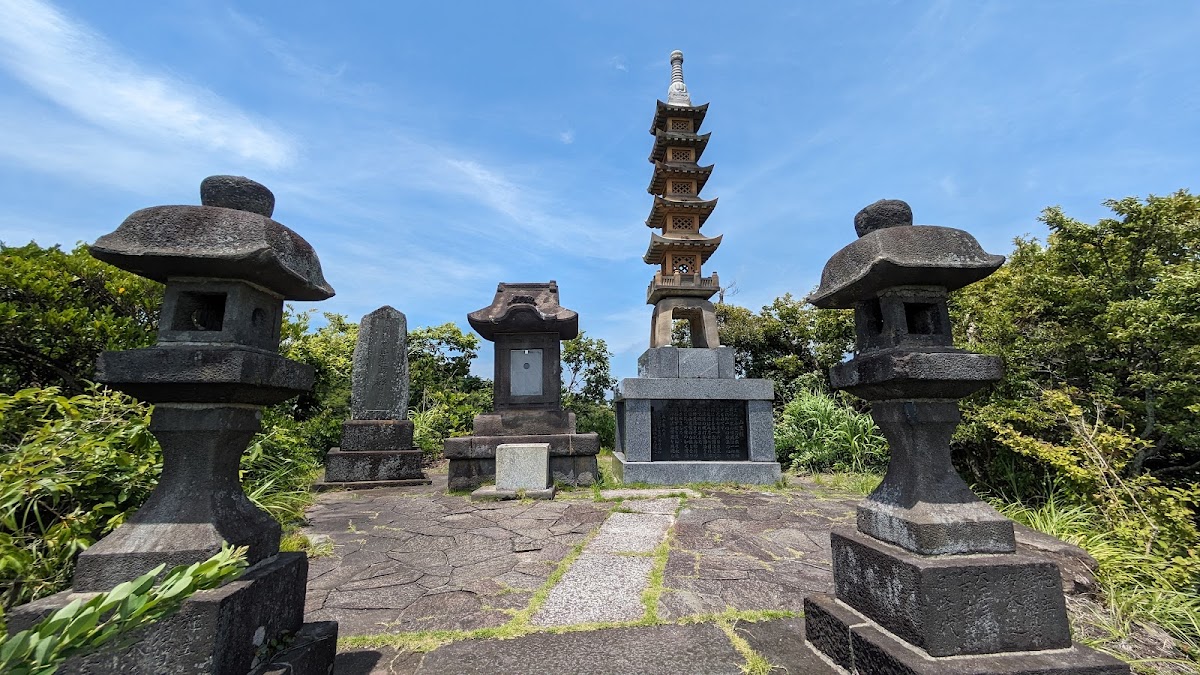
Within the temple grounds remain a five-ring pagoda that was moved from Keizo-in Temple. These stone sculptures are valuable cultural assets that convey the history of this area.
Autumn Seven Herbs Pilgrimage Site
Koyo-ji Temple is designated as the seventh temple on the Autumn Seven Herbs Pilgrimage, and is known as the temple of pampas grass (susuki). In autumn, the temple grounds are covered in swaying pampas grass, creating a picturesque scene.
Goshuin (Temple Seal) and Goshuincho (Stamp Book)
Since Koyo-ji Temple is an unmanned temple, it is usually not possible to obtain a goshuin directly. Those wishing to receive a goshuin must inquire at Enmei-ji Temple (Sakurayama, Zushi City), which is the temple in charge of the goshuin.
Goshuin (Temple Seal) Information
- Location of Issuance: Enmei-ji Temple (8-3-19 Sakurayama, Zushi City), a temple that also handles Goshuin.
- Contact Information: 046-871-7900
- Types of Goshuin: Goshuin for Namiko Fudo and Miura Fudo (27th pilgrimage site)
- Offering Fee: Approximately 300 yen (please confirm)
On the 28th of each month, the day of the Goma fire ritual, you may be able to receive a Goshuin directly at Koyo-ji Temple. Therefore, if you definitely want a Goshuin, we recommend visiting on this day.
Annual Events
The following events are held at Koyo-ji Temple:
Monthly Goma Fire Ritual
- Date and Time: 28th of every month
- Content: Goma fire ritual performed by the concurrently serving head priest
- Notes: The head priest will be present at the temple on this day, and you can receive Goshuin (temple stamps) and consult with him.
On the 28th, the auspicious day of Fudo Myoo (Acala), the smoke from the Goma fire ritual rises, creating a solemn atmosphere.
Access
Access by Train
From JR Yokosuka Line “Zushi Station”
- Approximately 20 minutes on foot
- Approximately 5 minutes by taxi
From Keikyu Zushi Line “Zushi-Hayama Station”
- Approximately 25 minutes on foot
- Approximately 7 minutes by taxi
Access by Bus
You can take a Keikyu bus from Zushi Station or Zushi-Hayama Station.
- Bus Routes: Zushi 12, Zushi 13, etc.
- Bus Stop to Get Off At: “Kotsubo” bus stop
- Walking Distance from Bus Stop: Approximately 5 minutes
Walking Route
When walking from Zushi Station, the most common route is to walk along Zushi Beach and then up the hill from Shinjuku Intersection. The hill is somewhat steep, but the scenery along the way is beautiful, allowing you to enjoy a pleasant stroll while visiting the temple.
Following the path that the heroines of “Hototogisu,” Namiko and Takeo, likely walked, allows you to relive the world of the novel.
Access by Car
- Yokohama-Yokosuka Expressway: Approximately 10 minutes from “Zushi IC”
- Parking: None (Use nearby coin parking)
Koyoji Temple does not have its own parking lot, so if you are visiting by car, you will need to use coin parking near Zushi Station or Zushi Beach and walk from there.
Nearby Tourist Attractions
When visiting Koyoji Temple, we recommend also visiting the nearby tourist attractions.
Zushi Beach
Approximately a 15-minute walk from Koyoji Temple. Zushi Beach, characterized by its beautiful sandy shores and gentle waves, is perfect for swimming in the summer and strolling in other seasons. This beach, where Namiko and Takeo from the novel “Hototogisu” (The Cuckoo) walked, also holds literary value.
Hiroyama Park
An observation park located on the border of Zushi City and Hayama Town. It offers a spectacular view of Sagami Bay, Mount Fuji, and Enoshima Island. Approximately a 10-minute drive or 40-minute walk from Koyoji Temple.
Kotsubo Fishing Port
A small fishing port near Koyoji Temple. It features shops selling fresh seafood, allowing you to enjoy local delicacies. It’s a place where you can feel the history of Koyoji Temple as a guardian deity for fishermen.
Enmei-ji Temple
Enmei-ji Temple, a temple under the jurisdiction of Koyo-ji Temple, is located in Sakurayama, Zushi City. It is also an ancient temple of the Koyasan Shingon sect, and visiting both is recommended.
Jinmu-ji Temple
An ancient temple spanning Zushi City and Yokosuka City. Said to have been founded by Gyoki Bodhisattva, its lush grounds showcase beauty throughout the seasons. It’s about a 15-minute drive from Koyo-ji Temple.
Points to Note and Precautions for Visiting
Points to Note When Visiting
- Unmanned Temple: Since there is no resident priest, if you wish to hear a detailed explanation, visit on the 28th of each month, the day of the Goma fire ritual.
- Slopes: There are slopes leading up to the hilltop from the station and the coast. Wearing comfortable shoes is recommended.
- No Parking: There is no dedicated parking lot, so using public transportation is convenient. 4. Quiet Worship: As the temple is located in a residential area, please worship quietly and without making noise.
Recommended Time to Visit
- Autumn: As a sacred site for the seven autumn herbs, it’s a beautiful season with pampas grass.
- New Year’s Visit: From New Year’s Day to the third day, locals visit for their first shrine visit of the year.
- 28th of Every Month: A Goma fire ritual is held, and this is a day when you can meet the head priest.
Photography
Photography of the temple grounds and the sea view is permitted, but please refrain from taking pictures inside the main hall. Also, please remember to be considerate of other worshippers.
Koyo-ji Temple and “Hototogisu”
“Hototogisu” by Tokutomi Roka is a representative love story of the Meiji era. The tragic love story of Lieutenant Kawashima Takeo and his wife, Namiko, is depicted against the backdrop of social problems of the time (discrimination against tuberculosis patients, feudal family system).
In the novel, the scene where Takeo and Namiko stroll along Zushi Beach and stop by Fudōdō (present-day Kōyōji Temple) is a crucial scene symbolizing their fleeting happiness. It is because of this scene that Fudōdō became known as “Namiko Fudō” and etched its name in literary history.
For literature enthusiasts, Kōyōji Temple is a precious place to experience the world of “Hototogisu,” and a special spot where Meiji-era literature and the history of Zushi intersect.
Cultural Value of Kōyōji Temple
Kōyōji Temple is a temple with multifaceted cultural value, as follows:
- History of Faith: A history of over 700 years as the guardian deity of fishermen
- Setting in Literature: The setting for the Meiji-era best-selling novel “Hototogisu” (The Cuckoo)
- Scenery: A location with a spectacular view overlooking Zushi Beach
- Sacred Site: A pilgrimage site for the Miura Fudo Sacred Site and the Autumn Seven Herbs Sacred Site
- Local History: A cultural asset that tells the history of the Zushi and Kotsubo area
These overlapping values make Koyo-ji Temple more than just a temple; it is an important cultural heritage site of Zushi City.
Summary
Koyo-ji Temple (Namiko Fudo) in Zushi City, Kanagawa Prefecture, is an ancient temple of the Koyasan Shingon sect with a history of over 700 years. Its principal image is Fudo Myoo, said to have been brought back from Tang China by Kobo Daishi, and it has long been revered as the guardian deity of fishermen.
During the Meiji era, it became the setting for Tokutomi Roka’s novel “Hototogisu” (The Cuckoo), and became widely known as “Namiko Fudo,” named after the heroine, Namiko. This temple boasts a variety of attractions, including its location on a hill overlooking Zushi Beach, its monthly goma fire ritual on the 28th, and its role as a pilgrimage site for the Miura Fudo and the Autumn Seven Herbs.
Although uninhabited, Koyo-ji Temple is open to visitors at any time, offering a glimpse into Zushi’s history and literary heritage. When visiting Zushi, be sure to stop by. The quiet time spent praying in the temple grounds overlooking the sea, gazing at the scenery that Namiko and Takeo may have once seen, will surely be a memorable experience.