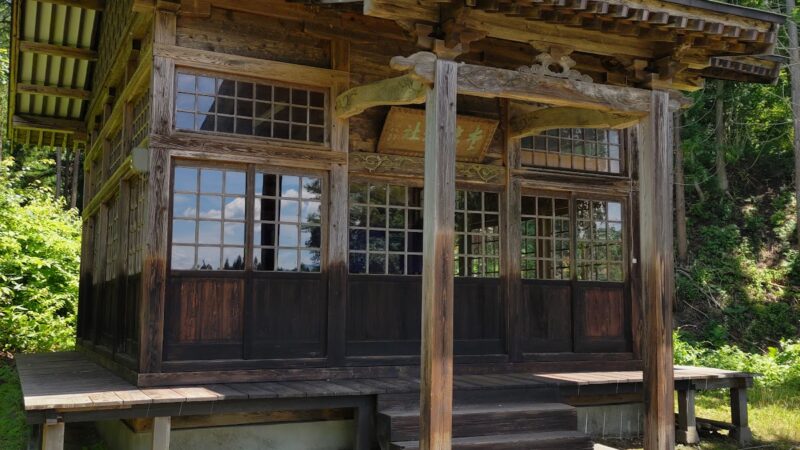
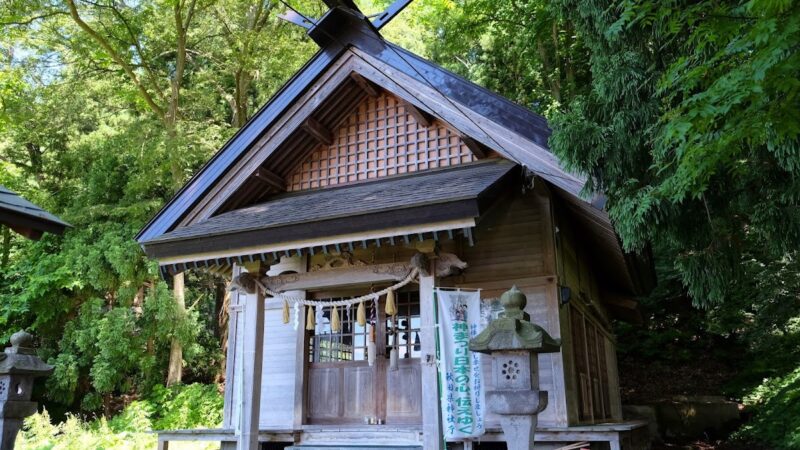
Kurosawa Shrine (Kazuno City, Akita Prefecture) Complete Guide: History, Deities, Worship Information, and Local Beliefs
Kurosawa Shrine, located in Kazuno City, Akita Prefecture, is a rare shrine in Japan bearing the name “Kurosawa.” As one of only two Kurosawa Shrines in the entire country, it is a valuable entity deeply intertwined with the region’s history. This article provides a detailed overview of Kurosawa Shrine, including its history, enshrined deities, worship methods, and access information.
Basic Information on Kurosawa Shrine
Kurosawa Shrine is located in Kazuno City, Akita Prefecture, and is an important shrine that attracts the faith of local residents. Kazuno City is located in the northeastern part of Akita Prefecture, near the border with Aomori Prefecture, and is known as a land blessed with rich nature and historical cultural assets.
Location and Access
Kurosawa Shrine is located within Kazuno City and has been revered as the local guardian deity since ancient times. The most common way to access Kazuno City is by using the JR Hanawa Line. The nearest station is Kazuno-Hanawa Station, and it is also accessible by car from the Kazuno-Hachimantai Interchange on the Tohoku Expressway.
Kazuno City is located in a naturally rich environment, close to tourist destinations such as Lake Towada and Hachimantai. When visiting the shrine, it is recommended to combine your visit with other nearby tourist spots.
History and Origins of Kurosawa Shrine
Founding History
While detailed records of the founding date of Kurosawa Shrine are limited, it is a shrine that has developed in close connection with the history of the region. The Kazuno region was under the rule of the Nanbu clan from ancient times, and many shrines and temples were built from the medieval to the early modern period.
The place name Kurosawa is thought to originate from the topography and water system. The name “Kurosawa” often means black soil or a deep ravine, and is presumed to reflect the natural environment of the region.
Shrine Culture of the Kazuno Region
Kazuno City has numerous shrines, each playing a central role in the local community. Particularly famous is Dainichi Shrine, known for its Dainichido Bugaku (court dance and music), which is designated as a National Important Intangible Folk Cultural Property.
Kurosawa Shrine also plays a part in this Kazuno shrine culture and has functioned as a spiritual pillar for the local residents. Various festivals are held throughout the year, serving as a place to deepen community bonds.
Only Two Kurosawa Shrines in Japan
According to national shrine statistics, there are only two shrines named “Kurosawa Shrine” in the entire country. One is located in Tsuchikawa, Daisen City, Akita Prefecture, and the other is in Kazuno City, Akita Prefecture. This rarity demonstrates the special value of Kurosawa Shrine.
The existence of two shrines within the same Akita Prefecture may be related to the regional characteristics and historical background of Akita Prefecture. Both shrines attract local faith and play important roles in their respective communities.
Deities and Divine Virtues
About the Deities
Based on local traditions and beliefs, it is believed that the deities enshrined at Kurosawa Shrine are gods related to agriculture and water. Many shrines in the Kazuno region have traditionally enshrined deities closely related to local life, such as gods of agriculture, mountains, and water.
The name “Kurosawa” suggests the shrine may be associated with a deity related to water sources or streams, or perhaps a guardian deity of the land. For local residents, it is a cherished place to pray for abundant harvests, family safety, and peace in the community.
Divine Virtues and Faith
Kurosawa Shrine is believed to possess the following divine virtues:
- Abundant Harvests: A belief in praying for a bountiful harvest in the Kazuno region, where agriculture is thriving.
- Family Safety: Protection of the health and safety of local residents’ families.
- Community Peace: Prayers for peace and prosperity throughout the entire community.
- Protection from Evil and Good Fortune: Prayers for protection from evil and good fortune at important life events.
As the local guardian deity, many worshippers visit the shrine during life events (such as first shrine visits, Shichi-Go-San, and unlucky years).
How to Worship and Etiquette
Basic Worship Etiquette
There are traditional customs for visiting shrines. When visiting Kurosawa Shrine, following the basic worship etiquette outlined below will allow for a more heartfelt visit.
How to Pass Through the Torii Gate
- Bow before the torii gate.
- Walk along the edge of the path, as the center is considered the path of the gods.
- Enter the shrine grounds with a pure heart.
How to Purify Yourself at the Water Basin
- Hold the ladle in your right hand and purify your left hand.
- Switch the ladle to your left hand and purify your right hand.
- Switch the ladle back to your right hand, receive water in your left hand, and rinse your mouth.
- Finally, stand the ladle upright and purify the handle.
How to Worship at the Main Hall
- Quietly place your offering in the offering box.
- If there is a bell, ring it.
- Worship using the two bows, two claps, one bow (two bows, two claps, one bow) method.
- Convey your wishes and feelings of gratitude in your heart.
Life Rituals and Shrines
Shrines are important places at milestones in life. At Kurosawa Shrine, the following life rituals are performed.
First Shrine Visit
This is a ceremony where a baby visits a shrine for the first time after birth to pray for their healthy growth. It is generally held on the 31st day after birth for boys and the 32nd day for girls, but this varies depending on the region and family.
Shichi-Go-San
This is a celebration of the growth of children at the ages of 3, 5, and 7, and a prayer for their future health and happiness. Many families visit shrines around November 15th each year.
Exorcism for Unlucky Years
During the unlucky years, which are considered milestones in life, people pray for exorcism. For men, the unlucky years are 25, 42, and 61, and for women, 19, 33, and 37.
Shrine Culture and History of Kazuno City
Overview of Kazuno City
Kazuno City is located in the northeastern part of Akita Prefecture, bordering Aomori and Iwate Prefectures. It has an area of approximately 707 square kilometers and is blessed with a rich natural environment. It offers easy access to tourist destinations such as Lake Towada and Hachimantai, and you can enjoy the beautiful scenery of each season.
Historically, it was under the rule of the Nanbu clan for a long period, and its cultural influence remains strong. During the Edo period, it belonged to the Morioka Domain and prospered through mining development and forestry.
Major Shrines in Kazuno City
Besides Kurosawa Shrine, there are many other historical shrines in Kazuno City.
Dainichi Shrine (Dainichido)
One of the representative shrines of Kazuno City, it is nationally known for its Dainichido Bugaku (court dance). This Bugaku is designated as a National Important Intangible Folk Cultural Property and is performed annually on January 2nd. It is an ancient shrine said to have been founded in the 17th year of Emperor Keitai’s reign (523 AD).
Kazuno Yasaka Shrine
Located in the Hanawa district of Kazuno City, this shrine is revered as a deity that wards off disease and misfortune. The Hanawa Bayashi festival is designated as a National Important Intangible Folk Cultural Property.
Other Shrines
Within Kazuno City, there are numerous shrines dedicated to local guardian deities scattered throughout each district. These shrines serve as the heart of the local community, deepening the bonds among residents through festivals and annual events.
Akita Prefectural Shrine Association and Shrines in Kazuno City
The Akita Prefectural Shrine Association is an organization that encompasses shrines throughout Akita Prefecture. It provides support for shrine management, education for Shinto priests, and promotion of shrine culture. Shrines in Kazuno City also belong to the Akita Prefectural Shrine Association, ensuring proper management and the continuation of traditions.
The Akita Prefectural Shrine Association also offers a search service for shrines within the prefecture and provides information on Shintoism, supporting those interested in shrine visits and Shinto culture.
Legends and Folk Beliefs of the Kazuno Region
Legends of Kazuno
Various legends have been passed down in the Kazuno region since ancient times. The legend of the wealthy man of Nanbu Danburi is particularly famous, telling the story of his daughter, Kichijohime, who became a concubine of Emperor Keitai and later participated in the construction of the Dainichido temple.
Such legends have shaped the local identity and have been passed down to the present day, intertwined with shrine worship. It is possible that Kurosawa Shrine also has its own unique traditions rooted in the local community.
Water and Faith
As the name “Kurosawa” suggests, a belief related to water may be at the heart of Kurosawa Shrine. In agricultural societies, water was the source of life and a crucial factor in determining a bountiful harvest.
Water deities are often enshrined at the headwaters of streams and rivers, and Kurosawa Shrine may be a place of worship born from gratitude and reverence for water.
Annual Events and Festivals
Grand Festival
At many shrines, the annual grand festival is considered the most important event. It is likely that Kurosawa Shrine also holds a grand festival where local residents gather to express gratitude to the deities and pray for the prosperity of the community.
At the annual festival, a banquet called Naorai is held after the Shinto rituals, serving as a place for community interaction.
New Year’s Festivals
At the start of the new year, festivals celebrating the beginning of the year are held, such as Hatsumode (first shrine visit of the year) and Saitansai (New Year’s Day Festival). Many worshippers visit to pray for safety and prosperity in the new year.
Seasonal Festivals
In spring, festivals praying for a bountiful harvest are held, and in autumn, festivals giving thanks for the harvest are held. These festivals are deeply intertwined with the agricultural lifestyle and culture.
About Jingu Taima and Kamidana (Household Altars)
What is Jingu Taima?
Jingu Taima are sacred amulets from Ise Grand Shrine. Many households enshrine them in their Kamidana to receive the divine blessings of Amaterasu Omikami.
Jingu Taima can be obtained from various shrines through the Akita Prefecture Shrine Association. At Kurosawa Shrine, it is recommended to enshrine Jingu Taima along with the amulet of the local guardian deity.
How to Worship at a Shinto Altar
When setting up a Shinto altar in your home, please note the following:
- Location: A clean place, in a location easily accessible to family members for daily prayer.
- Orientation: Facing south or east is considered ideal.
- Height: Higher than eye level.
- Offerings: Offer rice, salt, and water daily.
The Shinto altar should have the Ise Grand Shrine amulet in the center and the amulet of your local guardian deity (such as Kurosawa Shrine) to the right.
Precautions and Manners When Visiting a Shrine
Regarding Attire
For everyday visits, clean and neat attire is acceptable. However, when receiving formal prayers or attending festivals, more formal attire is desirable.
Regarding Photography
Photography is generally permitted on the shrine grounds, but please note the following:
- Please respect any areas where photography is prohibited, such as inside the main hall.
- Please refrain from taking photographs during religious ceremonies.
- Please be considerate of other worshippers.
- When posting on social media, please do so in a manner that does not diminish the dignity of the shrine.
Visiting During Mourning and Death Periods
Mourning period (kichu) is the period from the death of a close relative until 49 days later. It is generally customary to refrain from visiting shrines during this time. In Shinto, death is considered impure, so it is recommended to wait until the mourning period is over.
Death period (mochu) is a one-year period of mourning. After the mourning period ends, it is possible to visit shrines. However, participation in celebratory events is often discouraged.
Shrine Visit Plan Combined with Kazuno City Sightseeing
Nearby Tourist Attractions
We recommend combining your visit to Kurosawa Shrine with a tour of Kazuno City’s tourist attractions. #### Oyu Onsenkyo
A hot spring resort located in the Towada district of Kazuno City. During the Edo period, it was designated as a health resort by the Nanbu clan. With abundant hot spring water and high efficacy, it’s ideal for relieving fatigue after visiting temples.
Oyu Stone Circle
A late Jomon period archaeological site designated as a National Special Historic Site. In 2021, it was registered as a World Cultural Heritage site as part of the “Jomon Prehistoric Sites in Hokkaido and Northern Tohoku.”
Michi-no-Eki Kazuno Antoraa
A roadside station where you can purchase Kazuno City’s specialty products and fresh local agricultural produce. It’s a convenient rest stop and useful for gathering local information.
Seasonal Ways to Enjoy
Spring: During cherry blossom season, you can enjoy beautiful cherry blossoms throughout the city.
Summer: Summer festivals, including the Hanawa Bayashi festival, are held in various locations.
Autumn: There are many famous spots for autumn foliage, and the area around Lake Towada offers particularly beautiful scenery. Winter: Visiting the shrine amidst a snowy landscape offers a serene atmosphere, and warming up in the hot springs is especially wonderful.
Detailed Access Information to Kurosawa Shrine
Access by Public Transportation
By JR:
- Take the Tohoku Shinkansen to Morioka Station
- Transfer to the JR Hanawa Line from Morioka Station
- Get off at Kazuno-Hanawa Station
- Take a taxi or walk from the station to the shrine
By Highway Bus:
- Highway buses operate from Tokyo, Sendai, etc. to Kazuno City
- Walk or take a taxi from the nearest bus stop
Access by Car
Using the Tohoku Expressway:
- Exit at Kazuno-Hachimantai IC
- Head towards the city center from the IC
- Search for “Kurosawa Shrine” or its address on your car navigation system
Parking Information
Parking space may be limited depending on the size of the shrine. During festivals and other times when there are many visitors, consider using public transportation or nearby parking lots.
Engagement with the Community and Social Role
As a Center of the Community
Kurosawa Shrine is more than just a place of worship; it plays a central role in the local community. Through festivals and cleaning activities, it serves as a place to deepen interaction and bonds among local residents.
Preservation of Traditional Culture
Shrines play an important role in passing on local traditional culture to future generations. They provide opportunities for younger generations to experience tradition through festival preparations and Kagura (sacred dance) practice.
Environmental Preservation and Landscape Maintenance
The shrine’s grounds (guardian forest) also play a role in preserving the valuable natural environment of the region. In today’s increasingly urbanized world, the shrine’s green spaces contribute to the protection of the ecosystem.
Summary: The Charm and Value of Kurosawa Shrine
Located in Kazuno City, Akita Prefecture, Kurosawa Shrine is one of only two precious “Kurosawa Shrines” in Japan, and is an important presence that conveys the history and faith of the region to the present day.
As the guardian shrine of the region, Kurosawa Shrine has been a constant presence in the lives of the residents, watching over their important life events. In its tranquil atmosphere, offering prayers allows you to escape the hustle and bustle of everyday life and find peace of mind.
When visiting Kazuno City, be sure to visit Kurosawa Shrine and experience the region’s history and culture. Combining it with other nearby tourist attractions will create even more fulfilling travel memories.
Visiting a shrine is not merely sightseeing; it’s a valuable opportunity to connect with traditional Japanese culture and spirituality. By learning the correct etiquette and offering heartfelt prayers, you can deepen your connection with the deities and cultivate a sense of gratitude for your daily life.
We hope that Kurosawa Shrine will continue to be a spiritual haven for the people of the region and a place of peace for visitors for many years to come.