Matsuzaki Shrine (Yurihama-cho, Tohaku-gun, Tottori Prefecture) Complete Guide: History, Deities, Access, and Highlights Explained in Detail
Matsuzaki Shrine, located in Matsuzaki, Yurihama-cho, Tohaku-gun, Tottori Prefecture, is a shrine that has long been cherished by the local people as the tutelary deity of the Matsuzaki area, which once flourished as a post town. This guide provides a detailed explanation of this shrine, steeped in the history and culture of the San’in region, including its origins, enshrined deities, festivals, access methods, and nearby attractions.
Basic Information about Matsuzaki Shrine
Location: Matsuzaki, Yurihama-cho, Tohaku-gun, Tottori Prefecture
Nearest Station: Approximately 11 minutes on foot from Matsuzaki Station (Tottori Prefecture) on the JR San’in Main Line
Parking: Parking spaces for visitors are available around the shrine grounds (details are recommended to be confirmed on-site)
Shrine Rank: Village Shrine
Matsuzaki Shrine is revered by local residents as the guardian deity of the Matsuzaki area, which encompasses the entire Matsuzaki district of Yurihama-cho, Tohaku-gun. It is registered with the Tottori Prefectural Shrine Association and maintains the status of a formal shrine.
History and Origins of Matsuzaki Shrine
Founding History
While the exact founding date of Matsuzaki Shrine is not known, it has long been a center of faith in the Matsuzaki area. According to shrine records, it was originally located on Miyasaka and was known as Matsuzaki Daimyojin.
Reverence during the Sengoku Period
A notable aspect of Matsuzaki Shrine’s history is the deep reverence it received from powerful local warlords during the Sengoku period (Warring States period). It is said that both the Yamana clan (lords of Matsuzaki Castle) and the Nanjo clan (lords of Hagoromoishi Castle) deeply revered Matsuzaki Shrine and frequently undertook repairs to its buildings.
The Yamana clan was a powerful daimyo (feudal lord) who ruled the Inaba and Hoki regions, while the Nanjo clan was a powerful local lord based at Hagoromoishi Castle. The patronage of these Sengoku warlords indicates that Matsuzaki Shrine was an important religious and political center in the region.
Relocation and Development during the Edo Period
During the Genroku era (1688-1704), Matsuzaki Shrine was relocated to its current site. This period was a time of stability under the Edo shogunate, and the development of shrines and temples progressed throughout the country.
In the early modern period, the divine power of Matsuzaki Shrine extended over a wide area, with processions of the portable shrine reaching as far south as the Kumi district. Even today, the “Gozaishi” (seat stone) remains in the garden of the Saruta family in Kumi, and it is traditionally believed to be the place where the portable shrine rested. This Gozaishi is a valuable historical site that conveys the breadth of Matsuzaki Shrine’s sphere of influence.
Developments since the Modern Era
Following the separation of Shinto and Buddhism in the early Meiji era, the shrine was renamed from Matsuzaki Daimyojin to Matsuzaki Shrine. Due to the Meiji-era reforms to the shrine system, it was designated a village shrine and recognized as an official local shrine.
Even through the Showa, Heisei, and Reiwa eras, Matsuzaki Shrine continues to attract unwavering devotion as the tutelary deity of the local residents, and various festivals are held throughout the year.
Deities and Divine Virtues
Regarding the deities enshrined at Matsuzaki Shrine, given its character as the local tutelary deity, it is believed that the shrine enshrines deities who protect the land, ensure abundant harvests, and ensure family safety. The specific names of the enshrined deities can be found in the records of the Tottori Prefectural Shrine Association and on the local information boards.
Divine Virtues (Benefits)
- Abundant Harvest: Prayers for a bountiful harvest in the Matsuzaki area, an agricultural region.
- Family Safety: Peace and prosperity for the families of the parishioners.
- Regional Security: Peace and development throughout Matsuzaki.
- Traffic Safety: Due to its former status as a post town.
- Business Prosperity: Prayers for the development of the local economy.
Annual Festivals of Matsuzaki Shrine
Matsuzaki Shrine holds various festivals throughout the year. Seasonal festivals are carefully preserved to fulfill its role as the guardian deity of the region.
Main Annual Events
Grand Festival: The most important festival, held in autumn, featuring a portable shrine procession and offering ceremonies. It is an important opportunity for all local residents to participate and pass on traditions to the next generation.
Spring Festival: Celebrating the arrival of spring and praying for a bountiful harvest and peace in the region.
New Year’s Festival: Held on New Year’s Day or during the first three days of the New Year, praying for peace in the coming year. Many worshippers visit for the first shrine visit of the year.
For detailed festival schedules, we recommend checking with the Tottori Prefectural Shrine Association, the Yurihama Town tourist information center, or Matsuzaki Shrine’s social media (Facebook).
Highlights of the Shrine Grounds
Shrine Building
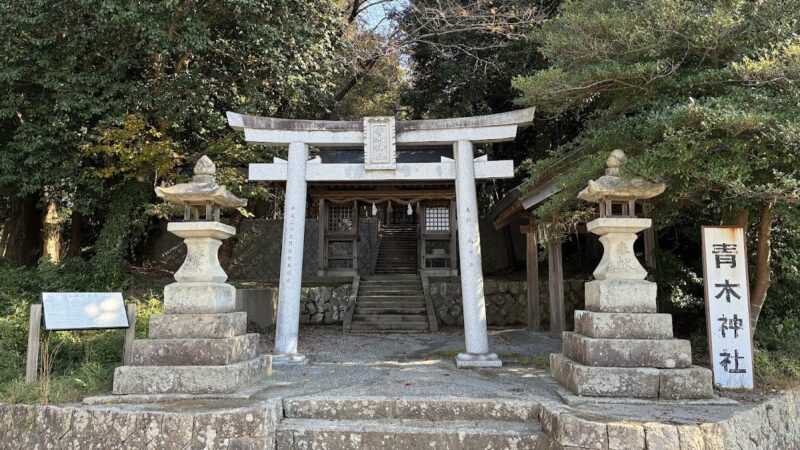
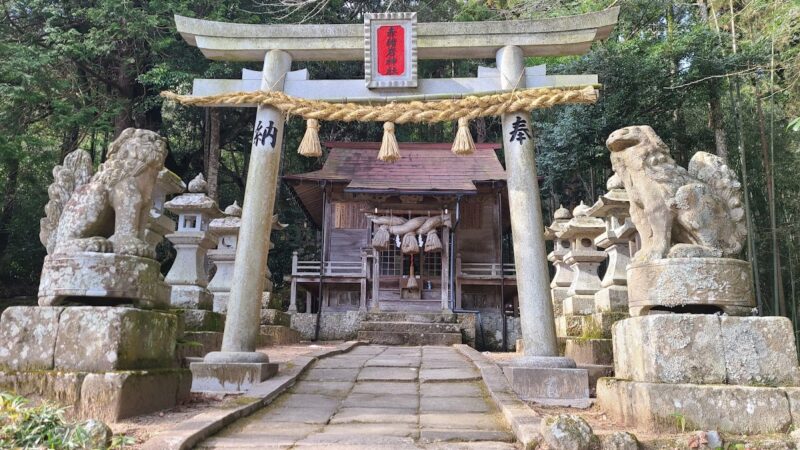
The shrine building, with a history dating back to its relocation to its current location during the Genroku era, retains the characteristics of shrine architecture in the San’in region. Despite successive restorations, it maintains its dignity as the center of local faith.
Atmosphere of the Approach and Grounds
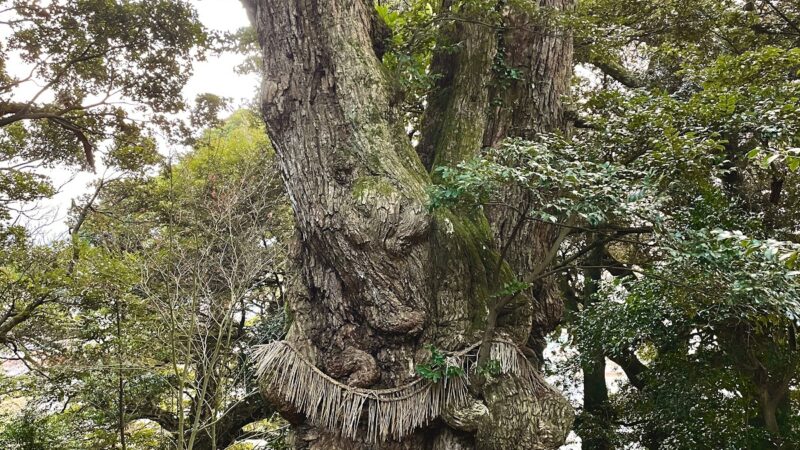
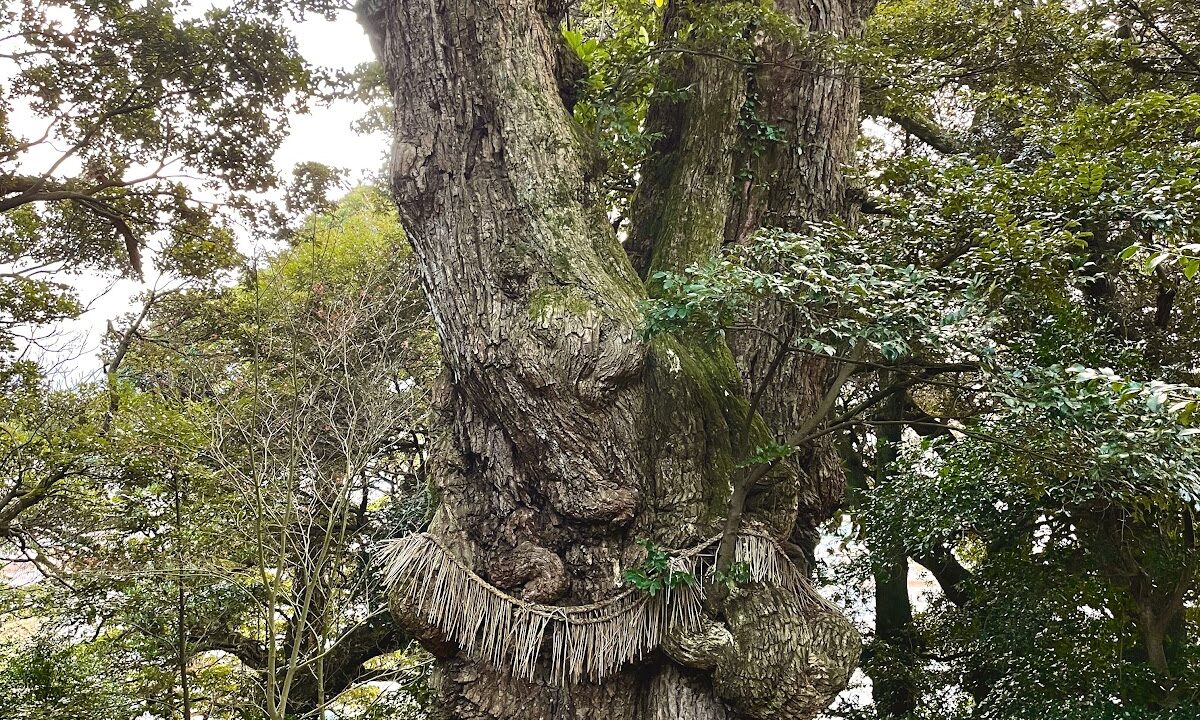
The grounds of Matsuzaki Shrine are enveloped in a tranquil atmosphere, a space where one can escape the hustle and bustle of everyday life and find peace of mind. Ancient trees surround the shrine building, allowing visitors to appreciate the beauty of nature throughout the seasons.
Komainu (Guardian Lion-Dogs) and Stone Sculptures
The shrine grounds are dotted with ancient stone sculptures such as guardian lion-dogs and stone lanterns, conveying a sense of history. These offerings reflect the deep faith of the parishioners.
Access
Access by Train
Approximately 11 minutes on foot from JR San’in Main Line Matsuzaki Station
Matsuzaki Station is located along the San’in Main Line in Tottori Prefecture, about 15 minutes from Kurayoshi Station. You can walk from the station to the shrine while strolling through the townscape of Matsuzaki.
Access by Car
- Approximately 10 minutes from San’in Expressway Hawaii IC
- Approximately 15 minutes from Kurayoshi City Center via National Route 9
When using car navigation, please search for “Matsuzaki Shrine, Yurihama-cho, Tohaku-gun, Tottori Prefecture” or the address “Matsuzaki, Yurihama-cho, Tohaku-gun, Tottori Prefecture”.
Parking Information
There is parking available for visitors around the shrine grounds, but congestion is expected during major festivals such as the annual grand festival. We recommend considering using public transportation.
About the Matsuzaki District of Yurihama Town
History as a Post Town
The Matsuzaki district has a history of flourishing as a post town on the San’in Road. During the Edo period, many travelers passed through, and it thrived as a commercial center. Matsuzaki Shrine has watched over the safety of travelers and the prosperity of businesses as the guardian deity of this post town.
The Matsuzaki District Today
The Matsuzaki district today is a quiet residential area facing Lake Togo, but some areas retain the atmosphere of the old townscape. The local community is strong, and traditional events centered around Matsuzaki Shrine are still carefully preserved.
Nearby Tourist Attractions
When visiting Matsuzaki Shrine, why not explore other sights in Yurihama Town?
Lake Togo
Lake Togo, located very close to the Matsuzaki area, is a brackish lake with a circumference of approximately 12 km. The beautiful sunset over the lake has been selected as one of “Japan’s Top 100 Sunsets.” A promenade is maintained along the lakeshore, making it ideal for a stroll.
Togo Onsen & Hawaii Onsen
Around Lake Togo are two hot spring resorts: Togo Onsen and Hawaii Onsen. Many inns offer bathing with lake views, making them perfect for relaxing after a visit to the shrine.
Shitori Shrine, the Ichinomiya (first-ranked shrine) of Hoki Province
Within Yurihama Town is Shitori Shrine, the Ichinomiya (first-ranked shrine) of Hoki Province. Known as a deity of safe childbirth, it attracts many worshippers. Visiting it along with Matsuzaki Shrine is also recommended.
Yan Zhaoyuan Chinese Garden
Yurihama Town is home to Yan Zhaoyuan, an authentic Chinese garden. Built as a symbol of friendship between Tottori Prefecture and Hebei Province in China, it offers a landscape brimming with exotic charm.
Hagoromoishi Castle Ruins
The ruins of Hagoromoishi Castle, the former residence of the Nanjo clan who revered Matsuzaki Shrine, still retain the remains of the mountain castle and are a popular spot for history buffs.
Manners and Etiquette for Visiting a Shrine
Proper Way to Visit a Shrine
- Bow before passing through the torii gate: This is a courtesy before entering the sacred area.
- Purify yourself at the water basin: Purify your left hand, right hand, and mouth in that order.
- Two bows, two claps, one bow: This is the basic etiquette before the shrine.
- Worship quietly: Remember to be considerate of other worshippers.
Photography
Photography is generally permitted on the shrine grounds, but it may be restricted during festivals or inside the main hall. Please check with shrine staff if you have any questions.
Attire
Everyday clothing is acceptable for visiting a shrine, but please dress appropriately and respectfully, keeping in mind that it is a sacred place.
The Charm of Matsuzaki Shrine
The greatest charm of Matsuzaki Shrine is that a “living faith” rooted in the community still thrives there. Unlike shrines that have become tourist destinations, it continues to play an unchanging role as a guardian deity integrated into the daily lives of the local people.
From warlords of the Sengoku period to commoners, the shrine has received prayers from a diverse range of people. Its history, the memories of witnessing the prosperity of the Edo-period post town, and the bonds of the local community that continue to this day—all of these are condensed within the single space of Matsuzaki Shrine.
The Charms of Yurihama Town
Yurihama Town, where Matsuzaki Shrine is located, is a region with diverse attractions, as its name suggests—a combination of “onsen” (hot springs), “nashi” (pear), and “hama” (beach).
The Birthplace of Ground Golf
Yurihama Town is known as the birthplace of ground golf, attracting enthusiasts from all over Japan.
A Producing Area for 20th Century Pears
Yurihama Town is a major producing area for 20th Century pears, a representative pear of Tottori Prefecture, and pear picking can be enjoyed in the autumn.
Abundant Nature
The town is blessed with beautiful natural scenery, including Lake Togo, Imataki Falls, Fudo Falls, and the Nohana Bungo Plum Grove.
The Significance of Visiting Matsuzaki Shrine
In modern society, visiting a local guardian shrine holds more meaning than mere sightseeing. Visiting Matsuzaki Shrine offers the following value:
- Dialogue with History: Through a shrine with hundreds of years of history, you can experience the history of the region firsthand.
- Peace of Mind: You can spend time away from the hustle and bustle of everyday life in the tranquil grounds.
- Understanding Local Culture: You can experience the traditional Japanese religious culture of guardian deity worship.
- Connection with the Community: Visiting a place of worship rooted in the lives of local people deepens your understanding of the local community.
What to Enjoy After Your Visit
Exploring the Matsuzaki Area
After visiting Matsuzaki Shrine, take a stroll through the Matsuzaki area, searching for traces of its former life as a post town. Old buildings and historical sites are scattered throughout, making for an enjoyable historical walk.
Relaxing by Lake Togo
Extending your trip to the shores of Lake Togo and relaxing while gazing at the lake is also highly recommended. Lake Togo is especially breathtaking at sunset.
Enjoy Local Cuisine
Yurihama Town boasts an abundance of delicious ingredients, including fresh seafood, clams from Lake Togo, and Tottori Wagyu beef. Enjoy the local flavors at local restaurants.
Information Dissemination about Matsuzaki Shrine
Matsuzaki Shrine disseminates information about festivals and other events through Facebook. Those planning a visit should check their social media beforehand to obtain the latest information.
Summary: The Value of Visiting Matsuzaki Shrine
Located in Yurihama Town, Tohaku District, Tottori Prefecture, Matsuzaki Shrine is an ancient shrine with an unknown founding date, yet it remains a deeply revered local guardian deity. It has gone through various historical turning points, including the reverence of the Yamana and Nanjo clans during the Sengoku period, relocation during the Genroku era, and a name change during the Meiji era.
While it may lack the glamour of a typical tourist destination, it offers a genuine sense of community-based faith. Its convenient location, within walking distance of JR Matsuzaki Station, is another attractive feature.
By visiting nearby tourist spots such as Lake Togo, hot springs, and Shizuri Shrine, you can comprehensively enjoy the history, culture, and nature of Yurihama Town. When you visit Tottori Prefecture, be sure to stop by Matsuzaki Shrine. This sacred space, where the prayers of the local people have accumulated, will surely warmly welcome you.