Complete Guide to Mio Shrine (Shiga Prefecture) | The Charm of the Rabbit Crest and the Important Cultural Property Main Hall
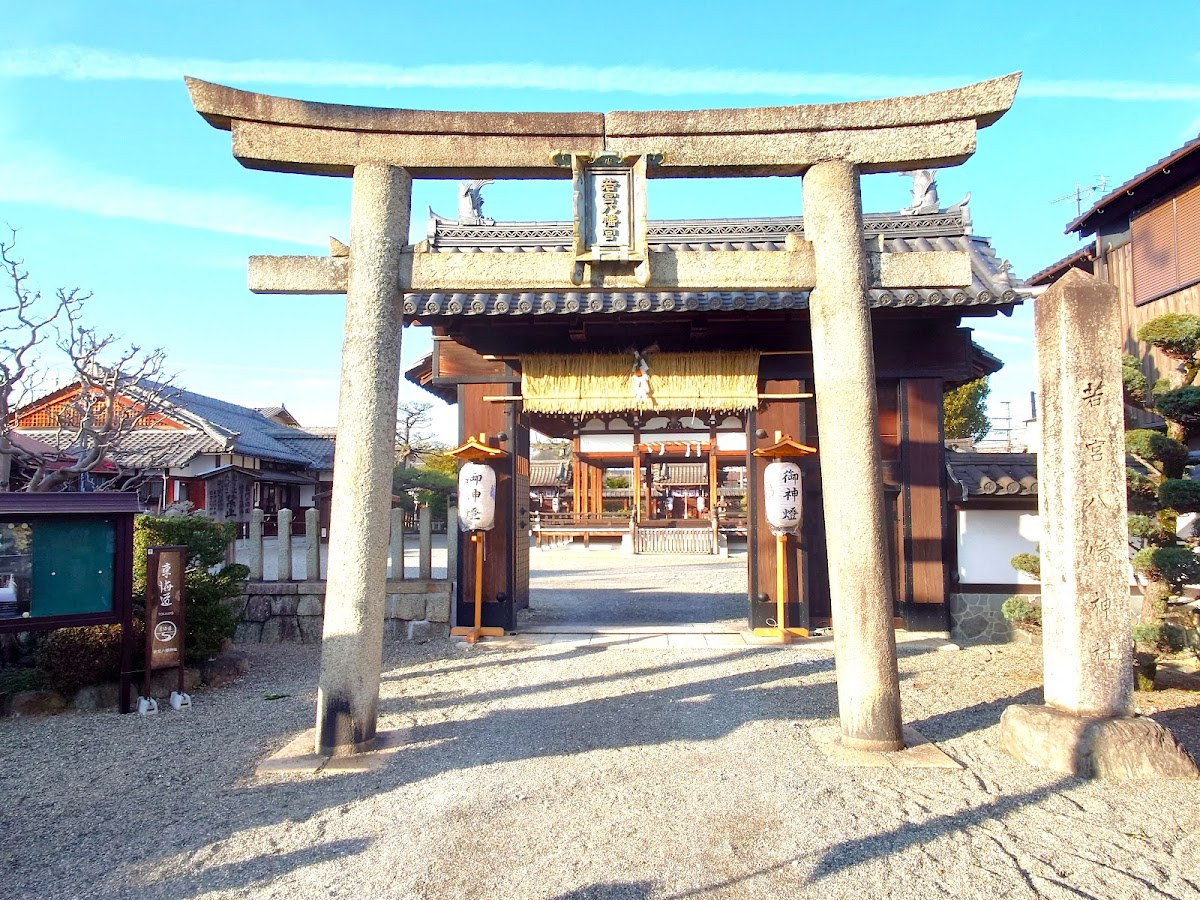
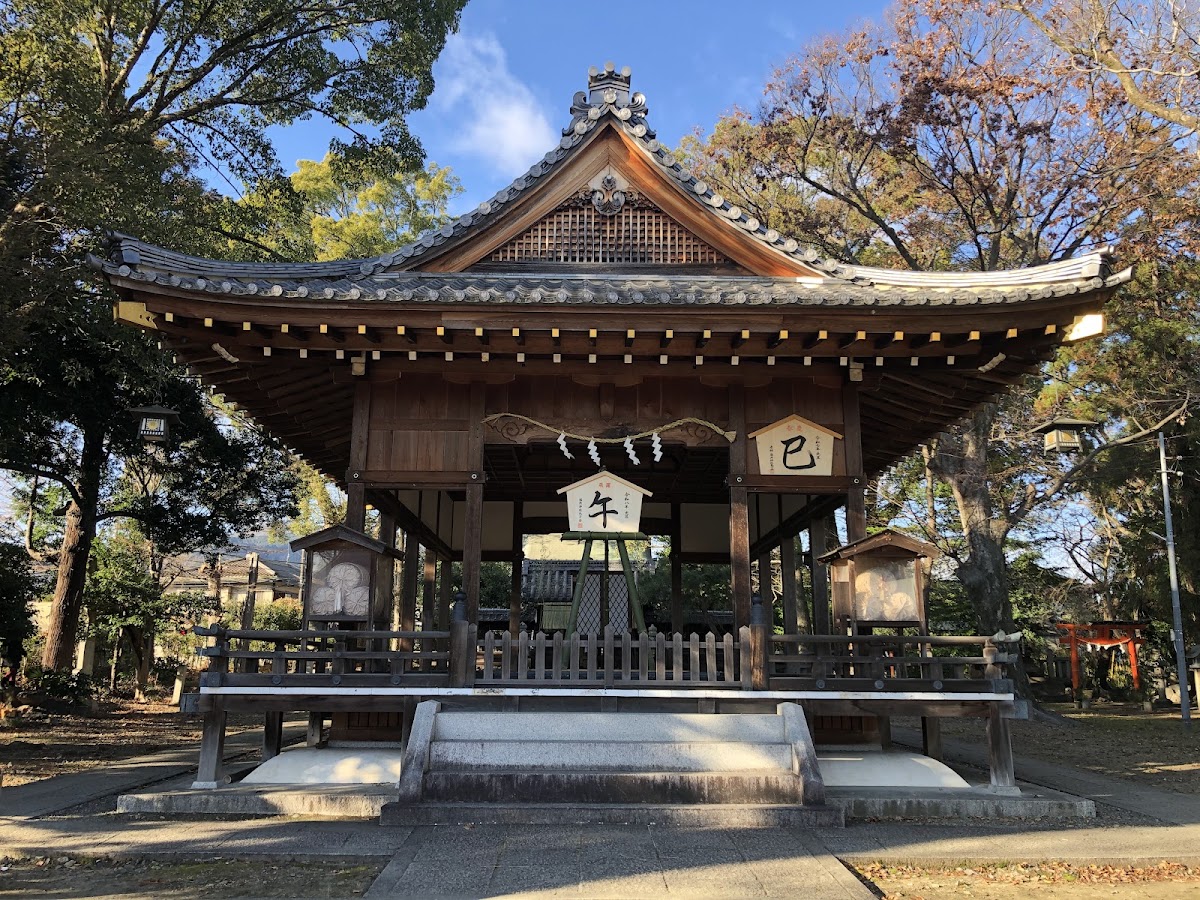
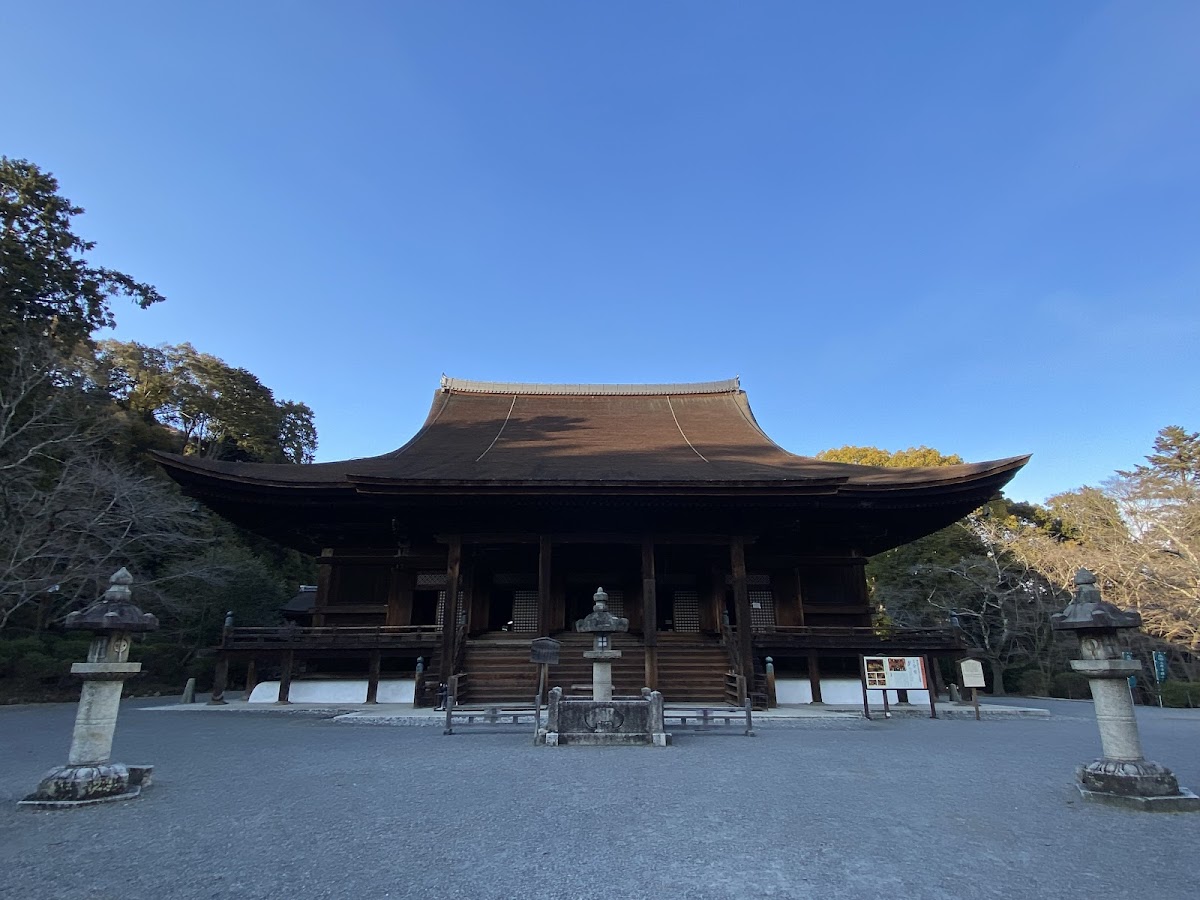
Mio Shrine, located in Onjoji-cho, Otsu City, Shiga Prefecture, is an ancient shrine with a rare “forward-facing rabbit” as its crest. Boasting a history of over a thousand years as the guardian shrine of the South Precinct of Onjoji Temple (Mii-dera Temple), it attracts many visitors with its main hall, designated as a National Important Cultural Property, and the legends surrounding rabbits. This article provides a detailed explanation of Mio Shrine, including its history, enshrined deities, highlights of the grounds, cultural properties, festivals, and access methods.
History of Mio Shrine
Founding and History
There are several traditions regarding the founding of Mio Shrine. According to the oldest record, it was rebuilt in the spring of the first year of the Jogan era (859) in Kotoo Valley on Mount Nagara by Chisho Daishi Enchin, the founder of Onjoji Temple. However, the origins of the shrine are believed to date back even further, with a legend remaining that the Mio Myojin appeared in this area.
According to the legend of the Mio Myojin’s appearance, a divine beast with three tails of red, white, and black descended upon Mount Nagara, and it is said that these three deities came to be worshipped as Akao-shin, Shiroo-shin, and Kuroo-shin. These three deities have long been revered as gods serving Izanagi-no-Mikoto.
Relationship with Onjo-ji Temple
Mio Shrine has served as the guardian shrine of the South Precinct of Onjo-ji Temple (Mii-dera Temple), playing the role of a protector of the temple. It was formerly known as “Mio-sha” or “Kami-Mio-sha” and was closely linked to the religious activities of Onjo-ji Temple. During the Middle Ages, it weathered the turbulent times of history alongside Onjo-ji Temple, amidst conflicts with Enryaku-ji Temple on Mount Hiei.
Changes in the Shrine Building
The current main shrine building was constructed in 1426 (Oei 33) with the support of the Ashikaga Shogunate, and it preserves the excellent characteristics of shrine architecture from the Muromachi period. Later, in 1876 (Meiji 9), it was moved to its current location, where it remains today. Located where the Lake Biwa Canal enters Mount Nagara, it forms a beautiful landscape in harmony with the surrounding natural environment.
Under the Meiji era’s shrine ranking system, it was ranked as a prefectural shrine, positioning it as an important shrine in the region.
Deities and Divine Virtues
Main Deity: Izanagi-no-Mikoto
The main deity of Mio Shrine is Izanagi-no-Mikoto. Izanagi-no-Mikoto is the god of creation in Japanese mythology, and together with Izanami-no-Mikoto, he is known as a creator god who gave birth to the Japanese archipelago and many gods.
Due to their connection as the divine couple Izanagi and Izanami, Mio Shrine is widely worshipped as a deity of matchmaking. Visitors seeking good relationships and those praying for marital harmony come from all over Japan.
Enshrined Deities: Shirao-no-kami and Kuroo-no-kami
Shirao-no-kami and Kuroo-no-kami are enshrined alongside the main deity. These deities originate from the aforementioned Mio Myojin legend, and Akao-no-kami is sometimes identified with the main deity (Izanagi). The legend of the three-tailed divine beast reflects a unique form of worship in this region.
Guardian Deity for Those Born in the Year of the Rabbit
Mio Shrine is also known as the guardian deity for those born in the Year of the Rabbit. This stems from a legend involving Izanagi and a rabbit, and the shrine attracts a particularly large number of visitors in the Year of the Rabbit. In 2011, the Year of the Rabbit, visitors flocked to the shrine from all over Japan for their first shrine visit of the year, and the grounds were bustling with people.
Highlights of the Shrine Grounds
Main Hall (Important Cultural Property)
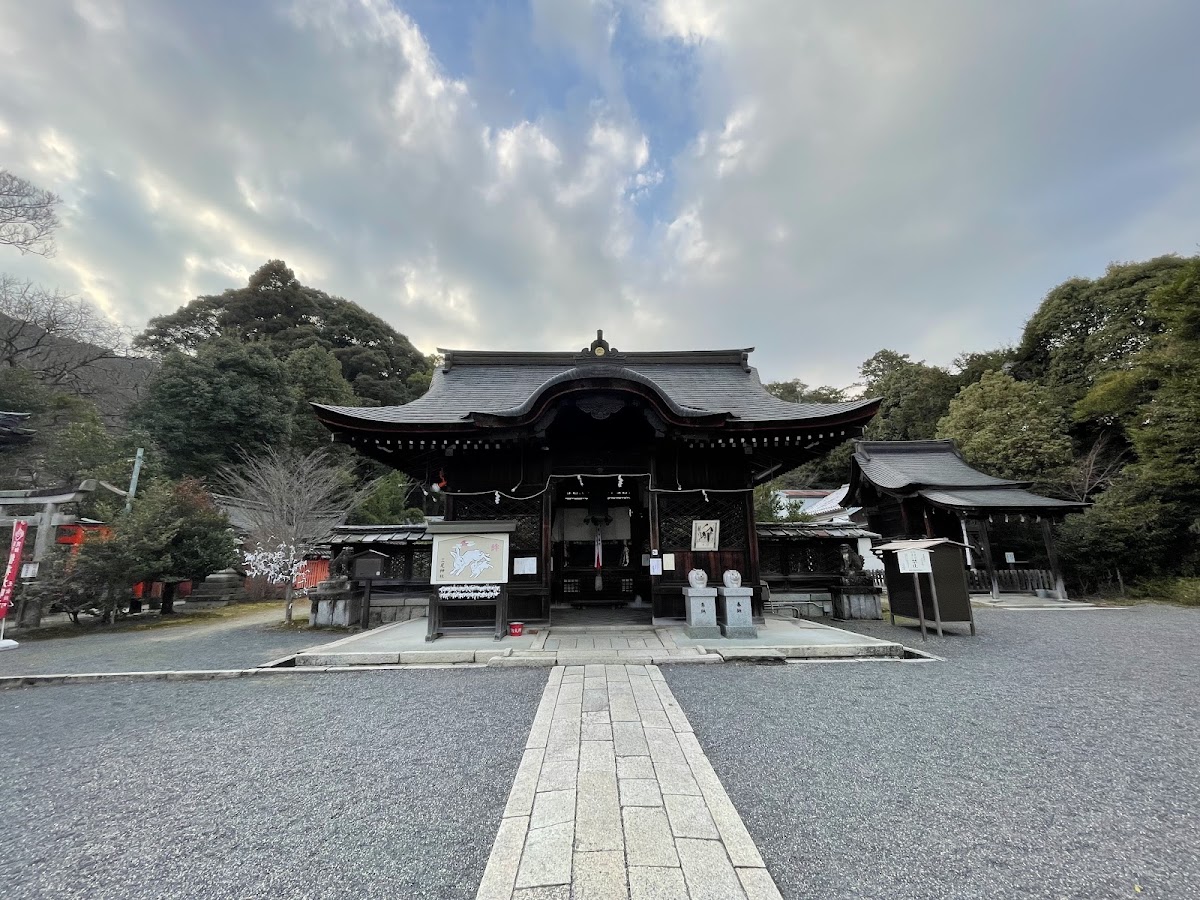
The greatest highlight of Mio Shrine is its main hall, which is designated as a National Important Cultural Property. It was designated as an Important Cultural Property on December 10, 2014.
The main hall is built in the Sangensha Nagare-zukuri architectural style, characterized by its cypress bark roof. It retains much of its original appearance from 1426, making it a valuable cultural asset that conveys the techniques and aesthetics of Muromachi period shrine architecture to the present day.
The building features intricate carvings and decorations in its details, showcasing the high skill of the craftsmen of the time. The vermilion-painted shrine creates a beautiful contrast with the surrounding greenery, making it a popular photogenic spot.
The Rabbit Crest and Rabbits on the Shrine Grounds
The most distinctive feature of Mio Shrine is its crest, a “forward-facing rabbit,” which is rare throughout Japan. The image of a rabbit facing forward is a unique design rarely seen at other shrines and has become a symbol of the shrine.
Various rabbit sculptures and paintings are placed throughout the shrine grounds. Stone rabbits, wooden rabbits, rabbits depicted on votive tablets—a diverse array of rabbits welcomes visitors. It’s a special place for rabbit lovers and those born in the Year of the Rabbit, and it’s also gaining attention as a photogenic spot for social media.
The Natural Environment of Kotoo Valley
Mio Shrine is located in Kotoo Valley on Mount Nagara, surrounded by abundant nature. The Lake Biwa Canal flows nearby, allowing visitors to enjoy the scenery of each season. The fresh greenery in spring and the autumn leaves are beautiful, offering different views depending on the time of year you visit.
The shrine grounds are enveloped in a tranquil atmosphere, providing a peaceful and healing space despite its urban location.
Cultural Properties
Nationally Designated Important Cultural Property
Mio Shrine Main Hall
- Date of Designation: December 10, 2014
- Architectural Style: Three-bay Nagare-zukuri style
- Roof: Cypress bark roofing
- Construction Date: 1426 (Oei 33)
The main hall clearly exhibits the characteristics of shrine architecture from the Muromachi period and holds high architectural historical value. Long-term preservation and repairs have maintained its original appearance.
Other Cultural Properties
In addition to the main hall, the shrine grounds contain historically valuable stone structures and offerings. These are important materials that tell the history of local faith.
Festivals and Annual Events
Annual Festival
Mio Shrine holds a traditional annual festival every year. During the annual festival, solemn Shinto rituals are performed, and local residents attend to pray for the prosperity of the shrine and the peace and security of the community.
Special Visit in the Year of the Rabbit
The Year of the Rabbit, which occurs only once every 12 years, sees a special surge in activity. As the guardian deity of those born in the Year of the Rabbit, many worshippers from all over the country visit, and special amulets and Goshuin (shrine seals) are bestowed. Even more worshippers are expected in the next Year of the Rabbit.
New Year’s Visit
The New Year’s visit to the shrine is also bustling with many worshippers. The New Year’s visit in the Year of the Rabbit is particularly special, with the shrine grounds overflowing with people from early morning. A constant stream of people visit to pray for things like matchmaking, family safety, and business prosperity.
Access
Location
Mio Shrine
- Address: 251 Onjoji-cho, Otsu City, Shiga Prefecture 520-0036
- Phone: 077-522-3044 (Onjoji Temple)
Access by Public Transportation
Using Keihan Railway
- Get off at “Mii-dera Station” on the Keihan Ishiyama-Sakamoto Line, approximately 10 minutes on foot
- Head towards Onjoji Temple (Mii-dera Temple) from the station, pass through the temple grounds to reach Mio Shrine
Using JR
- Take a Keihan Bus from “Otsu Station” or “Zeze Station” on the JR Biwako Line
- Get off at the “Mii-dera” bus stop, approximately 5 minutes on foot
Access by Car
Using Meishin Expressway
- Approximately 10 minutes from Otsu IC
- Approximately 15 minutes from Kyoto East IC
Parking
- Parking is available at Onjoji Temple (Mii-dera Temple) (fee applies)
- Parking available for visitors
Nearby Tourist Attractions
The following tourist attractions are located near Mio Shrine:
- Onjo-ji Temple (Mii-dera Temple): The head temple of the Tendai Jimon sect, located next door. It houses numerous national treasures and important cultural properties.
- Lake Biwa Canal: A civil engineering heritage site from the Meiji era. Famous for its cherry blossoms
- Nagara Park: A park with a magnificent view overlooking Lake Biwa
- Otsu City History Museum: A facility where you can learn about the history and culture of Otsu
Etiquette and Manners for Worship
Basic Worship Etiquette
- Bow before passing through the torii gate: Show respect before entering the sacred area
- Purify yourself at the water basin: Purify your left hand, right hand, and mouth in that order
- Walk along the edge of the path: The center is considered the path for the gods
- Etiquette in front of the main hall: The basic procedure is two bows, two claps, and one bow
Photography
Photography is generally permitted on the shrine grounds, but please note the following:
- Photography inside the main hall may be prohibited
- Be considerate of other worshippers
- Use flash photography sparingly
- When posting on social media, remember to show respect to the shrine
Goshuin (Shrine Seals) and Gifts
Goshuin (Shrine Seal)
At Mio Shrine, you can receive a goshuin as proof of your visit. The special goshuin featuring a rabbit design is popular among collectors. Special goshuin are sometimes given out in the Year of the Rabbit.
Amulets and Items
- Matchmaking Amulet: A popular amulet related to the divine virtues of Izanagi-no-Mikoto.
- Year of the Rabbit Amulet: Especially recommended for those born in the Year of the Rabbit.
- Rabbit Ema (Votive Tablet): You can write your wish and dedicate it.
- Talisman: Various talismans are available, such as for family safety and business prosperity.
The Charm of Mio Shrine and Recommendation for Visiting
Mio Shrine is a shrine with three major attractions: its main hall, a nationally important cultural property; its rare rabbit crest; and its venerable history dedicated to Izanagi-no-Mikoto. Because it is adjacent to Onjo-ji Temple (Mii-dera Temple), visiting both will provide a deeper historical and cultural experience.
This shrine is worth visiting for a variety of reasons, including those seeking blessings for matchmaking, those born in the Year of the Rabbit, rabbit lovers, those interested in historical buildings, and those seeking peace of mind in a tranquil environment.
When sightseeing around Lake Biwa, be sure to visit Mio Shrine. In the peaceful environment of Mount Nagara, you can feel the sacred atmosphere of a shrine with over a thousand years of history.
References and Related Information
For more detailed information about Mio Shrine, please refer to the following sources:
- Shiga Prefecture Shrine Association Database
- Cultural Heritage Online (Agency for Cultural Affairs)
- Otsu City Tourism Information Site “Biwako Otsu Travel Guide”
- Onjo-ji Temple (Mii-dera Temple) Official Website
We recommend checking the latest information before visiting the site. In particular, it is advisable to check the dates of festivals, visiting hours, and parking availability in advance.
Mio Shrine, as one of the representative historical shrines of Otsu City, Shiga Prefecture, will undoubtedly continue to welcome many visitors in the future. Guided by the rabbit crest, please do visit this special shrine.