Miyamoto Shrine (Yurihama Town, Tohaku District, Tottori Prefecture) Complete Guide | History, Benefits, and Access Information
Nearby nestled in the Hawaii Onsen hot spring resort area of Yurihama Town, Tohaku District, Tottori Prefecture, Miyamoto Shrine is a beloved local guardian deity. Formerly known as “Sagi Daimyojin,” it has long been revered as a guardian deity against smallpox, attracting deep faith from the surrounding area. This article will introduce the charms of Miyamoto Shrine in its entirety, from its history and origins to its enshrined deities and benefits, unique worship methods, and even the recently popular service of praying with your beloved dog.
Basic Information about Miyamoto Shrine
Location: 37 Kamiasatsu, Yurihama-cho, Tohaku-gun, Tottori Prefecture
Deity Enshrined: Sarutahiko-no-mikoto / Sagi Daimyojin
Shrine Rank: Village Shrine
Annual Festival Day: Second Sunday of October
Parking: Public parking available in the surrounding hot spring town area
Nearest Station: Approximately 10 minutes by car from JR Matsuzaki Station
Bus Stop: Approximately 2 minutes on foot from the Nihon Kotsu “Hawaii Onsen” bus stop
Miyamoto Shrine is located in the heart of Hawaii Onsen, known as “Japan’s Hawaii,” making it easily accessible while strolling through the hot spring town. Due to its location in a hot spring area on the shores of Lake Togo, it is also revered as a guardian deity of the hot springs.
The History and Origins of Miyamoto Shrine
Founding and the Faith of the Heron Deity
The founding date of Miyamoto Shrine is unknown, but it has existed as a shrine deeply rooted in the community since ancient times. From ancient times, it was called “Sagi Daimyojin” (Heron Deity) and was particularly revered by people in the surrounding area as a guardian deity against smallpox. During the Edo period, smallpox was a highly feared disease, and it is said that people came from far away to pray for recovery.
The heron (sagi) is often considered sacred due to its pure white appearance and was believed to have the power to ward off disease and purify. From this, it is thought that the faith in Sagi Daimyojin as a god of protection against smallpox spread.
Renaming in the Meiji Era and the Transformation into Miyamoto Shrine
In the early Meiji period, amidst the separation of Shinto and Buddhism and the development of the shrine system, Sagi Daimyojin was renamed “Miyamoto Shrine,” after the local place name “Miyamoto.” This renaming clarified its character as the local tutelary deity, and it continues to be revered as the tutelary deity of the Kami-Asatsu and Hawaii Onsen districts to this day.
Ridgepole Inscription and Sacred Object from Kyoho 9
Miyamoto Shrine possesses a ridgepole inscription indicating that the sacred object was created in Kyoho 9 (1724), showing that the faith was already established in its current form during the mid-Edo period. This inscription is a valuable historical document for understanding the history of the shrine, telling the story of approximately 300 years of faith.
Deity and Benefits
Main Deity: Sarutabiko-no-Mikoto (Sagi Daimyojin)
The deity enshrined at Miyamoto Shrine is Sarutabiko-no-Mikoto. This deity is sometimes identified with Sarutahiko-no-Mikoto, a figure in Japanese mythology, and is known as the god of opening paths and guidance. Furthermore, the worship of Sagi-Daimyojin (Great Heron Deity) is also inherited, giving the deity the characteristic of a god of healing illnesses.
Main Benefits
Miyamoto Shrine is believed to offer the following benefits:
- Healing from Illness: Protection from skin diseases and infectious diseases, especially smallpox.
- Traffic Safety: Safe travels thanks to the divine virtue of Sarutahiko-no-Mikoto’s ability to open paths.
- Protection from Hot Springs: Enhancement of the effectiveness of hot spring therapy as the guardian deity of Hawaii Onsen (hot springs).
- Family Safety: Health and prosperity of families as the local tutelary deity.
- Business Prosperity: Success in business as the god who watches over the development of the hot spring town.
Subsidiary Shrine: Chigiri-Daimyojin (God of Matchmaking)
Within the grounds of Miyamoto Shrine is a subsidiary shrine dedicated to Chigiri-Daimyojin. This deity is known as the god of matchmaking, and many worshippers seeking good relationships and those wishing for marital harmony visit the shrine. It’s also common to see couples visiting during trips to Hawaii Onsen.
Unique Worship Method: “Wishing with the Bell Rope”
Miyamoto Shrine has a unique way of making wishes that isn’t seen at other shrines. It’s the tradition that “If you tie the bell rope with your thumb and little finger, your wish will come true.”
How to Tie the Bell Rope
- Worship as usual with two bows, two claps, and one bow.
- Take the bell rope (the rope hanging in front of the main hall).
- Tie the bell rope with your thumb and little finger.
- Think your wish with all your heart.
- Gently release your hand, being careful not to untie the knot.
This method has been passed down locally for generations. It’s believed that tying the knot with the thumb and little finger, a combination not commonly used, will send a stronger wish to the gods. Please try it when you visit the shrine.
Visiting the Shrine with Your Dog: “Hau’oli Prayer”
In recent years, Miyamoto Shrine has been attracting attention with its new initiative: the “Hau’oli Prayer,” which allows you to visit the shrine with your beloved dog.
What is Hau’oli Prayer?
“Hau’oli” means “happiness” in Hawaiian. This special prayer service, unique to Miyamoto Shrine located in Hawaii Onsen, known as “Japan’s Hawaii,” deepens the bond with your dog.
Service Details
- Prayers expressing gratitude for meeting your dog and for daily life together
- Prayers for the health and longevity of both you and your dog
- You can visit the shrine grounds with your dog
- Commemorative photos are welcome
How to Use
Hau’oli prayers require advance reservations. If you wish to use this service, we recommend contacting them in advance using one of the following methods:
- Reservations through the Yurihama Town Tourism Association
- Direct contact with Miyamoto Shrine (information can be found on their Facebook page, etc.)
With pet travel becoming increasingly popular, this service, which allows you to visit the shrine with your dog, is highly regarded by pet lovers. Since there are also accommodations in Hawaii Onsen that allow dogs, many people combine this service with a hot spring trip.
Highlights of the Shrine Grounds
Main Hall and Worship Hall
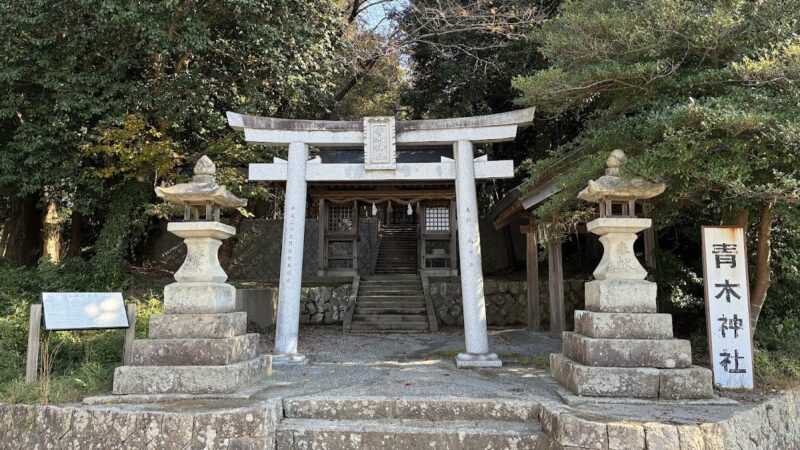
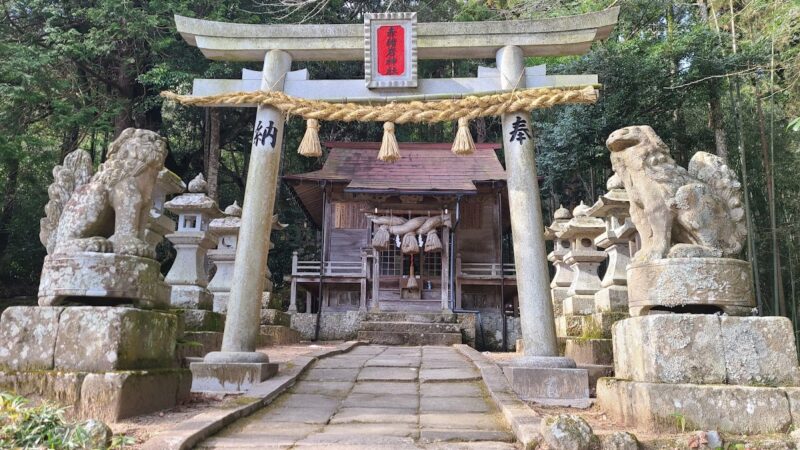
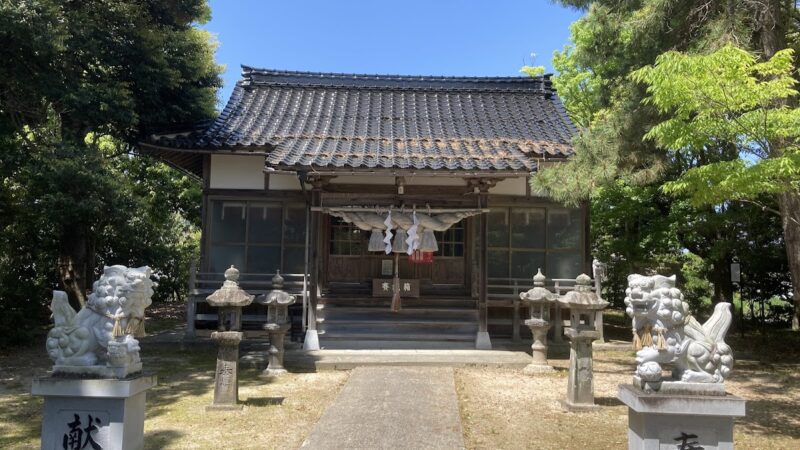
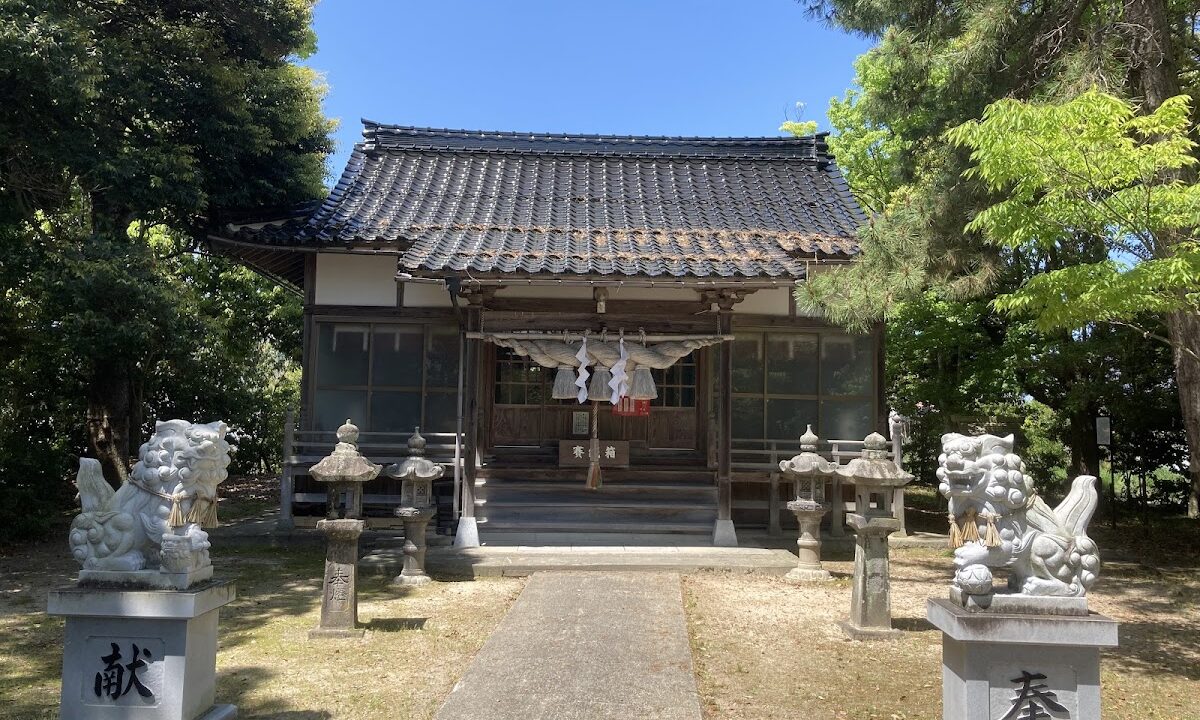
Miyamoto Shrine’s main hall is a tranquil building quietly situated in a corner of the hot spring town. While not large in scale, it possesses a charm that reflects the history carefully preserved by the local people. A distinctive bell rope hangs in front of the worship hall, and worshippers can be seen making wishes.
Atmosphere of the Shrine Grounds
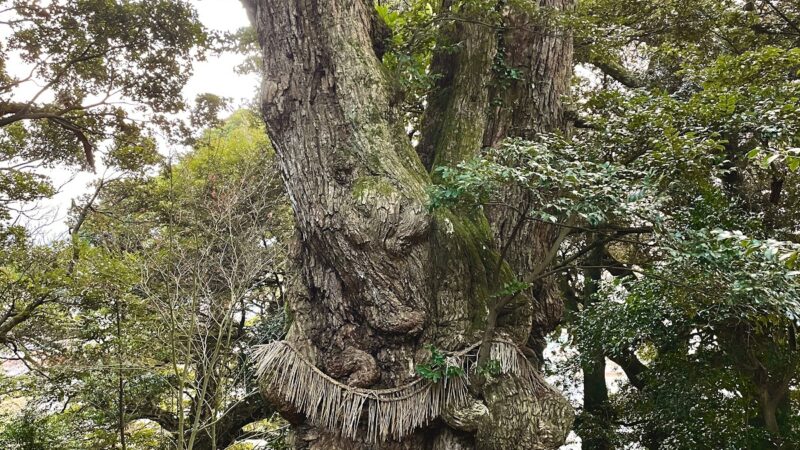
Despite being in the midst of the bustling Hawaii Onsen town, stepping onto the shrine grounds envelops you in silence. A pleasant breeze blows in from Lake Togo, making it a popular spot for locals and tourists alike to relax amidst strolls through the hot spring town.
Seasonal Scenery
In spring, cherry blossoms bloom, and in autumn, the autumn leaves color the shrine grounds. Especially during the autumn festival, local people gather, creating a lively atmosphere. The shrine grounds, which show different expressions in each season, offer new discoveries with every visit.
Annual Festivals and Events
Autumn Grand Festival
The most important festival at Miyamoto Shrine is the Autumn Grand Festival, held every year on the second Sunday of October. On this day, parishioners and local residents gather for Shinto rituals and a celebratory feast. It is an important opportunity to preserve local traditions and deepen community bonds.
Other Annual Events
- New Year’s Day Festival: Praying for happiness in the new year
- Setsubun Festival: Praying for protection against evil and for good fortune
- Summer Purification Ceremony: Cleansing away the impurities accumulated over the past six months
These events are carefully preserved by the local people and support the cultural aspects of Hawaii Onsen.
Access Information and Nearby Attractions
Access by Public Transportation
By Train:
- Get off at Matsuzaki Station on the JR San’in Main Line, then take a taxi for approximately 10 minutes.
- Get off at Kurayoshi Station on the JR San’in Main Line, then take a local bus for approximately 20 minutes.
By Bus:
- Get off at the Hawaii Onsen bus stop on the Nihon Kotsu bus line, then walk for approximately 2 minutes.
Access by Car
- Approximately 5 minutes from the Hawaii IC on the San’in Expressway.
- Approximately 40 minutes from Tottori Airport.
- Approximately 50 minutes from Yonago Airport.
There is no dedicated parking lot for the shrine, but you can use the public parking lot in Hawaii Onsen or the parking lots of the hot spring facilities. It is recommended to visit the shrine in conjunction with a stroll through the hot spring town.
Nearby Attractions
Hawai Onsen:
A hot spring resort spread along the shores of Lake Togo, where you can enjoy bathing while overlooking the lake. There are also many day-trip bathing facilities, allowing you to enjoy the hot springs in conjunction with a visit to Miyamoto Shrine.
Lake Togo: Enjoy nature by strolling along the lakeside promenade or cycling around the lake. It’s also known for the swans that migrate there in winter.
Yanchoen Chinese Garden: A full-fledged Chinese garden located about 15 minutes away by car. Boasting one of the largest scales in Japan, it offers a landscape full of exotic charm.
Pear Picking Experience: Yurihama Town is also famous as a production area for the 20th Century pear. There are farms where you can experience pear picking in the autumn.
Manners and Precautions for Visiting a Shrine
Basic Worship Etiquette
- Bow before passing through the torii gate: A courtesy when entering the sacred area.
- Purify yourself at the water basin: Purify your left hand, right hand, and mouth in that order.
- Two bows, two claps, one bow: Basic etiquette before the shrine.
- Making a wish at the bell rope: Try the unique etiquette of Miyamoto Shrine.
Precautions when bringing your dog
- Always make a reservation in advance.
- Keep your dog on a short leash and be considerate of other worshippers.
- Be careful not to soil the shrine grounds.
- Pay attention to your dog’s health.
Photography
Photography is generally permitted on the shrine grounds, but please refrain from taking pictures inside the main hall or during Shinto rituals. When posting on social media, it is important to be considerate of the privacy of other worshippers.
The Charm and Worth of Visiting Miyamoto Shrine
Miyamoto Shrine is not a large-scale tourist shrine, but it is a warm and welcoming shrine deeply rooted in the community. With its long-standing worship as Sagi Daimyojin (Great Heron Deity) dating back to the Edo period, its unique bell rope prayer service, and its modern dog prayer service, it is a fascinating shrine where tradition and innovation coexist.
When visiting Hawaii Onsen, you can easily stop by as part of a stroll through the hot spring town. Many people visit seeking the beautiful scenery of Lake Togo, the healing power of the hot springs, and the peace of mind at Miyamoto Shrine.
As the local guardian deity and protector of the hot springs, Miyamoto Shrine will undoubtedly continue to be loved by the local people. When visiting Tottori Prefecture, why not pay a visit? The experience of making a wish with the bell rope tied between your thumb and little finger is sure to be an unforgettable memory.
Summary
Miyamoto Shrine is a historical and traditional shrine located in Hawaii Onsen, Yurihama-cho, Tohaku-gun, Tottori Prefecture. Formerly known as Sagi Daimyojin, it was a place of worship for protection against smallpox, and is now revered as a deity of healing, traffic safety, and protection of hot springs.
It has unique features not found in other shrines, such as its distinctive method of making wishes using a bell rope and the Hau’oli prayer service where visitors can pray with their beloved dogs. It is a place that can be refreshed both physically and mentally, often visited in conjunction with a trip to the Hawaii Onsen (hot springs), and is popular with both locals and tourists.
Nearby amidst the hustle and bustle of the hot spring town, Miyamoto Shrine continues to play its role as a spiritual haven for people even today.