Myofuku-ji Temple Complete Guide: History, Highlights, and How to Visit
There are several temples named “Myofuku-ji” throughout Japan, each with its own unique history and culture. Many are Nichiren Buddhist temples, gathering local faith and serving as spiritual havens for people throughout their long history. This article provides a detailed explanation of the history, origins, highlights, and how to visit representative Myofuku-ji temples.
What is Myofuku-ji?: Basic Knowledge of Nichiren Buddhist Temples
Myofuku-ji is the name of a Nichiren Buddhist temple found throughout Japan. “Myo” originates from “Myoho Renge Kyo” (Lotus Sutra), and “Fuku” signifies happiness and good fortune. Nichiren Buddhism is a Buddhist sect founded by Nichiren Shonin during the Kamakura period, and its fundamental scripture is the Lotus Sutra.
Characteristics of Nichiren Buddhist Temples
Myofuku-ji temples, being Nichiren Buddhist temples, share common characteristics. The main hall houses a statue of Nichiren Shonin and a mandala, and the mantra “Namu Myoho Renge Kyo” is chanted. Furthermore, many Myofuku-ji temples hold various religious services and events throughout the year based on the teachings of the Lotus Sutra.
Introduction to Major Myofuku-ji Temples
Myofuku-ji Temple (Choshi City, Chiba Prefecture)
Located in Choshi City, Chiba Prefecture, Kaijozan Myofuku-ji Temple is a historic temple known as Myoken-gu. With a vast precinct of approximately 8,000 tsubo (about 26,400 square meters), it is known as a prestigious temple with deep ties to the Imperial family and the shogunate.
History and Origins
Myofuku-ji Temple in Choshi has a long history and has developed as a center of local faith. As Myoken-gu, it enshrines Myoken Bodhisattva and has attracted worshippers seeking safe voyages, good fortune, and protection from evil. The temple grounds contain several halls, each with its own unique role.
A Famous Wisteria Spot
Myofuku-ji Temple in Choshi is also famous as a wisteria spot. The temple grounds have four wisteria trellises, one of which is an ancient tree over 740 years old. It is called “Garyu no Fuji” (Sleeping Dragon Wisteria) because its base resembles a sleeping dragon, and it blooms magnificently every year from late April to early May. The wisteria flower clusters can reach up to 5 feet (approximately 1.5 meters) in length, captivating many worshippers and tourists.
Annual Events
- Senbu-e (Myoken-gu Grand Festival): The most important festival, held annually on April 25th and 26th.
- Wisteria Festival: A spring event held to coincide with the wisteria blooming season.
- Flower Water Basin: Beautiful flower water basins, changing color with the seasons, welcome visitors.
Myofuku-ji Temple (Nerima Ward, Tokyo)
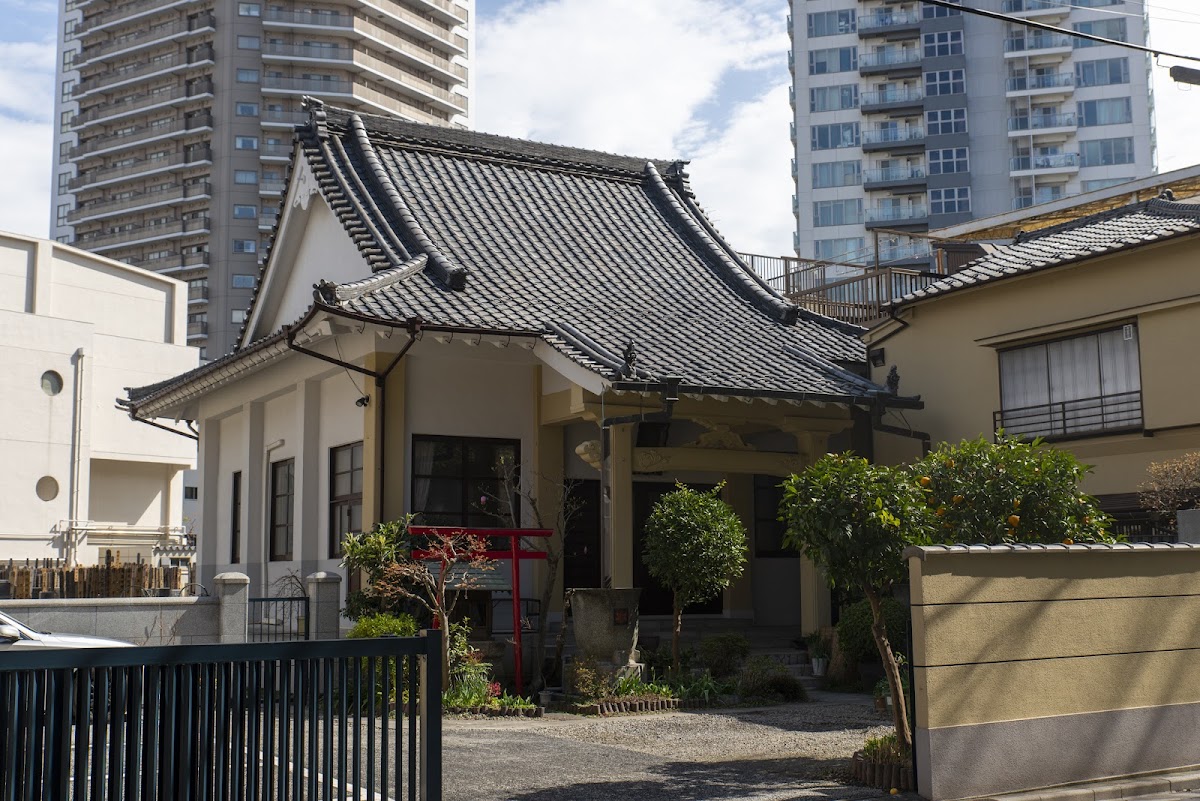
Nishi-Nakayama Myofuku-ji Temple, located in Minami-Oizumi 5-chome, Nerima Ward, Tokyo, is a Nichiren Buddhist temple in Tokyo that engages in community-based activities.
History and Origins
Myofuku-ji Temple in Nerima was originally a Tendai Buddhist temple founded in 850 AD by Jikaku Daishi Ennin. Later, it converted to the Nichiren sect and remains so today. Its former head temple was the Daihonzan Hokke-kyo-ji Temple, and it belongs to the Tatsushi lineage.
Access
The nearest station is Oizumi-gakuen Station on the Seibu Ikebukuro Line. It is accessible by bus or on foot from the station. The address is 5-6-56 Minami-Oizumi, Nerima-ku, Tokyo.
Myofuku-ji Temple (Fujisawa City, Kanagawa Prefecture)
Myofuku-ji Temple, located in Fujisawa City, Kanagawa Prefecture, is known for its magnificent view of Mt. Fuji.
Features
Myofuku-ji Temple in Fujisawa is affectionately known as a “bright temple associated with the Shogun.” Mt. Fuji can be seen from the temple grounds, and the view from the cemetery is also exceptional. The temple cemetery provides an environment where Buddhist sutras can be heard daily, making it an ideal place to remember the deceased.
Myofuku-ji Temple (Takanezawa Town, Tochigi Prefecture)
Myofuku-ji Temple in Takanezawa Town, Tochigi Prefecture, houses valuable cultural artifacts.
Cultural Artifacts
There are two warrior-shaped stone steles made of chlorite schist, both discovered at the same location in Fukuoka, Minami-Nasu Town, and donated to Myofuku-ji Temple. These are valuable historical artifacts, both bearing the title “Namu Myoho Renge Kyo” and inscribed with verses excerpted from the sutra on either side.
Highlights and Charms of Myofuku-ji Temple
Main Hall and Temple Grounds Architecture
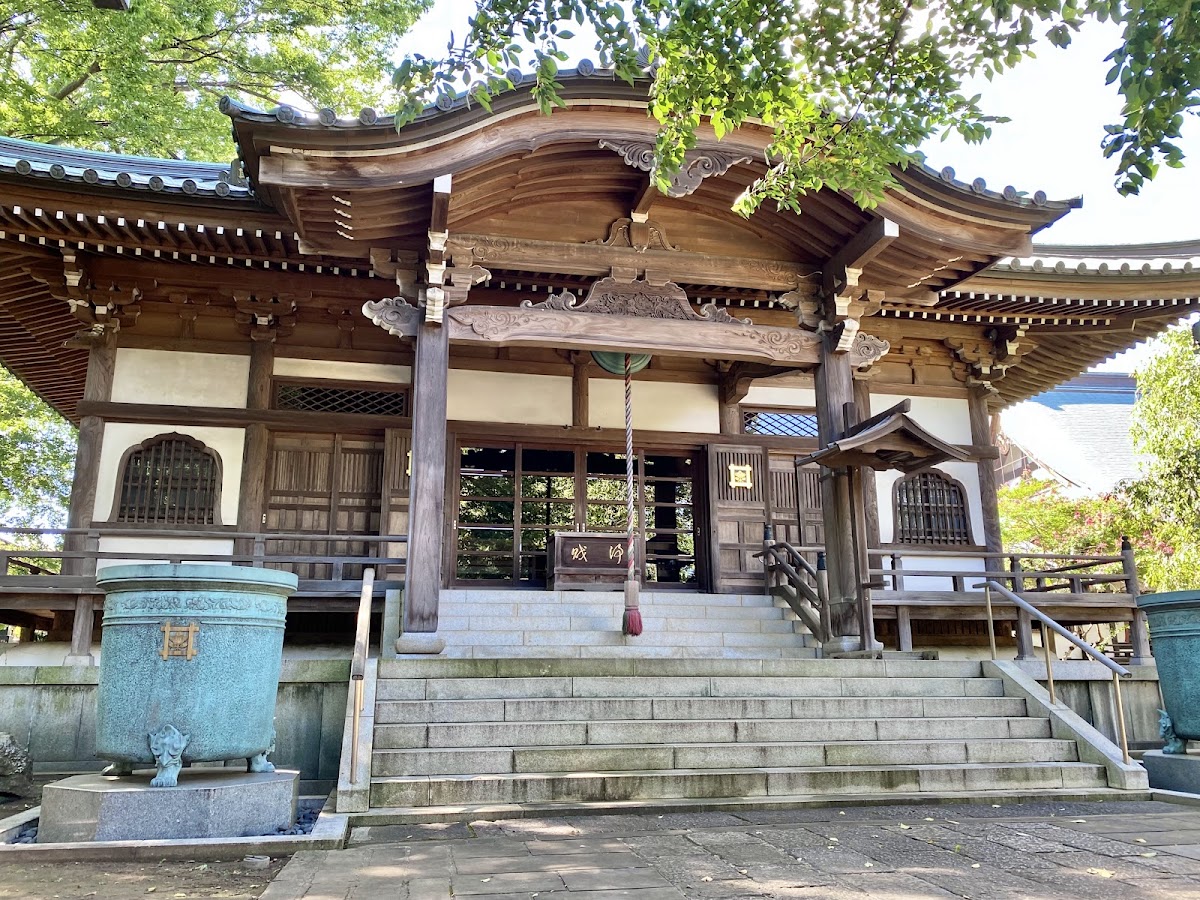
Myofuku-ji Temple’s main hall is a magnificent building characteristic of Nichiren Buddhist temples. Many Myofuku-ji temples have multiple halls and facilities arranged around the main hall, allowing visitors to leisurely explore the grounds.
Seasonal Flowers and Nature
At Myofuku-ji Temple, you can enjoy the beauty of nature throughout the seasons. The wisteria at Choshi Myofuku-ji Temple is particularly breathtaking, coloring the temple grounds purple with its blossoms in spring. Many Myofuku-ji temples also feature flower-filled water basins, welcoming visitors with different flowers each season.
Amulets, Fortune Slips, and Temple Seals
Myofuku-ji Temple offers a variety of amulets and fortune slips. Each temple has its own unique designs and types, making them popular souvenirs of visits.
About Goshuin (Temple Seals)
Goshuin are given as proof of worship. Each Myofuku-ji temple has its own unique goshuin, with different calligraphy and designs. The general procedure is to bring your goshuincho (stamp book) and receive it at the reception area after praying in the main hall. The offering fee for a goshuin is usually around 300 to 500 yen.
How to Visit and Etiquette at Myofuku-ji Temple
Basic Flow of Visiting
- Bow at the Temple Gate: Bow at the temple gate before entering the temple grounds.
- Purify at the Water Basin: Purify your hands and mouth.
- Worship at the Main Hall: Join your hands in prayer in front of the main hall and silently recite the mantra “Namu Myoho Renge Kyo.”
- Visiting the Halls: Visit each hall within the temple grounds.
- Departure: Turn around and bow as you leave the temple gate.
Attire and Etiquette for Visiting
No special attire is required, but revealing clothing should be avoided. Walk quietly within the temple grounds, and only take photographs in designated areas. Photography inside the main hall is generally prohibited, so it is necessary to check in advance.
Etiquette for Offering Money
Offering money is a way of expressing gratitude. There is no set amount for offerings, but it is customary to quietly place your offering in the offering box, ring the bell if present, and then clasp your hands together in prayer. In Nichiren Buddhism, it is common to pray with only clasped hands, rather than the traditional two bows, two claps, and one bow.
Annual Events and Festivals at Myofuku-ji Temple
Spring Events
Wisteria Festival (Late April – Early May): Myofuku-ji Temple in Choshi holds a grand wisteria festival to coincide with the blooming of the wisteria. Various events are planned during this period, attracting many visitors.
Senbu-e (Myoken-gu Grand Festival) (April 25th & 26th): This is the most important festival at Myofuku-ji Temple in Choshi, where the Lotus Sutra is recited a thousand times.
Summer Events
During the Obon period, memorial services such as the Segaki memorial service and the Urabon-e are held to honor ancestors.
Autumn Events
Oeshiki (October-November): An important memorial service commemorating the death anniversary of Nichiren Shonin. Some temples hold lantern processions.
Winter Events
Events such as Hatsumode (first shrine visit of the year) and Setsubun (bean-throwing festival) are held to mark the New Year and seasonal milestones.
Access and Visiting Information
Access to Each Myofuku-ji Temple
Myofuku-ji Temple in Choshi City
- Address: 1465 Myoken-cho, Choshi City, Chiba Prefecture
- Access: Take a bus or taxi from JR Choshi Station
Myofuku-ji Temple in Nerima Ward
- Address: 5-6-56 Minami-Oizumi, Nerima Ward, Tokyo
- Access: Take a bus or walk from Seibu Ikebukuro Line “Oizumi-Gakuen Station”
Myofuku-ji Temple in Fujisawa City
- Fujisawa City, Kanagawa Prefecture
- Access: Check the official website for details
Visiting Hours and Admission Fees
Many Myofuku-ji temples do not require an admission fee, and you can visit anytime during the day. However, there may be separate fees for special viewings or visits to the treasure hall. Visiting hours are generally from around 6:00 AM to 5:00 PM, but this varies depending on the season and the temple, so it is recommended to check in advance.
Teachings and Dharma Talks by the Chief Priest
At Myofuku-ji temples, you can have the opportunity to hear Dharma talks and teachings from the chief priest. At many temples, during monthly services and special events, the head priest explains Buddhist teachings and wisdom applicable to daily life in an easy-to-understand manner.
The head priest’s words and sermons are often regularly posted on the temple’s website and social media, allowing those who cannot visit in person to access the teachings. A key feature is the practical content, such as the spirit of “Rissho Ankoku” (establishing righteousness and securing peace for the nation), a teaching of the Nichiren sect, and how to apply the teachings of the Lotus Sutra to modern life.
Myofuku-ji Temple and the Local Community
Connection with the Community
Myofuku-ji Temple is not merely a religious institution; it also plays a central role in the local community. Festivals and events serve as places for interaction among local residents, fostering bonds across generations.
Protection and Preservation of Cultural Assets
Many Myofuku-ji temples preserve valuable cultural assets and historical materials, playing a role in passing on the history of the region to future generations. Cultural assets such as stone steles, ancient documents, and Buddhist statues held by each temple are carefully protected as treasures of the community.
Modern Initiatives
In recent years, many Myofuku-ji temples have been actively disseminating information through social media and their websites. They post photos of flower arrangements and events on Instagram and other platforms, striving to convey the temple’s appeal to younger generations. They are also beginning new initiatives adapted to the times, such as online memorial services and broadcasts.
About Cemeteries and Perpetual Memorial Services
Characteristics of Temple Cemeteries
Many Myofuku-ji temples operate temple cemeteries, offering burial plots to parishioners and the general public. The advantage of temple cemeteries is that, because the head priest is always present, memorial services are performed daily. You can respectfully commemorate your loved ones in an environment where you can hear sutras every day.
Perpetual Memorial Services
Some Myofuku-ji temples offer perpetual memorial service systems for those without successors or those who find it difficult to manage their graves. The temple takes responsibility for continuing the memorial services perpetually, providing peace of mind.
The Significance of Visiting Myofuku-ji Temple
Seeking Peace of Mind
Modern society is a busy and stressful era. A visit to Myofuku-ji Temple offers a precious time to escape from daily life and quiet the mind. By joining your hands in prayer in the tranquil temple grounds, you can regain inner peace.
Ancestor Worship and Gratitude
A visit to Myofuku-ji Temple is also an opportunity to express gratitude to your ancestors. Having a sense of gratitude for your ancestors, recognizing that you exist today because of them, is an important element that enriches life.
Experiencing the Teachings of the Lotus Sutra
As a Nichiren Buddhist temple, Myofuku-ji Temple offers an opportunity to experience the teachings of the Lotus Sutra. The teaching, “All sentient beings possess Buddha-nature,” is a universal truth that expounds on human dignity and equality.
Summary: The Value of Visiting Myofuku-ji Temple
Myofuku-ji temples throughout Japan each possess their own unique history and characteristics, while upholding the common spirit of Nichiren Buddhism. From the magnificent wisteria of Choshi Myofuku-ji to the long history of Nerima Myofuku-ji and the beautiful scenery of Fujisawa Myofuku-ji, each temple offers its own unique charm and is well worth visiting.
Myofuku-ji Temple offers not only peace of mind through worship, but also an opportunity to experience traditional Japanese culture and Buddhist teachings. The temple grounds change their appearance with each season, offering new discoveries with every visit. We encourage you to visit a Myofuku-ji Temple near you and experience its charm firsthand.
Please note that the information presented in this article may vary depending on the specific Myofuku-ji Temple. We recommend checking the latest information on each temple’s official website or social media before your visit. We hope that a heartfelt visit will bring rich blessings to your life.