Complete Guide to Namiyoke Inari Shrine | History, Benefits, Amulets, and Access Information for Tsukiji’s Guardian Deity
What is Namiyoke Inari Shrine?
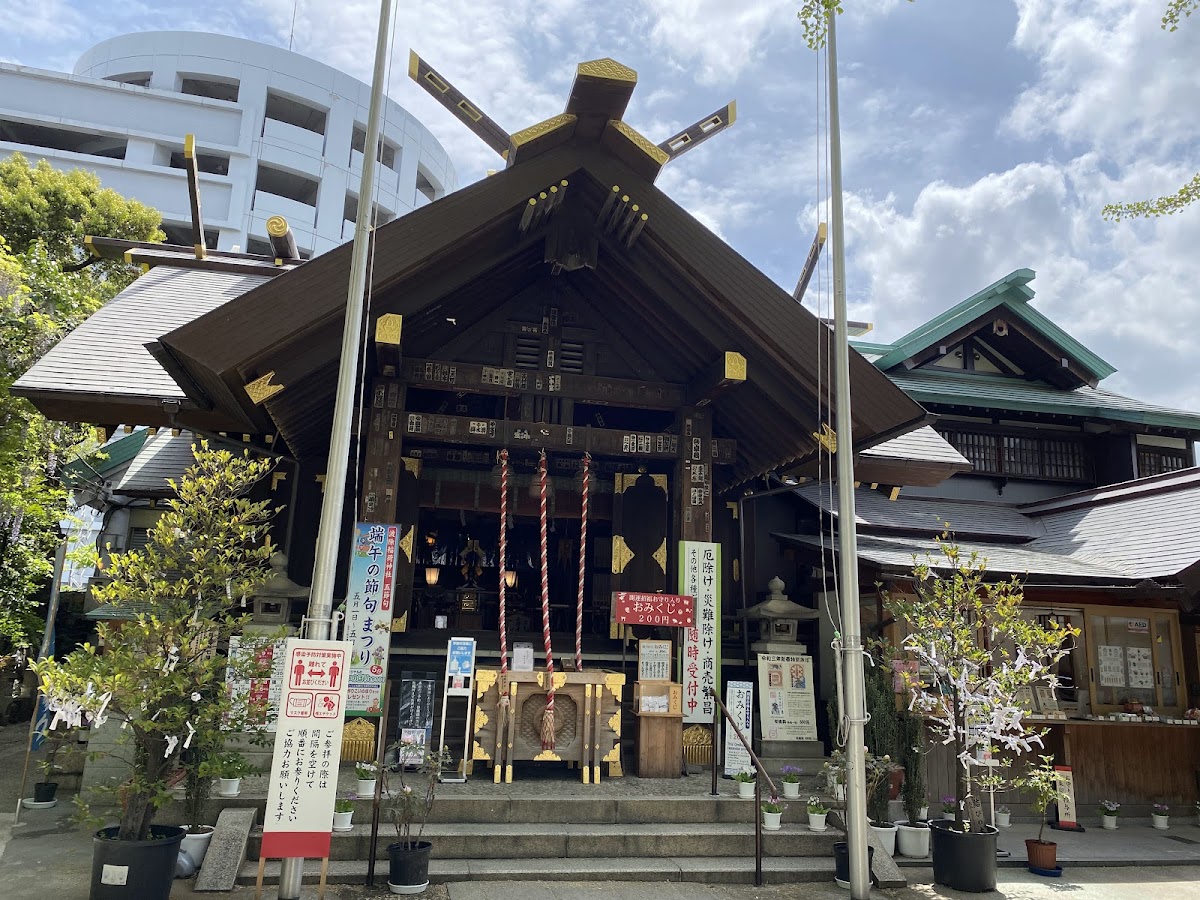
Namiyoke Inari Shrine is an Inari shrine located in Tsukiji, Chuo-ku, Tokyo. Situated very close to the Tsukiji Market, it is known as a historical shrine that has protected the Tsukiji area since the Edo period.
As its name “Namiyoke” (meaning “wave warding”) suggests, it is believed to offer protection against waves and disasters, making it a popular power spot visited not only by locals but also by worshippers from all over Japan.
Basic Information on Namiyoke Inari Shrine
Official Name: Namiyoke Inari Shrine
Location: 6-20-37 Tsukiji, Chuo-ku, Tokyo
Main Deity: Uganomitama-no-Mikoto
Founded: Manji 2 (1659)
Shrine Rank: Former Village Shrine
Annual Festival Date: Weekend around June 10th
History and Origins of Namiyoke Inari Shrine
Legend of Founding
The founding of Namiyoke Inari Shrine dates back to Manji 2 (1659), in the early Edo period. At that time, the Tokugawa Shogunate was undertaking a massive construction project to reclaim land from the sea around Tsukiji for the expansion of Edo.
However, this construction proved extremely difficult. No matter how many times the land was reclaimed, waves would crash in, and the construction stalled for days. The construction workers were at a loss.
One day, the sacred object of Inari Okami was discovered floating on the surface of the sea, emitting a light. People picked it up and respectfully enshrined it, and miraculously, the waves calmed down, allowing the land reclamation project to be completed without incident.
Because of this miracle, the shrine came to be known as “Namiyoke Inari” (Wave-Repelling Inari), and since then, it has been deeply revered as a deity that wards off disasters.
Deep Connection to Tsukiji Market
After the establishment of the Tsukiji fish market in the Meiji era, Namiyoke Inari Shrine became a special place as the guardian deity of those involved with the market.
Every June, the annual Tsukiji Lion Festival features a giant lion’s head parading through the streets of Tsukiji, attracting large crowds. This festival is a well-known Tsukiji tradition and an important event praying for the prosperity of the entire region, not just those involved with the market.
Even after the Tsukiji market relocated to Toyosu in 2018, Namiyoke Inari Shrine remained in Tsukiji, continuing to welcome many worshippers.
Benefits of Namiyoke Inari Shrine
Namiyoke Inari Shrine is believed to offer various benefits due to its name and history.
Protection from Disaster and Misfortune
Based on its founding principle of “warding off waves,” it is believed to offer protection from all kinds of disasters and misfortunes. It is believed to protect against unexpected troubles and difficulties, like waves.
Business Prosperity and Success
In addition to the basic benefit of business prosperity associated with Inari shrines, it is particularly revered for its efficacy in the food and beverage and fishing industries, due to its connection with the Tsukiji Market.
Construction Safety and Maritime Safety
Due to its history of successfully completing land reclamation projects, many visitors come to pray for safety during construction work and for safe voyages for sailors.
Other Benefits
- Family Safety: Protecting the peace and happiness of your family
- Fulfillment of Wishes: Fulfillment of various wishes
- Good Fortune and Prosperity: Improving your luck and attracting good fortune
- Matchmaking: Forming a good relationship
Highlights of the Shrine Grounds
Main Hall
The beautiful vermilion-lacquered main hall preserves the traditional Edo-period Inari-style architecture. When praying, please follow the etiquette of two bows, two claps, and one bow.
Lion Hall (Large Lion and Small Lion)
The most distinctive feature of Namiyoke Inari Shrine is the gigantic lion heads enshrined on the grounds.
Large Lion: A black male lion measuring 2.4 meters in height and 3.3 meters in width, housed in the high-ceilinged Lion Hall. Its imposing presence is breathtaking, making it a popular spot for many visitors to take commemorative photos.
The Little Lion (Kojishi): Called “Little Lion” in contrast to the large lion, this is also a magnificent green female lion, standing 2.1 meters tall.
These lion heads are believed to parade through the town with the portable shrine during the annual festival, warding off evil spirits and bringing happiness to the people.
Egg Mound, Sushi Mound, Shrimp Mound, Live Fish Mound
Within the grounds of Namiyoke Inari Shrine, there are several unique mounds that demonstrate its connection to the Tsukiji Market.
Egg Mound: A mound of gratitude for egg dishes.
Sushi Mound: A mound erected by people involved in sushi.
Shrimp Mound: A mound of gratitude for shrimp.
Live Fish Mound: A mound for the repose of live fish.
These mounds express gratitude and remembrance for food ingredients, embodying the Japanese spirit of “Itadakimasu” (thank you for the meal). Chefs and those in the food and beverage industry, in particular, visit these mounds to pay their respects.
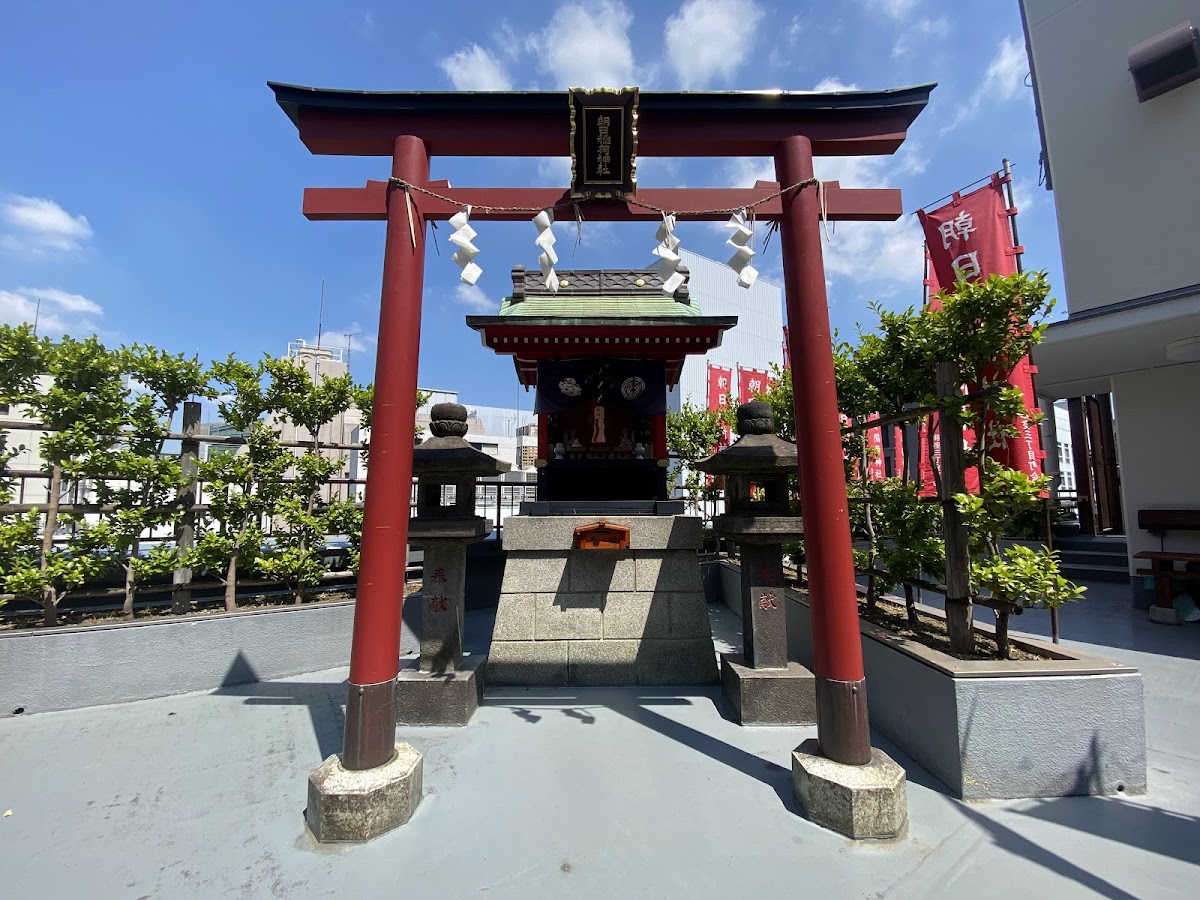
Benzaiten Shrine
Within the shrine grounds is a shrine dedicated to Benzaiten, the goddess of music, arts, and fortune. It is believed to bring blessings for improvement in performing arts and increased wealth.
Amulet and Goshuin (Shrine Seal) Information
Popular Amulets
Namiyoke Inari Shrine offers a variety of amulets.
Wave Protection Amulet: A unique amulet of Namiyoke Inari Shrine, offering protection from disaster.
Business Prosperity Amulet: A popular amulet for business owners seeking prosperity.
Safe Voyage Amulet: Popular among sailors, fishermen, and others working in sea-related occupations.
Exorcism Amulet: Recommended for those in their unlucky year or those wishing to avoid misfortune.
Goshuin (Shrine Seal)
Namiyoke Inari Shrine offers beautiful goshuin (shrine seals). They are available at the shrine office, and the offering fee is usually around 300 yen.
Goshuincho (stamp books) are also available, and the original designs of Namiyoke Inari Shrine are popular as souvenirs of visits.
Reception Hours: Approximately 9:00 AM to 5:00 PM (may vary depending on the season)
Annual Events and Grand Festivals
Tsukiji Lion Festival (Grand Festival)
The most important festival at Namiyoke Inari Shrine is the “Tsukiji Lion Festival,” held every June. Its official name is the “Namiyoke Inari Shrine Grand Festival.”
At the main festival, held once every three years, a magnificent procession takes place with a large lion and a small lion parading through the streets of Tsukiji along with a portable shrine. The sight of the giant lion head, weighing over 1 ton, being carried through the town is breathtaking, attracting many spectators.
Other Events
New Year’s Visit: January 1st to 3rd are bustling with many visitors.
Setsubun Festival: Bean-throwing ceremony held around February 3rd.
Summer Purification Ceremony: A Shinto ritual to purify oneself of the impurities accumulated over the past six months is held on June 30th.
Niiname-sai Festival: A festival to give thanks for a bountiful harvest is held on November 23rd.
Access and Visiting Information
Access by Train
Toei Oedo Line
- Approximately 5 minutes on foot from Tsukiji Shijo Station, Exit A1
Tokyo Metro Hibiya Line
- Approximately 7 minutes on foot from Tsukiji Station, Exit 1
- Approximately 10 minutes on foot from Higashi-Ginza Station, Exit 5
Tokyo Metro Yurakucho Line
- Approximately 10 minutes on foot from Shintomicho Station, Exit 7
All stations are within walking distance. Tsukiji Shijo Station is the closest and most convenient.
Access by Bus
Approximately 2 minutes on foot from the Toei Bus “Tsukiji 6-chome” bus stop.
Access by Car
Approximately 5 minutes from the “Ginza Exit” of the Metropolitan Expressway Inner Circular Route.
Parking: There is no dedicated parking lot, so please use nearby coin-operated parking lots. However, parking lots around Tsukiji tend to be crowded, so we recommend using public transportation.
Visiting Hours
Shrine Grounds: Open 24 hours
Shrine Office: Approximately 9:00 AM to 5:00 PM (Time for receiving amulets and Goshuin stamps)
Admission Fee: Free
Nearby Tourist Attractions
Tsukiji Outer Market
Located a short walk from Namiyoke Inari Shrine, the Tsukiji Outer Market offers fresh seafood and street food. A visit before or after your visit is recommended.
Tsukiji Honganji Temple
Located approximately 10 minutes on foot, Tsukiji Honganji Temple is a temple characterized by its unique Indian-style exterior. Many people visit this shrine along with Namiyoke Inari Shrine.
Hamarikyu Gardens
A beautiful Japanese garden located about a 15-minute walk away. Enjoy the scenery of each season as an oasis in the city.
Ginza
Ginza’s bustling shopping district is accessible in about a 15-minute walk. Enjoy shopping and dining here.
Manners and Points for Visiting a Shrine
Proper Way to Visit a Shrine
- Bow before passing through the torii gate: This is a courtesy before entering the sacred area.
- Purify yourself at the water basin: Purify your left hand, right hand, and mouth in that order.
- Pray at the main shrine: Follow the ritual of two bows, two claps, and one bow.
- Bow again at the torii gate when leaving: Express your gratitude.
Best Time to Visit
Weekday mornings: Relatively uncrowded, allowing for a peaceful visit.
Combine with a visit to Tsukiji Market: Early morning to midday is recommended.
During the annual festival: If you want to enjoy the lively festival atmosphere, visit in June.
Photography
Photography is generally permitted within the shrine grounds, but please refrain from taking pictures inside the main shrine or during religious ceremonies. The large and small lion statues are popular photo spots, but please be considerate of other visitors.
Prayers at Namiyoke Inari Shrine
Namiyoke Inari Shrine accepts various types of prayers.
Main Types of Prayers
- Prayer for Business Prosperity
- Prayer for Construction Safety
- Prayer for Safe Voyages
- Prayer for Family Safety
- Prayer for Protection from Evil
- Prayer for Fulfillment of Wishes
- Prayer for Opening a Business
How to Apply for a Prayer
Advance reservations are recommended, but same-day applications are also accepted. Fill out an application form at the shrine office and pay the offering fee.
Offering Fee: From 5,000 yen (varies depending on the type of prayer)
Reception Hours: Approximately 9:00 AM to 4:00 PM
For details, it is recommended to contact the shrine by phone in advance.
Summary of the Charms of Namiyoke Inari Shrine
Namiyoke Inari Shrine is a shrine with a unique charm, blending a history dating back to the Edo period with the distinctive character of Tsukiji.
Beyond its reputation for warding off misfortune, Namiyoke Inari Shrine offers numerous attractions, including a giant lion’s head and a mound dedicated to giving thanks for food. A visit combined with a stroll through Tsukiji’s culinary scene will make for a truly fulfilling Tokyo sightseeing experience.
Namiyoke Inari Shrine continues to be beloved by a wide range of people, from business owners praying for prosperity to those seeking safety during construction and voyages, and even those wanting to experience Tokyo’s old-town culture. Why not pay a visit sometime?
As the guardian deity of Tsukiji, it will undoubtedly continue to watch over many people for years to come.