Nonomiya Shrine (Konan City, Kochi Prefecture) Complete Guide: History, Deities, Access, and Highlights Explained in Detail
Nonomiya Shrine, located in Nishino, Noichi-cho, Konan City, Kochi Prefecture, is a historical shrine deeply rooted in the local community. While there are shrines named “Nonomiya Shrine” or “Nomiya Shrine” throughout Japan, the Nonomiya Shrine in Konan City is a valuable shrine with a unique regional culture and history specific to Kochi Prefecture, and is cherished by local residents.
This article provides a thorough explanation of Nonomiya Shrine (Konan City, Kochi Prefecture), including its detailed history, enshrined deities, highlights within the grounds, access methods, points to consider when visiting, and surrounding tourist information.
Basic Information on Nonomiya Shrine
Location and Overview
Official Name: Nonomiya Shrine
Location: 449 Nishino, Noichi-cho, Konan City, Kochi Prefecture
Former Shrine Rank: Village Shrine
Nearest Station: Approximately 15 minutes on foot (approx. 1,170m) from Noichi Station on the Tosa Kuroshio Railway Gomen-Nahari Line
Nonomiya Shrine is located in the northern part of the Nishino district of Noichi-cho, Konan City, in an area commonly known as “Higashi-Uwano.” Locally, it is also called “Nonomiya” or “Nonomiya Hachiman,” and has been revered as a guardian deity of the region since ancient times.
History of Nonomiya Shrine
Origin and Historical Background
While detailed records of the founding date of Nonomiya Shrine are not entirely accurate, it is believed to date back to a considerably ancient period based on local traditions and historical context.
The Nishino district of Noichi-cho, Konan City, has long been a settlement centered on agriculture, and Nonomiya Shrine has been closely intertwined with the lives of the residents as the local tutelary deity. During the Edo period, it was under the control of the Tosa Domain and is presumed to have functioned as a spiritual pillar of the village community.
Meaning of the Name “Nonomiya”
The name “Nonomiya” is found in shrines throughout Japan, but there are several theories regarding its origin.
- Shrine dedicated to the god of the fields: Meaning a shrine dedicated to the god of the fields (such as Nozuchi-no-kami) related to agriculture.
- Shrine situated in a field: Geographically, a shrine located in an open field or rural area.
- Connection to the Saigu: In some cases, like the Nonomiya Shrine in Sagano, Kyoto, it may originate from the Saigu system of the Imperial family.
In the case of Nonomiya Shrine in Konan City, it is thought to have developed as a shrine dedicated to the “god of the fields,” deeply connected to the region’s agricultural beliefs.
Joint Enshrinement with Hachiman Shrine
A distinctive feature of Nonomiya Shrine is that it enshrines both Hachiman Shrine and Nogami Shrine. For this reason, it is also known as “Nonomiya Hachiman.”
Hachiman worship is a war god worship that spread throughout Japan and was widely accepted in the Tosa region. At Nonomiya Shrine, the enshrinement of Hachiman, the guardian deity of the region, and Nogami, the god of agriculture, together created a more comprehensive object of worship.
Deities and Divine Virtues
Main Deities
The following deities are enshrined at Nonomiya Shrine:
Hachiman Shrine Lineage:
- Emperor Ōjin: The 15th Emperor, revered as Hachiman, the god of military fortune and national peace.
- Empress Jingū: The mother of Emperor Ōjin, the goddess of safe childbirth and child-rearing.
Nonomiya Shrine Lineage:
- Nozuchi-no-kami: The god of agriculture who presides over fields and farmlands.
Divine Virtues (Benefits)
The divine virtues that can be obtained at Nonomiya Shrine are diverse.
- Abundant Harvest: As the guardian deity of agriculture, prayers are offered for a bountiful harvest.
- Family Safety: As the guardian deity of the region, prayers are offered for the peace and well-being of the family.
- Long-lasting Military Fortune: Through the power of Hachiman, prayers are offered for success in competitions.
- Prayers for Safe Childbirth: Through the divine virtues of Empress Jingu, prayers are offered for safe childbirth and child-rearing.
- Protection from Misfortune and Good Fortune: Prayers are offered for warding off misfortune and improving one’s luck.
- Business Prosperity: Prayers are offered for the development of the local economy and the prosperity of businesses.
Highlights of the Shrine Grounds
Shrine Buildings and Architectural Style
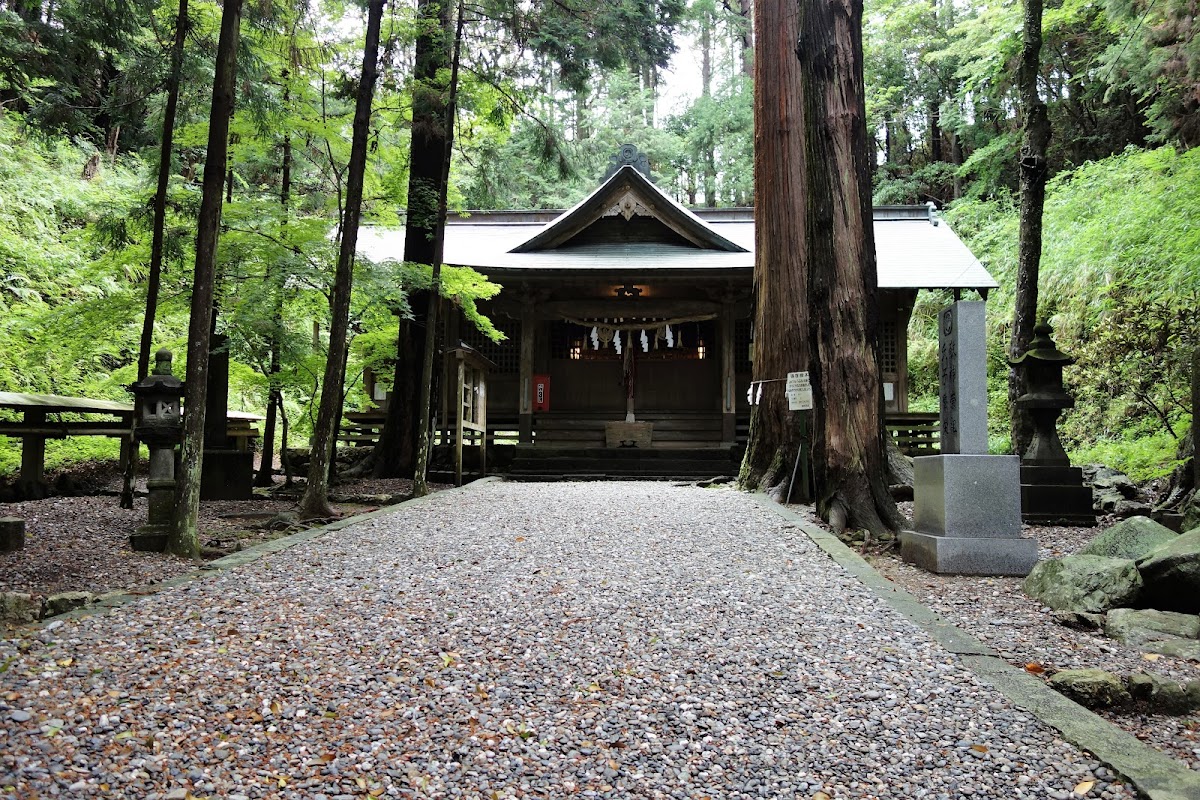
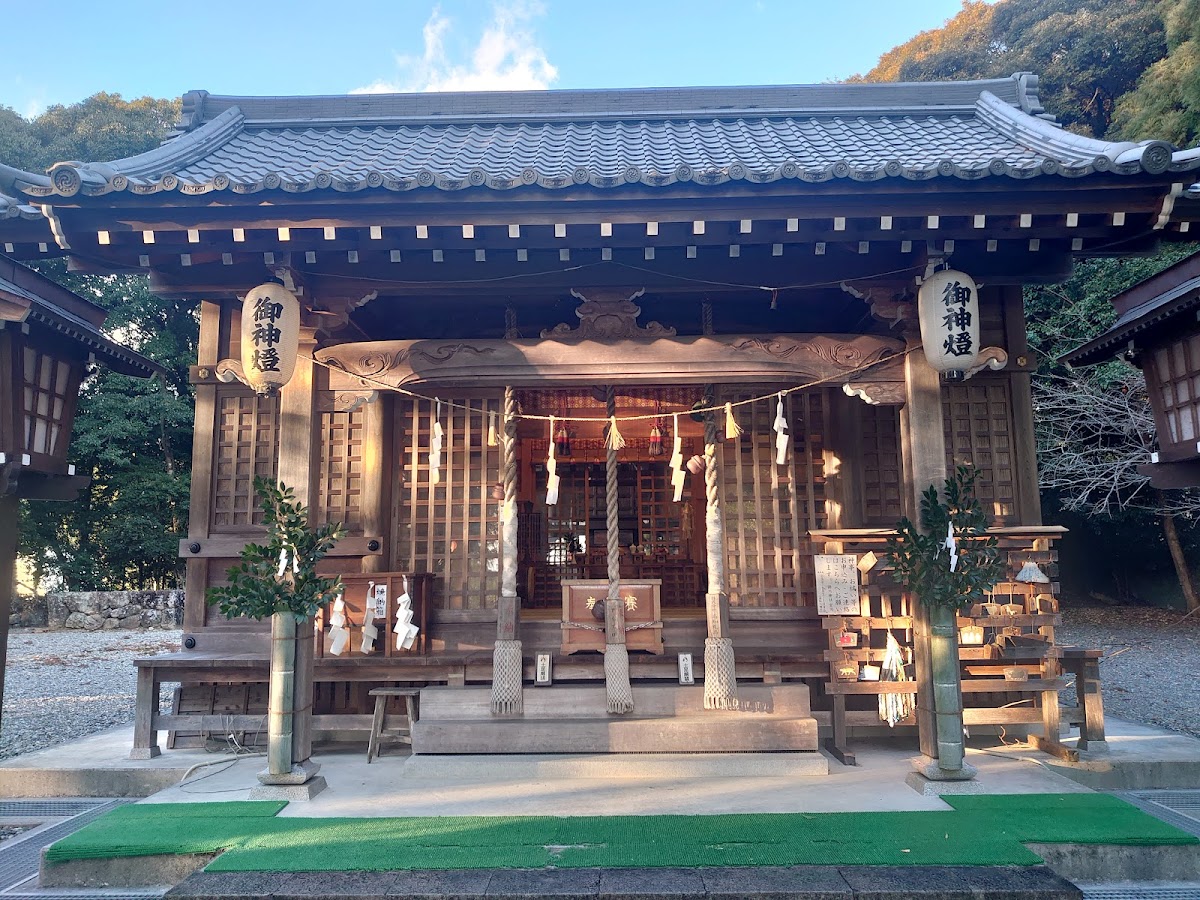
The shrine buildings of Nonomiya Shrine exhibit an architectural style that reflects the regional characteristics of Kochi Prefecture. Although small in scale, they are meticulously maintained, reflecting the deep faith of the local residents.
The main hall is built according to the traditional style of shrine architecture, with the worship hall and main hall integrated into a single structure. It is also characterized by its robust construction, designed to withstand the typhoon-prone climate of Kochi Prefecture.
Torii Gate and Approach
A torii gate stands at the entrance to the shrine, and a well-maintained approach leads from there to the main shrine building. Along the approach are trees and plants carefully tended by local residents, allowing visitors to experience the beauty of nature throughout the seasons.
Subsidiary Shrines and Stone Monuments
Around the main shrine building are stone monuments and memorials that tell the story of the region’s history. These are valuable resources for the study of local history.
Annual Events and Festivals
Grand Festival
Nonomiya Shrine holds various festivals throughout the year. The autumn grand festival, in particular, is an important event in which all local residents participate.
The grand festival includes a procession of the portable shrine and dedication ceremonies, providing an opportunity to strengthen the bonds of the local community. Although affected by depopulation in recent years, the traditions are preserved through the efforts of local people.
Seasonal Festivals
- Hatsumode (January): Praying for happiness in the new year
- Spring Festival: Praying for a bountiful harvest
- Natsukoshi no Harae (Late June to Early July): Purifying oneself of the impurities accumulated over the past six months
- Autumn Grand Festival: Expressing gratitude for the harvest
- Niiname-sai (November): Offering the new harvest to the gods
Manners and Points for Visiting the Shrine
Etiquette for Visiting the Shrine
When visiting Nonomiya Shrine, please observe the following basic etiquette.
- Bow before passing through the torii gate: A courtesy when entering the sacred area.
- Purify yourself at the water basin: Purify your left hand, then your right hand, then your mouth.
- Avoid walking in the center of the path: The center is the path of the gods.
- Two bows, two claps, one bow: Basic worship etiquette in front of the main hall.
Suitable time for worship
Nonomiya Shrine is open for worship at any time, but for those who wish to worship in peace, early morning is recommended. Worshiping in the refreshing morning air is especially refreshing for both mind and body.
Regarding photography
Photography is generally permitted on the shrine grounds, but please be considerate of other worshippers. If there are areas where photography is prohibited, such as inside the main hall, please follow the instructions.
Access Methods
Access by Public Transportation
By Train:
- Get off at “Noichi Station” on the Tosa Kuroshio Railway Gomen-Nahari Line
- Approximately 15 minutes on foot from the station (approx. 1,170m)
- Approximately 5 minutes by taxi from the station
By Bus:
- Take the Kochi Prefectural Transportation Bus bound for “Noichi”
- A few minutes on foot from the nearest bus stop
Access by Car
From Kochi City:
- Head east on National Route 55
- Towards Noichi-cho, Konan City
- Travel time: Approximately 30 minutes from central Kochi City
From Kochi Ryoma Airport:
- Approximately 15 minutes by car from the airport
- One of the closest shrines to the airport
Parking Information:
- Several parking spaces are available on the shrine grounds or nearby
- During festivals, it may be crowded, so using public transportation is recommended
Address and GPS Navigation Settings
Address: 449 Nishino, Noichi-cho, Konan City, Kochi Prefecture
GPS Navigation Settings: Search by address or search for “Nonomiya Shrine Konan City”
Nearby Tourist Attractions
When visiting Nonomiya Shrine, we recommend also visiting tourist attractions in Konan City and the surrounding area.
Tourist Attractions in Konan City
Noichi Zoological Park:
- Approximately 10 minutes by car from Nonomiya Shrine
- A Kochi Prefectural zoo where you can observe animals in a near-natural environment
- A popular spot for families
Nishijima Horticultural Park:
- A tourist farm where you can enjoy strawberry and melon picking
- A cafe is also attached, and fruit parfaits are popular
- Approximately 15 minutes by car from Nonomiya Shrine
Ya-Shi Park:
- A complex facility located within Michi-no-Eki Yasu (Roadside Station Yasu)
- You can purchase fresh seafood and local agricultural products
- You can enjoy Tosa regional cuisine at the restaurant
Nearby Shrines and Temples
Tosa Shrine (Kochi City):
- A prestigious shrine known as the Ichinomiya (first-ranked shrine) of Tosa Province
- Approximately 25 minutes by car from Nonomiya Shrine
Chikurinji Temple (Kochi City):
- The 31st temple of the Shikoku 88 Temple Pilgrimage
- Beautiful gardens and a five-story pagoda are highlights.
Nature and Scenic Spots
Tei Port Movable Bridge:
- A rare movable bridge located in Yasucho, Konan City.
- You can watch the bridge lift up several times a day.
Akaoka Townscape:
- A historical townscape with old merchant houses remaining.
- You can admire the works of Ekin, a painter from Tosa, at the Ekin Museum.
History and Culture of Konan City
Origins of Konan City
Konan City is a relatively new city, formed in 2006 (Heisei 18) through the merger of five towns and villages: Akaoka, Kagami, Noichi, Yasucho, and Yoshikawa. However, the history of this region is long, and many traces of people living here since ancient times remain.
Characteristics of Noichi Town
Noichi Town, where Nonomiya Shrine is located, is the central area of Konan City, and the city hall is also located in Noichi Town. Agriculture is thriving, with particularly well-developed greenhouse horticulture, characterized by vegetable cultivation in plastic greenhouses.
Furthermore, the area around Noichi Station is a hub of commercial facilities, making it the economic center of Konan City.
History of Tosa and Shrine Worship
Tosa Province (present-day Kochi Prefecture) was ruled by the Chosokabe clan during the Sengoku period, and later the Tosa Domain was established by the Yamauchi clan during the Edo period. Throughout this history, local shrines, while receiving protection from their lords, also functioned as places of worship for the common people.
Nonomiya Shrine, too, has continued to exist as a spiritual pillar for the local residents throughout this history of Tosa.
Nonomiya Shrine and the Local Community
Role as a Guardian Deity of the Community
Nonomiya Shrine is not merely a religious facility; it has played a central role in the local community. Through festivals and cleaning activities, it serves as a place for interaction among residents, strengthening community bonds.
Modern Challenges and Initiatives
Like many rural areas in Japan, Konan City faces the challenges of population decline and an aging population. Maintaining the shrine and passing on festival traditions is not easy, but thanks to the efforts of local residents, the traditions are being preserved.
In recent years, there have been movements to reaffirm the significance of the shrine by welcoming worshippers and tourists from outside the region.
Comparison with Nonomiya Shrines Nationwide
There are several shrines named “Nonomiya Shrine” or “Nonomiya Shrine” throughout Japan. Each has its own unique history and characteristics.
Nonomiya Shrine in Sagano, Kyoto
The most famous is the Nonomiya Shrine in Sagano, Ukyo-ku, Kyoto City, a historical shrine that even appears in “The Tale of Genji.” It is known nationwide as a god of matchmaking and fertility.
Nonomiya Shrines in Saitama Prefecture
Saitama Prefecture has Nonomiya Shrines in Hidaka City and Sayama City, each with its own history intertwined with the local region. ### Nonomiya Shrine in Sakai City, Osaka Prefecture
Nonomiya Shrine, located in Naka Ward, Sakai City, Osaka Prefecture, is also known as “Hi no Miya” (Shrine of Fire) and has its own unique form of worship.
Characteristics of Nonomiya Shrine in Konan City, Kochi Prefecture
Although sharing the same name as the other shrines, Nonomiya Shrine in Konan City has its own unique history rooted in the regional culture of Tosa (Kochi). It is characterized by its combined Hachiman Shrine and Nonomiya Shrine, and its connection to agricultural beliefs.
Voices and Experiences of Visitors
Voices of Local Residents
For local people, Nonomiya Shrine is like a “spiritual home” they have cherished since childhood. The custom of visiting the shrine at important life events such as New Year’s Day, Shichi-Go-San (a traditional rite of passage for children), and exorcisms continues to this day.
Impressions of Tourists
Among tourists from outside the prefecture, comments include, “Although small, it is a carefully maintained shrine, and I felt the faith of the local people,” and “I was able to worship slowly in a quiet and peaceful atmosphere.”
Guidelines for Visiting Nonomiya Shrine
The Significance of Shrine Visits
Shrine visits are not merely for sightseeing or making requests; they are also an opportunity to express gratitude to the gods and to reflect on oneself. Remember this basic mindset when visiting Nonomiya Shrine.
Consideration for the Community
Nonomiya Shrine is a small shrine located in a residential area. When visiting, please be considerate of the lives of the surrounding residents and pray quietly.
The Importance of Continuous Faith
Instead of ending with a single visit, revisiting the shrine when possible and maintaining a continuous relationship with it will cultivate a deeper faith.
Summary: The Charm of Nonomiya Shrine
Nonomiya Shrine, located in Nishino, Noichi-cho, Konan City, Kochi Prefecture, is not a large shrine, but it is a valuable presence that conveys the history and culture of the region to the present day.
The unique form of worship, a fusion of Hachiman Shrine and Nonomiya Shrine, its deep connection to Tosa’s agricultural culture, and above all, its history of being cherished by the local residents, are arguably the greatest charms of this shrine.
When visiting Kochi Prefecture, or sightseeing around Konan City, be sure to visit Nonomiya Shrine. The simple and warm atmosphere, unlike that of large tourist shrines, and the time spent quietly praying there will surely become a cherished memory of your trip.
Small, community-based shrines are the origin of Japanese shrine worship, and they most vividly reflect the history and culture of the land. Nonomiya Shrine is a valuable shrine where you can experience the essence of this Japanese shrine culture.