Complete Guide to Ryogen-in Temple: Exploring Daitoku-ji’s Oldest Sub-temple and Four Famous Gardens
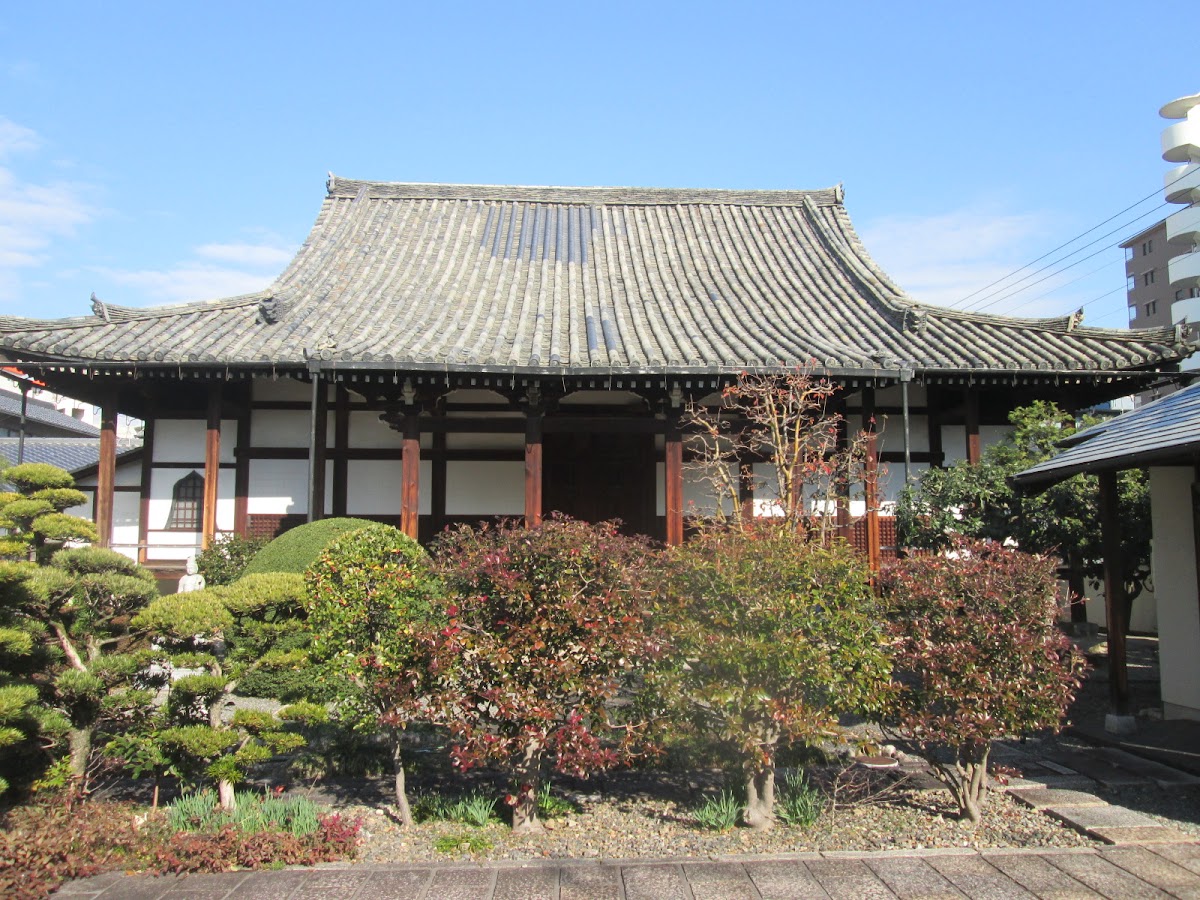
Ryogen-in Temple is a Rinzai Zen temple of the Daitoku-ji school located in Murasakino, Kita-ku, Kyoto City. It holds a special place among the sub-temples of the head temple, Daitoku-ji. As the main temple of the Southern branch of Daitoku-ji, and possessing the oldest building within the Daitoku-ji grounds, it preserves the essence of Zen architecture and garden art.
History and Founding of Ryogen-in Temple
Founded in the Muromachi Period
Ryogen-in Temple was founded in 1502 (Bunki 2) by Tokei Soboku, the 72nd abbot of Daitoku-ji Temple. Three powerful daimyo were involved in its founding: Hatakeyama Yoshimoto of Noto, Ouchi Yoshioki of Suo, and Otomo Yoshinaga (Yoshichika) of Bungo served as patrons and supported the temple’s construction. The fact that these three individuals founded the temple is a valuable historical example demonstrating the deep connection between the Sengoku-period daimyo (feudal lords) and Zen Buddhist temples.
Role as the Main Temple of the Southern School of Daitoku-ji
Traditionally, the sub-temples of Daitoku-ji were divided into the Northern and Southern schools, and Ryogen-in established itself as the central temple of the Southern school, i.e., the main temple. In contrast, Daisen-in served as the main temple of the Northern school. This North-South division is an important element in understanding the lineage and organizational structure of Zen within Daitoku-ji.
The Oldest Sub-Temple of Daitoku-ji
Ryogen-in is the oldest sub-temple of Daitoku-ji. It is noteworthy that the original buildings still exist, making it a valuable cultural heritage site that conveys the typical style of Zen Buddhist architecture from the Muromachi period.
Important Cultural Property Buildings
Hojo (Main Hall)
The Hojo of Ryogen-in is a Muromachi-period building that retains its original appearance and is designated as a National Important Cultural Property. As a building that exemplifies the typical form of Zen Buddhist abbot’s quarters architecture, it holds extremely important historical value in architecture.
Inside the abbot’s quarters, one can see the spatial configuration unique to Zen temples, including the central room, the reception room, and the robe room. The sliding screen paintings and ceiling paintings in each room are also highlights, showcasing works of art that visually express the spirituality of Zen.
Karamon Gate
The Karamon Gate, located in front of the abbot’s quarters, is also an original building from the time of its founding and is designated as an Important Cultural Property. Its cypress bark roof and elegantly curved karahafu (curved gable) are distinctive features, conveying the aesthetic sensibilities of temple architecture from the Muromachi period.
Omotemon Gate
The Omotemon Gate, standing at the entrance to the temple, is also an Important Cultural Property. Its simple yet dignified appearance embodies the dignity and serenity befitting a Zen temple gate. These three structures, all the oldest buildings within the Daitoku-ji temple grounds, are indispensable when discussing Zen Buddhist architecture in Kyoto.
Four Famous Gardens: Ryogen-in’s Dry Landscape Gardens
The greatest charm of Ryogen-in Temple lies in its four dry landscape gardens, arranged around the main hall. Each possesses a different style and aesthetic, condensing the Zen worldview within a limited space.
Ryugin-tei (North Garden): A Famous Garden Created by Soami
The Ryugin-tei garden, located north of the main hall, is a moss garden said to have been created by Soami, a renowned landscape architect of the Muromachi period. Soami was one of the Doboshu who served the Ashikaga shogunate and was a cultured individual active in various fields, including painting, tea ceremony, and garden design.
A distinctive feature of the Ryugin-tei garden is the three-stone arrangement within a sea of lush moss. The composition, with a central standing stone flanked by two attendant stones, expresses the Buddhist three-stone arrangement, beautifully blending the spirituality of Zen with the aesthetics of Japanese gardens. The landscape, a tapestry of moss green and stone texture, displays different expressions with each season, and the moss’s gleam after rain is particularly breathtaking.
Isshidan (South Garden): Contrast between White Sand and Mossy Islands
Isshidan, located south of the Hojo (abbot’s quarters), is a dry landscape garden featuring an oval-shaped mossy island amidst white sand. The name “Isshidan” originates from the Zen phrase meaning “offering a single branch of flowers,” a name imbued with profound spirituality within its simplicity.
The striking contrast between the vast ocean of white sand and the green mossy island is impressive, visualizing the Zen concepts of “emptiness” and “form.” The white sand symbolizes water, and the mossy island symbolizes land or Mount Penglai, with the abstracted natural landscape functioning as an object of meditation.
Tōtekiko (East Garden): Japan’s Smallest Courtyard Garden
Located on the east side of the abbot’s quarters, Tōtekiko is a courtyard garden built in an extremely small space of only 4 tsubo (approximately 13 square meters), and is known as “Japan’s smallest stone garden.”
This garden can be said to be the epitome of Zen aesthetics, making the most of a limited space. It is an extremely simple garden composed of only five stones in white sand, but its arrangement and use of negative space are deeply calculated. The name “Tōtekiko” means “a pot from which water drips one drop at a time from the east,” alluding to the path to enlightenment in Zen.
Despite its small size, the spatial composition gives the viewer a sense of infinite expanse, embodying the Zen aesthetic of “seeing the great within the small.”
Kodatei (West Garden): Another Courtyard Garden
On the west side of the abbot’s quarters is a courtyard garden called Kodatei. This small garden, a counterpart to the Tōtekitsubo, is a tranquil space composed of stone arrangements and sand patterns. “Kōtō” originates from the name of a Chinese river and is a term that also appears in Zen koans.
While this garden is less well-known than the Tōtekitsubo, the beauty of the shadows cast by the setting sun is exceptional, allowing visitors to enjoy its changing appearance throughout the day.
Cultural Properties and Treasures of Ryūgen-in Temple
Go Boards of Toyotomi Hideyoshi and Tokugawa Ieyasu
Ryūgen-in Temple houses a “Four-Sided Makie Go Board and Go Bowls” said to have been used by Toyotomi Hideyoshi and Tokugawa Ieyasu in a game of Go. This go board is a precious item that conveys a historical moment of confrontation between these two great rulers. The makie technique is magnificent, demonstrating the high level of craftsmanship of the Momoyama period.
Kano Tan’yu’s “Daruma Painting”
The “Daruma Painting” by Kano Tan’yu, who served as an official painter for the Tokugawa Shogunate, is also an important treasure of Ryogen-in Temple. This work, depicting Bodhidharma, the founder of Zen Buddhism, is known for Tan’yu’s characteristic elegant brushwork and profound spirituality.
Japan’s Oldest Matchlock Gun
Ryogen-in Temple houses what is believed to be the oldest matchlock gun in Japan. Considering that firearms were introduced to Japan in 1543, the existence of this gun is a valuable resource for studying the history of firearms in Japan.
Hasegawa Tohaku’s “Monkey Painting”
The “Monkey Painting,” attributed to the Momoyama period master Hasegawa Tohaku, is a pair of hanging scrolls. The work masterfully captures the expressions and movements of the monkeys using only shades of ink, demonstrating Tohaku’s exceptional painting skills.
Visiting Information and Access
Basic Information
Location: 82-1 Murasakino Daitokuji-cho, Kita-ku, Kyoto City, Kyoto Prefecture
Visiting Hours: 9:00 AM – 4:30 PM (Last entry at 4:15 PM)
Admission Fee:
- Adults: 350 yen
- High school students: 250 yen
- Junior high school students and younger: Free
Closed Days: Days of memorial services, etc. (Advance confirmation recommended)
Access Method
Access by Train and Bus:
- Get off at Kitaoji Station on the Kyoto Municipal Subway Karasuma Line, then take a city bus to Daitokuji-mae bus stop and walk 5 minutes.
- From JR Kyoto Station, take city bus route 206 to Daitokuji-mae bus stop and walk 5 minutes.
- From Keihan Railway’s Demachiyanagi Station, take City Bus Route 1 or 102 and get off at “Daitokuji-mae” bus stop, then walk for 5 minutes.
Access by Car:
Daitokuji Temple has its own parking lot, but spaces are limited, so we recommend using public transportation. It is especially crowded during the autumn foliage season and on weekends.
Notes for Visitors
Ryogen-in is a Zen temple that still functions as a training ground. Please note the following points when visiting:
- Photography is prohibited in some areas within the Hojo (abbot’s quarters). Please follow the instructions of the staff.
- Photography is permitted in the garden, but the use of tripods is prohibited.
- Please maintain silence and be considerate of other visitors.
- Entry into the garden is prohibited.
- You will need to remove your shoes to enter, so please wear footwear that is easy to take off and put on.
Best Season to Visit Ryogen-in
Spring (March-May)
Spring is the season of fresh greenery, and the Ryugin-tei moss garden is especially beautifully covered in green. From late April to early May, the moss displays its most vibrant green color, creating a striking contrast with the stone arrangements. The soft spring light gently illuminates the entire garden, allowing visitors to feel a sense of vitality amidst the Zen-like tranquility.
Summer (June-August)
Ryūgen-in Temple is especially beautiful during the rainy season. The moss, wet with rain, shines even brighter, and the white sand garden is adorned with unique patterns created by the raindrops. Particularly fitting its name, Tōtekitsubo (Eastern Droplet Garden), viewing the garden while listening to the sound of raindrops falling on the stones offers an experience that brings one closer to a state of Zen.
Autumn (September-November)
During the autumn foliage season, Ryūgen-in Temple, amidst the autumn colors of Daitoku-ji Temple as a whole, allows visitors to enjoy the contrast between the timelessness of the dry landscape garden and the changing seasons. Mid-to-late November is the best time to visit, and the harmony of colors created by the surrounding autumn leaves, the evergreen moss garden, and the white sand garden is magnificent.
Winter (December to February)
The snow-covered garden of Ryogen-in Temple is truly a world of ink painting. When snow accumulates on the white sand garden, only the stone arrangements stand out, embodying the ultimate in simple beauty. Viewing the dry landscape garden in the crisp winter air evokes the Zen concept of “nothingness” most powerfully.
Nearby Attractions
Other Sub-temples of Daitoku-ji
When visiting Ryogen-in, we recommend also visiting the other sub-temples of Daitoku-ji:
Daisen-in: The main temple of the Northern school, boasting a National Treasure abbot’s quarters and a Special Place of Scenic Beauty garden.
Koto-in: A temple associated with the Hosokawa family, known for its beautiful approach and garden.
Zuiho-in: A sub-temple founded by the Christian daimyo Otomo Sorin, famous for its stone arrangement resembling a cross.
Oubai-in: Located south of Ryogen-in, it features a garden designed by Sen no Rikyu (usually closed to the public, only open during special occasions).
Imamiya Shrine
Imamiya Shrine, located about a 10-minute walk from Daitoku-ji, is associated with Keishoin, the origin of the phrase “tama no koshi” (marrying into wealth). The famous “aburi mochi” (grilled rice cakes) along the approach are also a highlight of Kyoto sightseeing.
Funayama Hill
Located east of Daitoku-ji Temple, Funayama Hill offers panoramic views of Kyoto city. This small hill, 112 meters high, is also home to Kenkun Shrine, dedicated to Oda Nobunaga.
Zen Experience at Ryogen-in Temple
Ryogen-in Temple may offer Zen meditation and sutra copying experiences by prior reservation. Please contact the temple directly for details. Zen meditation while gazing at the dry landscape garden will provide a precious time to escape the hustle and bustle of the city and confront oneself.
Summary: The Charm of Ryogen-in Temple
Ryogen-in Temple is one of Kyoto’s leading cultural assets, where Muromachi-period architecture and gardens are integrated to express the worldview of Zen. As the oldest sub-temple of Daitoku-ji Temple, it boasts a history of over 500 years, and its important cultural property buildings and four unique dry landscape gardens continue to fascinate visitors.
In particular, the Tōtekiko, Japan’s smallest rock garden, is a crystallization of Zen aesthetics, expressing an infinite universe within a limited space, while the Ryūgin-tei garden, attributed to Sōami, presents a world of serene beauty woven from moss and stone arrangements.
When you visit Kyoto, be sure to experience the Zen aesthetics and the essence of Japanese gardens at Ryūgen-in Temple. The time spent quietly gazing at the gardens will be a precious experience that allows you to escape the hustle and bustle of modern society and calm your mind.