Ryūhōji Temple (Kamakura City, Kanagawa Prefecture) Complete Guide: The Family Temple of the Tamanawa Hōjō Clan and a Famous Spot for Peonies
Located in Ueki, Kamakura City, Kanagawa Prefecture, Ryūhōji Temple is a Sōtō Zen Buddhist temple associated with Hōjō Tsunashige, a renowned general of the Sengoku period. While situated in a quiet environment slightly removed from the center of Kamakura, it holds significant historical importance as the family temple of the Tamanawa Hōjō clan and is also known as a famous spot for its magnificent peonies in early summer. This article provides a detailed explanation of Ryūhōji Temple’s history, highlights, and access information.
Basic Information about Ryūhōji Temple
Official Name: Yōkokuzan Ryūhōji
Sect: Sōtō Zen
Principal Image: Statue of Shakyamuni Buddha
Founder: Hōjō Tsunashige
First Abbot: Zen Master Taijo Sōei
Location: 128 Ueki, Kamakura City, Kanagawa Prefecture
Visiting Hours: 8:00 AM – 5:00 PM
Admission Fee: Free
Parking: Available (several spaces)
The temple’s mountain name, “Yōkokuzan,” means the valley where the eastern sun rises, and is thought to originate from the topography and scenery of the area. As a Sōtō Zen temple, it is a valuable cultural asset that conveys the spirit of Zen to the present day.
The History of Ryūhōji Temple: Deep Connections to Tamanawa Castle and the Hōjō Clan
Founding History and Zuikōin Temple
The history of Ryūhōji Temple is closely intertwined with Tamanawa Castle during the Sengoku period. Tamanawa Castle was an important branch castle of the Odawara Hōjō clan, built in 1513 by Hōjō Ujitoki, son of Hōjō Sōun.
The predecessor of Ryūhōji Temple was Zuikōin, a Buddhist temple (family temple) established by Hōjō Tsunashige, the third lord of Tamanawa Castle. Hōjō Tsunashige was a renowned general of the Sengoku period, known by the nickname “Jiō Hachiman,” and famous for his exploits in battles such as the Battle of Kawagoe. While governing his territory as the lord of Tamanawa Castle, Tsunashige founded this temple to pray for the souls of his family.
The temple’s founding abbot was the high-ranking Sōtō Zen priest, Taijō Sōei Zenji, establishing its foundation as a Zen Buddhist temple. It is believed that Zuikoin Temple was located within or near the grounds of Tamanawa Castle at that time.
Relocation and Renaming to Ryuhōji Temple during the Tenshō Era
In 1575 (Tenshō 3), during the time of Hōjō Ujikatsu, the 6th lord of Tamanawa Castle, the temple was relocated to its current location in Ueki. Along with this relocation, the temple’s name was changed to “Ryūhōji Temple,” and it was established as the official family temple of the Tamanawa Hōjō clan (a branch of the Odawara Hōjō clan).
There are various theories regarding the origin of the name Ryūhōji Temple, but it is thought that the dragon, representing a protector of Buddhist law, and the treasure, symbolizing Buddhist law itself, were chosen as fitting names for a Zen Buddhist temple.
Development from the Edo Period Onward
In the Edo period, Ryuhōji Temple carved out a new chapter in its history. Of particular note is its connection to Arai Hakuseki, a renowned Confucian scholar and politician. It is said that Shiraishi, upon receiving a stipend in the nearby Shiromeguri area, donated 200 koku of rice to Ryūhōji Temple. This was a considerable donation for a temple at the time, suggesting Shiraishi’s importance to this area and Ryūhōji Temple.
The main hall, temple gate, and other major buildings today were rebuilt between the Edo and Meiji periods. Having overcome war damage and natural disasters, it continues to serve as a center of local faith.
The Legend of Minamoto no Sanetomo and Kūgyō
Within the grounds of Ryūhōji Temple, there is also a legend related to a tragic incident from the Kamakura period. In 1219, when the third shogun, Minamoto no Sanetomo, was assassinated by his nephew Kūgyō at Tsurugaoka Hachimangu Shrine, it is said that seven of Kūgyō’s subordinates hid Sanetomo’s head in this area.
While the veracity of this legend is uncertain, it is an interesting anecdote that adds color to the region’s history, demonstrating the importance of this area since the Kamakura period. ## Highlights of Ryuhōji Temple
Main Hall and Shakyamuni Buddha Statue
The main hall of Ryuhōji Temple exhibits a simple yet solemn appearance typical of a Sōtō Zen temple. Inside, the principal image, a statue of Shakyamuni Buddha, is enshrined, allowing visitors to quietly offer prayers.
The architectural style of the main hall retains characteristics of Edo period Zen Buddhist architecture, possessing a simple yet dignified structure. The hall also houses the memorial tablets of successive generations of the Tamagawa Hōjō clan, allowing visitors to see the posthumous names of successive castle lords, including Hōjō Tsunashige and Ujishige.
Temple Gate
Upon entering the temple grounds, the first thing that catches the eye is the magnificent temple gate. This gate signifies the temple’s status and exudes the tranquil atmosphere characteristic of Sōtō Zen temples. Passing through the gate, a well-maintained path leads to the main hall.
Beautiful Garden and Natural Environment
One of the major attractions of Ryuhōji Temple is the beautiful garden that spreads out in front of the main hall. This garden displays different expressions throughout the seasons, soothing the hearts of visitors.
The garden incorporates elements of a pond-centered strolling garden, with different plants adding color in each season. Especially during the seasons of fresh greenery and autumn leaves, you can enjoy the natural beauty in a tranquil atmosphere. It’s a space where you can feel the slow pace of time, a stark contrast to the heart of Kamakura.
A Famous Spot for Peonies
Ryūhōji Temple became particularly known as a “flower temple” due to the beauty of the peonies blooming on its grounds. Every year from mid- to late May, numerous peonies reach their peak bloom, mainly in the garden in front of the main hall.
Peonies are known for their elegant beauty, as evidenced by the saying, “Standing, she is like a peony; sitting, she is like a tree peony; walking, she is like a lily.” Ryūhōji Temple’s peonies include various colors such as white, pink, and red, and when they are in full bloom, the entire garden is enveloped in a magnificent atmosphere.
Compared to peonies, the Japanese peony (Shakuyaku) has a more dignified appearance, with its large flowers blooming on a slender stem. At Ryuhōji Temple, you can admire these beautiful peonies for free, attracting many tourists and photography enthusiasts during the blooming season.
The early morning hours are recommended as there are fewer people, allowing for a peaceful and enjoyable viewing experience. The lighting is also beautiful, making it an ideal time for photography.
The Tamagawa Hojo Clan’s Burial Grounds
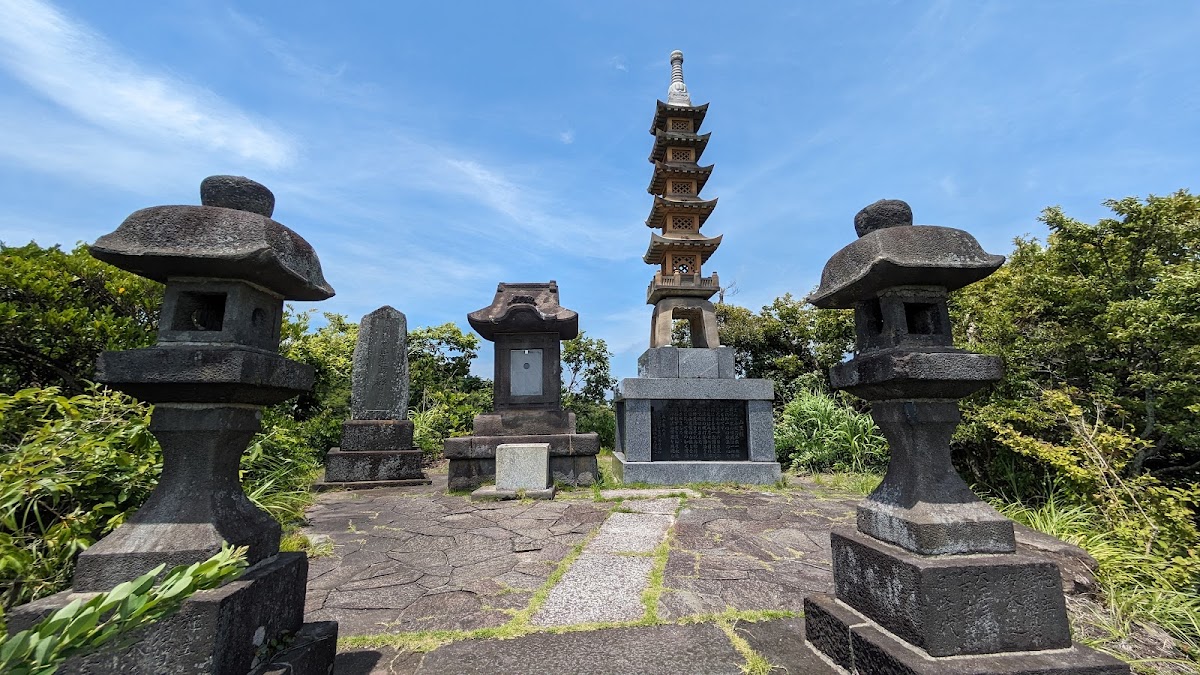
Within the temple grounds are the burial grounds of successive generations of the Tamagawa Hojo clan. Memorial towers and tombstones of successive castle lords, including Hojo Tsunashige, stand side by side, conveying the history from the Sengoku period to the early Edo period.
For history buffs, this is a valuable place to visit a site directly associated with Tsunashige. The burial grounds are in a quiet location, allowing visitors to reflect on history while paying their respects.
How to Access Ryuhōji Temple
Access by Train and Bus
If using the bus from Ōfuna Station:
- Take the Kanagawa Chuo Kotsu bus from the east exit of JR Ōfuna Station
- Get off at the “Okamoto” bus stop and walk for about 10 minutes
- Bus journey time: about 5 minutes
If walking from Ōfuna Station:
- Approximately 15-20 minutes on foot from the east exit of JR Ōfuna Station
- Distance: about 1.2 km
- The route is mostly flat and easy to walk.
Ōfuna Station is a major station served by the JR Tōkaidō Line, JR Yokosuka Line, and JR Shōnan-Shinjuku Line, making it easily accessible from both Tokyo and Yokohama.
Access by Car
If using the Yokohama-Yokosuka Expressway:
- Approximately 10 minutes from Hino IC
- Approximately 15 minutes from Asahina IC
There are a few parking spaces on the temple grounds, but they may be full during peak seasons such as the peony blooming season. In that case, we recommend using a nearby coin-operated parking lot or public transportation.
Nearby Tourist Attractions
Former Ishii Residence
Near Ryuhōji Temple is the “Former Ishii Residence,” a nationally designated Important Cultural Property. This is a valuable building from the mid-Edo period, offering insights into the lives of farmers at that time. Visiting it together with Ryuhōji Temple is highly recommended.
Tamanawa Castle Ruins
The ruins of Tamanawa Castle, which has deep ties to Ryuhōji Temple, are a must-see spot for history buffs. Although only a portion of the remains now exist, it allows us to imagine its former scale. It’s within walking distance of Ryuhōji Temple and is ideal for a stroll tracing the history of the Tamanawa Hojo clan.
Ōfuna Kannon
Ōfuna Kannon, located within walking distance of Ōfuna Station, is a temple known for its massive, approximately 25-meter-tall white-robed Kannon statue. In contrast to Ryuhōji Temple, the modern Kannon statue is striking and has become a symbolic landmark of the Ōfuna area.
Best Season to Visit Ryuhōji Temple
Mid-to-Late May (Peony Blooming Season)
The best time to visit Ryuhōji Temple is definitely mid-to-late May, when the peonies are in full bloom. The weather is pleasant during this time, making it a good season for sightseeing in Kamakura as a whole. However, because it’s a popular time, it can get crowded, especially on weekends.
Season of Fresh Greenery (April-June)
Besides the peonies, the garden is enveloped in a refreshing atmosphere during the beautiful season of fresh greenery. For those who want to quietly enjoy the atmosphere of a Zen temple, early summer, slightly outside of the peony season, is also recommended.
Autumn Foliage Season (Late November-Early December)
The autumn foliage season is also not to be missed. It’s less crowded than other famous autumn foliage spots in Kamakura, allowing you to enjoy the autumn colors at your leisure.
Points to Note and Manners When Visiting
Ryūhōji Temple is a temple where religious activities are still conducted. Please observe the following points when visiting the temple:
- Maintain silence: Please be quiet on the temple grounds and avoid disturbing other visitors.
- Photography etiquette: Photography is permitted, but please refrain from taking pictures inside the main hall or in areas where monks practice.
- Respect the plants: Please do not touch flowers such as peonies; simply admire them.
- Take your trash home: To keep the temple grounds clean, please be sure to take your trash with you.
- Respect visiting hours: Please observe the visiting hours from 8:00 to 17:00.
The positioning of Ryuhōji Temple in the Kamakura area
While Kamakura is known for its many famous tourist spots concentrated in the city center, such as Tsurugaoka Hachimangu Shrine, the Great Buddha of Kamakura, and Hase-dera Temple, Ryuhōji Temple is located in the Ōfuna area, in the northern part of Kamakura.
This location offers a quiet and peaceful atmosphere, unlike the crowded city center of Kamakura. It is especially recommended for those who want to experience a “quiet Kamakura,” history buffs, and flower lovers. Furthermore, Ofuna Station is a larger station than Kamakura Station and offers convenient transportation, making it easily accessible from Yokohama and Tokyo. When traveling to Kamakura, visiting these hidden gems, in addition to the major tourist spots, will allow you to experience Kamakura’s history and culture more deeply.
What you can experience at Ryuhōji Temple
Zen Meditation Experience (Advance confirmation required)
Ryūhōji Temple, a Sōtō Zen temple, sometimes offers Zen meditation experiences depending on the season. It is recommended to inquire with the temple in advance for details. By experiencing the spirit of Zen, you can spend a quiet time away from everyday life.
Sutra Copying/Buddhist Image Copying (Advance confirmation required)
During certain periods, you may be able to experience sutra copying or Buddhist image copying. Advance confirmation is also necessary, but this is a valuable opportunity to calm your mind and connect with Buddhist teachings.
Enjoying Seasonal Flowers
Besides peonies, various flowers and plants throughout the seasons adorn the temple grounds. You can feel the changing seasons while quietly strolling through the gardens.
Summary: The Charms of Ryūhōji Temple
Ryūhōji Temple is a temple with two major attractions: as a historic Sōtō Zen temple founded by Hōjō Tsunashige, a renowned general of the Sengoku period, and as a famous spot for beautiful peonies that bloom in early summer.
Its historical value as the family temple of the Hōjō clan, lords of Tamanawa Castle, its beautiful gardens, and above all, its tranquil environment away from the hustle and bustle of central Kamakura, offer visitors a special experience. Its convenient location, within walking distance of Ōfuna Station, is another attractive feature.
When traveling to Kamakura, be sure to visit Ryūhōji Temple in addition to the famous tourist spots. Especially during peony season, you will be captivated by its beauty. Enjoy a relaxing time at Ryūhōji Temple, where history and nature harmonize.