Seirinji Temple (Kamigyo Ward, Kyoto Prefecture) | An Ancient Tendai Sect Temple with Legends of the Hibiscus Jizo and Tarobo
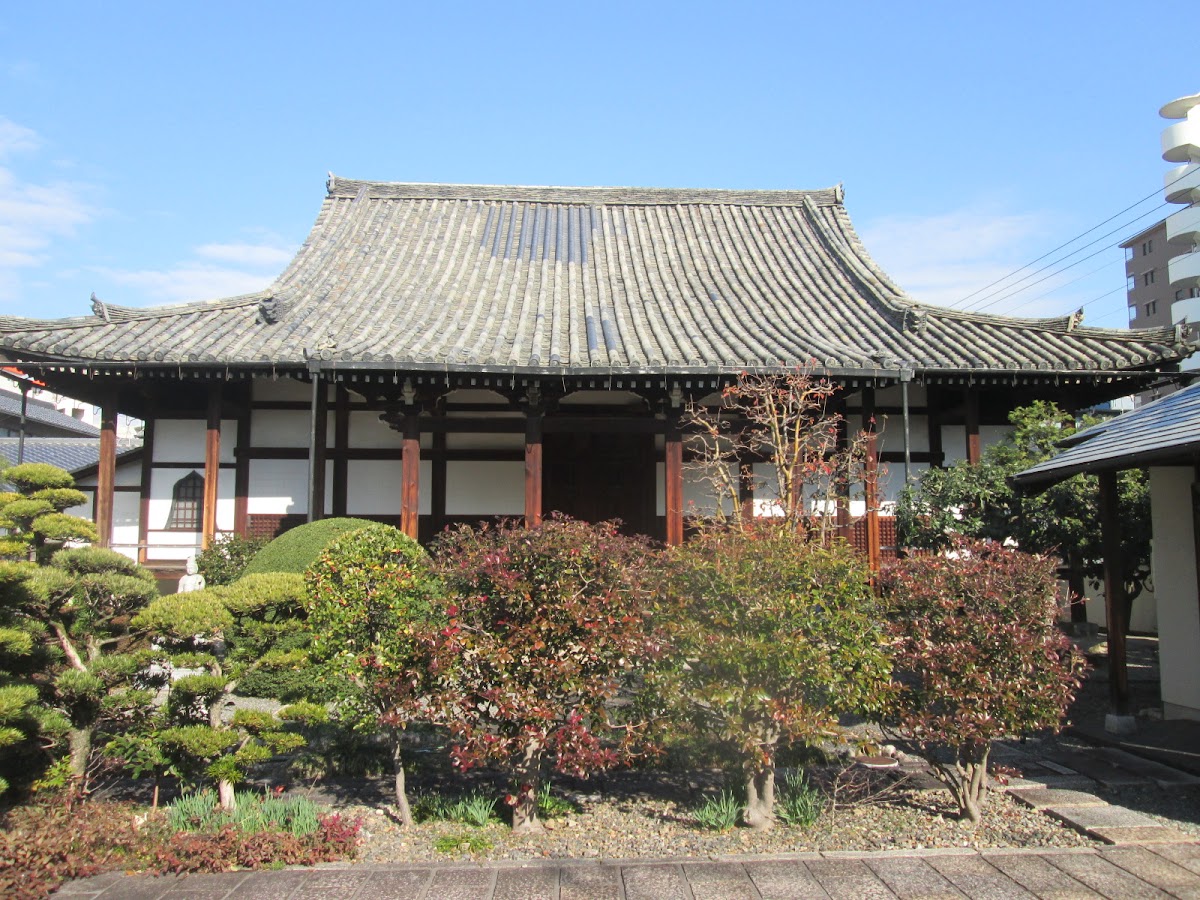
Nestled in a quiet residential area of Kamigyo Ward, Kyoto City, Seirinji Temple is a Tendai sect temple that has existed since the early Heian period. Its official name is “Ukyusan Hikoin Seirinji,” and it is affectionately known locally as “Mukuge Jizo” (Hibiscus Jizo). The legends surrounding Tarobo, the tengu of Mount Atago, and the temple grounds, where beautiful hibiscus flowers bloom, offer a glimpse into Kyoto’s hidden charms.
History and Origin of Seirinji Temple
Founded in the Early Heian Period
Seirinji Temple is said to have been founded in the early Heian period by the monk Keishun Sozu. As a Tendai sect temple, it has a long history, inheriting the tradition of having Enryaku-ji Temple on Mount Hiei as its head temple. Located in this area of Kamigyo Ward since its founding, it is a historic temple that has attracted the faith of the local people.
The Legend of Tarobo and the Name “Ukyusan”
The mountain name “Ukyusan,” included in the official name of Seirin-ji Temple, is associated with an intriguing legend. The legend says that Tarobo, a tengu (a mythical creature) said to have once lived on Mount Atago, rested his wings on a large pine tree within the grounds of Seirin-ji Temple while flying around Kyoto.
From this legend, the temple’s official name became “Ukyusan Hikoin Seirin-ji” (Ukyusan Flying Temple Seirin-ji). As a sacred place where a tengu rested its wings, and as a temple with a connection to flying beings, it has a unique origin.
The Origin of the Hibiscus Jizo
The reason why Seirinji Temple came to be called “Hibiscus Jizo” stems from the hibiscus trees planted on the temple grounds and the faith in Jizo Bodhisattva. The hibiscus is a plant that blooms beautifully from summer to autumn, and its ephemeral nature—blooming in the morning and wilting in the evening—resonates with the Buddhist concept of impermanence.
The Jizo Bodhisattva at Seirinji Temple has long been a pilgrimage site for pilgrims, serving as the 19th stop on the Rakuyo Forty-Eight Vows Jizo Pilgrimage and the 15th stop on the Rakuyo Twenty-Four Jizo Pilgrimage. During the hibiscus blooming season, the temple is bustling with people who visit to pay their respects to Jizo Bodhisattva and admire the flowers.
History of Fire and Reconstruction
Like many other temples in Kyoto, Seirinji Temple, with its long history, has also suffered from disasters such as fires. The temple has lost its buildings several times, particularly due to wars such as the Ōnin War and major fires during the Edo period. However, each time, it was rebuilt with the support of local people and believers, and the temple has continued to uphold its traditions to this day.
While the current main hall and other buildings were rebuilt after the Edo period, the traditions and faith from the Heian period have been continuously passed down.
Highlights of Seirinji Temple
Main Hall and Jizō Bodhisattva
The main hall of Seirinji Temple houses a statue of Jizō Bodhisattva as its principal image. This Jizō Bodhisattva is known as “Hibiscus Jizō” and has been worshipped for granting wishes such as the healthy growth of children, family safety, and recovery from illness.
As a pilgrimage site for Jizō Bodhisattvas of Rakuyō, it has attracted many worshippers since the Edo period and continues to receive deep devotion from local people. The main hall is relatively small, but it offers a tranquil space for peaceful worship.
Hibiscus Flowers
One of the greatest attractions of Seirinji Temple is the hibiscus flowers that bloom from summer to autumn. Several hibiscus trees are planted on the temple grounds, and from July to September, they successively bloom with beautiful white, pink, and purple flowers.
Hibiscus flowers are ephemeral, opening in the morning and wilting in the evening, but because new flowers bloom continuously, visitors can enjoy the blossoms for an extended period. This fleeting yet beautiful appearance of the flowers is said to embody the Buddhist teaching of impermanence, and it evokes a quiet sense of awe in visitors.
During the peak blooming season, not only locals but also tourists seeking Kyoto’s hidden flower spots visit the temple.
Atmosphere of the Temple Grounds
Seirinji Temple is a small temple located in a residential area, but its charm lies in its quiet atmosphere. While it lacks the splendor of Kyoto’s famous tourist temples, it possesses a simple and warm atmosphere as a place of faith rooted in the community.
The temple grounds are meticulously maintained, displaying different expressions with each season. Besides the hibiscus season, you can enjoy the changing seasons, such as the fresh greenery of spring and the vibrant autumn foliage.
Basic Information about Seirinji Temple
Sect and Principal Image
- Sect: Tendai Sect
- Mountain Name: Ukyusan
- Temple Name: Hikoin
- Principal Image: Jizo Bodhisattva
- Pilgrimage Site: 19th of the Rakuyo Forty-Eight Vows Jizo Pilgrimage, 15th of the Rakuyo Twenty-Four Jizo Pilgrimage
Location and Contact Information
- Address: 46 Genba-cho, Kamigoryomae-dori Muromachi Nishi-iru, Kamigyo-ku, Kyoto City, Kyoto Prefecture 602-0896
- Phone Number: 075-431-1529
- Chief Priest: Yamamoto Shinsho
Visiting Information
Seirinji Temple is generally a temple where visitors can freely enter the grounds, but it is recommended to check in advance regarding visits to the interior of the main hall. Because it has a strong character as a local temple serving the community, it may not be open to the public as a tourist temple.
When visiting, please respect that it is a place of worship for the local people and be mindful of praying quietly.
Access Methods
Access by Train
The most convenient way to access Seirinji Temple is by using the Kyoto Municipal Subway Karasuma Line.
Nearest Station: Kyoto Municipal Subway Karasuma Line “Kuramaguchi Station”
- Approximately 4 minutes on foot from Exit 1
- After exiting, head west, and you will see it on your left (northeast corner) as you continue west along Kamigoryomae Street.
Kuramaguchi Station is accessible from Kyoto Station in about 15 minutes by subway, making it possible to combine a visit with other tourist attractions in Kyoto.
Access by Bus
If using Kyoto City Buses, the following bus stops are the nearest.
- “Karasuma Kuramaguchi” Bus Stop: Approximately 3 minutes on foot
- “Kamigoryomae-dori” Bus Stop: Approximately 5 minutes on foot
When accessing by bus from Kyoto Station, you can use city bus routes 4 and 37, but the journey takes about 30 minutes. The subway is a faster and more reliable option.
Access by Car and Parking
There is no dedicated parking lot at Seirinji Temple, so if you are visiting by car, you will need to use a nearby coin-operated parking lot. However, the surrounding area is a residential area with narrow roads in some places, so using public transportation is recommended.
Nearby Attractions
Kamigoryo Shrine
Kamigoryo Shrine, located about a 5-minute walk from Seirinji Temple, is a historical shrine founded during the Heian period. It is also known as the starting point of the Onin War, allowing visitors to experience Kyoto’s history. The grounds are spacious, and it is a popular spot for cherry blossoms in spring.
Kyoto Gyoen National Garden and Kyoto Imperial Palace
Located about a 15-minute walk south of Seirinji Temple are the Kyoto Gyoen National Garden and the Kyoto Imperial Palace. The vast grounds of the Kyoto Gyoen National Garden make it a popular recreational area for citizens, offering beautiful scenery throughout the seasons. The Kyoto Imperial Palace is now open to visitors without prior reservation and has become a classic Kyoto tourist spot.
Shokokuji Temple
Located about a 10-minute walk east of Seirinji Temple, Shokokuji Temple is the head temple of the Shokokuji branch of the Rinzai school of Zen Buddhism, founded by Ashikaga Yoshimitsu, the third shogun of the Muromachi shogunate. Kinkakuji Temple and Ginkakuji Temple are also sub-temples of Shokokuji Temple, making it a highly prestigious temple ranked second among the Five Great Zen Temples of Kyoto.
Annual Events at Seirinji Temple
Because Seirinji Temple primarily serves as a local temple for its parishioners, it does not hold many large-scale events open to the public. However, the following annual events are held:
Jizo Bon Festival (Late August)
Jizo Bon, a summer tradition in Kyoto, is held annually at Seirinji Temple in late August. This event, held to pray for the healthy growth of children, brings together local children for a fun day filled with sweets and games.
Best Time to See Hibiscus Flowers (July-September)
Although not an official event, the number of visitors increases from July to September when the hibiscus flowers are in bloom, as people come to admire the blossoms. August is considered the peak blooming season.
Guidelines for Visiting Seirinji Temple
Temple Etiquette
Seirinji Temple is not a tourist temple, but a place of worship for the local community. Please observe the following manners when visiting.
- Please pray quietly: As the temple is located in a residential area, please be careful not to raise your voice or make noise.
- Photography: Photography is generally permitted on the temple grounds, but consideration is needed if the interior of the main hall or other worshippers are included in the photos.
- Visiting hours: Please avoid visiting early in the morning or late at night, and visit during reasonable hours.
- Offerings: When praying, please offer your offering with sincerity.
About Goshuin (Temple Seals)
It may be possible to receive a Goshuin at Seirinji Temple, but since staff may not always be present, it is recommended to check by phone in advance. This is especially important for those participating in the Rakuyo Jizo Pilgrimage.
About the Tendai Sect
The Tendai sect, to which Seirinji Temple belongs, is a sect of Japanese Buddhism founded in the early Heian period by Saicho (Dengyo Daishi). Its head temple is Enryaku-ji Temple on Mount Hiei, and it is characterized by the combined study of the four schools of Buddhism: En, Esoteric, Zen, and Kai. The teachings of the Tendai sect are based on the “One Vehicle” philosophy, which holds that all people possess Buddha-nature and that everyone can become a Buddha. Furthermore, it has developed as a comprehensive form of Buddhism, incorporating various practices such as chanting the Buddha’s name, Zen Buddhism, and esoteric Buddhism, with the Lotus Sutra as its fundamental scripture.
Seirinji Temple also has a history of upholding this Tendai sect tradition and serving the faith of the local people.
Rakuyo Jizo Pilgrimage and Seirinji Temple
Seirinji Temple is designated as the 19th temple of the Rakuyo Forty-Eight Vows Jizo Pilgrimage and the 15th temple of the Rakuyo Twenty-Four Jizo Pilgrimage.
What is the Rakuyo Jizo Pilgrimage?
The Rakuyo Jizo Pilgrimage is a pilgrimage to temples enshrining Jizo Bodhisattva scattered throughout Kyoto City. It became popular among common people during the Edo period and continues to be practiced by many today.
Jizo Bodhisattva is worshipped as a bodhisattva who travels through the six realms (hell, hungry ghosts, animals, asuras, humans, and heaven) to save sentient beings between the time of Shakyamuni Buddha’s death and the appearance of Maitreya Bodhisattva. He is especially revered as a guardian deity of children and is loved by many as a friendly and approachable Buddha.
How to Pilgrimage
The Rakuyo Jizo Pilgrimage does not require visiting the temples in a specific order; you can visit them at your own pace. It is common to visit each temple and receive a temple stamp (Goshuin). It is believed that visiting all the temples, including Seirinji Temple, brings great merit.
Points to Note When Visiting Seirinji Temple
Recommended Time to Visit
The best time to visit Seirinji Temple is from July to September, when the hibiscus flowers are in bloom. Mid-to-late August is especially beautiful. Visiting in the cool morning hours allows you to see freshly opened hibiscus blossoms.
Furthermore, during the Jizo-bon festival in late August, you can experience the warm atmosphere of the local community.
Estimated Time Required
The grounds of Seirinji Temple are not very large, so 15 to 20 minutes is sufficient for a simple visit. However, if you plan to leisurely admire the hibiscus flowers or take photographs, it’s best to allow about 30 minutes.
If you plan to visit nearby Kamigoryo Shrine and Shokokuji Temple as well, allocating about half a day will allow you to fully enjoy Kyoto’s history and culture.
Combined Sightseeing Plan
A tour of temples and shrines in Kamigyo Ward, centered around Seirinji Temple, is a course that allows you to discover the hidden charms of Kyoto. The following plan is recommended:
Morning: Visit Kyoto Imperial Palace → Visit Shokokuji Temple
Lunch: Lunch around Demachiyanagi
Afternoon: Visit Seirinji Temple → Visit Kamigoryo Shrine → Shimogamo Shrine
This course allows you to efficiently visit Kyoto’s historical temples and shrines.
Summary
Nishibayashi-ji Temple, located in Kamigyo-ku, Kyoto City, is an ancient Tendai sect temple dating back to the early Heian period. Its official name, “Hanekyuzan Hikoin Nishibayashi-ji,” comes from a legend that Tarobo, a tengu (mythical creature) of Mount Atago, rested his wings there. It is affectionately known as “Hibiscus Jizo” due to its beautiful hibiscus flowers and the worship of Jizo Bodhisattva.
Nishibayashi-ji Temple has a long history as a pilgrimage site for the Rakuyo Jizo Pilgrimage and a place of worship for the local people. While it lacks the flashy appearance of tourist temples, it is a hidden gem in Kyoto, offering a peaceful and tranquil atmosphere for worship.
Its convenient location, just a 4-minute walk from Kuramaguchi Subway Station, is another attractive feature, making it easy to stop by during Kyoto sightseeing. Especially during the summer and autumn when the hibiscus flowers are in bloom, you can have a special experience simultaneously appreciating the fleeting beauty of the flowers and the teachings of Buddhism.
Nishibayashi-ji Temple has a long history as a pilgrimage site for Jizo Bodhisattva in Rakuyo and a place of worship for the local people. For those who want to experience the charm of a local temple, something a little different from Kyoto’s famous tourist spots, Seirinji Temple is a recommended place to visit.