Complete Guide to Sankoin Temple: A Thorough Explanation of the History, Vegetarian Cuisine, and Zen Meditation Experience at this Rinzai Zen Nunnery in Koganei
Sankoin, located in Koganei City, Tokyo, is a Rinzai Zen nunnery that offers a tranquil space that retains the strong atmosphere of Musashino, despite being close to the city center. Founded in the early Showa period, this temple inherits the traditions of Kyoto’s nunneries and delivers the teachings of Zen and inner peace to us living in the modern age.
This article comprehensively introduces information you should know before visiting Sankoin, including its history, characteristics, vegetarian cuisine, Zen meditation experience, and access methods.
What is Sankoin?: An Overview of the Rinzai Zen Taigenzan Nunnery
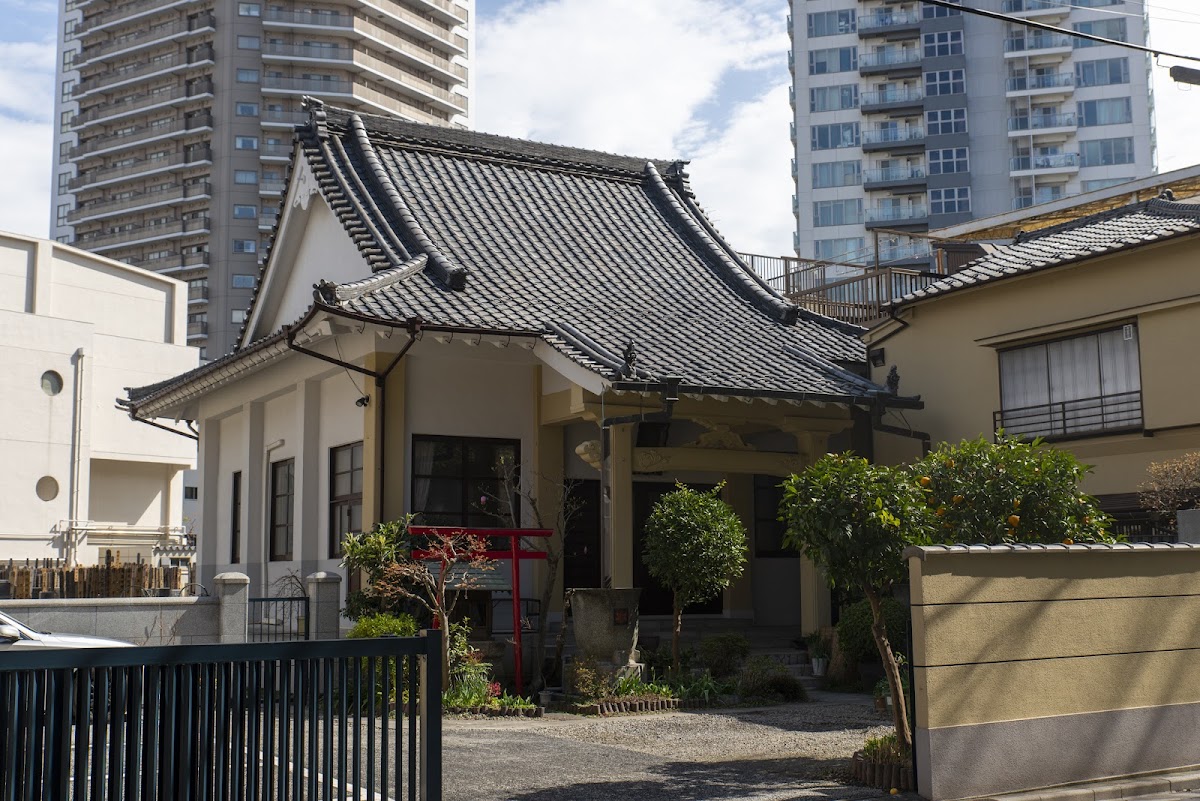
Sankoin, officially known as “Rinzai-shu Taigenzan Sankoin,” is a Rinzai Zen nunnery located in Koganei City, Tokyo. Founded in 1934 (Showa 9), Sankoin Temple was established by Zen Nun Soei Yoneda, who was invited from Donkain Temple in Sagano, Kyoto.
Rinzai Zen and the Tradition of Nunneries
Rinzai Zen is a branch of Zen Buddhism that was introduced from China during the Kamakura period, characterized by its practice of seeking enlightenment through seated meditation and koans. Sankoin Temple, in particular, follows the lineage of nunneries, inheriting the tradition of prestigious temples where nuns from the imperial family or court nobility served as abbots.
Donkain Temple in Kyoto is a nunnery also known as “Takenogosho,” and Sankoin Temple continues to pass on its traditions of vegetarian cuisine, etiquette, and Zen practice to the present day.
Characteristics of the Temple Grounds: A Space Surrounded by the Nature of Musashino
The grounds of Sankoin Temple retain a strong sense of the Musashino landscape, woven together by ancient trees. This is a precious space where you can feel the changing seasons, from cherry blossoms in spring, to fresh greenery in early summer, and autumn leaves in fall.
In the increasingly urbanized suburbs of Tokyo, temples that maintain such a rich natural environment are rare, offering visitors a moment of peace and tranquility.
History of Sankoin Temple: From its founding to the present
Founded in 1934: The wish of Nishino Narae Toji
Sankoin Temple was founded in 1934 by Nishino Narae Toji, a wealthy landowner from Bunkyo Ward, Tokyo, who invested her private fortune. She appointed Sanko Kokushi (National Policy Sanko Kokushi), who was deeply revered by Emperor Go-Daigo during the late Kamakura period, as the founding abbot of this temple.
Sanko Kokushi was a high-ranking monk who was active from the late Kamakura period to the Nanboku-cho period, and was highly valued as Emperor Go-Daigo’s national teacher. Ms. Nishino wished to spread the teachings of Zen by establishing a temple dedicated to this great Zen monk.
Invitation of Zen Nun Yoneda Soei: The First Chief Priest
In 1937 (Showa 12), at the earnest request of Abbot Mamiya Eisho, head of the Rinzai sect’s Hokoji branch, who had close ties with Abbot Asukai of Donkain in Sagano, Kyoto, Zen Nun Yoneda Soei was invited from Kyoto and became the first chief priest of Sankoin.
Zen Nun Yoneda Soei was a nun who had trained at Donkain, and she brought the traditions and prestige of Kyoto’s nunneries to Sankoin. Under her guidance, Sankoin developed into a central Rinzai nunnery in Tokyo.
Successive Chief Priests: Inheriting Tradition
After Zen Nun Yoneda Soei, Sankoin was succeeded by Zen Nun Hoshino Koei and Zen Nun Koizumi Kosho, who have continued to uphold the tradition of a nunnery to this day.
Each chief priest has adapted to the changing times while preserving the essence of Zen, welcoming many worshippers and practitioners. Even today, Sankoin remains a spiritual haven for urban dwellers.
Sankoin’s Shojin Ryori (Vegetarian Cuisine): The Takenogosho Style Tradition
Shojin Ryori (Vegetarian Cuisine) Passed Down in Nunneries
One of Sankoin’s most distinctive features is the opportunity to enjoy Takenogosho-style Shojin Ryori, a style of vegetarian cuisine passed down from the Kyoto nunnery “Takenogosho.” Shojin Ryori is a type of cuisine based on Buddhist precepts, consisting mainly of vegetables, beans, and grains, without meat or fish.
Takenogosho-ryu Shojin Ryori (vegetarian Buddhist cuisine) is not simply vegetarianism; it is characterized by its delicate flavors that maximize the natural taste of the ingredients and cherish the seasons. The elegant presentation, influenced by Kyoto’s court culture, and the fusion of Zen spirituality create an experience that can truly be called “Zen through food.”
Learning Zen Through Shojin Ryori
At Sankoin Temple, Shojin Ryori is positioned not merely as a meal, but as an integral part of Zen practice. Many lessons are embedded in Shojin Ryori, including gratitude for the ingredients, concentration during the cooking process, and mental discipline through table manners.
Visitors can experience the world of Zen through “food” while savoring beautifully prepared dishes. Since it is often offered by reservation only, prior inquiry is recommended.
Zen Meditation Experience and Zen Learning at the Temple School
Zen Meditation Sessions: Zen Practice for Beginners
Sankoin Temple regularly holds Zen meditation sessions, open to a wide range of participants, from beginners to experienced practitioners. Zazen (seated meditation) is a fundamental practice in the Rinzai school of Zen Buddhism, offering a precious time to quiet the mind and confront oneself.
In the tranquil main hall, under the guidance of experienced instructors, you can learn the correct way to sit, breathe, and cultivate a positive mindset. Away from the hustle and bustle of the city, this time for inner dialogue will be an incredibly valuable experience for modern people.
Zen Learning Terakoya School: Diverse Courses
At Sankoin Temple, as part of our efforts to promote a broader understanding of Zen, we regularly hold various courses titled “Zen Learning Terakoya School”.
The courses cover a wide range of topics, including:
- Sencha Tea Ceremony: Learning the etiquette of sencha tea, which has deep ties to Zen Buddhism
- Shakuhachi (Japanese bamboo flute): Practicing the shakuhachi, an instrument played by Zen monks as part of their training
- Kimono Dressing and Tea Ceremony: A fusion of traditional Japanese culture and the spirit of Zen
- Loquat Leaf Heat Therapy: Harmonizing mind and body through natural therapy
These courses provide a practical learning environment for incorporating Zen teachings into daily life.
Annual Events and Special Viewings at Sankoin Temple
Seasonal Buddhist Services and Events
Sankoin Temple holds various Buddhist services and events throughout the year. Through traditional Buddhist events such as the Spring Flower Festival, the Obon Segaki (feeding of hungry ghosts) service, and the Autumn Moon Viewing Festival, the temple deepens the connection between visitors and the temple.
In particular, seasonal events that utilize the rich natural environment of the temple grounds provide a valuable opportunity for city dwellers to experience the changing seasons.
Special Openings and Visits
While Sankoin Temple is usually maintained as a quiet place of spiritual practice, special openings and visits are sometimes offered during certain periods. We recommend checking the official website or social media for information beforehand.
Access and Visiting Information for Sankoin Temple
Location and Transportation Access
Location: Koganei City, Tokyo
Nearest Station: Approximately 15 minutes on foot from the North Exit of Musashi-Koganei Station on the JR Chuo Line
The route from the station takes you through a residential area, but the environment is quiet, allowing you to walk while building anticipation for the temple. Visiting by car is possible, but we recommend checking the availability of parking in advance.
Precautions for Visiting the Temple
Sankoin Temple also functions as a training ground, so please observe the following points when visiting:
- Advance Contact: If you wish to participate in vegetarian meals or Zen meditation experiences, please contact and make a reservation in advance.
- Quietness: Please be quiet on the temple grounds and be considerate so as not to disturb the training.
- Photography: Please check with the reception regarding photography.
- Attire: If participating in Zen meditation or religious services, comfortable and subdued clothing is recommended.
Inquiries
For details regarding visits, vegetarian meals, Zen meditation sessions, and various courses, please contact Sankoin Temple via its official website or by phone. We provide courteous service, ensuring a comfortable visit even for first-timers.
Differences Between Sankoin Temples
There are several temples named “Sankoin” throughout Japan. In addition to the Sankoin Temple (Rinzai sect, Taigenzan Sankoin) in Koganei City introduced in this article, there are other temples such as the following:
Sankoin Temple in Higashiyamato City
Located in Shimizu, Higashiyamato City, Tokyo, Sankoin Temple of the Shingon-shu Buzan sect is a historical temple established in 1110. It was relocated to its current location along the Shin-Ome Highway following the construction of Lake Tama. It is known as the only temple in Higashiyamato City that received land from the Tokugawa family.
Sankoin Temple in Haguro-cho, Tsuruoka City, Yamagata Prefecture
There is also a Sankoin Temple in Haguro-cho, Tsuruoka City, Yamagata Prefecture, which is deeply rooted in the community as a temple associated with the Dewa Sanzan faith.
When planning a visit, it is important to check the location, sect, and characteristics of the Sankoin Temple you are interested in. The temple introduced in this article is Rinzai sect, Taigenzan Sankoin Temple in Koganei City.
Values Sankoin Offers to Modern People
A Tranquil Space Away from the Hustle and Bustle of the City
Located just 30 minutes by train from central Tokyo, Sankoin offers a tranquil space surrounded by the rich nature of Musashino. It is a beloved place for many, offering a respite from the stresses of daily life and a place to calm the mind.
Self-Discovery Through Zen Practice
Through Zen meditation, vegetarian cuisine, and various courses, you can practically learn the teachings of Zen. These experiences deepen self-understanding and provide an opportunity to re-examine your mindset in daily life.
Inheritance and Experience of Traditional Culture
We offer opportunities to experience and learn about traditional Japanese culture, including the traditions of a nunnery, Takenogosho-ryu vegetarian cuisine, sencha tea ceremony, and shakuhachi (bamboo flute). These are not merely knowledge, but living cultures that can be acquired through practice.
Summary: Finding Peace of Mind at Sankoin Temple
Sankoin Temple, since its founding in 1934, has been spreading the teachings of Zen in the Tokyo suburbs while inheriting the traditions of Kyoto’s nunneries. Nestled amidst the natural beauty of Musashino, the temple grounds offer various opportunities for modern people to find peace of mind, including Takenogosho-style vegetarian cuisine, Zen meditation experiences, and a variety of courses.
Time to escape the hustle and bustle of daily life and confront oneself in silence is invaluable in modern society. A visit to Sankoin Temple will be more than just sightseeing; it will be a journey of self-discovery and spiritual growth.
Despite its convenient location, approximately a 15-minute walk from Musashi-Koganei Station on the JR Chuo Line, it offers a space that allows you to forget the noise of the city. Those wishing to experience vegetarian cuisine or Zen meditation are advised to check the official website for information and make reservations before visiting.
Sankoin Temple continues to provide a place of peace and learning for us living in the modern age, while preserving the Zen tradition that has continued from the past to the present and into the future.