Seiganji Temple (Ena City, Gifu Prefecture) Complete Guide: History, Cultural Properties, and Access Information
Located in Iwamura-cho, Ena City, Gifu Prefecture, Seiganji Temple is a Soto Zen Buddhist temple that preserves the history from the Sengoku period to the Edo period. With its deep connection to the Matsudaira family, its role as a pilgrimage site for the Ena Thirty-Three Kannon Pilgrimage, and its role as a center of regional spiritual culture, it has attracted the faith of people for over 400 years.
This article comprehensively explains everything you need to know before visiting Seiganji Temple, from its historical background and cultural properties to its highlights and access methods.
Basic Information about Seiganji Temple
Official Name: Kyūshōzan Seiganji
Sect: Sōtō Zen
Principal Image: Kannon Bodhisattva
Pilgrimage Site: Ena Thirty-Three Kannon Pilgrimage Site, No. 11
Address: 147-1 Tonomachi, Iwamura-chō, Ena City, Gifu Prefecture
Postal Code: 509-7403
Telephone Number: 0573-43-2222
Founder: Matsudaira Ienori
First Abbot: Yūzan Den’ei (8th Abbot of Sōsenji Temple)
Founded: Tenshō 18 (1590)
History of Seiganji Temple
Circumstances of Founding and Relationship with the Matsudaira Family
The history of Seiganji Temple dates back to Tenshō 18 (1590). The temple’s origins trace back to Matsudaira Ienori of the Ogyu Matsudaira family, who founded it in Nawa, Joshu (present-day Gunma Prefecture), to commemorate his ancestors.
Matsudaira Ienori invited Yuzan Den’ei, the eighth head priest of Sosenji Temple in Hashiba, Asakusa, Edo, to be its founding abbot, and granted the temple 15 koku of land. This founding history demonstrates the Matsudaira family’s importance to the temple as their family temple.
Relocation to Iwamura
Initially located in Nawa, Joshu, Seiganji Temple relocated to Iwamura-cho, Ena City, Gifu Prefecture, following a shift in the Matsudaira family’s territory. Iwamura flourished as a castle town of the Iwamura Domain throughout the Edo period, and Seiganji Temple played an important role as a temple in the Iwamura castle town.
Because the Iwamura Domain was ruled by the Matsudaira family, Seiganji Temple continued to function as the lord’s family temple and became a central figure in the region’s Buddhist culture.
Warfare and Reconstruction during the Tensho Era
The Ena region was devastated by the warfare during Takeda Katsuyori’s invasion of Tono in 1574, resulting in the destruction of many temples and shrines. Records show that during this period, the only way for the people of Ena County to receive Buddhist teachings was to visit Abbot Taigan Unjo of Seiganji Temple.
This fact demonstrates that Seiganji Temple continued to uphold its Buddhist traditions even during times of war, functioning as a spiritual pillar for the region.
Development during the Edo Period
During the Edo period, Seiganji Temple flourished under the patronage of the Iwamura Domain. Possessing 15 koku of temple land and numerous branch temples, it served as a central temple in the region, contributing to the spread of Buddhist culture.
In particular, it expanded its religious influence as a center for spreading the teachings of the Soto Zen sect, participating in the founding of temples in the surrounding areas.
Branch Temples and Related Temples
Relationship with Seikyu-ji Temple
One of the important branch temples of Seigan-ji Temple is Seikyu-ji Temple, located in Babayamada, Yamaoka-cho, Ena City.
Seikyu-ji Temple’s mountain name is Toganzan, and its principal image is Nyoirin Kannon. Historically, after the temples and shrines were destroyed by fire during Takeda Katsuyori’s invasion of Tono in 1574 (Tensho 2), local people visited Taigan Unjo of Seigan-ji Temple to receive Buddhist teachings. Therefore, it is believed that Seikyu-ji Temple was rebuilt and developed under the influence of Seigan-ji Temple.
As a temple that separated from Seigan-ji Temple, Seikyu-ji Temple played a role in spreading the teachings of the Soto Zen sect in the Yamaoka region.
Other Related Temples
Seigan-ji Temple, as a central temple of the Soto Zen sect in the Ena region, had several branch temples. These temples formed a regional Buddhist network, with the head priests and trainee monks of Seiganji Temple serving as founders or inheriting the lineage of Seiganji Temple.
In the Edo period temple system, the relationship between head temples and branch temples was not merely religious, but also played an administrative role. Seiganji Temple, as the center of this network, contributed to the stability of the local community.
Ena Thirty-Three Kannon Pilgrimage Site, Eleventh Temple
What is the Ena Thirty-Three Kannon Pilgrimage?
The Ena Thirty-Three Kannon Pilgrimage is a pilgrimage route visiting 33 Kannon temples scattered throughout the Ena region of Gifu Prefecture. Kannon worship holds an important position in Japanese Buddhist culture, and the number 33 is based on the belief that Kannon Bodhisattva transforms into 33 forms to save sentient beings.
Seiganji Temple, as the eleventh temple on this pilgrimage route, has welcomed many pilgrims.
Role as a Pilgrimage Site
As a pilgrimage site, Seiganji Temple enshrines Kannon Bodhisattva as its principal deity and serves as a place to receive the wishes of pilgrims. Pilgrims receive a stamp at each site, chant sutras, and visit the sacred sites, praying for peace of mind and the fulfillment of their wishes.
The Kannon Hall at Seiganji Temple has long attracted the faith of local people, especially those seeking worldly benefits such as safe childbirth and recovery from illness.
The Charm of Pilgrimage
The pilgrimage to the 33 Kannon sites of Ena is not merely a religious act, but also a journey to experience the nature, history, and culture of the Ena region. Iwamura Town, where Seiganji Temple is located, is known for its beautiful townscape that retains the atmosphere of an Edo-period castle town, making it possible to combine pilgrimage with sightseeing.
Cultural Properties and Temple Treasures
Buildings
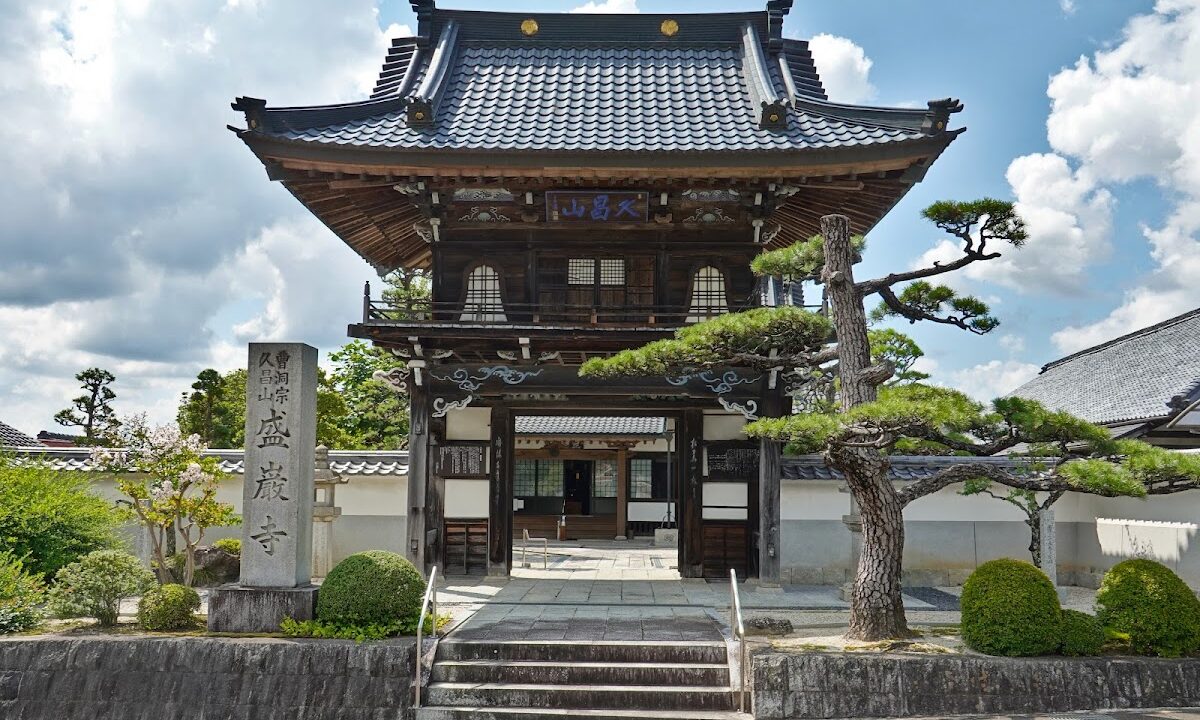
The temple complex of Seiganji Temple maintains the typical layout of a Soto Zen temple dating back to the Edo period. The buildings, including the main hall, priest’s quarters, and main gate, have been restored over time, yet they still preserve the traditional style of temple architecture.
The main hall, in particular, possesses a solemn atmosphere characteristic of Soto Zen temples, quietly welcoming visitors.
Buddhist Statues and Artifacts
Seiganji Temple houses Buddhist statues and artifacts, including the principal image of Kannon Bodhisattva, which have been preserved and passed down by successive chief priests. These temple treasures showcase the characteristics of Edo period Buddhist art and are valuable historical materials that tell the story of the Matsudaira family’s and the region’s faith history.
Documents and Records
The temple preserves documents that record its history since its founding. Documents showing its relationship with the Matsudaira family, records concerning temple lands, and materials showing its relationship with branch temples are important historical sources for regional history research.
Historical Background of Iwamura Town
Iwamura Castle and Castle Town
Iwamura Town, where Seiganji Temple is located, developed as a castle town of Iwamura Castle, one of Japan’s three greatest mountain castles. Iwamura Castle is a mountain castle built on a mountain 717 meters above sea level, and is also known as “Kirigajo” (Mist Castle).
Throughout the Edo period, the Iwamura Domain’s administrative center was located there, and the town developed as a castle town featured rows of samurai residences and merchant houses, forming a unique townscape.
Important Preservation District for Groups of Traditional Buildings
The current Iwamura Main Street is designated as an Important Preservation District for Groups of Traditional Buildings, and townhouses from the Edo to Meiji periods are well-preserved. When visiting Seiganji Temple, strolling through this historic townscape allows you to experience the atmosphere of the castle town of that time.
The Legend of the Female Castle Lord
A legend remains at Iwamura Castle about a female castle lord, Otsuya-no-kata, who defended the castle during the Sengoku period. Otsuya-no-kata, an aunt of Oda Nobunaga, is said to have defended the castle after her husband’s death, taking the place of her young child and fighting against the Takeda army.
This historical background contributes to the unique cultural atmosphere of Iwamura town, and Seiganji Temple is an integral part of it.
Annual Events and Memorial Services
Regular Memorial Services
Following the traditions of the Soto Zen sect, Seiganji Temple holds various memorial services throughout the year.
- Spring and Autumn Equinox Services: Memorial services for ancestors
- Obon Festival: Memorial services for the Obon festival
- Founder’s Memorial Service: Memorial service for the death anniversary of the temple’s founder, Abbot Yuzan Den’ei
These services are attended not only by temple parishioners but also by local residents, providing an opportunity to deepen community bonds.
Kannon-ko (Kannon Religious Service)
As a pilgrimage site of the Ena Thirty-Three Kannon Pilgrimage, Kannon-ko (Kannon Religious Service) is held regularly. It serves to deepen faith in Kannon and as a place for pilgrims to connect with each other.
Highlights of Seiganji Temple
Main Hall and Kannon Hall
The main hall of Seiganji Temple is a building with a tranquil atmosphere typical of a Soto Zen temple. The principal image is enshrined inside, and morning and evening services are held.
The Kannon Hall enshrines the Kannon Bodhisattva, the principal image of the pilgrimage site, and visitors can quietly offer their prayers.
Nature on the Temple Grounds
The grounds of Seiganji Temple offer enjoyment of nature throughout the seasons. Cherry blossoms in spring, lush greenery in summer, autumn leaves in fall, and snowscapes in winter—each season presents a different face.
In particular, the ancient trees on the grounds evoke a long history and create a serene atmosphere.
Cemetery and Matsudaira Family Burial Grounds
The temple’s cemetery contains gravestones associated with the Matsudaira family and the graves of successive chief priests. These are valuable historical sites that tell the story of Seiganji Temple’s history.
Access Information
Access by Public Transportation
Nearest Station: Iwamura Station, Akechi Railway
Distance from Station: Approximately 1.1 km
Walking Time: Approximately 13-15 minutes
The route from Iwamura Station to Seiganji Temple passes through the townscape of Iwamura Castle town. We recommend walking while enjoying the historical townscape.
Access by Car
Chuo Expressway: Approximately 20 minutes from Ena IC
National Route 257: Towards Iwamura Town
There is a public parking lot in Iwamura Town, from which you can walk to Seiganji Temple. Visiting in conjunction with a stroll through the townscape is convenient.
Parking Information
For parking at Seiganji Temple, we recommend checking with the temple in advance. It is also possible to use the Iwamura Town Tourist Parking Lot and visit the temple while strolling through the town.
Nearby Tourist Attractions
Iwamura Castle Ruins
Iwamura Castle Ruins, one of Japan’s three great mountain castles, is within walking distance of Seiganji Temple. This mountain castle boasts beautifully preserved stone walls, and the view from the main keep is spectacular. The climb takes approximately 30-40 minutes, making it a must-see spot for history buffs.
Iwamura Historical Museum
This museum allows you to learn about the history of the Iwamura Domain and the culture of the castle town. You can learn in detail about Iwamura Castle and the history of its female lord.
Iwamura Brewery
This sake brewery has been operating since the Edo period, and you can observe traditional sake brewing. You can also sample and purchase local sake.
Japan’s Best Rural Landscape Observation Deck
This observation deck offers panoramic views of the beautiful rural landscape surrounding Iwamura Town. The changing rural landscape with each season evokes a sense of Japan’s quintessential scenery.
Etiquette and Manners for Visiting a Temple
How to Visit a Soto Zen Temple
- Bow at the Temple Gate: Bow at the temple gate before entering the temple grounds.
- Purify at the Water Basin: Purify your hands and mouth.
- Worship at the Main Hall: Quietly join your hands in prayer and offer a heartfelt bow.
- Worship at the Kannon Hall: Pay respects to the principal image of the pilgrimage site.
About Goshuin (Temple Seals)
As a pilgrimage site of the Ena Thirty-Three Kannon Pilgrimage, we offer Goshuin. Please bring your Goshuin book and request one at the reception after your visit. Remember that the Goshuin is proof of your visit, not a stamp rally, and receive it respectfully.
Photography Etiquette
Photography is generally permitted on the temple grounds, but please note the following:
- Permission may be required to photograph inside the main hall.
- Please refrain from taking photographs during religious ceremonies.
- Please be considerate of other visitors.
- Please refrain from taking photographs in the cemetery.
The Charm and Significance of Visiting Seiganji Temple
Historical Value
Seiganji Temple was founded as the family temple of the Matsudaira clan and has walked hand in hand with the history of the Iwamura Domain. Visiting this temple, with its history spanning over 400 years from the Sengoku period to the Edo period and into the present day, offers a valuable opportunity to experience a part of Japanese samurai culture and Buddhist culture.
Spiritual Value
As a pilgrimage site of the Ena Thirty-Three Kannon Pilgrimage, Seiganji Temple has continued to be a place of prayer for people. The time spent in the quiet temple grounds, away from the hustle and bustle of modern life, brings spiritual healing.
Cultural Value
Located within the historical setting of the Iwamura castle town, Seiganji Temple is an important component of the region’s cultural landscape. The cultural space, where temple architecture, Buddhist art, and the townscape are integrated, is a valuable place to experience traditional Japanese culture.
Notes for Visitors
Visiting Hours
Seiganji Temple’s visiting hours are generally during the daytime (around 9:00 AM to 5:00 PM), but may change due to religious services or events. It is recommended to confirm by phone before visiting.
Dress Code
When visiting a temple, avoid revealing clothing and opt for modest attire. Especially when entering the main hall, you will need to remove your shoes, so easy-to-remove footwear is convenient.
Seasonal Precautions
- Spring/Autumn: These are pleasant seasons, but if you are visiting Iwamura Castle Ruins, please prepare comfortable walking shoes.
- Summer: Heat and insect repellent measures are necessary.
- Winter: The Ena region experiences severe cold, and snow can accumulate. Warm clothing and non-slip shoes are necessary.
Seiganji Temple and the Local Community
The Danka System and Local Community
Seiganji Temple has deep ties with the local community through the Danka system, which has continued since the Edo period. It has played a central role not only in funerals and memorial services but also in various local events.
Role in Cultural Inheritance
Temples have functioned not only as places to transmit Buddhist culture but also as places to transmit Japanese culture such as calligraphy, tea ceremony, and flower arrangement. Seiganji Temple also plays an important role in the inheritance of local culture.
Role in Modern Times
In modern society, temples play diverse roles not only as religious facilities but also as places of spiritual solace, community spaces, and guardians of cultural properties. Seiganji Temple continues to uphold tradition while adapting to the needs of modern society.
Summary: A Recommendation to Visit Seiganji Temple
Located in Iwamura-cho, Ena City, Gifu Prefecture, Seiganji Temple is a fascinating temple with a rich history connected to the Matsudaira family, a place of worship as one of the 33 Kannon pilgrimage sites of Ena, and situated within the beautiful cultural landscape of a castle town.
Visiting this temple, with its history spanning over 400 years, allows you to experience Japanese samurai culture, Buddhist culture, and local traditions. A visit to the Iwamura Castle ruins and the historic townscape will provide a rich historical and cultural experience.
The time spent calming your mind in the tranquil temple grounds and reflecting on history will be a precious moment in today’s busy life. When visiting the Ena region, be sure to stop by Seiganji Temple.
Contact Information
Seiganji Temple
147-1 Tonomachi, Iwamura-cho, Ena City, Gifu Prefecture 509-7403
TEL: 0573-43-2222
We recommend checking the visiting hours and event schedule before your visit.