Complete Guide to Senbon Shakado (Daihoonji Temple) | Exploring Kyoto’s Oldest National Treasure Architecture and Kaikei’s Buddhist Statues
Located in Kamigyo Ward, Kyoto City, Senbon Shakado (Daihoonji Temple) is an ancient temple of the Shingon Chizan sect, boasting a history of nearly 800 years. It is known for its National Treasure main hall, which miraculously escaped destruction during numerous wars, including the Onin War, and for its collection of masterpiece Buddhist statues by leading Kamakura period sculptors such as Kaikei and Jokei. This article will introduce the charms of this historic temple in their entirety.
What is Senbon Shakado (Daihoonji Temple)?
Origin of the Official Name and Common Name
The official name of the temple is “Daihoonji,” but it is commonly known as “Senbon Shakado.” The temple was originally called Shakado (Buddha Hall) after its principal image, a statue of Shakyamuni Buddha. However, to distinguish it from the Shakado (Seiryoji Temple) in Saga, and because it is located on Senbon Street, it came to be called “Senbon Shakado” (Senbon Buddhism Hall).
This name is surprisingly old, having been in use since the late Kamakura period. Kenkō Hōshi’s *Tsurezuregusa* (Essays in Idleness) also mentions the temple as “Senbon Shakado,” indicating that it has been known by its current name for over 700 years. During the Edo period, it was briefly called “Ikyōkyōji Temple,” but the name Senbon Shakado became established and remains so to this day.
Mountain Name and Sect
The mountain name is Zuiōzan. It belongs to the Chizan branch of the Shingon sect and has a history of flourishing as a training ground for the propagation of the three sects of Kusha, Tendai, and Shingon. Even today, as a temple of the Shingon Chizan sect, it continues to uphold a faith centered on the worship of Shakyamuni Buddha.
History and Founding of Daihoonji Temple
Founded by Giku Shonin
Daihoonji Temple was founded in 1221 (Jokyu 3) by Giku Shonin (Kyuho Shonin). Giku Shonin was a Tendai monk said to be the grandson of Fujiwara no Hidehira. In the age of decline, based on the worship of Shakyamuni Buddha, he built a small hall and enshrined statues of Shakyamuni Buddha and his ten principal disciples, which is considered the beginning of the temple.
While some say it was founded by Emperor Yomei, it is generally believed to have been restored by Giku Shonin. Giku Shonin made it his mission to correctly transmit the teachings of Shakyamuni Buddha and opened a temple in this location.
Becoming an Imperial Temple
Just 14 years after its founding, in 1235 (Katei 1), it had developed to the point of being recognized by the imperial court as an imperial temple. This demonstrates the religious authority of this temple and the high moral character of Abbot Giku. Becoming an imperial temple meant receiving protection from the imperial court, further strengthening its foundation as a temple.
The Miracle of Surviving the Ōnin War
The most remarkable feature of Daihōonji Temple is that its main hall, the oldest wooden building in Kyoto, has survived numerous wars, including the Ōnin-Bunmei War (1467-1477). While many temples and shrines in Kyoto were destroyed during the Ōnin War, Daihōonji Temple received generous protection from both sides and miraculously escaped the conflagration.
This is believed to be due to the temple’s religious neutrality and respect for the universal teachings of Shakyamuni Buddha, which were valued even amidst the turmoil of war. The main hall, which has retained its original form for nearly 800 years, is truly a living witness to Kyoto’s history.
The Architectural Beauty of the National Treasure Main Hall
Founded in 1227
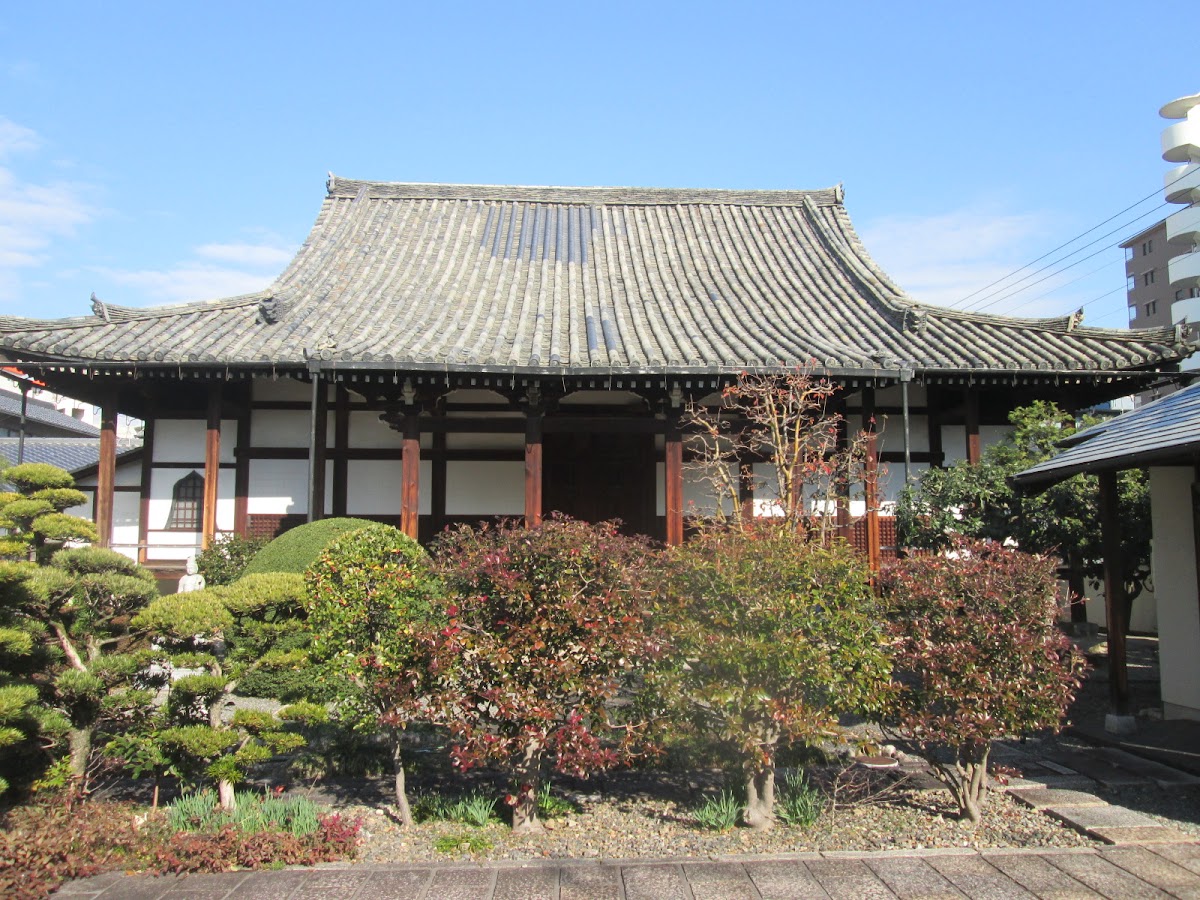
The main hall of Daihoonji Temple, built in 1227, is the oldest existing wooden building in Kyoto. The construction date is clearly determined by an inscription on the ridge beam, and it is designated a National Treasure as a valuable cultural asset that conveys the architectural style of the early Kamakura period.
A Buddhist Temple with Shinden-zukuri Characteristics
The main hall is a Buddhist temple incorporating elements of the Shinden-zukuri style, with a five-bay, six-bay, single-story, hip-and-gable roof, and tiled roof. It has a portico at the front, and the interior is divided into an inner and outer sanctuary. A building that embodies the pinnacle of Kamakura period architectural technology, its powerful yet elegant form is overwhelming to behold.
The wooden parts, such as the pillars, beams, and brackets, possess a deep color and dignified appearance that comes from nearly 800 years of history, attesting to the high level of craftsmanship at the time of construction. Its survival through wars such as the Ōnin War is considered “miraculous,” and it occupies an extremely important position in the architectural history of Kyoto.
The Okame Legend and the Main Hall Construction
A famous legend surrounding the construction of the main hall is the “Okame Legend.” Okame, the wife of Takatsugu, the master builder of the main hall, noticed that her husband had mistakenly cut an important pillar too short. She proposed a method of repairing it using a bracket system, saving the construction. However, ashamed that it would become known that the building was completed thanks to her wisdom, Okame is said to have committed suicide before the topping-out ceremony.
Takatsugu prayed for his wife’s soul and displayed an Okame mask at the topping-out ceremony. This is considered the beginning of “Okame worship,” and even today, “Okame gohei” (paper streamers) are displayed under the eaves of the main hall. Okame is worshipped as the guardian deity of architecture and craftsmanship, as well as a goddess of good fortune in marriage, marital harmony, and fertility. An Okame mound has also been erected on the temple grounds.
Buddhist Statues Housed in the Treasure Hall
The Treasure Hall of Daihoonji Temple houses numerous masterpiece Buddhist statues by leading sculptors of the Kamakura period, and can be viewed at any time (for a fee).
Standing Statues of the Ten Great Disciples by Kaikei (Important Cultural Property)
The greatest highlight of the Treasure Hall is the wooden standing statues of the Ten Great Disciples by Kaikei. This group of statues, representing the ten leading disciples of Shakyamuni Buddha, is known as the pinnacle of Kamakura sculpture.
Kaikei, along with Unkei, was a great Buddhist sculptor of the Kamakura period, characterized by his elegant and gentle style known as the “Annami style.” Each of the Ten Great Disciples statues has a different expression and posture, beautifully expressing the individuality and state of enlightenment of each disciple.
Of particular note is the statue of Ananda. Ananda, a cousin and attendant of Shakyamuni Buddha, is depicted with a youthful and handsome face, showcasing Kaikei’s exceptional skill. Each statue contains internal documents, containing valuable information such as the date of creation and the donor.
Six Kannon Bodhisattva Statues by Jokei (Important Cultural Property)
The wooden statues of the Six Kannon Bodhisattvas by Jokei are also treasures of the Treasure Hall. Jokei was a Buddhist sculptor considered a disciple of Kaikei, and while inheriting his master’s style, he established his own unique and delicate expression.
The Six Kannon are the six bodhisattvas: Sho Kannon, Senju Kannon, Hayagriva Kannon, Juichimen Kannon, Juntei Kannon, and Nyoirin Kannon, each of whom saves beings in the Six Realms (Hell, Hungry Ghosts, Animals, Asuras, Humans, and Heaven). The Six Kannon statues by Jōkei are highly regarded for their graceful forms and exquisite sculptural techniques. In particular, the elegant standing posture of the Juntei Kannon statue is known as the pinnacle of Kamakura period sculpture.
Principal Image: Seated Shakyamuni Buddha Statue (Important Cultural Property)
The principal image, a seated Shakyamuni Buddha statue enshrined in the main hall, is attributed to Gyōkai and is an Important Cultural Property that has been passed down since the temple’s founding. With its serene expression yet dignified presence, it has been the center of Shakyamuni worship at Daihōonji Temple for nearly 800 years, attracting many worshippers.
Other Important Cultural Properties
In addition to these, the Treasure Hall houses numerous other Important Cultural Properties, including statues of Fu Daishi and two attendants, and a standing Thousand-Armed Kannon statue. It is extremely rare to find so many masterpieces of Kamakura period sculpture gathered in one temple, making it a must-see for Buddhist art enthusiasts.
Annual Events and Setsubun/Daikon-daki
Okame Setsubun (February Setsubun)
Every year on Setsubun in February, a special event known as “Okame Setsubun” is held. Based on the legend of Okame, this event, which aims to receive Okame’s blessings, attracts many worshippers. Okame is worshipped as a goddess who brings good fortune, and on Setsubun, special Buddhist services and bean-throwing ceremonies are held.
The temple features unique Setsubun events not found at other temples, such as the distribution of Okame gohei (paper streamers) and prayers for warding off evil using Okame masks. Many worshippers also visit to pray for successful relationships and marital harmony.
Daikon-daki (December 7th & 8th)
The “Daikon-daki” (radish stew) held on December 7th and 8th is widely known as a winter tradition at Daihoonji Temple. This event commemorates the day when Buddha attained enlightenment (Jodo-e), and is believed to offer protection against illness and stroke.
Within the temple grounds, radishes are cooked in a large pot and offered to worshippers. There is a belief that eating these radishes will ensure good health for a year, and many people visit every year. The sight of people gathered around the steaming pot is a beloved winter tradition in Kyoto.
Other Annual Events
Various events are held throughout the year, including the Hana Matsuri (Buddha’s Birthday Festival) in spring, the Obon Festival in summer, and special viewings in autumn. These seasonal ceremonies and events continue the 800-year tradition.
Highlights of the Temple Grounds
Okame Mound
The Okame Mound, dedicated to Okame, who committed suicide during the construction of the main hall, is an important place of worship within the temple grounds. This temple is believed to grant blessings for successful relationships, marital harmony, and fertility, and is particularly popular with female worshippers. A special memorial service is held annually around Setsubun (the day before the beginning of spring).
Okame Cherry Tree
Near Okame Mound is the Okame Cherry Tree, known for its early blooming. This cherry tree blooms from late February to early March, adding color to Kyoto’s early spring. Named after the Okame legend, this tree displays delicate pink blossoms, delighting visitors.
Fudo Myoo Hall
Within the temple grounds is a hall dedicated to Fudo Myoo, attracting worshippers seeking protection from evil and the fulfillment of their wishes. As a temple of the Shingon Chizan sect, the worship of Fudo Myoo is also highly valued.
Visiting Information
Visiting Hours and Admission Fees
- Visiting Hours: 9:00 AM – 5:00 PM (Open year-round)
- Admission Fee: Adults 600 yen, University/High School Students 500 yen, Junior High School Students and younger free (Common to Main Hall and Treasure Hall)
- Special Visiting Period: Special viewings may be held for a limited time (fees and times may change)
In the Treasure Hall, you can always view important cultural property Buddhist statues, such as the Ten Great Disciples statues by Kaikei and the Six Kannon statues by Jokei. Please note that photography is generally prohibited.
Access Information
Access by Train and Bus
- Get off at “Kamishichiken” bus stop (Kyoto City Bus), approximately 3 minutes on foot
- Get off at “Senbon Imadegawa” bus stop (Kyoto City Bus), approximately 5 minutes on foot
- Get off at “Kitano Hakubaicho Station” on the Keifuku Electric Railway (Arashiyama Line), approximately 10 minutes on foot
- From JR, Kintetsu, or Subway “Kyoto Station,” take Kyoto City Bus Route 50 or 101 for approximately 30 minutes
Access by Car
- Approximately 30 minutes from “Kyoto Minami IC” on the Meishin Expressway
- Parking: Free parking available for visitors on the temple grounds (limited spaces available)
Location and Contact Information
- Address: 1034 Mizomae-cho, Kamigyo-ku, Kyoto City, Kyoto Prefecture 602-8319
- Phone: 075-461-5973
- Official Website: Please check the official website for the latest visiting information and event schedules
Nearby Tourist Attractions
Kitano Tenmangu Shrine
Located about a 10-minute walk from Senbon Shakado Temple, Kitano Tenmangu Shrine is the head shrine of all Tenmangu shrines nationwide, dedicated to Sugawara no Michizane, the god of learning. It’s also known for its plum blossoms, with approximately 1,500 plum trees of about 50 varieties blooming from February to March. The Tenjin Market (held on the 25th of each month) is also famous.
Kamishichiken
Kamishichiken, Kyoto’s oldest geisha district, is located very close to Senbon Shakado Temple. The charming streetscape, with its cobblestone streets and lattice-doored teahouses, offers a truly Kyoto atmosphere. The spring “Kitano Odori” dance is a quintessential Kyoto event.
Seimei Shrine
Seimei Shrine, dedicated to Abe no Seimei, a Heian period onmyoji (diviner), is also within walking distance. It’s believed to offer protection against evil and misfortune, and its pentagram (Seimei Kikyo) amulet is popular. It’s also gaining attention as a power spot.
Hirano Shrine
Hirano Shrine, known as a famous cherry blossom viewing spot, is also nearby. Approximately 400 cherry trees of about 60 varieties are planted, allowing visitors to enjoy the blossoms for an extended period, from early-blooming to late-blooming varieties. The illuminated cherry blossoms at night are also magnificent.
Points to Note When Visiting Senbon Shakado
Estimated Time Required
A stroll through the temple grounds and viewing the Buddhist statues in the Treasure Hall should take approximately 1 to 1.5 hours. Those who wish to carefully appreciate the statues should allow about 2 hours. During events such as Setsubun and Daikon-daki, the temple can get crowded, so it is recommended to visit with plenty of time to spare.
Photography
Photography of the temple grounds is permitted, but photography of the interior of the main hall and the Buddhist statues in the Treasure Hall is prohibited. Please respect the rules to protect the national treasures and important cultural properties. The Okame cherry blossoms and the exterior of the main hall are beautiful photo spots.
Clothing and Items to Bring
Please remove your shoes before entering the main hall and treasure hall. In winter, the floor can be cold, so it’s a good idea to wear thick socks. In summer, there is no air conditioning, so you will need to take precautions against the heat.
Recommended Time to Visit
- Late February to Early March: Blooming season of Okame cherry blossoms, Okame Setsubun (bean-throwing festival)
- December 7th & 8th: Daikon-daki (radish stew)
- Spring & Autumn: Pleasant weather, easy to combine with sightseeing in the surrounding area
- Weekday Mornings: Relatively uncrowded, allowing for a leisurely visit
Cultural Value of Senbon Shakado (Daihoonji Temple)
Importance in Architectural History
The main hall of Daihoonji Temple occupies an extremely important position in the history of Japanese architecture as the oldest existing wooden building in Kyoto City. It is one of the few examples that completely preserves the architectural style of the early Kamakura period, and is a valuable resource for understanding the architectural techniques and aesthetics of that time. The fact that it survived numerous wars, including the Ōnin War, is described as a “miracle,” and its excellent state of preservation is particularly noteworthy. Its designation as a National Treasure recognizes these historical and architectural values.
Place in the History of Buddhist Sculpture
The Ten Disciples statues by Kaikei and the Six Kannon statues by Jōkei are highly regarded in art history as the pinnacle of Kamakura period sculpture. Kaikei, along with Unkei, was one of the two greatest Buddhist sculptors of the Kamakura period, and it is extremely rare for all ten of his works to remain together.
Jōkei’s Six Kannon statues are also known as masterpieces that pursued his own unique beauty while inheriting the style of his teacher, Kaikei. These Buddhist statues represent the pinnacle of Kamakura period Buddhist art and are indispensable works in the history of Japanese sculpture.
Significance in the History of Religion
Daihōonji Temple was founded as a training ground for the worship of Shakyamuni Buddha and has preserved that faith for nearly 800 years. During the Kamakura period, when the concept of the Age of Degenerate Dharma (Mappō) was widespread, this temple emerged amidst a movement to return to the teachings of Shakyamuni Buddha, and has played a significant role in the history of Japanese Buddhism.
Furthermore, it is noteworthy that it fostered a unique folk belief known as Okame worship. The fact that it has attracted a wide range of followers as a guardian deity for those involved in architecture, and as a goddess of good fortune in relationships and marital harmony, is a fine example of the relationship between the temple and the people.
Summary
Senbon Shakadō (Daihōonji Temple) is a representative ancient temple of Kyoto, boasting the National Treasure main hall, the oldest wooden building in Kyoto city, and a collection of masterpieces of Kamakura period sculpture by Kaikei and Jōkei. Since its founding in 1221, it has inherited the spirit of Shakyamuni worship of the monk Gikū, and has miraculously escaped the ravages of war, including the Ōnin War, to the present day.
The ten standing statues of the principal disciples by Kaikei and the six Kannon Bodhisattva statues by Jokei, housed in the Reihoden (Treasure Hall), are must-see treasures of Japanese Buddhist art. The unique beliefs based on the Okame legend are also fascinating, and annual events such as Setsubun in February and Daikon-daki (radish stew) in December are beloved Kyoto traditions.
Visiting Kitano Tenmangu Shrine and other nearby tourist spots like Kamishichiken will allow you to experience Kyoto’s history and culture more deeply. Be sure to visit and experience firsthand the world of faith and beauty that has been passed down for over 800 years.