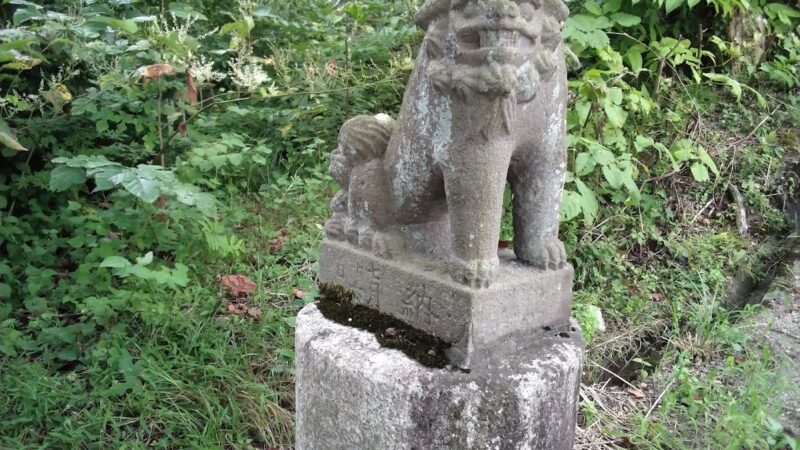
Complete Guide to Shinmei Shrine (Mukohira, Towada Suehiro, Kazuno City, Akita Prefecture) | History, Access, and Highlights Explained in Detail
Shinmei Shrine, located in Mukohira, Towada Suehiro, Kazuno City, Akita Prefecture, is a village shrine that has been cherished by local residents for centuries. This article provides detailed information useful for those considering a visit, from basic information about Shinmei Shrine to its historical background, highlights within the grounds, and access methods.
Basic Information about Shinmei Shrine
Shinmei Shrine is a shrine located in the Towada Suehiro area of Kazuno City, Akita Prefecture. Its official address is 106 Mukohira, Towada Suehiro, Kazuno City, Akita Prefecture. Its postal code is 〒018-5337, and it is officially registered as a religious corporation.
Corporate Information
Shinmei Shrine is registered as a religious corporation with corporate number 3410005003391. This corporate number can be confirmed on the National Tax Agency’s corporate number publication site, confirming its status as an official religious corporation. It is also listed in the Akita Prefecture religious corporation register, recognizing it as an official local shrine.
Location Details
The Shinmei Shrine is located in “Towada Suehiro Aza Mukai-daira,” a district in the northern part of Kazuno City. This area is sometimes written as “Mukai-daira,” and is a place where ancient settlements have formed. The surrounding area is blessed with a rich natural environment and is located near the border between Akita and Aomori Prefectures.
History and Origins of Shinmei Shrine
Shinmei Shrine has served as a village shrine, playing the role of the local guardian deity. The name “Shinmei Shrine” is commonly found in shrines that enshrine Amaterasu Omikami, the deity of Ise Grand Shrine. Shinmei Shrines and Shinmei-jinja shrines exist throughout Japan, each playing an important role as a center of local faith.
Construction of the Grand Torii Gate during the Bunsei Era
A crucial element in understanding the history of Shinmei Shrine is the grand torii gate erected in August of Bunsei 13 (1830). This gate, built in the late Edo period, is a valuable cultural asset that speaks to the deep faith of the villagers at the time. Although it was relocated in Heisei 1 (1989), it remains preserved as an important structure demonstrating the historical value of Shinmei Shrine.
Transformations as a Village Shrine
Shinmei Shrine has undergone numerous transformations as a village shrine. During the Meiji era’s reform of the shrine system, shrines were classified according to their rank, and Shinmei Shrine was positioned as a village shrine. Village shrines are central to the village community and function as the core of the religious life of the local residents. Following the enactment of the Religious Corporations Act after World War II, it established its current form as a religious corporation.
Deities and Beliefs
Based on the shrine’s name, Shinmei-sha, the principal deity is believed to be Amaterasu Omikami. Amaterasu Omikami is the supreme deity in Japanese mythology, widely worshipped as the ancestral deity of the Imperial Family and the tutelary deity of all Japanese people.
Divine Virtues of Amaterasu Omikami
Amaterasu Omikami possesses the characteristics of a sun goddess and is believed to have the following divine virtues:
- National Peace and Abundant Harvest: Prosperity of industries, primarily agriculture
- Good Fortune and Prosperity: Bringing all kinds of happiness
- Protection from Misfortune and Disaster: Protection from calamities
- Family Safety: Protecting the peace and safety of the home
It is presumed that during times when agriculture flourished in the region, various rituals, such as prayers for bountiful harvests and thanksgiving festivals, were performed throughout the year.
Highlights of the Shrine Grounds
The Parent Cedar of Fudo Myoo Shinmei Shrine
Within the grounds of Shinmei Shrine stands a giant tree known as the “Parent Cedar of Fudo Myoo Shinmei Shrine“. This cedar tree is a designated cultural property of Kazuno City and is carefully protected as a local natural heritage site.
The Parent Cedar is a giant tree estimated to be several hundred years old, a living witness that has watched over the long history of Shinmei Shrine. Its trunk circumference reaches several meters, and its majestic appearance leaves a deep impression on visitors. It has been revered as a sacred tree since ancient times and has been affectionately known as “Oyasugi-sama” (Parent Cedar) by local residents.
Atmosphere of the Shrine Grounds
The grounds of Shinmei Shrine are a tranquil space surrounded by nature. As you proceed along the path surrounded by cedar trees, the historically significant shrine buildings come into view. The grounds are carefully maintained by local residents, and a refreshing atmosphere permeates the area.
Access Methods
Access by Car
Access to Shinmei Shrine is convenient by car.
Route from Major Roads:
- Approximately 20 minutes from the Kazuno-Hachimantai Interchange on the Tohoku Expressway
- Via National Route 103 towards Towada-Suehiro
- Approximately 15-20 minutes by car from the center of Kazuno City
Regarding parking, there may be spaces for visitors around the shrine grounds, but it is recommended to check in advance.
Access by Public Transportation
When using public transportation:
- The nearest station is JR Hanawa Line “Kazuno-Hanawa Station”
- From the station, take a bus or taxi
- Bus services to Towada-Suehiro are limited, so it is necessary to check the timetable in advance.
Due to the characteristics of the area, visiting by car is the most convenient option.
Nearby Tourist Attractions
Lake Towada
Lake Towada, one of Japan’s most representative scenic spots, is located approximately 30-40 minutes by car from Shinmei Shrine. Lake Towada, known as a caldera lake, is a popular tourist destination where you can enjoy beautiful scenery throughout the seasons. Visiting it in conjunction with a visit to Shinmei Shrine will make for a more fulfilling sightseeing experience.
Oyu Stone Circle
The Oyu Stone Circle (Oyu Stone Circle), a representative historical site of Kazuno City, is designated as a National Special Historic Site as a late Jomon period archaeological site. Located about 20 minutes by car from Shinmei Shrine, it allows visitors to explore while contrasting ancient and modern beliefs.
Kazuno Hot Springs
There are many hot spring resorts around Kazuno City:
- Oyu Onsen: A historic hot spring town
- Yuse Onsen: A quiet hot spring resort along a mountain stream
- Goshogake Onsen: A hidden hot spring in Hachimantai
It is also recommended to relax and soothe your fatigue in a hot spring after visiting the shrine.
Kazuno City’s Shrine Culture
Besides Shinmei Shrine, many other shrines are scattered throughout Kazuno City. This region has a long history of deep religious faith, with each settlement having its own guardian shrine.
Major Shrines of Kazuno City
- Dainichireiki Shrine: The main guardian shrine of Kazuno City
- Kouinari Shrine: The god of business prosperity
- Hachiman Shrines and Inari Shrines in Each District: Guardian deities of the region
Visiting these shrines on a “shrine pilgrimage” is a great way to gain a deeper understanding of Kazuno City’s culture.
Etiquette and Manners for Worship
We will introduce the basic etiquette for visiting Shinmei Shrine.
Procedure for Worship
- Bow before passing through the torii gate: A courtesy before entering the sacred area.
- Purify yourself at the water basin: If there is a water basin, purify your hands and mouth.
- Avoid walking in the center of the path: The center is the path of the gods.
- Worship in front of the main hall: Two bows, two claps, and one bow is the basic procedure.
- Bow again upon leaving: Turn around and bow when leaving the torii gate.
Mindset when Worshiping
- Worship quietly and with reverence.
- Keep the shrine grounds clean (take your trash with you).
- Take photographs only within permitted areas.
- Respect that this is a place of worship for the local community.
Annual Events and Festivals
It is believed that Shinmei Shrine holds annual events based on local beliefs. The main festivals of a typical Shinto shrine include the following:
Main Festivals (General Examples)
- Annual Grand Festival: The most important festival held once a year (often in autumn)
- New Year’s Day Festival: A festival to welcome the New Year
- Spring Festival: A prayer for a bountiful harvest
- Autumn Festival: A celebration of gratitude for the harvest
Specific festival dates are determined by local customs and the local community organization. If you are planning a visit and wish to participate in a festival, it is recommended that you check local information beforehand.
The Role of Shinto Shrines in the Community
Shinmei shrines are not merely religious institutions; they have also played a central role in the local community.
Community Hubs
- Community Unity Through Festivals: Annual events provide opportunities for residents to gather
- Inheritance of Traditional Culture: Transmission of culture through festivals and Shinto rituals
- Spiritual Support: A source of emotional support in difficult times
Even in rural areas experiencing depopulation, shrines continue to function as important entities for maintaining the identity of the community. ## The Significance of Visiting Shinmei Shrine
In modern times, visiting a shrine has significance that goes beyond mere sightseeing.
Spiritual Value
- Inner Tranquility: Introspection in a quiet space away from daily life
- Harmony with Nature: Healing through contact with the nature within the shrine grounds
- Dialogue with History: Experiencing history by being in a place of worship that has continued for hundreds of years
- Understanding Local Culture: An opportunity to learn about the culture and history of the land
Value as a Tourist Attraction
Visiting shrines in Kazuno City, including Shinmei Shrine, offers value as a “quiet tourist experience” and “cultural tourism” that differs from major tourist destinations. Its appeal lies in avoiding crowds and slowly experiencing the history and culture of the region.
Points to Note When Visiting Shinmei Shrine
Season and Clothing
Kazuno City, Akita Prefecture, is an area with heavy snowfall in winter:
- Winter (December-March): Due to snow, warm clothing and non-slip shoes are essential.
- Spring (April-May): There may still be snow, so checking the weather is important.
- Summer (June-August): Relatively pleasant, but insect repellent is recommended.
- Autumn (September-November): A beautiful time for autumn foliage; mornings and evenings are chilly.
Things to Check Before Visiting
- Visiting Hours: Visiting during the daytime is generally recommended.
- Road Conditions: Be careful of snow and ice in winter.
- Contact Information: Note down the contact information for Kazuno City Hall and the Tourist Association for emergencies.
History and Cultural Background of Kazuno City
Kazuno City, where Shinmei Shrine is located, is situated in the northeastern part of Akita Prefecture, bordering Aomori and Iwate Prefectures.
History of Kazuno
- Ancient Times: People have lived here since the Jomon period (e.g., the Oyu Stone Circles)
- Medieval Times: Under the rule of the Nanbu clan
- Early Modern Times: Developed as part of the Morioka Domain
- Modern Times and Beyond: Prospered through mining, agriculture, and forestry
Cultural Characteristics
Kazuno City boasts a rich tradition of performing arts, including “Hanawa Bayashi,” and has formed its own unique cultural sphere. Shinmei Shrine has also been an integral part of this regional culture, closely intertwined with the lives of its residents.
Shinmei Shrine and the Future of the Region
Amidst depopulation and an aging population, maintaining local shrines is a major challenge. However, local guardian shrines like Shinmei Shrine are also finding new value in the following ways:
New Possibilities
- Value as a Cultural Property: Protection of historical buildings and ancient trees
- Utilization as a Tourism Resource: A base for quiet tourism and cultural tourism
- Core of Regional Identity: A symbol of the region’s history and culture
- Environmental Conservation: Protection of the natural environment as a guardian forest
It is important for not only local residents but also visitors to rediscover the value of Shinmei Shrine and pass it on to future generations.
Summary
Shinmei Shrine, located at 106 Mukaihira, Towada Suehiro, Kazuno City, Akita Prefecture, is a local guardian shrine with a long history. It possesses historically valuable cultural assets, such as the large torii gate built in 1820 (Bunsei 13) and the cedar tree designated as a city cultural property, and has been carefully preserved to this day as the center of faith for local residents.
As a religious corporation officially registered with corporate number 3410005003391, and as a spiritual pillar of the local community, Shinmei Shrine continues to play a vital role. Visiting it in conjunction with nearby tourist attractions such as Lake Towada and the Oyu Stone Circles allows you to deeply experience the rich nature, history, and culture of Kazuno City.
Contemplating history in the tranquil grounds, feeling the vitality of the ancient trees, and paying respects to the local faith—a visit to Shinmei Shrine will be a precious time away from the hustle and bustle of modern life. When you visit Kazuno City, please be sure to visit Shinmei Shrine.
Frequently Asked Questions (FAQ)
What is the exact address and postal code of Shinmei Shrine?
Shinmei Shrine is located at “106 Mukaihira, Towada Suehiro, Kazuno City, Akita Prefecture,” and its postal code is “〒018-5337.” Its corporate number is “3410005003391,” and it is officially registered as a religious corporation.
How do I access Shinmei Shrine? The shrine is easily accessible by car. It’s approximately 20 minutes from the Kazuno-Hachimantai Interchange on the Tohoku Expressway, and about 15-20 minutes from the center of Kazuno City. If using public transportation, you can take a bus or taxi from Kazuno-Hanawa Station on the JR Hanawa Line, but since the number of services is limited, we recommend visiting by car.
Who is the deity enshrined at Shinmei Shrine?
Based on the name Shinmei Shrine, the main deity is believed to be Amaterasu Omikami. Amaterasu Omikami is the supreme deity in Japanese mythology and is believed to bestow divine blessings such as national peace and security, abundant harvests, good fortune, and protection from evil.
Are there any cultural properties on the shrine grounds?
There is a large tree on the shrine grounds called the “Fudo Myoo Shinmei Shrine’s Parent Cedar,” which is a designated cultural property of Kazuno City. Furthermore, the large torii gate, erected in August 1830 (relocated in 1989), is also known as a structure of historical value.
When is the best time to visit?
Spring to autumn (April to November) is the best time to visit. Autumn, in particular, offers beautiful autumn foliage and pleasant weather. Winter (December to March) sees heavy snowfall, so warm clothing and non-slip shoes are essential. We recommend checking the weather and road conditions before your visit.
What are some tourist attractions near Shinmei Shrine?
Lake Towada is a 30-40 minute drive away, and the Oyu Stone Circle (a national special historic site) is about a 20 minute drive away. Hot spring resorts such as Oyu Onsen and Yuse Onsen are also nearby, allowing you to enjoy sightseeing in the surrounding area in conjunction with your visit.
Is there parking available?
There may be parking spaces for visitors around the shrine grounds, but we recommend checking details in advance. As it is a local shrine, large parking lots are not always available. ### Can I get a Goshuin (temple/shrine stamp)?
Regarding the issuance of Goshuin at Shinmei Shrine, there may not be a resident Shinto priest. If you wish to receive a Goshuin, we recommend checking in advance with shrine officials or the tourist association in Kazuno City.