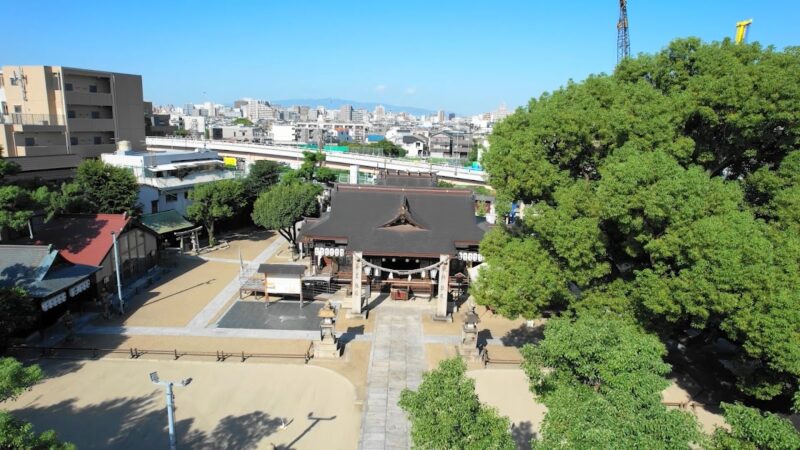
About Shitennoji Temple
Shitennoji Temple is the first official Buddhist temple in Japan, founded in 593 (the first year of Empress Suiko’s reign) by Prince Shotoku. It is said that Prince Shotoku, after his victory against Mononobe no Moriya, built it to enshrine the Four Heavenly Kings (Jikokuten, Zochoten, Komokuten, and Tamonten).
Although it has been destroyed by numerous wars and disasters, it has been rebuilt each time, preserving the original “Shitennoji-style temple layout” (the oldest architectural style in Japan, where the main gate, five-story pagoda, main hall, and lecture hall are aligned in a straight line from south to north) for over 1400 years.
Main Highlights
Five-Story Pagoda
The five-story pagoda, approximately 39 meters tall, is a symbol of Shitennoji Temple. Visitors can climb to the top floor (for a fee) and enjoy a panoramic view of Osaka city. Each level houses Buddhist relics and statues, creating a precious space where one can experience the Buddhist worldview.
Central Temple Complex (Golden Hall and Lecture Hall)
The Golden Hall enshrines the principal image, the statue of the Bodhisattva of Compassion, while the Lecture Hall houses the Eleven-Faced Bodhisattva and the Amida Buddha. The complex is surrounded by corridors, preserving the atmosphere of ancient temple architecture.
Rokuji-do Hall (Rokuji Praise Hall)
The Rokuji-do Hall, where various hymns are recited at six times a day and night, is a place where important Buddhist ceremonies are held. The “Daishi-e” ceremony is held on the 21st and 22nd of each month, and the “Higan-e” ceremony is held in spring and autumn, attracting many worshippers.
Stone Stage and Turtle Pond (Garden of the Pure Land)
Within the temple grounds, in the Garden of the Pure Land, stands the “Stone Stage,” one of Japan’s three most famous stages. Gagaku (ancient Japanese court music) is performed there during the Seiryokai (a Buddhist memorial service) on April 22nd. Adjacent to it is the Turtle Pond, home to numerous turtles and serving as a place of relaxation for visitors. Turtles are cherished as symbols of longevity.
Points to Note When Visiting
Recommended Visiting Route
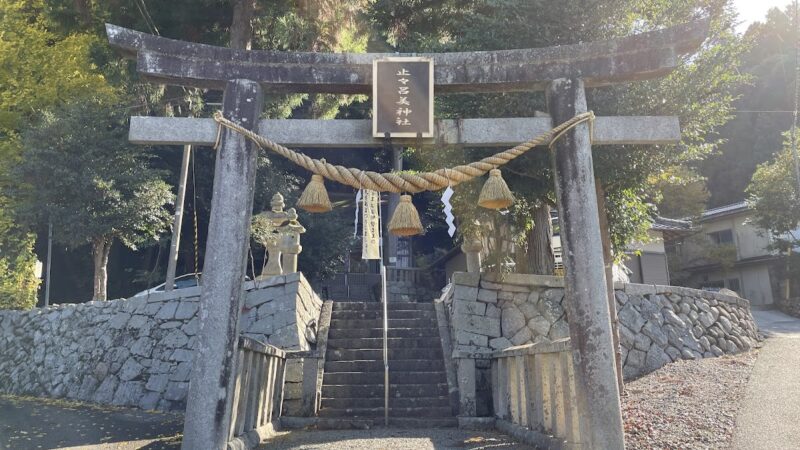
- Enter through the West Gate (Gokuraku Gate) and photograph the torii gate against the sunset.
- Visit the Five-Storied Pagoda and Main Hall in the Central Temple Complex (admission fee: 300 yen).
- Participate in a sutra copying experience or Buddhist service at the Rokujido Hall.
- Stroll around the Turtle Pond and visit the Stone Stage.
- Enjoy seasonal flowers in the Main Temple Garden (Garden of the Pure Land).
Annual Events
- January 14th Doyadoya (Completion of the Shusho-e Ceremony)
- April 22nd Shoryo-e (Bugaku Buddhist service)
- 21st and 22nd of Every Month Daishi-e (Festival of Kobo Daishi and Prince Shotoku; stalls line the temple grounds)
- Spring and Autumn Equinox Ceremony Buddhist service praying for rebirth in paradise
Visiting Hours and Fees
- Free Stroll Through the Temple Grounds: Free (24 hours)
- Viewing the Central Temple Complex: 8:30-16:00 (until 16:30 from October to March), 300 yen for adults
- Climbing the Five-Storied Pagoda: Included in the Central Temple Complex viewing fee
- Treasure Hall: Irregular opening hours, separate fee
Benefits
Shitennoji Temple is known as a temple for fulfilling all wishes, and is especially believed to offer the following benefits:
- Protection from Evil and Disaster: The Four Heavenly Kings protect the four directions
- Family Safety and Business Prosperity: Due to the belief in Prince Shotoku
- Healing from Illness: Due to the belief in Yakushi Nyorai (Medicine Buddha)
- Rebirth in Paradise: Due to the strong belief in the Western Pure Land
The temple is especially lively on the 21st and 22nd of each month, when visitors come to purchase amulets and temple stamps.
Access
Access by Train
- 5-minute walk south from Exit 4 of Shitennoji-mae Yuhigaoka Station on the Osaka Metro Tanimachi Line (closest station)
- 12-minute walk north from the North Exit of Tennoji Station on the JR Loop Line
- 14-minute walk north from Abenobashi Station on the Kintetsu Minami-Osaka Line
- 12-minute walk north from Tennoji Station on the Osaka Metro Midosuji Line and Tanimachi Line
Access by Car
Approximately 5 minutes from the Yuhigaoka Exit of the Hanshin Expressway Route 14 Matsubara Line. Paid parking is available on the temple grounds (200 yen for 30 minutes for regular cars). However, it can get crowded during festivals and events, so using public transportation is recommended.
Surrounding Area Information
The area around Shitennoji Temple is dotted with historical sites such as Isshinji Temple (famous for its ossuary Buddha), Yasui Shrine (the site of Sanada Yukimura’s death), and Chausuyama (the stage of the Winter and Summer Sieges of Osaka). Tennoji Zoo and Abeno Harukas are also within walking distance, making it a convenient location for combining sightseeing itineraries.