Complete Guide to Shomanji Temple (Kyoto Prefecture) | Detailed Explanation of History, Access, and Visiting Information
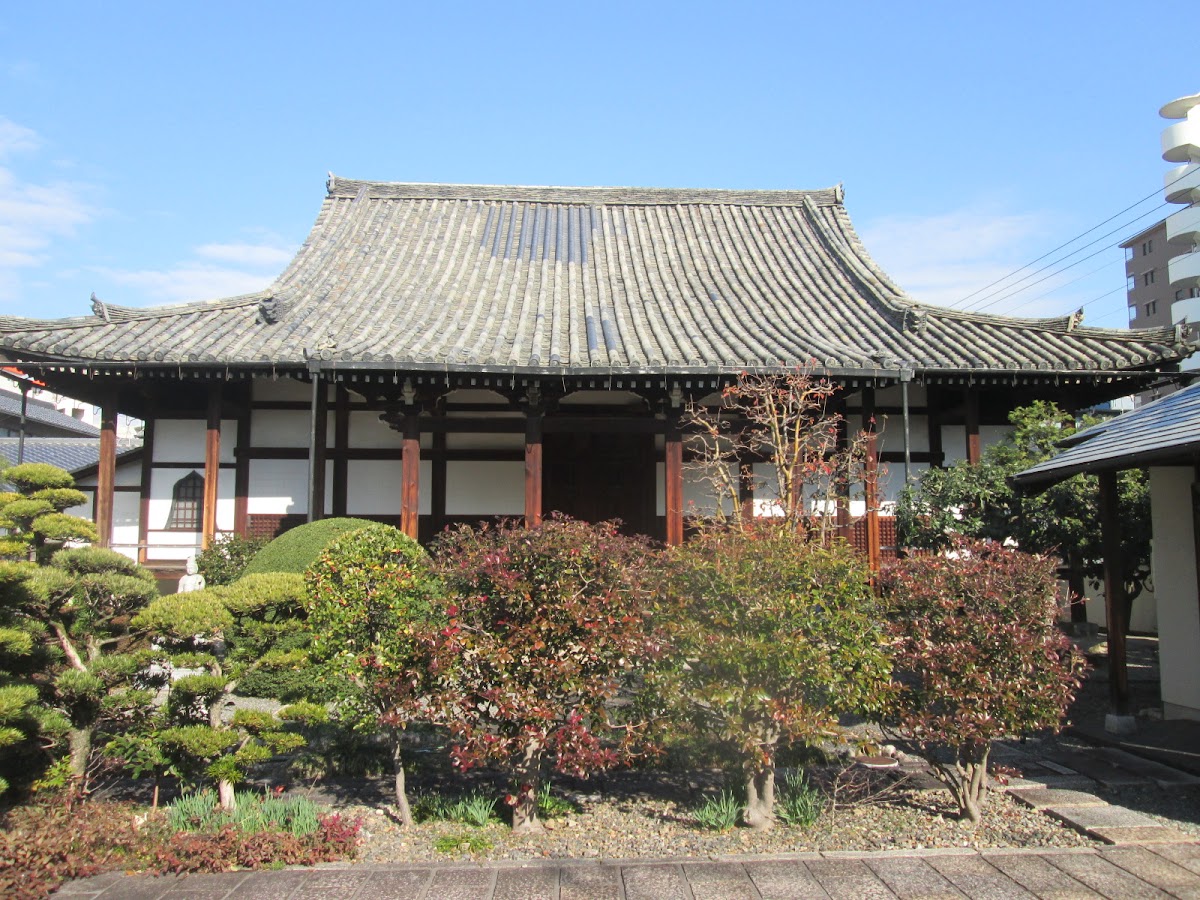
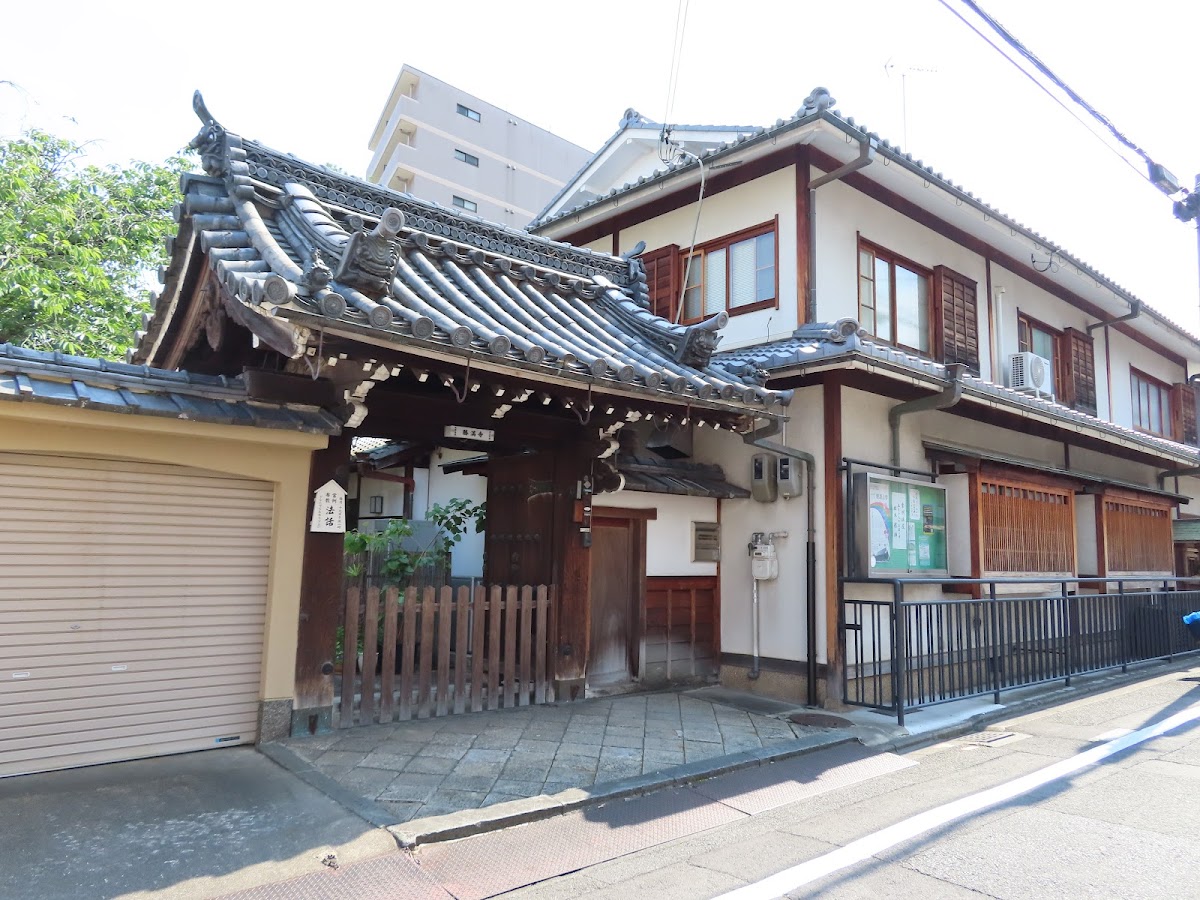
Shomanji Temple, located at Gojoji-dori Senbon Higashi-iri in Kamigyo-ku, Kyoto City, is a historic temple belonging to the Jodo Shinshu Honganji sect. This article comprehensively introduces information you should know before visiting Shomanji Temple, from basic information and history to how to visit and surrounding area information.
Basic Information about Shomanji Temple
Location and Access
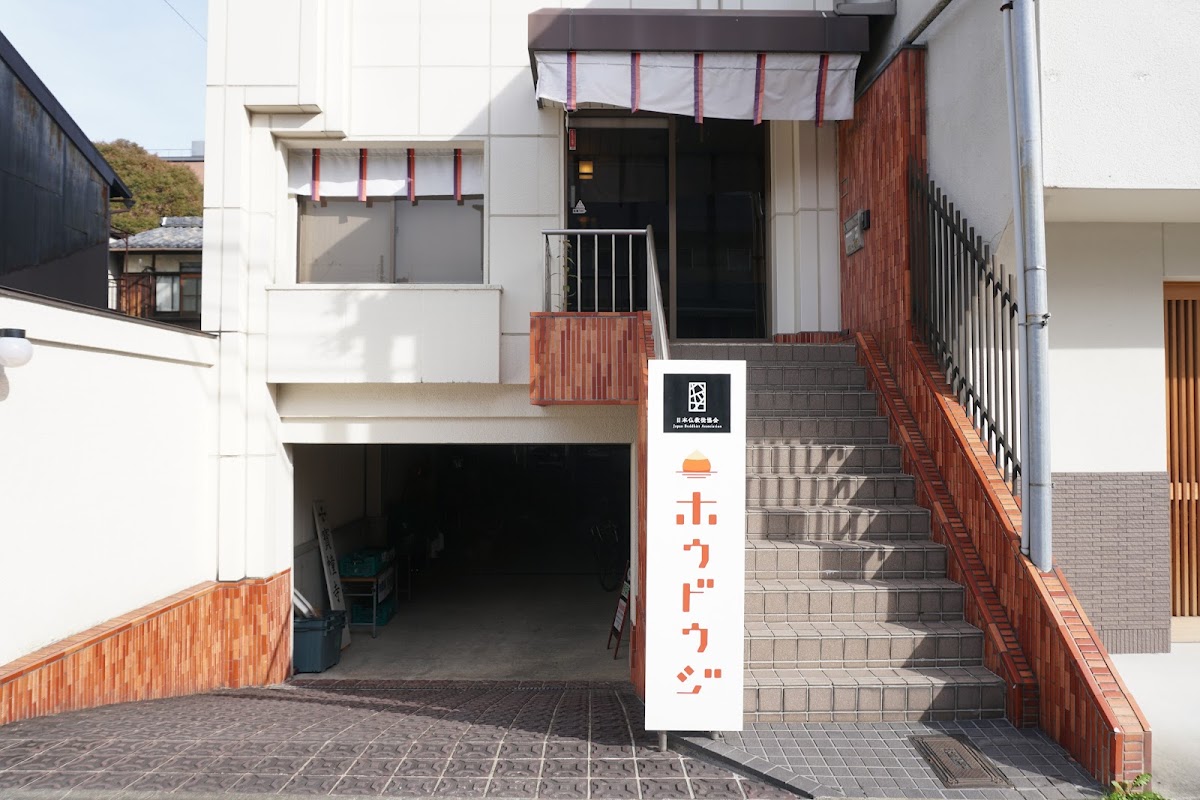
Shomanji Temple is located at 68 Nishi-Gojoji Higashi-machi, Kamigyo-ku, Kyoto City. It is situated slightly northwest of central Kyoto, nestled in a quiet residential area.
Address: 68 Nishi-Gojoji Higashi-machi, Senbon-Higashi-iru, Gojoji-dori, Kamigyo-ku, Kyoto City, Kyoto Prefecture
Access from Nearest Station:
- Approximately 15-16 minutes on foot (approx. 1.2 km) from Kitano-Hakubaicho Station on the Keifuku Electric Railway Kitano Line
- Approximately 1.3 km from Imadegawa Station on the Kyoto Municipal Subway Karasuma Line
- Also accessible by Kyoto City Bus; within walking distance of bus stops along Senbon-dori and Gojoji-dori.
The area surrounding the temple retains the traditional Kyoto streetscape, and famous temples and shrines such as Kitano Tenmangu Shrine and Senbon Shakado Temple are relatively close.
Sect and Principal Image
Shomanji Temple belongs to the Jodo Shinshu Honganji-ha (Nishi Honganji-ha) sect. Jodo Shinshu is a major sect of Japanese Buddhism, founded by the Kamakura period monk Shinran Shonin, and centers on teachings of salvation through the vow of Amida Buddha.
Principal Deity: Amida Buddha
Amida Buddha, also known as the Buddha of Immeasurable Life and the Buddha of Immeasurable Light, is the principal deity of the Western Pure Land, saving all sentient beings. In Jodo Shinshu Buddhism, it is taught that by chanting “Namu Amida Butsu,” one can attain rebirth in the Pure Land through Amida Buddha’s vow.
Chief Priest and Temple Management
The current chief priest is Reverend Sadayuki Unno. He works with local parishioners to protect the temple and continue his activities to spread Buddhist teachings.
About the Jodo Shinshu Honganji School
History and Teachings of Jodo Shinshu
Understanding the Jodo Shinshu Honganji School is important for a deeper understanding of Shomanji Temple. Jodo Shinshu is a sect founded by Shinran Shonin (1173-1263), and its doctrines further develop the teachings of Honen Shonin’s Jodo Shu.
After the death of Shinran Shonin, his teachings were spread by his disciples, and eventually a religious organization centered around Honganji Temple was formed. During the Sengoku period (Warring States period), it developed dramatically under Rennyo Shonin, and today it is one of the largest Buddhist organizations in Japan.
Characteristics of the Honganji School
The Jodo Shinshu Honganji School has its head temple at Nishi Honganji (Ryukokuzan Honganji) in Kyoto and has the following characteristics:
- Teaching of Other-Power Reliance: Believing in salvation through the vow of Amida Buddha, rather than through self-effort.
- Centered on Nembutsu: The most important practice is chanting “Namu Amida Butsu.”
- Lay Buddhism: Monks are permitted to marry, and the teachings are tailored to the lives of ordinary believers.
- Gratitude and Appreciation: Emphasizing the importance of chanting the Nembutsu in gratitude for being saved.
Katsumanji Temple also transmits Buddhist teachings to the local community based on these teachings.
History of Shomanji Temple
Origins of the Temple
There are several temples named Shomanji throughout Japan. While the specific founding date and history of Kyoto’s Shomanji Temple are believed to be long and rooted in the local community, detailed records are limited.
Kamigyo Ward in Kyoto City is a historical area dating back to the Heian period, and many temples were built there from the medieval to the early modern period. Shomanji Temple is one of the temples that has walked hand in hand with the history of this region.
Connection with the Community
Kamigyo Ward is located northwest of the Kyoto Imperial Palace and was once an area lined with the residences of court nobles and samurai. During the Edo period, townspeople culture flourished, and many temples served as spiritual pillars of the community under the danka system (parishioner system).
Shomanji Temple has also contributed to the local community as a place of worship for local people, through funerals, memorial services, and ancestral worship. It continues its community-based temple activities to this day.
About Visiting and Worshiping
Etiquette for Worshiping
This section introduces basic etiquette for visiting a Jodo Shinshu temple.
- Bow at the Temple Gate: When entering the temple, bow at the temple gate before entering the grounds.
- Worship at the Main Hall: Join your hands in prayer in front of the main hall and silently recite “Namu Amida Butsu” (Homage to Amida Buddha).
- Incense Offering: When participating in a memorial service, in Jodo Shinshu, incense is offered once, without touching the incense to the forehead.
- How to Hold Prayer Beads: Jodo Shinshu has a unique way of holding prayer beads, but for general worship, the usual way of holding them is acceptable.
Regular Dharma Talks
Katsumanji Temple holds regular Dharma talks every 19th of the month at 2 PM. This is a gathering where you can listen to Dharma talks about Buddhist teachings by the head priest or invited Dharma teachers, and is often open to non-believers as well.
Dharma talks are a valuable opportunity to learn about Buddhist teachings firsthand, and to gain insights from a Buddhist perspective regarding everyday worries and questions. If you wish to participate, we recommend contacting the temple in advance.
Points to Note When Visiting
- Katsumanji Temple is not a tourist temple, but a place of local faith. Please visit quietly and respectfully.
- It is advisable to obtain permission in advance before taking photographs on the temple grounds.
- There may be times when general visitors are discouraged during memorial services and events.
- We recommend checking in advance about the availability of parking.
Buddhist Services Offered at Katsumanji Temple
Funerals and Memorial Services
Katsumanji Temple conducts funerals and memorial services for parishioners and those with ties to the temple. A Jodo Shinshu funeral is a ceremony to send the deceased to Amida Buddha, and has the following characteristics:
- Attaining Buddhahood Immediately Upon Rebirth: In Jodo Shinshu, it is believed that those whose rebirth in the Pure Land is assured through chanting the Buddha’s name attain Buddhahood at the moment of death.
- The Significance of the Funeral: Rather than praying for the deceased’s attainment of Buddhahood, it is a time for those left behind to express gratitude for the Buddha’s grace and reaffirm the teachings of chanting the Buddha’s name.
- No Purification Salt Used: In Jodo Shinshu, death is not considered impure, so purification salt is not used.
Perpetual Memorial Service and Interment
In modern times, the number of people who wish for perpetual memorial services is increasing due to reasons such as having no successor to the family grave or living far away. For information regarding perpetual memorial services at Shomanji Temple, please contact the temple directly.
Memorial Services
In Jodo Shinshu Buddhism, the following memorial services are held:
- Intermediate memorial services from the seventh day to the forty-ninth day after death
- First, third, seventh, and thirteenth anniversaries
- Seventeenth, twenty-fifth, thirty-third, and fiftieth anniversaries
Memorial services are considered important opportunities to remember the deceased and to engage with Buddhist teachings.
Nearby Attractions
Kitano Tenmangu Shrine
Within walking distance of Shomanji Temple is Kitano Tenmangu Shrine, dedicated to Sugawara no Michizane, the god of learning. Known for its plum blossoms, it attracts many visitors on the 25th of each month.
Senbon Shakado (Daihoonji Temple)
Senbon Shakado Temple, which boasts the oldest wooden building in Kyoto, is also nearby. Known for the “Okame Legend,” its daikon stew in December is a winter tradition.
Kamishichiken
Kamishichiken, Kyoto’s oldest geisha district, is within walking distance. You can enjoy a stroll through its charming streets.
Kyoto Imperial Palace and Kyoto Gyoen National Garden
To the east lies the vast Kyoto Gyoen National Garden and the Kyoto Imperial Palace. It’s a place to enjoy historical walks and nature.
Kyoto’s Temple Culture and Shomanji Temple
Jodo Shinshu Buddhism in Kyoto
Kyoto is the birthplace of Jodo Shinshu Buddhism, and is home to the two major head temples, Higashi Honganji and Nishi Honganji. Many Shinshu temples exist within the city, occupying an important position in Kyoto’s Buddhist culture.
Shomanji Temple also plays a part in this rich Shinshu culture, continuing its activities rooted in the local community.
Temples and Local Communities
In modern society, the role of temples is changing. An increasing number of temples are shifting from temple management based on the former danka system to more open temple activities.
Shōmanji Temple, a community-oriented temple, fulfills the following roles:
- Spiritual refuge: A place of support during life’s milestones and times of sorrow
- Transmission of Buddhist culture: The continuation of Buddhist rituals through funerals and memorial services
- Place of learning: The transmission of Buddhist teachings through Dharma talks and other events
- Community bonds: The formation of a local community through temple events
Contact Shōmanji Temple
Contact Information
For specific inquiries regarding Shōmanji Temple (requests for memorial services, questions about visiting, participation in events, etc.), please contact the temple directly.
Address: 68 Nishigotsuji Higashimachi, Kamigyo-ku, Kyoto City, Kyoto Prefecture 602-8478
For detailed contact information such as telephone numbers, please check internet searches or local temple directories.
Preparations for Your Visit
- Attire: Especially when attending a formal visit or memorial service, subdued attire is preferable.
- Offerings: When visiting for the first time or attending a memorial service, you may want to bring an offering.
- Reservations: If you wish to meet with the head priest or request a special visit, prior contact is necessary.
- Manners: Visit quietly and respectfully, and be considerate of other visitors.
About Temples with the Same Name as Shomanji
There are several temples named “Shomanji” in areas other than Kyoto. The main ones are as follows:
- Shomanji (Minoh City, Osaka Prefecture): Also a Jodo Shinshu temple.
- Shomanji (Takeo City, Saga Prefecture): A Jodo Shinshu Honganji-ha temple.
- Shomanji (Oyabe City, Toyama Prefecture): A Jodo Shinshu Honganji-ha temple, known for its vast temple-owned forest.
These are separate temples, so it is important to confirm their location before visiting or making inquiries. This article introduces Shōmanji Temple in Kamigyo-ku, Kyoto City, Kyoto Prefecture.
Summary
Shōmanji Temple is a Jōdo Shinshū Honganji-ha temple located in Kamigyo-ku, Kyoto City. It enshrines Amida Buddha as its principal deity and attracts the faith of local residents. It continues its activities of spreading Buddhist teachings through regular Dharma talks held on the 19th of each month, as well as funerals and memorial services.
Located approximately 15 minutes on foot from Kitano-Hakubaicho Station, it is situated in an area where many of Kyoto’s historical temples and shrines, such as Kitano Tenmangu Shrine and Senbon Shakadō Temple, are concentrated. While not a tourist temple, it is a place where those who wish to experience the teachings of Jōdo Shinshū Buddhism and those seeking quiet worship can feel close to Kyoto’s temple culture.
If you wish to visit or participate in a Dharma talk, it is recommended to contact the temple in advance. As a temple deeply rooted in the community, it will undoubtedly continue to be a spiritual haven for many people.
Shōmanji Temple walks hand in hand with the Jōdo Shinshū chant of “Namu Amida Butsu.” Its history and traditions offer valuable lessons for us living in the modern age. When you visit Kyoto, why not take a look around these local temples?