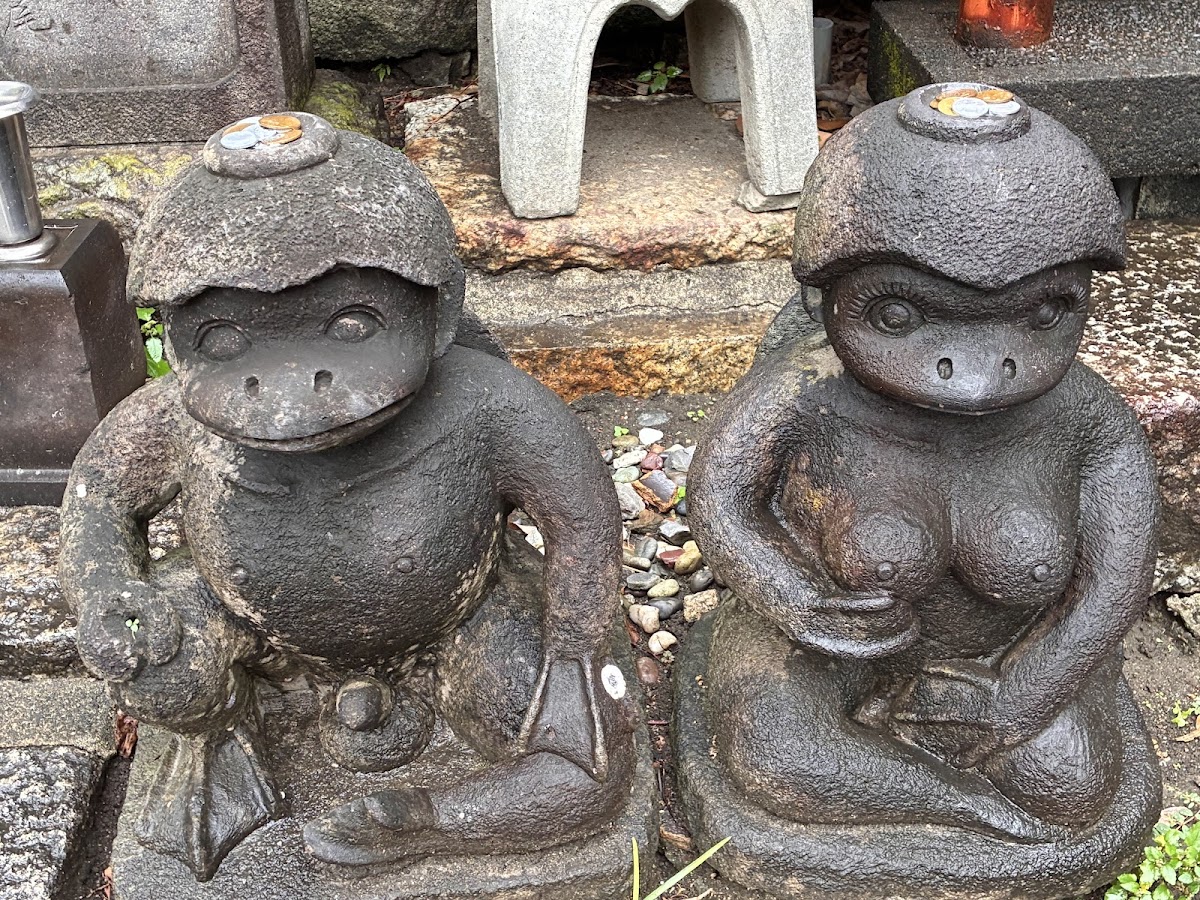
Complete Guide to Shusse Inari Shrine (Nihonbashi Horidomecho, Chuo-ku, Tokyo) | History, Goshuin (Shrine Seal), and Access Information
Shusse Inari Shrine, located in Nihonbashi Horidomecho, Chuo-ku, Tokyo, is a historic shrine with a history dating back to the Edo period. Legend says that the first Ichikawa Danjuro visited the shrine daily and rose to fame there, hence its name “Shusse Inari” (Shrine of Success). Even today, it attracts people in the entertainment industry and those praying for career advancement. This article provides a detailed overview of Shusse Inari Shrine, including its history, enshrined deities, goshuin (shrine seal), access methods, and its relationship to surrounding Inari shrines.
Basic Information on Shusse Inari Shrine
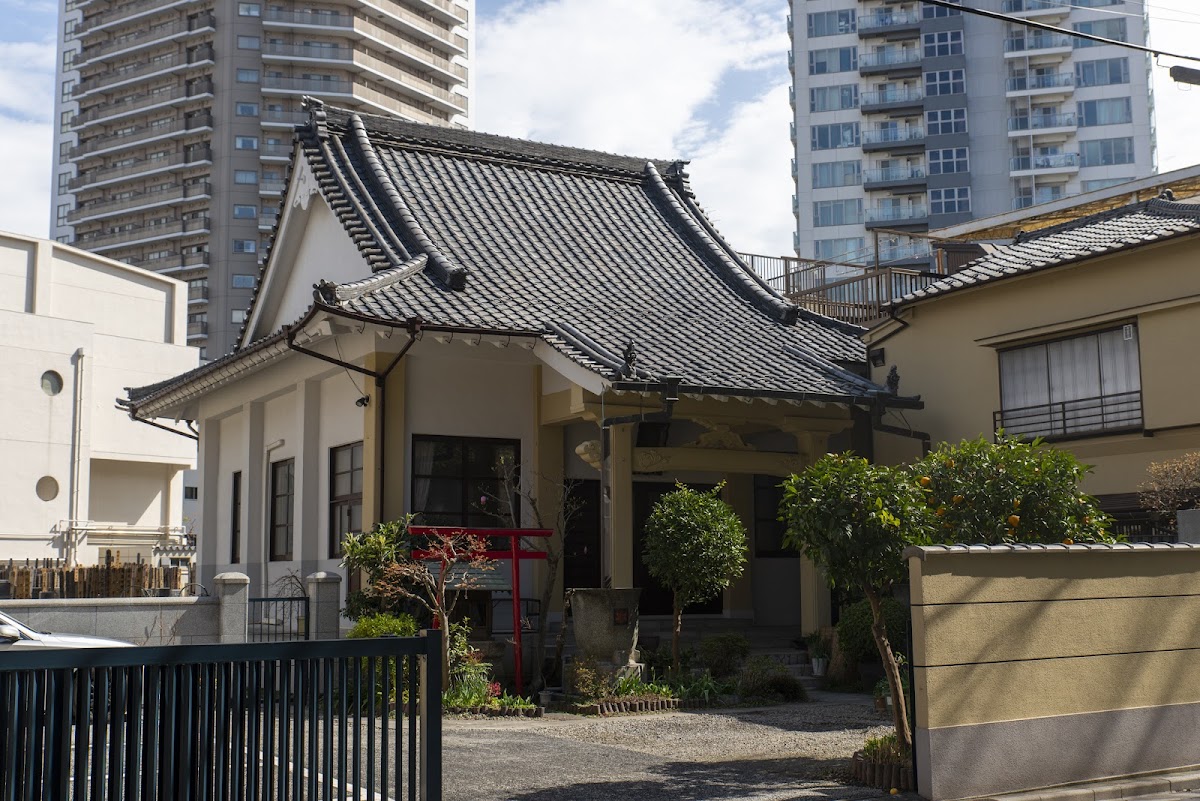
Shusse Inari Shrine is an Inari shrine located at 1-6-11 Nihonbashi Horidomecho, Chuo-ku, Tokyo. Currently situated within the grounds of an apartment building, it’s somewhat set back from the street, making it difficult to find for first-time visitors. It’s enshrined behind a building along the street east of Horidome Children’s Park.
Basic Shrine Data
- Official Name: Shusse Inari Shrine
- Alternative Name: Since it is enshrined together with Iwashiro Inari Shrine, it is sometimes referred to by both names.
- Deity Enshrined: Ukanomitama-no-kami
- Location: 1-6-11 Nihonbashi Horidomecho, Chuo-ku, Tokyo
- Shrine Rank: Unranked Shrine
- Founded: Genna 3 (1617)
History and Origins of Shusse Inari Shrine
Circumstances of Founding and Relationship with Moto-Yoshiwara
The founding of Shusse Inari Shrine dates back to Genna 3 (1617). At that time, when this area was developing, Shoji Jin’emon, a ronin of the Hojo family who became the head of the Moto-Yoshiwara pleasure district, and several others had set up temporary residences here. It is said that the shrine originated when they invited the deity from Fushimi Inari in Kyoto and enshrined it as their guardian deity.
The area around Nihonbashi Horidomecho in the early Edo period is known as the site of the former Yoshiwara pleasure quarter. Before the Great Fire of Meireki (1657), the Yoshiwara pleasure quarter was located near the present-day Nihonbashi Ningyocho, and the Shusse Inari Shrine was founded by people associated with this area known as “Moto-Yoshiwara.”
The founders, including Shoji Jin’emon, were called “Oyaji” (old men) and were respected as pioneers of the area. Their receiving the deity from Fushimi Inari in Kyoto indicates that Inari worship was widespread among the common people of Edo.
The Origin of “Shusse Inari” and the First Ichikawa Danjuro
The name of Shusse Inari Shrine is related to the Edo period Kabuki actor, the first Ichikawa Danjuro (1660-1704). The first Ichikawa Danjuro visited this shrine daily and continued to pray devoutly. It is said that after he achieved great fame as a Kabuki actor, this shrine came to be known as “Shusse Inari” (Shrine of Success).
The first Ichikawa Danjuro was a master of the Kabuki world who established the powerful and dynamic acting style known as “aragoto.” His success became a symbol of advancement and success for the common people of Edo, and many people began to visit this shrine praying for similar advancement and success.
Due to this legend, Shusse Inari Shrine is particularly revered by people in the entertainment industry, and even today, it is known for being visited by actors, entertainers, and musicians. Furthermore, it is a shrine visited not only by people in the entertainment industry, but also by business people, students, and many others who pray for advancement and success.
Changes in the Old Place Name and Location during the Edo Period
During the Edo period, the grounds of Shusse Inari Shrine were called “Shinzaimokucho 1678 Inari.” Nihonbashi Horidomecho flourished as a commercial district in Edo, with many timber merchants and wholesalers lining the streets.
After the Great Fire of Meireki, the Yoshiwara pleasure quarter relocated to the Asakusa area (Shin-Yoshiwara), but the Shusse Inari Shrine remained in this location, continuing to attract worshippers as the guardian deity of the area. Throughout the Edo period, Nihonbashi Horidomecho developed as a vibrant town inhabited by many merchants and artisans, and the Inari Shrine was a central part of the local community.
The Great Kanto Earthquake, War Damage, and the Present Day
The Great Kanto Earthquake of 1923 destroyed the main hall of the Shusse Inari Shrine. This earthquake caused immense damage to many shrines and temples in Tokyo, and the Nihonbashi area suffered devastating damage.
After the earthquake, the shrine was rebuilt, but it was destroyed again in the Tokyo air raids of 1945. After the post-war reconstruction period, it was rebuilt in its current form.
The modern Shusse Inari Shrine is situated within the grounds of an apartment building, a configuration unique to urban areas. This is a common sight among many small shrines in Tokyo, and it serves as an interesting example of the coexistence of urban development and traditional faith. Despite its limited space, it is carefully preserved by local residents and worshippers, and the faith has been passed down to this day.
Joint Enshrinement with Iwashiro Inari Shrine
The Iwashiro Inari Shrine is also enshrined within the grounds of Shusse Inari Shrine. Therefore, shrine information boards and documents sometimes list both as “Shusse Inari Shrine (Iwashiro Inari Shrine).”
While detailed information on the history of Iwashiro Inari Shrine is limited, it is believed that an Inari shrine located in the same Nihonbashi Horidomecho area was merged with Shusse Inari Shrine during the reconstruction process following the Great Kanto Earthquake and wartime damage. Many small shrines underwent consolidation and mergers throughout the history of Edo/Tokyo, and Iwashiro Inari Shrine is one such example.
In the current shrine building, the deities of both shrines are enshrined together, allowing worshippers to pay their respects at both shrines simultaneously.
About the Deity: Ukanomitama-no-kami
The deity enshrined at Shusse Inari Shrine is Ukanomitama-no-kami. This deity is a god of grain and food appearing in Japanese mythology, and is worshipped nationwide as the principal deity of Inari shrines.
The Divine Nature and Worship of Ukanomitama-no-kami
In the Kojiki (Records of Ancient Matters), Ukanomitama-no-kami is said to be a god born between Susanoo-no-Mikoto and Kamu-Oichihime. “Uka” means grain, especially rice, and the deity has been widely worshipped as a god of abundant harvests and business prosperity.
In Inari worship, Ukanomitama-no-kami is believed to have foxes as divine messengers, and fox statues can be seen at many Inari shrines. During the Edo period, Inari worship became particularly popular among merchants and craftsmen, attracting the faith of ordinary people praying for business prosperity and family safety.
Benefits at Shusse Inari Shrine
In addition to the basic benefits of Ukanomitama-no-kami, Shusse Inari Shrine is said to offer the following benefits, particularly based on the legend of the first Ichikawa Danjuro:
- Career Advancement: The most representative benefit from which the shrine’s name originates.
- Improvement in Performing Arts: As a shrine associated with Kabuki actors.
- Business Prosperity: The basic benefit of Inari-no-kami.
- Good Fortune and Prosperity: Bringing good fortune to all aspects of life.
- Improvement in Skills and Techniques: Improvement in performing arts and skills.
Goshuin (Shrine Seal) Information
For those planning a visit, we will provide detailed information about the goshuin at Shusse Inari Shrine.
Availability and Method of Obtaining Goshuin
Shusse Inari Shrine is a small shrine with no resident priests, therefore, goshuin are not usually issued. The shrine office is not always open, so prior confirmation is necessary if you wish to obtain a goshuin.
Some sources suggest that Goshuin (temple/shrine stamps) may be issued on specific festival days or during certain events. However, if you want to be sure to receive a Goshuin, it is recommended to check with shrine officials in Chuo Ward or local information beforehand.
Advice for Goshuin Collectors
In addition to Shusse Inari Shrine, many other shrines are located in the Nihonbashi area of Chuo Ward, Tokyo. Those collecting Goshuin are recommended to also visit the following nearby shrines:
- Sugimori Shrine (Nihonbashi Horidomecho): Known as the birthplace of lottery tickets
- Koami Shrine (Nihonbashi Koamicho): Famous as Tokyo’s money-washing Benzaiten
- Suitengu Shrine (Nihonbashi Kakigaracho): A shrine for safe childbirth and fertility
- Chanoki Shrine (Nihonbashi Ningyocho): Worshipped as a god of fire prevention
These shrines offer Goshuin, allowing you to enjoy a shrine tour of the Nihonbashi area.
Access and Nearest Station
Shusse Inari Shrine is easily accessible from central Tokyo via multiple train lines.
Access from the Nearest Station
Access from Ningyocho Station (Nearest)
- Tokyo Metro Hibiya Line Ningyocho Station: Approximately 3 minutes on foot from Exit A2
- Toei Subway Asakusa Line Ningyocho Station: Approximately 3 minutes on foot from Exit A2
Exit Ningyocho Station from Exit A2 and proceed north along Ningyocho Street (towards Kodemmacho). The shrine is located on the left side, a short distance past the Horidome intersection, within the grounds of an apartment building on the east side of Horidome Children’s Park.
Access from Kodemmacho Station
- Tokyo Metro Hibiya Line Kodemmacho Station: Approximately 4 minutes on foot from Exit 1
Proceed south along Ningyocho Street from Kodemmacho Station, past the Horidome intersection, within the grounds of an apartment building on your right.
Access from Bakuroyokoyama Station and Higashi-Nihonbashi Station
- Bakuroyokoyama Station (Toei Shinjuku Line): Approximately 7 minutes on foot
- Higashi-Nihonbashi Station (Toei Asakusa Line): Approximately 7 minutes on foot
While these stations are also within walking distance, using Ningyocho Station or Kodemmacho Station is the most convenient.
Access by Car and Parking
Shusse Inari Shrine does not have its own parking lot. If you are visiting by car, you will need to use a nearby coin-operated parking lot. Parking fees in the Nihonbashi area are relatively expensive, so we recommend using public transportation.
Points to Note When Visiting
Since Shusse Inari Shrine is located within the grounds of an apartment complex, please note the following:
- It may be difficult to find as it is set back slightly from the street.
- As it is adjacent to the living spaces of apartment residents, please pray quietly.
- Please choose a reasonable time to visit (daytime).
- When taking photographs, please be considerate of those around you.
Other Inari Shrines in Nihonbashi Horidomecho
In addition to Shusse Inari Shrine, there are several other Inari shrines located in Nihonbashi Horidomecho. This area has been a thriving commercial center since the Edo period, and Inari worship, particularly for praying for business prosperity, has taken root here.
Sanko Inari Shrine
Location: 2-1-13 Nihonbashi Horidomecho, Chuo-ku, Tokyo
Sanko Inari Shrine is an Inari shrine located a few minutes’ walk from Shusse Inari Shrine. One theory suggests that the shrine was established in the early Edo period by the Taharaya Murakoshi Shozaemon, a silk fabric merchant, and the Tateishi Sanzo, a cotton merchant, both residing in the vicinity (formerly Hasegawa-cho).
Another tradition states that Seki Sanjuro, a Kabuki actor from Osaka who performed at the Nakamura-za theater, established the shrine before 1689 (Genroku 2) from Fushimi Inari Shrine. This tradition also connects to Kabuki actors, making it a shrine deeply associated with the performing arts, similar to Shusse Inari Shrine.
Sanko Inari Shrine also suffered damage from the Great Kanto Earthquake and wartime destruction, but was rebuilt after the war and continues to attract local worshippers.
Ikesu Shrine (Inari Shrine)
Location: 2-4-10 Nihonbashi Horidomecho, Chuo-ku, Tokyo
Located approximately 2 minutes’ walk from Exit 1 of Kodemmacho Station, there is an Inari shrine known as Ikesu Shrine. Some maps simply refer to it as “Inari Shrine.”
This shrine is an Inari shrine that has existed since the Edo period and has been worshipped as the guardian deity of the region. Although small, it is carefully preserved by the local residents.
Characteristics of Inari Faith in Horidome-cho
The existence of multiple Inari shrines in Nihonbashi Horidome-cho is rooted in the characteristics of this area during the Edo period:
- Development as a Commercial Area: Many wholesalers and shops existed, and Inari worship, praying for business prosperity, was prevalent.
- Characteristics as a Craftsmen’s Town: Various craftsmen lived here and worshipped Inari shrines to pray for improvement in their skills.
- Relationship with the Former Yoshiwara: Faith by those involved with the pleasure quarters also played a role.
- Guardian Deities for Each Neighborhood: Edo was divided into many small districts, and Inari shrines were often enshrined within each neighborhood.
Even today, these Inari shrines are cherished as part of the region’s identity.
Nearby Tourist Spots and Shrine Visits
Here are some nearby shrines and tourist spots that you might want to visit when you come to Shusse Inari Shrine.
Sugimori Shrine
Location: 1-10-2 Nihonbashi Horidomecho, Chuo-ku, Tokyo
Walking Distance: Approximately 3 minutes from Shusse Inari Shrine
Sugimori Shrine is one of the representative shrines of Nihonbashi Horidomecho. It is an ancient shrine said to have been founded during the Heian period, and is known as the shrine where lotteries (the prototype of modern lotteries) were held during the Edo period. There is a Tomizuka (a monument commemorating the lotteries) on the grounds, and many worshippers still visit to pray for improved financial luck.
Goshuin (shrine stamps) are also available, making it an essential spot for shrine pilgrimages.
Koami Shrine
Location: 16-23 Nihonbashi Koamicho, Chuo-ku, Tokyo
Walking Distance: Approximately 10 minutes from Shusse Inari Shrine
Koami Shrine is famous as Tokyo’s Money-Washing Benzaiten. It is said that washing money in the money-washing well on the shrine grounds will improve your financial luck. It is also known as a “god of good fortune and protection against evil,” as all parishioners who went to war during World War II returned safely.
Despite its small size, it is a very popular shrine, especially on weekends when it is bustling with many worshippers.
Chanoki Shrine
Location: 1-12-10 Nihonbashi Ningyocho, Chuo-ku, Tokyo
Walking Distance: Approximately 5 minutes from Shusse Inari Shrine
Chanoki Shrine is a shrine worshipped as a god of fire prevention. Its name comes from a legend that during a great fire in the Edo period, the tea trees on the shrine grounds prevented the fire from spreading. It is a small shrine quietly nestled in the bustling Ningyocho area.
Suitengu Shrine
Location: 2-4-1 Nihonbashi Kakigaracho, Chuo-ku, Tokyo
Walking Distance: Approximately 10 minutes from Shusse Inari Shrine
Suitengu Shrine is a nationally famous shrine as a god of safe childbirth and fertility. The new shrine building was completed in 2016, and it has attracted attention as a beautiful shrine that blends modern architecture with traditional beliefs. Its goshuin (shrine stamp) is also popular, and many worshippers visit.
Walking around Ningyocho
Nihonbashi Ningyocho is a popular tourist area known for its Edo-period atmosphere. It boasts a row of long-established Japanese confectionery shops, restaurants, and traditional craft shops, making it a pleasant place to stroll.
- Ningyo-yaki: A famous Japanese confectionery of Ningyocho
- Amazake Yokocho: A charming street lined with long-established shops
- Nihonbashi Seven Lucky Gods Pilgrimage: A popular spot for worshippers during the New Year.
Annual Events at Shusse Inari Shrine
Shusse Inari Shrine is a small shrine, so it does not hold large-scale festivals, but it does perform the basic annual events expected of an Inari shrine.
Hatsuumasai (First Horse Day Festival)
The Hatsuumasai is the most important festival for an Inari shrine. Held on the first Day of the Horse in February, this festival commemorates the day when Inari-sama (the Inari deity) descended to earth. Many Inari shrines hold special rituals on this day, attracting large crowds of worshippers.
At Shusse Inari Shrine, too, local believers gather on the first Day of the Horse to pray for business prosperity and career advancement.
Annual Grand Festival
The annual grand festival celebrates the divine virtues of the shrine and prays for peace and prosperity in the community. Though small in scale, it is a carefully preserved event by the local residents.
Inari Faith in Edo/Tokyo and the Position of Shusse Inari Shrine
During the Edo period, countless Inari shrines existed in Edo. The saying, “There are as many Inari shrines and dog droppings in Edo,” reflects the deep-rooted Inari faith in the lives of ordinary people.
Characteristics of Inari Worship in Edo
Edo-period Inari worship had several characteristics:
- Faith of Merchants and Craftsmen: A practical faith seeking business prosperity and improvement in skills.
- Popularity of Household Inari: Inari shrines enshrined on the grounds of samurai residences and merchant houses.
- Neighborhood Inari: Role as a guardian deity of each neighborhood.
- Connection with Performing Arts: Worship by Kabuki actors and entertainers.
Shusse Inari Shrine is particularly distinctive in terms of the fourth point, “connection with performing arts.” The legend of the first Ichikawa Danjuro is a valuable example illustrating the relationship between Edo’s performing arts culture and Inari worship.
Significance in Modern Times
In modern Tokyo, small shrines like Shusse Inari Shrine are important for conveying local identity and history. The fact that a shrine with over 400 years of history continues to attract worshippers in the heart of the city, surrounded by skyscrapers and condominiums, symbolizes the coexistence of tradition and modernity.
In particular, the clear benefit of “career advancement” resonates with the wishes of many people in modern society, attracting a wide range of worshippers, including business professionals, students, and people in the entertainment industry.
Manners and Etiquette for Worship
Here are the basic manners and etiquette for visiting Shusse Inari Shrine.
Basic Etiquette for Visiting a Shrine
- Bow before passing through the torii gate: This shows respect for entering the sacred area.
- Procedure for purifying oneself with water: While there may not be a water basin at Shusse Inari Shrine, if there is, purify your left hand, right hand, and mouth in that order.
- Offering a monetary donation: There is no set amount, but place it respectfully in the offering box.
- Two bows, two claps, one bow: This is the basic etiquette for visiting a shrine.
- Bow deeply twice.
- Clap your hands twice.
- State your wish silently.
- Finally, bow deeply once.
How to Convey Your Wish
When making a wish to the gods, it is considered good to silently recite the following in this order:
- State your address and name.
- Express your gratitude for everyday blessings.
- State your specific wish.
- Promise to return to give thanks once your wish is granted.
Precautions for Visiting the Shrine on Apartment Grounds
Since the Shusse Inari Shrine is located on the grounds of an apartment complex, please pay particular attention to the following points:
- Be Quiet: Do not speak loudly or make noise.
- Time of Day: Avoid visiting early in the morning or late at night; visit during reasonable daytime hours.
- Photography: Taking photos of the shrine itself is acceptable, but please be considerate of the privacy of the apartment complex and its residents.
- Restricted Areas: Do not enter areas of the apartment complex other than the shrine.
Summary: The Charm of Shusse Inari Shrine
Located in Nihonbashi Horidomecho, Chuo-ku, Tokyo, the Shusse Inari Shrine is a venerable shrine with a history of over 400 years since its founding in 1617. Known as “Shusse Inari” (Shrine of Success) due to the legend that the first Ichikawa Danjuro visited the shrine daily and rose to fame, it attracts many worshippers seeking blessings for career advancement and improvement in performing arts.
Founded by former Yoshiwara pleasure quarters during the Edo period, this shrine has survived the Great Kanto Earthquake and wartime destruction, and its history of faith has been passed down to the present day, telling the story of Tokyo’s urban history itself. Although it now stands within the grounds of an apartment building, this too can be seen as a uniquely Tokyo example of the coexistence of tradition and modernity.
With excellent access just a 3-minute walk from Ningyocho Station, and surrounded by numerous other shrines such as Sugimori Shrine, Koami Shrine, and Suiten-gu Shrine, this area is perfect for shrine hopping. Why not take a stroll through the charming, old-town streets of Nihonbashi Ningyocho and visit historical shrines like Shusse Inari Shrine?
For those seeking career advancement, those working in the entertainment industry, or anyone interested in the history of Edo-Tokyo, Shusse Inari Shrine is a shrine well worth a visit. Though small, it is a special place where 400 years of history and faith breathe life into, and it continues to receive the wishes of many people today.