Suehiro Shrine (Chuo Ward, Tokyo) Complete Guide | The Guardian Shrine of Former Yoshiwara and the Blessing of Good Fortune and Protection from Disaster
Suehiro Shrine, located in Nihonbashi Ningyocho, Chuo Ward, Tokyo, is a venerable shrine with a history of over 400 years. Once deeply revered as the guardian shrine of the former Yoshiwara (former Yoshiwara district), it now attracts many worshippers as a deity of good fortune and protection from disaster, and as a shrine dedicated to Bishamonten, one of the Seven Lucky Gods of Nihonbashi. This article comprehensively introduces information you should know before visiting Suehiro Shrine, including its history, enshrined deities, highlights of the grounds, information on Goshuin (shrine stamps), and access methods.
Overview and Basic Information of Suehiro Shrine
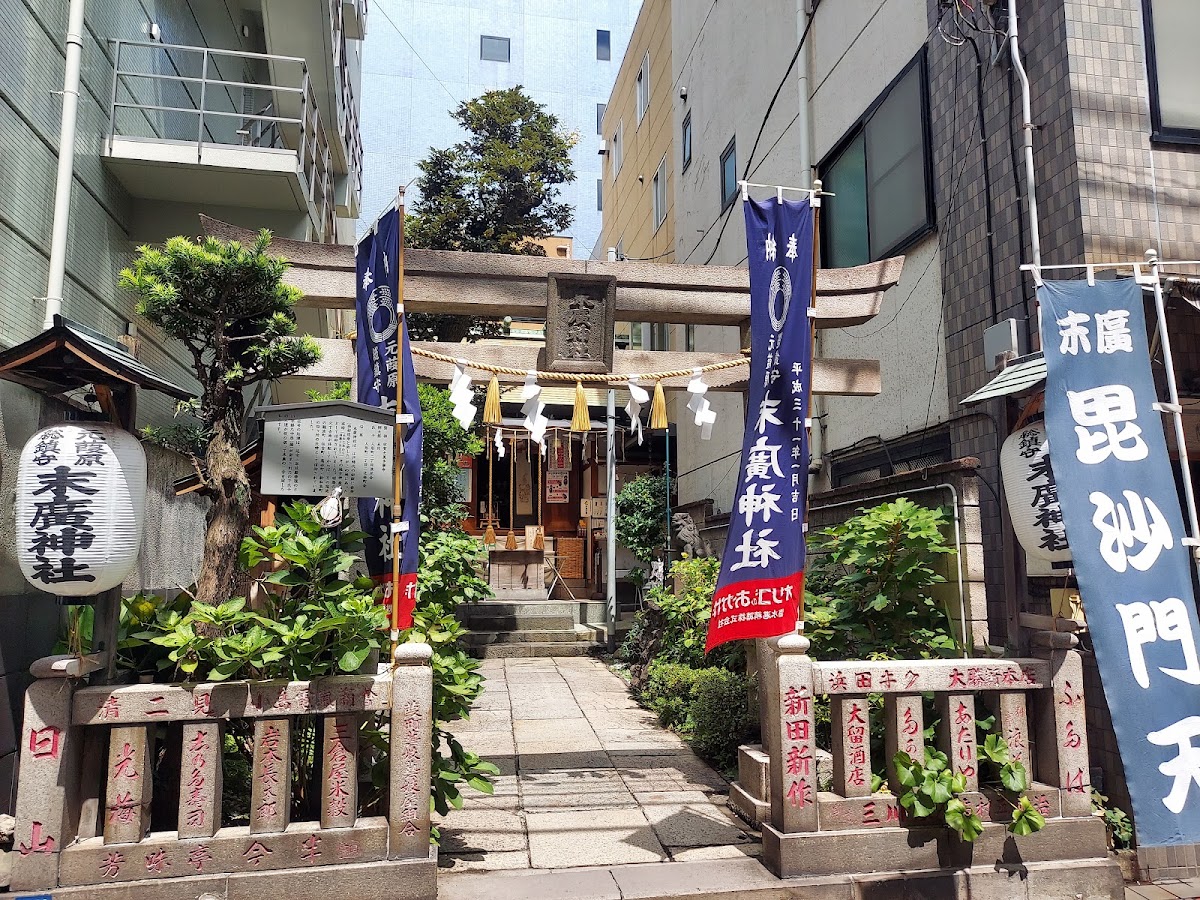
Suehiro Shrine is located in Nihonbashi Ningyocho 2-chome, Chuo Ward, Tokyo, and was formerly an unranked shrine. Despite being in the heart of the city surrounded by buildings, its indigo banners serve as a landmark, quietly welcoming visitors.
Basic Shrine Data
- Location: 2-25-20 Nihonbashi Ningyocho, Chuo-ku, Tokyo
- Deity Enshrined: Ukanomitama-no-kami
- Former Shrine Rank: Unranked Shrine
- Founding: Before Keicho 1 (1596)
- Annual Grand Festival: Late May every year
- Special Notes: Bishamonten (one of the Seven Lucky Gods of Nihonbashi), holder of Chuo-ku Tangible Cultural Property (ancient documents)
History and Origins of Suehiro Shrine
Founding and the Moto-Yoshiwara Era
The founding date of Suehiro Shrine is unclear, but according to ancient documents, it is confirmed that it existed as an “Inari Shrine” near the current shrine grounds in Keicho 1 (1596). This is over 400 years ago, making it a historically significant shrine that existed from the early stages of Edo’s formation.
In the early Edo period, from 1617 to 1657, the Yoshiwara pleasure district was located in the area around present-day Nihonbashi Ningyocho. At that time, it was called “Yoshiwara” or “Moto-Yoshiwara,” and Suehiro Shrine was deeply revered by the local people as the guardian deity and tutelary god of this Moto-Yoshiwara. It played a crucial role as the spiritual pillar of this unique area, a pleasure district.
The Great Fire of Meireki and the Relocation of Yoshiwara
The Great Fire of Meireki, which occurred in 1657, was a major disaster that burned down most of Edo. This fire prompted Yoshiwara to relocate to the Asakusa area (present-day Senzoku, Taito Ward). This marked the beginning of “Shin-Yoshiwara” (New Yoshiwara).
After Yoshiwara relocated, new towns were formed on its former site. These were Namba-cho, Sumiyoshi-cho, Takasago-cho, and Shin-Izumi-cho (Shin-Izumi-cho). Suehiro Shrine continued to be the tutelary shrine of these towns, attracting the faith of the local community. While its role shifted from being the general guardian shrine of the former Yoshiwara district to becoming the guardian deity of new towns, it remained deeply rooted in the region.
Origin of the name “Suehiro”
The current name “Suehiro Shrine” was established in Enpo 3 (1675). In that year, during repair work on the shrine building, an old fan called a “Chukei” was discovered inside.
A Chukei is a fan shaped like a fan that widens towards the end, and has been considered auspicious since ancient times. The parishioners were overjoyed by this discovery and, with the wish for “ever-increasing prosperity,” they changed the shrine’s name to “Suehiro Shrine.” This origin story is still told today as an episode symbolizing the shrine’s auspiciousness.
Modern History
Even after the Meiji era, Suehiro Shrine continued to be worshipped as the tutelary shrine of the region. Despite experiencing the Great Kanto Earthquake and the damage of World War II, the shrine has been rebuilt through the efforts of its parishioners.
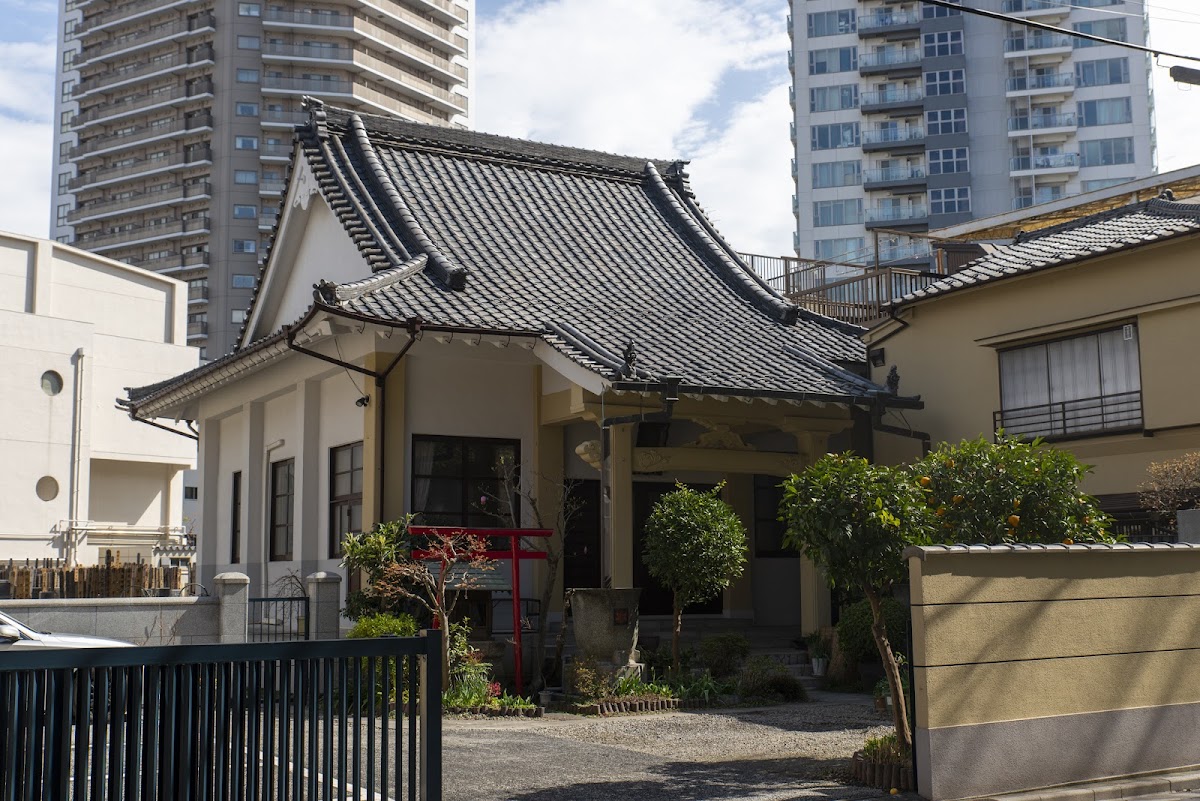
The current shrine building is constructed entirely of cypress wood, maintaining a dignified appearance amidst the skyscrapers of central Tokyo. While the grounds are not particularly large, they are meticulously maintained, providing a peaceful atmosphere for visitors.
Deities and Divine Virtues
Main Deity: Ukanomitama-no-kami
The main deity enshrined at Suehiro Shrine is Ukanomitama-no-kami. This deity is widely known as Inari-no-kami and is worshipped throughout Japan as the god of abundant harvests and business prosperity. “Uka” means grain and food, and this deity has been revered since ancient times as a god supporting the foundation of life.
God of Victory and Protection from Disaster
Suehiro Shrine is particularly known as the “god who bestows victory and protects against disaster.” This belief, which dates back to the Yoshiwara era, is believed to offer divine protection from various difficulties and misfortunes in life, guiding people towards victory and success.
Even today, worshippers visit seeking various forms of “good fortune,” such as passing exams, finding employment, closing business deals, and winning sports competitions. Many also pray for protection from everyday misfortunes, such as traffic safety and warding off evil.
Bishamonten of the Nihonbashi Seven Lucky Gods
Suehiro Shrine is one of the shrines on the Nihonbashi Seven Lucky Gods pilgrimage, enshrining Bishamonten. Bishamonten is also known as Tamonten, one of the Four Heavenly Kings, and is worshipped as the god of military fortune and wealth.
The Nihonbashi Seven Lucky Gods pilgrimage is the shortest of all the Seven Lucky Gods pilgrimages in Japan, making it a popular destination for many worshippers during the New Year. Its unique feature of consisting entirely of shrines also makes it popular among those who enjoy visiting shrines.
Highlights of the Shrine Grounds
Shrine Building
The current shrine building is constructed entirely of cypress wood, preserving the beauty of traditional shrine architecture despite its central urban location. Though modest in scale, the meticulously crafted details create a solemn atmosphere for visitors.
Indigo Banners
The indigo banners erected along the street are a landmark of Suehiro Shrine. Even in its location surrounded by buildings, these banners indicate the shrine’s presence and serve as an important landmark for first-time visitors.
Ancient Documents Registered as Tangible Cultural Properties of Chuo Ward
Suehiro Shrine houses ancient documents registered as tangible cultural properties of Chuo Ward. These documents are valuable historical materials that tell the story of the shrine’s long history, conveying the history of faith dating back to the Moto-Yoshiwara era. While usually not open to the public, they are important sacred treasures that underpin the shrine’s historical value.
Atmosphere of the Shrine Grounds
Located in Nihonbashi Ningyocho, Chuo-ku, Tokyo, a bustling business district in the heart of the city, stepping onto the shrine grounds reveals a tranquil atmosphere. In contrast to the surrounding buildings, the grounds are meticulously cleaned, planted with seasonal flowers, creating an oasis in the city.
Goshuin (Shrine Seal) Information
Features of the Goshuin
Suehiro Shrine offers goshuin to visitors. The goshuin features the calligraphy of “Suehiro Shrine” and the shrine’s seal. Characterized by its simple yet powerful calligraphy, it’s a popular memento of the visit.
Goshuin of the Nihonbashi Seven Lucky Gods
During the Nihonbashi Seven Lucky Gods pilgrimage in the New Year, a goshuin of Bishamonten (Vaisravana) is also available. For those undertaking the Seven Lucky Gods pilgrimage, Suehiro Shrine is an important stop. Many visitors bring their own special paper or goshuin notebooks to visit all seven shrines.
Issuance Hours and Precautions
The issuance hours for Goshuin (temple/shrine stamps) are generally from 9:00 AM to around 5:00 PM, but these may change due to Shinto rituals or events. If you wish to be sure to receive a Goshuin, it is recommended to inquire with the shrine in advance.
Also, Goshuin are proof of worship, not a stamp rally. Please be sure to complete your worship before receiving your Goshuin.
Annual Events and the Grand Festival
Grand Festival
The Suehiro Shrine’s Grand Festival is held annually in late May. During this festival, a portable shrine procession takes place, and local parishioners gather to enliven the shrine. Despite being a shrine in the city center, it continues to uphold traditional festival customs, making it an important event that strengthens the bonds of the local community.
New Year (Nihonbashi Seven Lucky Gods Pilgrimage)
From the first three days of the New Year to mid-January, the shrine grounds are bustling with visitors participating in the Nihonbashi Seven Lucky Gods Pilgrimage. As a shrine dedicated to Bishamonten, many worshippers visit seeking good fortune. During this period, special goshuin (shrine seals) and offerings are sometimes available, making it the most vibrant time of year.
Monthly Festival
Monthly festivals are also held, demonstrating the shrine’s daily function as a center of local faith. Parishioners and devotees regularly visit to offer daily gratitude and prayers.
Access and Transportation Information
Access by Train
Suehiro Shrine is accessible from several train lines.
Nearest Stations:
- Approximately 3 minutes on foot from Exit A1 of Ningyocho Station (Tokyo Metro Hibiya Line/Toei Asakusa Line)
- Approximately 5 minutes on foot from Exit 7 of Suitengumae Station (Tokyo Metro Hanzomon Line)
- Approximately 7 minutes on foot from Exit A2 of Hamacho Station (Toei Shinjuku Line)
Ningyocho Station is the closest, and the most common route is northeast from the station, via Amazake Yokocho. Ningyocho is an area with many restaurants, so we recommend enjoying a stroll through the town in addition to visiting the shrine.
Walking Route
After exiting Ningyocho Station Exit A1, head towards Meijiza Theater. Walk north along Ningyocho Street and turn right at the Amazake Yokocho intersection. After walking a short distance, you will see a blue banner on your left. Since the shrine is located between buildings, the banner will make it easy to find.
Access by Car
It’s about a 5-minute drive from the Hakozaki or Edobashi exits of the Metropolitan Expressway Inner Circular Route. However, there is no dedicated parking lot for the shrine, so you will need to use nearby coin-operated parking lots. Parking is limited around Ningyocho, so we recommend using public transportation.
Nearby Attractions and Tourist Spots
Other Shrines on the Nihonbashi Seven Lucky Gods Pilgrimage
After visiting Suehiro Shrine, be sure to visit the other shrines on the Nihonbashi Seven Lucky Gods Pilgrimage. This includes Koami Shrine (Fukurokuju and Benzaiten), Chanoki Shrine (Hotei), Suiten-gu Shrine (Benzaiten), Matsushima Shrine (Daikokujin), Kasama Inari Shrine (Jurojin), and Sugimori Shrine (Ebisu). All are within walking distance and can be visited in about 2-3 hours.
Amazake Yokocho
Located a 1-minute walk from Suehiro Shrine, Amazake Yokocho is a popular spot lined with long-established Japanese confectionery shops and restaurants. Enjoy eating and drinking while experiencing the Edo-period atmosphere, such as ningyo-yaki (doll-shaped cakes) and amazake (sweet rice wine).
Ningyocho Shopping Street
Ningyocho is a historic shopping street dating back to the Edo period, with many long-established restaurants and specialty shops remaining. It’s recommended to stroll around and enjoy the local atmosphere before or after visiting the shrine.
Meijiza Theater
Meijiza Theater, a representative theater of Ningyocho, is also within walking distance of Suehiro Shrine. Kabuki and other plays are performed here, allowing you to experience traditional performing arts.
Manners and Points for Visiting a Shrine
Basic Worship Etiquette
- Bow before passing through the torii gate.
- Cleanse your hands and mouth at the water basin.
- Offer your donation in front of the shrine building.
- Worship using the two bows, two claps, and one bow ritual.
- Bow at the torii gate when leaving the shrine grounds.
Attire for Worship
There are no specific dress code requirements, but it is desirable to dress appropriately for a sacred place. Avoid overly casual clothing or clothing that exposes a lot of skin.
Photography
Photography is generally permitted on the shrine grounds, but consideration should be given to avoiding disturbing other worshippers. Photography inside the shrine building or of the deity is often prohibited, so please be aware of this.
The Charm and Characteristics of Suehiro Shrine
A Witness to History in the Heart of Tokyo
Located in Nihonbashi Ningyocho, Chuo Ward, Tokyo, a business district in the heart of Tokyo, Suehiro Shrine boasts a history of over 400 years, making it a precious site that has witnessed the transformation from Edo to Tokyo. It has a unique history as the guardian shrine of the former Yoshiwara district and is an important cultural asset that conveys Edo culture to the present day.
Excellent Accessibility
Its location, just a 3-minute walk from Ningyocho Station, where multiple subway lines intersect, is a major attraction for visitors. It can be easily visited during work breaks or sightseeing, making it a spiritual haven for those working in the city center.
One of the Nihonbashi Seven Lucky Gods Pilgrimage Sites
As one of the Nihonbashi Seven Lucky Gods pilgrimage sites, it attracts many visitors, especially during the New Year. Popular as a pilgrimage that can be completed in a short time, Suehiro Shrine, which enshrines Bishamonten, is an important pilgrimage site.
Divine Virtues for Victory and Protection from Disaster
The clear divine virtue of “granting victory and warding off disaster” responds to the various wishes of modern people. As a deity who lends strength at crucial moments in life, such as exams, job hunting, business, and sports, it attracts worshippers of all ages.
Summary: A Recommendation to Visit Suehiro Shrine
Suehiro Shrine, located in Nihonbashi Ningyocho, Chuo-ku, Tokyo, is a venerable shrine with a history of over 400 years as the guardian shrine of the former Yoshiwara district. It enshrines Ukanomitama-no-kami and is known for its divine virtues of victory and protection from disaster. It is also a popular shrine that enshrines Bishamonten, one of the Seven Lucky Gods of Nihonbashi.
Despite its location in the heart of the city’s business district, the shrine grounds maintain a tranquil atmosphere, providing peace of mind to visitors. Its excellent accessibility, just a 3-minute walk from Ningyocho Station, is also a major attraction, making it easy to visit during work or sightseeing.
After the relocation of Yoshiwara following the Great Fire of Meireki, Suehiro Shrine became deeply rooted in the community as the tutelary shrine for four areas: Namba-cho, Sumiyoshi-cho, Takasago-cho, and Shinsen-cho. It continues to be devoutly revered by parishioners and worshippers. The shrine’s name, “Suehiro,” originates from a fan (a fan shaped like a fan widening at the end of the year) discovered in 1675, symbolizing good fortune.
Throughout the year, various events are held, such as the Nihonbashi Seven Lucky Gods pilgrimage in New Year’s and the annual festival in May, making it a central hub for the local community. You can also receive a Goshuin (shrine stamp), so be sure to get one as a memento of your visit.
Suehiro Shrine is located in Ningyocho, a town steeped in history and culture. A visit combined with a stroll through the Amazake Yokocho food street or Ningyocho shopping district will make for a more fulfilling experience. We recommend a visit to everyone, whether you’re praying for good fortune, protection from disaster, or simply want to experience Edo history.