About Sumiyoshi Taisha Shrine
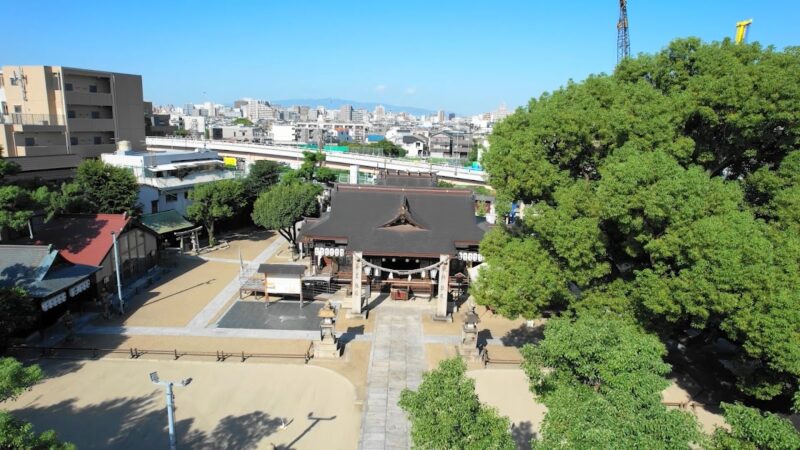
Sumiyoshi Taisha Shrine, located in Sumiyoshi Ward, Osaka City, is the Ichinomiya (first-ranked shrine) of Settsu Province, said to have been founded in the 3rd century. As the head shrine of approximately 2,300 Sumiyoshi shrines nationwide, it has long been affectionately known as “Sumiyossan.” The number of visitors for Hatsumode (first shrine visit of the year) exceeds 2 million every year, making it one of the largest in the Kansai region.
Deities and Blessings
The main deities are the three Sumiyoshi gods: Sokotsutsu-no-Mikoto, Nakatsutsu-no-Mikoto, and Uwatsutsu-no-Mikoto, along with Empress Jingu.
Main Benefits:
- Safe Voyages and Maritime Protection: The Sumiyoshi Three Gods have been worshipped as gods of the sea since ancient times.
- Business Prosperity: Developed from prayers for safe voyages by Japanese envoys to Tang China, they are also revered as gods of commerce.
- Protection from Evil and Good Fortune: Famous for prayers for protection from evil associated with Empress Jingu.
- Waka Poetry and Literature: Revered by poets since ancient times, it is believed to bring benefits for improvement in literary arts.
Points to Note When Visiting
Arched Bridge (Taiko Bridge)
The vermilion-painted arched bridge at the entrance to the shrine grounds is a symbol of Sumiyoshi Taisha. With a steep slope of approximately 48 degrees, it is said that “simply crossing it will cleanse you of sins and impurities.” This beautiful arch bridge, approximately 20m long and 3.6m high, is also a popular photo spot.
National Treasure Main Hall
All four main halls, designated as National Treasures, are built in the oldest style of shrine architecture known as Sumiyoshi-zukuri. They are characterized by their straight gable roofs and vermilion-painted pillars. The formal procedure is to visit the main halls in order from the First Main Shrine to the Fourth Main Shrine.
Goshogozen
Located south of the First Main Shrine, Goshogozen is a sacred area considered to be the birthplace of Sumiyoshi Taisha. It is said that finding three stones inscribed with the characters “Go” (五), “Dai” (大), and “Riki” (力) among the pebbles within the sacred enclosure will grant your wish. It is customary to write the characters on a stone yourself and return it double once your wish is granted.
Omokaru Stone
Located within the grounds of the Ootoshi Shrine, the Omokaru Stone is a popular spot where you lift a stone while making a wish; if it feels lighter than expected, your wish will come true. There are three stones, and you can try each one.
Highlights of the Temple Grounds
Sumiyoshi Garden
The temple grounds feature a tranquil Japanese garden, offering beautiful scenery throughout the seasons. The cherry blossoms in spring, the irises in early summer, and the autumn foliage are particularly stunning, creating a healing space that allows you to forget the hustle and bustle of the city.
Deutzia Garden
From late May to early June, approximately 1,500 deutzia plants of 13 varieties bloom in the Deutzia Garden, a famous Sumiyoshi spot mentioned in the Manyoshu (an ancient collection of Japanese poetry). The sight of the white flowers spreading across the grounds is breathtaking.
Annual Events
- Otaue Shinto Ritual (June 14th): A nationally designated Important Intangible Folk Cultural Property. A traditional event mimicking rice planting.
- Sumiyoshi Festival (July 30th – August 1st): One of Osaka’s three major summer festivals. Highlights include the portable shrine procession
- Moon Viewing Festival (Mid-Autumn Moon Festival): Gagaku (ancient Japanese court music) and Bugaku (court dance) are performed on the arched bridge.
Access
Access by Train
- Nankai Main Line “Sumiyoshi Taisha Station”: Approximately 3 minutes on foot (nearest station)
- Nankai Koya Line “Sumiyoshi Higashi Station”: Approximately 5 minutes on foot
- Hankai Tramway (streetcar) “Sumiyoshi Torii-mae Station”: Immediately accessible on foot
Easily accessible from Osaka/Namba Station (approximately 10 minutes on the Nankai Main Line) and from Tennoji Station (approximately 15 minutes on the Hankai Tramway).
Access by Car
Approximately 5 minutes from the Hanshin Expressway Route 15 Sakai Line “Tamade Exit”. Paid parking is available around the shrine grounds (approximately 200 cars, 200 yen per hour). However, it gets very crowded during the New Year’s period and festival days, so using public transportation is recommended.
Visiting Information
- Visiting Hours: 6:00 AM – 5:00 PM (6:00 AM – 5:00 PM from April to September, 6:30 AM – 5:00 PM from October to March)
- Prayer Reception: 9:00 AM – 4:00 PM
- Admission Fee: Free (excluding some facilities)
- Estimated Time Required: Approximately 30 minutes to 1 hour
- Official Website: http://www.sumiyoshitaisha.net/