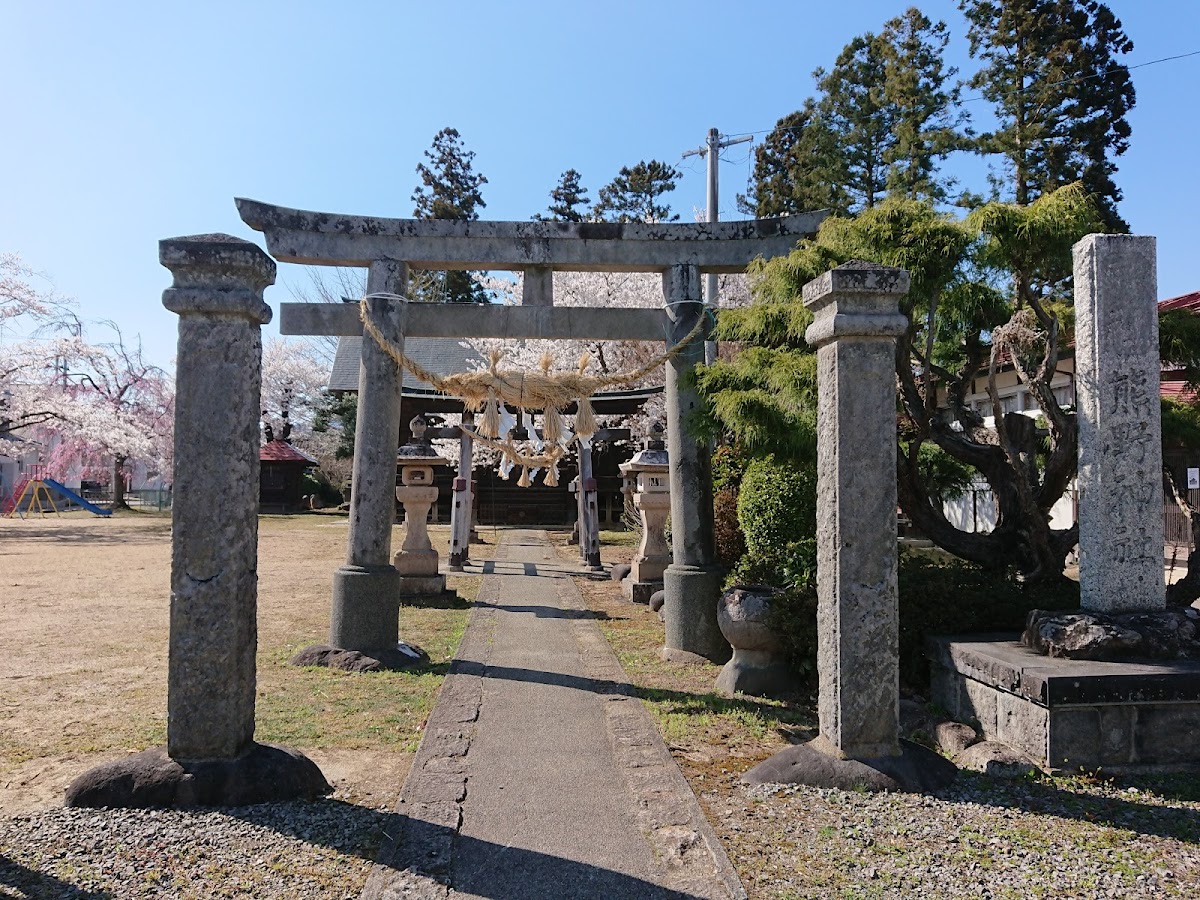
Takekoma Shrine (Fukushima City, Fukushima Prefecture) Complete Guide | History, Goshuin (Shrine Seal), and Access Information
Takekoma Shrine, located in Kitazawamata, Fukushima City, Fukushima Prefecture, is a historical shrine said to have been founded during the Heian period. This guide provides detailed information about the shrine, including its legends involving Kobo Daishi Kukai, its mystical origins related to the Ara-koma of Mount Azuma, and its beautiful cherry blossom trees.
Basic Information about Takekoma Shrine
Takekoma Shrine is located in the Kitazawamata area in northern Fukushima City and is a shrine that attracts the faith of the local community.
Location and Contact Information
- Address: 48 Inari, Kitazawamata, Fukushima City, Fukushima Prefecture 960-8251 (or 1-4 Inari-nishi)
- Phone Number: 024-558-3956
- Shrine Rank: Former Village Shrine
- Main Deity: Ukemochi-no-Kami (Goddess of Food)
Access Information
Access to Takekoma Shrine is as follows:
Access by Train
- Approximately 22 minutes on foot (approx. 1.7 km) from JR Tohoku Main Line “Kamimatsukawa Station”
- Approximately 22 minutes on foot (approx. 1.7 km) from JR Tohoku Main Line “Sasaya Station”
Access by Car
- Approximately 15 minutes from Tohoku Expressway “Fukushima Nishi IC”
- Approximately 20 minutes from central Fukushima City via National Route 4
- Parking available for visitors
Map Code: 76 096 752*30
Due to limited public transportation, access by car is recommended. Searching for “Takekoma Shrine” or “Takekoma Shrine Office” on a map app will display the exact location.
History and Origins of Takekoma Shrine
Founding Legend and Kobo Daishi Kukai
Takekoma Shrine is said to have been founded in Daido 4 (809). This year falls within the early Heian period, a time when Kobo Daishi Kukai was active.
According to shrine tradition, Kukai encountered the wild horse of Mount Azuma on his return journey from a pilgrimage to Mount Yudono in Ushu (present-day Yamagata Prefecture) while passing through this area. This wild horse appeared in the villages every autumn, ravaging crops and hindering cultivation, causing distress to the people.
It is said that Kukai performed prayers to appease this wild horse and founded the shrine. The shrine’s name, “Takekoma,” originates from this wild horse of Mount Azuma.
Worship of Ukemochi-no-Kami
The main deity enshrined at Takekoma Shrine is Ukemochi-no-Kami. Ukemochi-no-Kami is a goddess of food and grains in Japanese mythology, and is believed to bring blessings of abundant harvests and business prosperity.
The shrine’s founding, which involved appeasing wild horses and protecting agricultural crops, and its enshrinement of Uke-mochi-no-kami, the goddess of food, reflect the earnest wishes of the local residents who depended on agriculture for their livelihood. Even today, the shrine continues to be a place of worship for praying for bountiful harvests and giving thanks for the harvest.
History as a Village Shrine
Under the Meiji era’s shrine ranking system, Takekoma Shrine was designated a village shrine. Village shrines were positioned as the guardian shrines of each village and played a role as the spiritual center of the local community.
From the Edo period through the Meiji, Taisho, and Showa eras, it has attracted the faith of the people of the Kitazawamata area and has been central to local festivals and annual events.
Highlights of the Shrine Grounds
Cherry Blossom Trees at Takekoma Shrine’s Horse Riding Ground
The greatest highlight of Takekoma Shrine is the “Cherry Blossom Trees at Takekoma Shrine’s Horse Riding Ground”, which is designated as a Fukushima City Designated Natural Monument.
The cherry trees planted along the approach to the shrine create a magnificent tunnel of blossoms in spring. The name “Baba” (馬場) is thought to originate from the fact that equestrian events such as Yabusame (mounted archery) were once held here.
The cherry blossoms typically bloom from mid- to late April, attracting many visitors not only from the local area but also from those seeking a famous cherry blossom viewing spot. It is protected as a cultural property of Fukushima City and is a valuable natural heritage site for the region.
Shrine Buildings and Grounds
The grounds of Takekoma Shrine have a tranquil atmosphere surrounded by abundant nature. The main hall is built in the traditional shrine architectural style and is carefully maintained as the center of local faith.
There is also a shrine office on the grounds. While it is usually unattended at times, priests are stationed there during festivals and on special days to assist visitors.
Goshuin (Shrine Seal) Information
Regarding the Issuance of Goshuin
Currently, information indicates that Goshuin are not given at regular intervals at Takekoma Shrine.
Please note the following if you wish to receive a Goshuin (temple/shrine stamp):
- We recommend calling the shrine office (024-558-3956) in advance to confirm availability.
- Goshuin may be available during festivals such as the annual grand festival.
- As staff are often absent, we recommend visiting solely for worship purposes.
Due to the recent boom in Goshuin, many shrines now offer them, but smaller shrines may not be able to provide them consistently. Regardless of whether a Goshuin is available, it is important to visit the shrine with respect.
Annual Events and Festivals
Annual Grand Festival
At Takekoma Shrine, the Annual Grand Festival is held every autumn. This festival is an important event where local people gather to express gratitude for a bountiful harvest and pray for a good harvest in the following year.
Traditional Shinto rituals related to horses and agriculture have been performed, in accordance with the legend of Arakoma, the shrine’s founding origin. Even today, it remains an important opportunity to strengthen community ties.
New Year’s Visit and Year-Round Worship
From New Year’s Day to the third day of the year, local people visit the shrine for their first shrine visit of the year. Throughout the year, people also visit for prayers related to Shichi-Go-San (a traditional Japanese rite of passage for children), passing exams, and family safety.
Nearby Tourist Attractions
Highlights in Northern Fukushima City
When visiting Takekoma Shrine, you can also explore nearby tourist attractions.
Mount Azuma and the Azuma Mountain Range
Mount Azuma, which gave its name to the shrine, is a beautiful mountain range rising west of Fukushima City. Part of the Bandai-Asahi National Park, it is a popular spot for mountain climbing and hiking.
Rural Landscape in Northern Fukushima City
The area around Kitazawamata is a rural area of the Fukushima Basin, where you can enjoy a peaceful rural landscape. The scenery of the fields changes with the seasons, giving you a sense of Japan’s original landscape.
Iizaka Onsen
In northern Fukushima City is Iizaka Onsen, one of the three most famous hot springs in Oshu. Located about a 20-minute drive from Takekoma Shrine, it’s also recommended to enjoy a hot spring tour after your visit.
Manners and Precautions for Visiting a Shrine
Basic Etiquette for Visiting a Shrine
Please observe the basic etiquette when visiting a shrine:
- Bow before passing through the torii gate: This is a greeting before entering the sacred area.
- Avoid walking in the center of the approach: The center is considered the path of the gods.
- Purify yourself at the water basin: Purify your left hand, right hand, and mouth in that order.
- Two bows, two claps, one bow: This is the basic etiquette in front of the main hall.
Photography
Photography is generally permitted on the shrine grounds, but please note the following:
- Do not take photos in areas where photography is prohibited, such as inside the main hall.
- Obtain permission before taking photos during festivals or Shinto rituals.
- Be considerate of other visitors.
- When posting on social media, remember to show respect to the shrine.
Attire for Visiting
There are no specific dress code requirements, but since shrines are sacred places, please keep the following in mind:
- Avoid revealing clothing.
- Dress neatly.
- If walking along the cherry blossom-lined path, comfortable shoes are recommended.
The Charm and Characteristics of Takekoma Shrine
The Mystery of the Kukai Legend
While Kobo Daishi Kukai left his mark throughout Japan, legends of him in the Tohoku region are relatively rare, making the history of Takekoma Shrine historically fascinating. The legend of pacifying a wild horse speaks to the wisdom of ancient people who sought to coexist with the threats of nature.
A Faith Rooted in the Community
Takekoma Shrine’s greatest charm lies in its deep connection to the lives of the local people, rather than being a large-scale tourist shrine. While not flashy, its simple and warm atmosphere soothes the hearts of visitors.
Value as a Cherry Blossom Spot
The cherry blossom-lined path, a city-designated cultural property, is not merely a tourist resource, but a valuable presence that conveys the history and culture of the region. During cherry blossom season, you can simultaneously experience the history of the shrine and the beauty of nature.
Shrine Culture and Takekoma Shrine in Fukushima City
Shrine Beliefs in Fukushima City
Fukushima City is dotted with numerous shrines, each conveying the history and culture of the region. Takekoma Shrine, one of the representative shrines in the northern part of the city, serves as a core element of the region’s identity.
Agriculture and Shrines
The Fukushima Basin has long been a thriving agricultural area, and shrine beliefs praying for abundant harvests remain deeply rooted. Takekoma Shrine, which enshrines Uke-mochi-no-kami (the goddess of food), is truly a symbol of the agricultural culture of this region.
Visitor Feedback and Reputation
Visitors to Takekoma Shrine have shared the following impressions:
- “A quiet and peaceful shrine. You can feel how much it’s cherished by the local people.”
- “It’s truly beautiful during cherry blossom season. A hidden gem in the local area.”
- “Although it’s a historical shrine, it hasn’t been commercialized, allowing you to experience its original form.”
- “The legend of Kukai is fascinating, evoking a sense of historical romance.”
Summary: The Value of Visiting Takekoma Shrine
Takekoma Shrine is a historical and traditional shrine located in Kitazawamata, Fukushima City, Fukushima Prefecture. It boasts many attractions, including a founding legend from the Heian period, the mystical story of Kobo Daishi Kukai and Arakoma, the deity of food, and beautiful cherry blossom trees.
While not a large-scale tourist shrine, it offers a unique tranquility and a warm, community-based faith. When visiting Fukushima City, be sure to stop by. Especially during cherry blossom season, it’s an excellent opportunity to enjoy both the shrine’s history and the beauty of nature.
While prior confirmation is necessary regarding the issuance of Goshuin (temple/shrine stamps), the original purpose of visiting a shrine is to express gratitude and offer prayers to the gods. The time spent calming your mind in the tranquil grounds and reflecting on the history of the region will surely be a memorable experience.
Nestled amidst the rural landscape of northern Fukushima City stands Takekoma Shrine. With a history spanning over 1200 years, this shrine continues to quietly fulfill its role as a spiritual haven for the people of the region.