Tamino Shrine (Osaka Prefecture) Complete Guide: A Shrine with a Thousand Years of History and Connections to Tokugawa Ieyasu
Tamino Shrine, located in Tsukuda, Nishiyodogawa Ward, Osaka City, is a venerable shrine with a history of over a thousand years, founded in 869 AD. Enshrining the three Sumiyoshi deities and Empress Jingu, this shrine boasts many attractions, including deep connections to Tokugawa Ieyasu, historical ties to Tsukudajima in Tokyo, and the oldest stone guardian lion statues in Osaka Prefecture. This guide provides detailed information on its history, festivals, highlights within the grounds, and access methods.
History and Origins of Tamino Shrine
Founding and the Legend of Empress Jingu
Tamino Shrine is said to have been founded on September 15, 869 AD. This year falls within the early Heian period, a time when shrines were being established throughout Japan. The shrine is believed to have been founded with the involvement of Empress Jingu and has been revered in the region as a shrine with a long history.
Initially called “Taminoshima Shrine,” it reflects the fact that this area was a waterside region consisting of sandbars and islands at the mouth of the Yodo River. The name “Tamino” is thought to indicate the land’s deep connection to rice cultivation, referring to a straw raincoat worn over rice paddies.
About the Deities
The deities enshrined at Tamino Shrine are the following four:
- Sokotsutsu-no-Mikoto
- Nakatsutsu-no-Mikoto
- Uwatsutsu-no-Mikoto
- Empress Jingu
The first three deities are collectively known as the Sumiyoshi Three Gods and have been worshipped since ancient times as gods of safe voyages and protection at sea. These gods, along with Empress Jingu, are also called the “Sumiyoshi Four Gods.” It is said to share the same lineage as the Sumiyoshi Shrine in Owada, and its location at the mouth of the Yodo River has attracted the faith of people involved in maritime transport and fishing.
Renaming and Restoration in the Edo Period
During the Edo period, Tamino Shrine was temporarily renamed “Sumiyoshi Shrine.” This is thought to be a renaming to clarify that the enshrined deities were the three Sumiyoshi gods. However, in 1868 (Meiji 1), the name was restored to “Tamino Shrine.” This restoration can be seen as a result of emphasizing the historical identity of the region.
Tokugawa Ieyasu and Tamino Shrine: The Story of Tsukudajima’s Birth
Encounter on the Kanzaki River
One reason why Tamino Shrine is known nationwide is its deep connection with Tokugawa Ieyasu. During the Tensho era (1573-1593), when Tokugawa Ieyasu visited this area, the fishermen of Tsukuda Village (present-day Tsukuda, Nishiyodogawa Ward) served as the ferrymen across the Kanzaki River.
Ieyasu was impressed by the fishermen’s honest work and deepened his relationship with them. This encounter would later play a crucial role in the development of Edo.
The Birth of Edo’s Tsukudajima
After Tokugawa Ieyasu established the shogunate in Edo, the fishermen of Tsukuda Village were granted tidal flats in the lower reaches of the Sumida River by the shogunate. The fishermen cultivated this land and named it “Tsukudajima” after their hometown. This is the origin of present-day Tsukuda in Chuo Ward, Tokyo.
The fishermen of Tsukudajima served as tribute to Edo Castle with whitebait and greatly contributed to the development of Edo’s fish market. They invited a divided spirit from their hometown’s Tamino Shrine and founded Sumiyoshi Shrine (present-day Tsukuda Sumiyoshi Shrine) on Tsukudajima. Thus, Osaka’s Tamino Shrine and Tokyo’s Tsukudajima became bound by a historical connection.
Toshogu Shrine on the Grounds
As a symbol of its connection to Tokugawa Ieyasu, a Toshogu Shrine is enshrined on the grounds of Tamino Shrine. The Toshogu Shrine enshrines Toshodai Gongen, the deified form of Tokugawa Ieyasu, and is considered to have a special history among all Toshogu Shrines nationwide.
Highlights on the Grounds
Oldest Stone Komainu in Osaka Prefecture
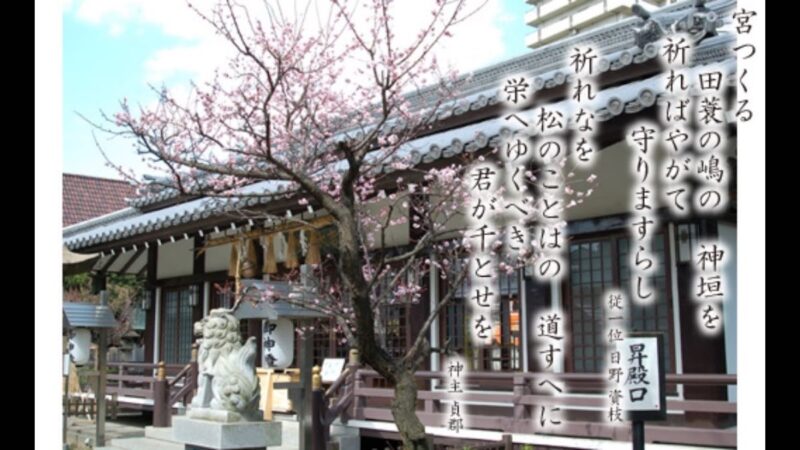
The greatest cultural asset of Tamino Shrine is the pair of komainu (guardian lion-dogs) placed on either side of the main hall. These komainu were dedicated in Genroku 15 (1702) and are considered to be the oldest stone Naniwa-style komainu in Osaka Prefecture.
Naniwa-style komainu are unique to the Osaka region, and these are extremely valuable as the oldest known examples. Even after more than 300 years, they still convey the high level of stonemasonry skills of the time. When you visit, be sure to take a close look at these historical guardian lion-dogs.
Main Hall and Worship Hall
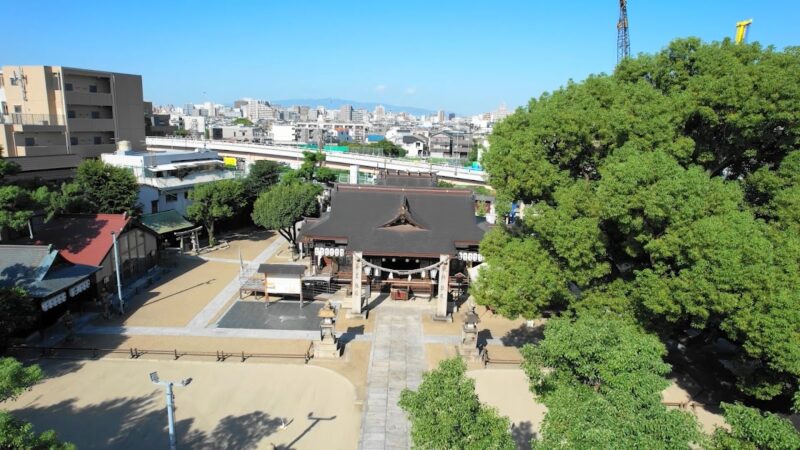
The main hall of Tamino Shrine is a sacred space dedicated to the four Sumiyoshi deities. The sacred area, known as the Mikakiuchi, is enveloped in a solemn atmosphere. Local people visit the worship hall daily, and the ancient faith continues to thrive.
Subsidiary Shrines
In addition to the main hall, several subsidiary shrines are enshrined within the grounds. These shrines, including the Toshogu Shrine, tell the story of Tamino Shrine’s multifaceted history of faith.
Tamino Forest
As sung in the local elementary school song, “The gods of Tamino Forest are lonely,” there was once a dense forest surrounding Tamino Shrine. While urbanization has diminished the former forest’s appearance, the trees within the grounds quietly continue to watch over the region’s history.
Festivals and Annual Events
Grand Festival (Summer Festival)
The largest festival at Tamino Shrine is the Grand Festival (Summer Festival), held annually on July 31st and August 1st. For these two days, the entire Tsukuda district is enveloped in the excitement of the festival.
The main highlight is the futon taiko (portable shrine) procession through Tsukuda. The sight of the heavy taiko float parading through the area is magnificent and attracts many spectators. The sight of the local people uniting to enliven the festival demonstrates the strong bonds of community.
Toshogu Shrine Festival
At the Toshogu Shrine within the grounds, the Toshogu Shrine Festival is held to commemorate Tokugawa Ieyasu. This festival is an important event that conveys the historical connection between Tamino Shrine and the Tokugawa family.
Annual Festivals
In addition to the Summer Festival and the Toshogu Shrine Festival, various festivals are held throughout the year, including the New Year’s Day Festival, Setsubun Festival, and Autumn Festival. These festivals continue to be carefully preserved as a spiritual pillar of the community.
Damage and Recovery from the Great Hanshin-Awaji Earthquake
The Great Hanshin-Awaji Earthquake, which occurred on January 17, 1995, caused significant damage to Tamino Shrine. Nishiyodogawa Ward in Osaka City was one of the areas affected by the earthquake, and the shrine’s buildings were also damaged.
However, thanks to the efforts and support of the local people, Tamino Shrine was restored. This experience reaffirmed that the shrine functions not merely as a religious facility, but as a center of the local community. The recovery from the earthquake is remembered as an important chapter in the history of Tamino Shrine.
Location and Access to Tamino Shrine
Location
Address: 1-18-14 Tsukuda, Nishiyodogawa-ku, Osaka City, Osaka Prefecture
Phone Number: 06-6471-5059
Access by Public Transportation
By Train
- Approximately 11 minutes on foot from Exit 1 of Chifune Station on the Hanshin Electric Railway Main Line
- Also within walking distance (approximately 15 minutes) from Goshijima Station on the JR Tozai Line
By Bus
- Approximately 6 minutes on foot from the Tsukuda bus stop on the Osaka City Bus
Using the bus is the most convenient way to access the shrine from the bus stop. The Tsukuda area is a residential area with a mix of traditional houses and modern buildings. It may be a little difficult to find for first-time visitors, but you will feel the presence of the shrine as you get closer.
Access by Car
Tamino Shrine has two parking spaces available. However, since the number of vehicles is limited, we recommend using public transportation during crowded times such as festivals.
Access from major roads:
- Approximately 10 minutes from the Nakajima Interchange on the Hanshin Expressway Route 5 Wangan Line
- Head north from National Route 2 towards the Tsukuda area
Landmarks in the surrounding area
Tamino Shrine is located in a residential area and does not have large signs, but local residents will kindly guide you if you ask. It is a symbolic presence in the area, even sung about in the Tsukuda Elementary School song, so it is a shrine known to everyone in the area.
Information on visiting
Visiting hours
The grounds of Tamino Shrine are generally open 24 hours a day, and you can visit anytime. However, there are set times for receiving Goshuin (shrine stamps) and accepting prayer requests at the shrine office, so we recommend checking in advance.
About Goshuin
Tamino Shrine offers Goshuin. Those wishing to receive a Goshuin should visit during the shrine office’s opening hours. While pre-printed goshuin (temple/shrine stamps) may be available, please contact the shrine directly for details.
The goshuin bears the official seal of Tamino Shrine and is a popular memento for many visitors.
About Prayers and Exorcisms
Tamino Shrine accepts various prayers and exorcisms:
- Protection from misfortune
- Family safety
- Business prosperity
- Traffic safety
- Safe childbirth prayers
- First shrine visit for a newborn
- Shichi-Go-San (7-5-3) ceremony
- Other prayers
If you wish to request a prayer, it is recommended to make a reservation and consultation by phone in advance.
Connection with the Community
As the Center of the Local Community
Tamino Shrine has functioned as a spiritual pillar of the Tsukuda district for over a thousand years. As evidenced by its inclusion in the local elementary school anthem, the shrine is at the core of the community’s identity.
Even today, during festivals, local residents unite to support the shrine and pass on its traditions to future generations. In the Tsukuda district, where traditional houses and modern residences coexist, Tamino Shrine continues to exist as a place connecting the past, present, and future.
Information Dissemination Initiatives
Tamino Shrine regularly disseminates information about local events, visitor activities, and prayer services through its official website and social media. This allows the shrine to maintain connections not only with local residents but also with people from afar and those in Tokyo who feel a connection to Tsukudajima.
Cultural Value of Tamino Shrine
Historical Significance
Tamino Shrine possesses high historical value in the following respects:
- Ancient Shrine Founded in the Heian Period: Founded in 869, it is one of the oldest shrines in Osaka City.
- Relationship with Tokugawa Ieyasu: A vital historical witness to the establishment of the Edo Shogunate and the development of Edo.
- A Bond Connecting Osaka and Tokyo: As the starting point for the creation of Tsukudajima, it symbolizes the historical connection between the two cities.
- Oldest Komainu (Guardian Lion-Dog): Houses the oldest stone Naniwa-style Komainu in Osaka Prefecture.
Folkloric Value
The festival of Tamino Shrine, especially the procession of the Futon Taiko (portable shrine), is a valuable folk event that conveys Osaka’s festival culture to the present day. The sight of the local community uniting to hold the festival demonstrates a traditional form of community that has not been lost even in modern, increasingly urbanized times.
Points to Note and Manners When Visiting
Worship Manners
When visiting Tamino Shrine, please observe the following basic worship manners:
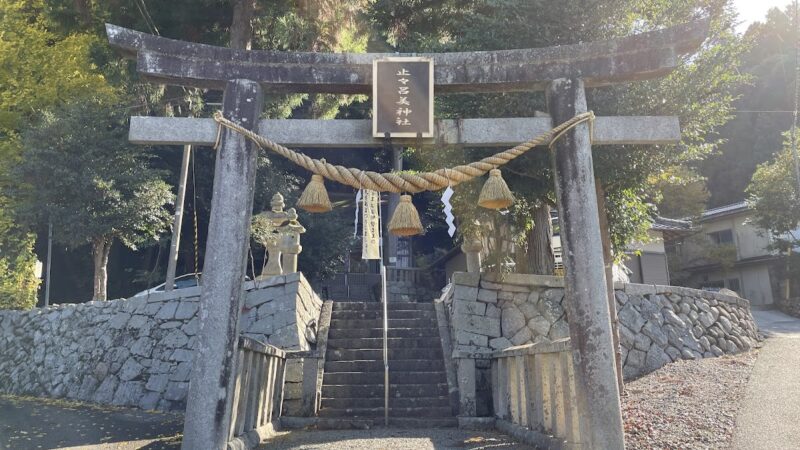
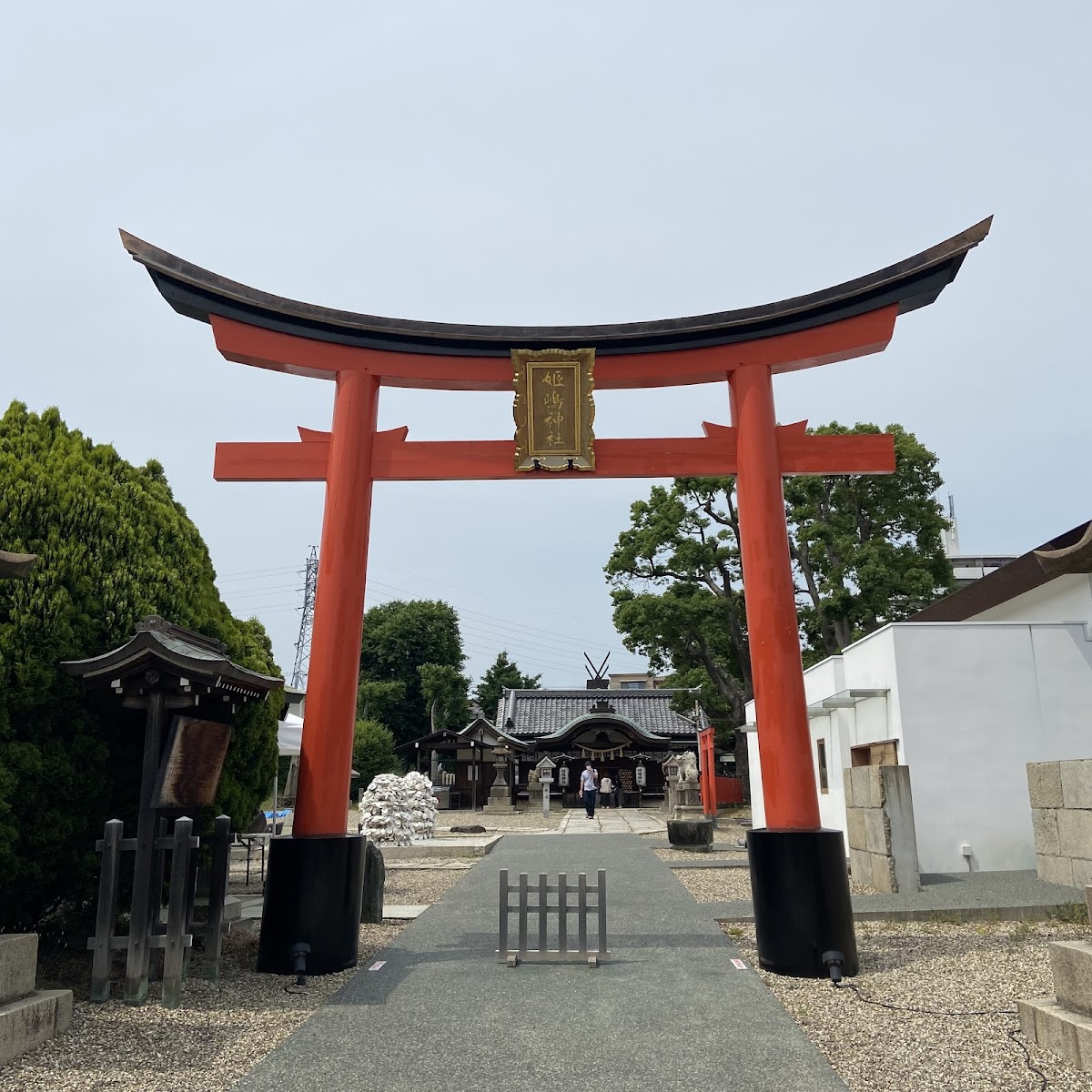
- Bow when passing through the torii gate.
- Avoid walking in the center of the approach to the shrine. (The center is considered the path of the gods.)
- Purify your hands and mouth at the water basin.
- Bow twice, clap twice, and bow once at the main hall.
- Worship quietly.
Photography
Photography is generally permitted within the shrine grounds, but there may be restrictions on photography inside the main hall or during festivals. Especially when photographing cultural artifacts such as the Genroku-era guardian lion-dogs, consideration should be given to avoiding the use of flash.
Clothing
For regular worship, there are no specific dress code requirements. However, if receiving prayers, somewhat formal attire is desirable.
Photography ## Nearby Attractions
Historical Walks in the Tsukuda District
When visiting Tamino Shrine, we recommend taking a stroll through the entire Tsukuda district. You’ll find numerous historical spots, including alleys that retain the atmosphere of an old town and waterside scenery near the Yodo River and Kanzaki River.
Other Historical Sites in Nishiyodogawa Ward
Nishiyodogawa Ward also has other historical temples, shrines, and historical sites. If you have time, you can enjoy a historical walk visiting several of these sites.
Exchange with Tsukudajima, Tokyo
Tamino Shrine and Tsukudajima (Tsukuda Sumiyoshi Shrine) in Chuo Ward, Tokyo, continue to have exchanges. The relationship, which began over 400 years ago, is still cherished today, with mutual visits during festivals in both regions.
The “Tsukuda Festival” held at Sumiyoshi Shrine in Tsukudajima inherits the traditions of the festival at Tamino Shrine in Osaka. A visit to Tsukudajima during your trip to Tokyo will give you a deeper understanding of its historical connection to Osaka’s Tamino Shrine.
Summary: The Charm of Tamino Shrine
Tamino Shrine is a shrine with a history of over a thousand years, and continues to be deeply rooted in the local community. Its charm can be summarized in the following points:
- Ancient History: A long history dating back to its founding in 869
- Deep Connection with Tokugawa Ieyasu: An important role in the history of the Edo period
- Bond Connecting Osaka and Tokyo: Significance as the starting point of Tsukudajima’s creation
- Valuable Cultural Asset: The oldest stone guardian lion statues in Osaka Prefecture
- Vibrant Festivals: A traditional summer festival that continues to this day
- Center of the Local Community: A place connecting the past, present, and future
Located in Nishiyodogawa Ward, Osaka City, an area not widely known as a tourist destination, Tamino Shrine holds an important position in Japanese history. Nestled quietly in a residential area, its presence captivates visitors.
For history buffs, shrine enthusiasts, and those interested in Tokugawa Ieyasu and Edo period history, Tamino Shrine is a must-see. With easy access by public transport, it’s definitely worth a visit during your Osaka sightseeing trip.
Tamino Shrine has been cherished and protected by the local community. Standing in its tranquil grounds, you can feel the weight of over a thousand years of history and the power of faith that still thrives there today.