Complete Guide to Tokiwa Inari Shrine | A Thorough Explanation of the History and Blessings of the Guardian Deity of Nihonbashi, Associated with Ota Dokan
Near the high-rise buildings of Nihonbashi Honcho, Chuo-ku, Tokyo, lies a small shrine with a striking red torii gate. This is Tokiwa Inari Shrine. Though small in scale, its history dates back to the Muromachi period, making it a venerable shrine that has watched over the Nihonbashi area for over 500 years.
This article provides a thorough explanation of Tokiwa Inari Shrine from every angle, including its history, enshrined deities, blessings, access methods, and its deep connection to Tokiwa Bridge.
What is Tokiwa Inari Shrine? | A Historic Inari Shrine in Nihonbashi
Tokiwa Inari Shrine is located at 1-8-11 Nihonbashi Honcho, Chuo-ku, Tokyo. Although its grounds are small and nestled between modern office buildings, its history is very old, and it has garnered deep devotion from the local people as a shrine that has walked hand in hand with the development of Edo.
Basic Information
- Shrine Name: Tokiwa Inari Shrine
- Pronunciation: Tokiwa Inari Jinja
- Deity Enshrined: Ukanomitama-no-Mikoto
- Annual Festival Date: October 19th
- Address: 1-8-11 Nihonbashi Honcho, Chuo-ku, Tokyo 103-0023
- Nearest Station: 5-10 minute walk from Mitsukoshimae Station (Tokyo Metro Ginza Line/Hanzomon Line), approximately 8 minute walk from Shin-Nihonbashi Station (JR Line)
A Small Sanctuary in the City
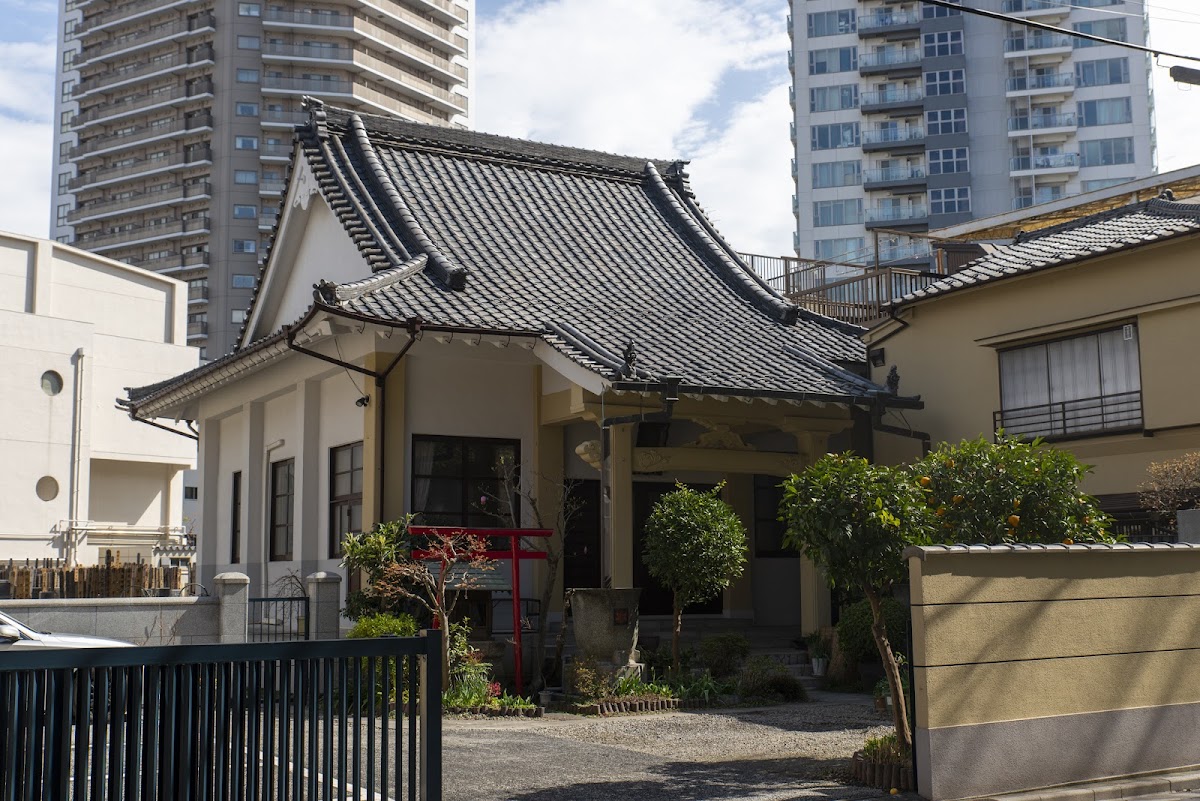
The most distinctive feature of Tokiwa Inari Shrine is its location. In Nihonbashi, the heart of Tokyo, amidst the towering skyscrapers of the business district, the shrine preserves its Edo-period faith like a time capsule. The vermilion torii gate and small shrine building, amidst the hustle and bustle of the city, offer visitors a sense of peace and the weight of history.
The Magnificent History of Tokiwa Inari Shrine | From Ota Dokan to the Present
Understanding the history of Tokiwa Inari Shrine reveals the crucial role this small shrine has played.
Founded in the Muromachi Period, Chōroku 1 (1457)
The founding of Tokiwa Inari Shrine dates back to the mid-Muromachi period, in Chōroku 1 (1457). In that year, Ota Dokan, a prominent retainer of the Muromachi Shogunate and a renowned military commander, constructed Edo Castle.
Ota Dokan received a divided spirit from Fushimi Inari Taisha in Kyoto as the guardian deity of Edo Castle, and named it “Tokiwa Inari,” thus beginning the shrine. In other words, Tokiwa Inari Shrine was born simultaneously with Edo Castle, becoming a guardian deity of Edo.
Tokugawa Ieyasu’s Founding of Edo and the Relocation of the Shrine
In the early Edo period, when Tokugawa Ieyasu established the shogunate in Edo, large-scale expansion work was carried out on Edo Castle. At this time, Tokiwa Inari Shrine was relocated from within Edo Castle to the vicinity of the present-day Tokiwa Bridge (then called “Ohashi”).
Interestingly, this bridge was originally called “Ohashi,” but after Tokiwa Inari Shrine relocated to this site, it was renamed “Tokiwa Bridge” in honor of the shrine. In other words, the place name Tokiwa Bridge originated from Tokiwa Inari Shrine.
Deep Connection with Nihonbashi Fish Market
During the Edo period, the Nihonbashi Fish Market flourished around Tokiwa Inari Shrine. This area, then called Nagahama-cho, was a bustling center of the fish market, and Tokiwa Inari Shrine received fervent devotion from market workers and fishmongers.
Tokiwa Inari Shrine was an indispensable presence for the people of the market, as a deity of business prosperity, maritime safety, and abundant catches.
Overcoming the Great Kanto Earthquake and War Damage
The Nihonbashi area suffered devastating damage from the Great Kanto Earthquake of 1923 and the Tokyo Air Raid of 1945. Tokiwa Inari Shrine was no exception, and its main building was destroyed by fire.
However, thanks to the strong faith of the local people, reconstruction began immediately after the war, and the current shrine building was constructed. After subsequent urban redevelopment, it remains in its current location.
Continued Faith After the Tsukiji Market Relocation
In 1935, the Nihonbashi Fish Market relocated to Tsukiji Market, but faith in Tokiwa Inari Shrine continued uninterrupted. It is said that some market workers continued to visit the shrine regularly even after the relocation.
Even now, after the Tsukiji Market relocated to Toyosu in 2018, Tokiwa Inari Shrine continues to attract unwavering devotion in Nihonbashi.
Deities and Blessings | The Blessings Bestowed by Ukanomitama-no-Mikoto
Main Deity: Ukanomitama-no-Mikoto
The deity enshrined at Tokiwa Inari Shrine is Ukanomitama-no-Mikoto. Ukanomitama-no-Mikoto is a god of grain and food appearing in Japanese mythology, and is a representative deity worshipped at Inari shrines throughout Japan.
“Uka” means grain or food, and “tama” means spirit. Therefore, Ukanomitama-no-Mikoto is a god symbolizing the “spirit of food,” and has been worshipped since ancient times as a guardian deity of abundant harvests, business prosperity, and industrial development.
Blessings of Tokiwa Inari Shrine
Tokiwa Inari Shrine is said to offer the following blessings:
- Business Prosperity: Located in Nihonbashi, the heart of Japanese commerce, the shrine is particularly famous for its blessings of business prosperity.
- Abundant Harvest: Prayers for a bountiful harvest, the original divine virtue of Inari.
- Industrial Development: Prayers for the development of companies and businesses.
- Family Safety: Protection of family health and safety.
- Good Fortune and Prosperity: Improvement of overall luck.
In particular, business people and managers in Nihonbashi are often seen visiting the shrine before starting work or before important business meetings.
About the Subsidiary Shrines of Tokiwa Inari Shrine
Within the grounds of Tokiwa Inari Shrine, there are other deities enshrined besides the main deity.
Sanchiyo Inari Shrine (Subsidiary Shrine)
Within the grounds, there is a subsidiary shrine called Sanchiyo Inari Shrine. This subsidiary shrine was particularly revered by market workers during the time when the Nihonbashi Fish Market existed.
Mizuha-no-me-no-kami
According to some sources, Mizuha-no-me-no-kami is also enshrined at Tokiwa Inari Shrine. Mizuha-no-me-no-kami is the goddess of water, and it is believed that she also attracted worship as a water deity due to her connection to the fish market.
She is a deity who is also worshipped by people involved in the water trade and the food and beverage industry.
Deep Connection with Tokiwa Bridge | Shrine as the Origin of the Place Name
History of Tokiwa Bridge
Tokiwa Bridge is a bridge spanning the Nihonbashi River, located very close to Tokiwa Inari Shrine. As mentioned above, this bridge was originally called “Ohashi” (Great Bridge), but after Tokiwa Inari Shrine relocated to this area, it was renamed “Tokiwa Bridge” after the shrine’s name.
Current Tokiwa Bridge
The current Tokiwa Bridge retains the main pillars of a stone arch bridge built in 1877 (Meiji 10), and is preserved as a historical building of Tokyo. The area is maintained as Tokiwabashi Park and is a beloved oasis in the heart of the city.
When visiting Tokiwa Inari Shrine, we highly recommend also visiting Tokiwabashi Bridge. The scenery of the shrine, the bridge, and the Nihonbashi River evokes a sense of historical continuity dating back to the Edo period.
Highlights of the Shrine Grounds | A Small but Impressive Space
Vermilion Torii Gate
The first thing you’ll notice when visiting Tokiwa Inari Shrine is the vibrant vermilion torii gate. Because of its location surrounded by white buildings, this vermilion color stands out even from afar, welcoming visitors as an entrance to a sacred sanctuary in the city.
Shrine Building
The shrine building, rebuilt after the war, is compact but meticulously maintained. A donation box is placed in front of the building, and there is a constant stream of worshippers.
History
Next to the torii gate, there is a sign detailing the history of Tokiwa Inari Shrine. Reading this historical account will allow you to learn about the shrine’s long history and its relationship with Nihonbashi. Please take the time to read it carefully during your visit.
Stone Monuments and Stone Sculptures
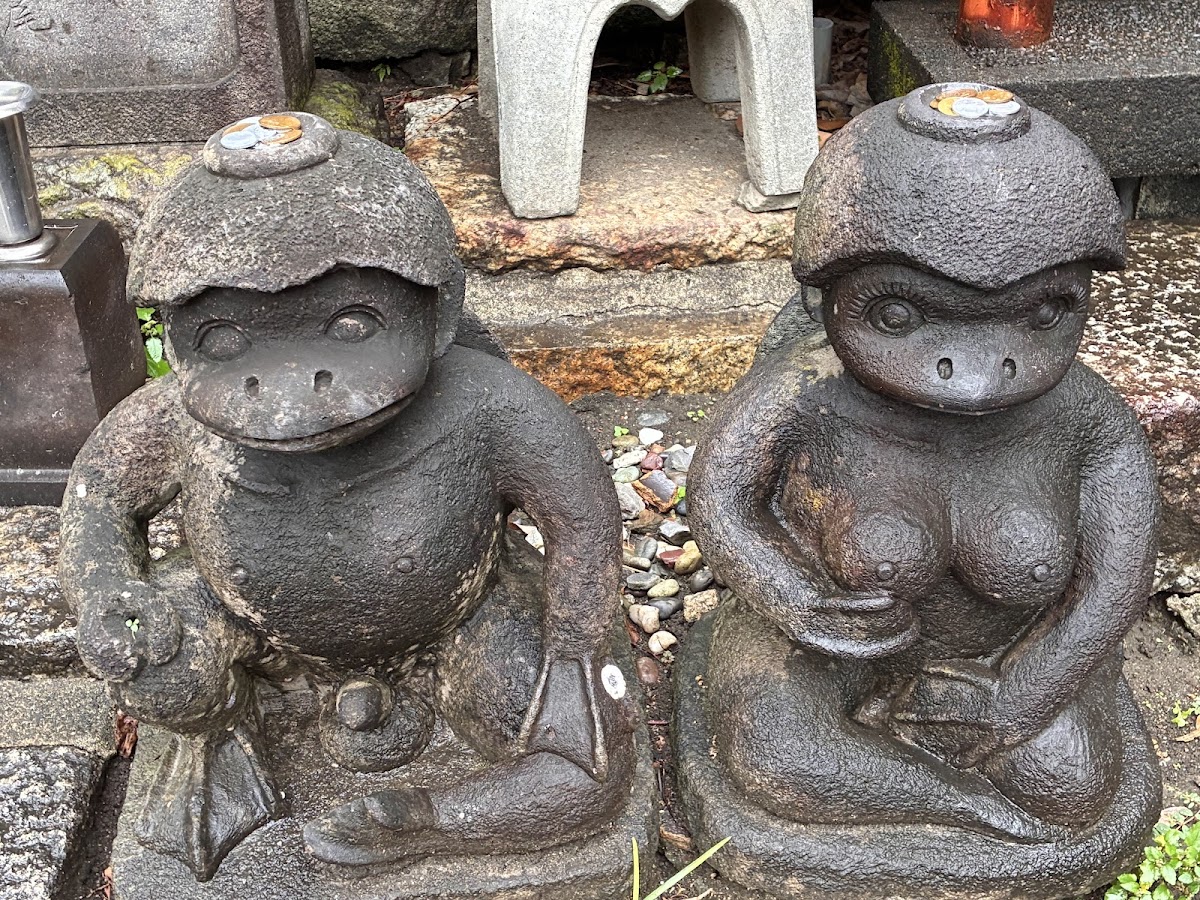
Within the shrine grounds, you will find stone monuments and sculptures that evoke a sense of history. These are testaments to the faith of the local people over many years.
How to Worship and Manners
Basic Worship Etiquette
Worship at Tokiwa Inari Shrine follows the same etiquette as at any other shrine.
- Bow before passing through the torii gate.
- If there is a water basin, purify your hands (Tokiwa Inari Shrine is small, so it may not have one).
- Place your offering in front of the shrine building.
- Pray with two bows, two claps, and one bow.
- When leaving, turn around and bow after passing through the torii gate.
Points to Note When Visiting
- As it is located in a business district, the surrounding area is crowded during weekday afternoons.
- The shrine grounds are small, so please be considerate of other worshippers.
- Photography is permitted, but please refrain from taking photos directly in front of the shrine building.
- Please strive to pray quietly.
Access Information | Convenient Location in the City Center
Access by Train
Nearest Station:
- Approximately 5-10 minutes on foot from Exit B1 of Mitsukoshimae Station on the Tokyo Metro Ginza Line and Hanzomon Line.
- Approximately 8 minutes on foot from Exit 5 of Shin-Nihonbashi Station on the JR Sobu Rapid Line.
- Approximately 10 minutes on foot from Exit B12 of Nihonbashi Station on the Tokyo Metro Tozai Line
- Approximately 12 minutes on foot from Nihonbashi Station on the Toei Asakusa Line
Mitsukoshimae Station is the closest and most convenient.
Walking Route (from Mitsukoshimae Station)
- Exit from Exit B1 of Mitsukoshimae Station
- Proceed along Chuo-dori towards Nihonbashi
- Turn right at the intersection with Edo-dori
- Follow the signs for Nihonbashi Honcho 1-chome
- You will see a vermilion torii gate between the buildings
Access by Car
Tokiwa Inari Shrine does not have its own parking lot. If you are coming by car, please use the nearby coin parking lots. However, parking fees in the Nihonbashi area are expensive, so we recommend using public transportation.
Nearby Attractions | Recommended Nihonbashi Stroll
When visiting Tokiwa Inari Shrine, we recommend also visiting the nearby historical spots.
Nihonbashi
The undisputed heart of Tokyo. Nihonbashi, the starting point of the national highway, is about a 10-minute walk away.
Mitsukoshi Main Store
The main store of Mitsukoshi, Japan’s oldest department store. There is also a branch shrine of Mimeguri Shrine on the rooftop.
Bank of Japan Head Office
The Bank of Japan Head Office, famous as a Western-style building from the Meiji era, is also within walking distance.
Tokiwabashi Park
A park where the main pillars of the aforementioned Tokiwabashi Bridge are preserved. It’s an ideal resting spot, an oasis in the heart of the city.
Fukutoku Shrine (Mebuki Inari)
Another Inari shrine located in Nihonbashi Muromachi. This shrine also has a long history, and many people visit both.
Annual Festivals and Events
Annual Festival (October 19th)
The annual festival of Tokiwa Inari Shrine is held every year on October 19th. This is the most important festival day of the year, and shrine officials and parishioners gather for a solemn Shinto ritual.
New Year’s Visit
Although small in scale, local residents and business people working in Nihonbashi visit to offer their New Year’s greetings. It’s not as crowded as larger shrines, allowing for a peaceful visit.
Daily Visits
Tokiwa Inari Shrine welcomes daily visits as well as special occasions. Many business people can be seen stopping by during their workdays.
History of Tokiwa Inari Shrine according to the Tokyo Shrine Directory
The “Tokyo Shrine Directory,” compiled by the Tokyo Shrine Association, contains the following information about Tokiwa Inari Shrine:
“Our shrine was established in 1457, during the mid-Muromachi period, when Ota Dokan built Edo Castle. He received a divided spirit of Fushimi Inari Okami in Kyoto, named it Tokiwa Inari, and enshrined it as the guardian deity of the castle. Later, under the Tokugawa Ieyasu’s administration, Edo Castle was expanded, and the shrine grounds were moved to the area around the present-day Tokiwa Bridge.”
This description indicates that Tokiwa Inari Shrine is not merely a small local shrine, but an important shrine deeply connected to the establishment of Edo Castle and, by extension, the city of Edo.
Records of Tokiwa Inari Shrine in the Chuo Ward History
The “Chuo Ward History,” compiled by Chuo Ward, also contains descriptions of Tokiwa Inari Shrine. In particular, it details its relationship with the Nihonbashi Fish Market and its role as a center of faith in Nagahama-cho.
Records show that Tokiwa Inari Shrine enjoyed deep devotion from those involved in the fish market, functioned as the market’s guardian deity, and that this devotion continued even after the market’s relocation to Tsukiji. These records illustrate the significant role Tokiwa Inari Shrine played in the local community.
The Relationship Between Tokiwa Inari Shrine and Chiyoda Ward
When researching Tokiwa Inari Shrine, the keyword “Chiyoda Ward” often appears. This stems from the fact that Tokiwa Inari Shrine was originally located within Edo Castle.
Current Chiyoda Ward encompasses the area including Edo Castle and its surroundings. Tokiwa Inari Shrine was founded as the guardian deity of Edo Castle and later relocated to its current location in Nihonbashi Honcho, Chuo Ward. In other words, it has a history of moving from Chiyoda Ward to Chuo Ward.
Due to this historical background, Tokiwa Inari Shrine is positioned as a shrine deeply intertwined with the history of both Chiyoda Ward and Chuo Ward.
The Role of Tokiwa Inari Shrine in Modern Times
Guardian Deity of the Business District
Today, Tokiwa Inari Shrine serves as a spiritual haven for business people in Nihonbashi. Many people visit, including office workers during their lunch breaks, business owners stopping by before meetings, and entrepreneurs praying for the success of new ventures.
A Role in Conveying History
In Nihonbashi, a district lined with skyscrapers, Tokiwa Inari Shrine is a valuable presence that preserves the history dating back to the Edo period. Even amidst urban development, the continued preservation of this small shrine demonstrates the respect the local people have for history.
An Urban Oasis
Near the hustle and bustle of the business district, the grounds of Tokiwa Inari Shrine offer a quiet and peaceful space. Even a short visit of just a few minutes provides a place to calm the mind and refresh.
Visitor Voices and Reviews
The following are some comments from people who have actually visited Tokiwa Inari Shrine:
- “A small shrine, but one that feels the weight of history.”
- “Nearby amidst buildings, the red torii gate is striking.”
- “A precious place to stop by during work breaks.”
- “I was surprised by its deep history, knowing it’s associated with Ota Dokan.”
- “I never imagined such a quiet space existed in the heart of the city.”
Many visitors are impressed by its deep history and tranquil atmosphere amidst the urban landscape.
Summary | A historical witness you must visit when in Nihonbashi
Tokiwa Inari Shrine, though small in scale, boasts one of the finest histories and traditions in Tokyo.
Highlights of Tokiwa Inari Shrine:
- Over 500 Years of History Dating Back to the Muromachi Period: A venerable history dating back to its founding by Ota Dokan.
- Prestige as the Guardian Deity of Edo Castle: Not merely a local shrine, but one deeply connected to the heart of Edo.
- Origin of the Place Name Tokiwabashi: The historical significance of the shrine’s name becoming a place name.
- Deep Connection with Nihonbashi Fish Market: The guardian deity of the market that supported Edo’s economy.
- Excellent Access to the City Center: A convenient location just a 5-minute walk from Mitsukoshimae Station.
- Benefits for Business Prosperity: Particularly popular with business people.
When visiting the Nihonbashi area, in addition to shopping and dining, be sure to visit Tokiwa Inari Shrine. In its small grounds surrounded by skyscrapers, you can feel the weight of history dating back to Edo and the tranquility that makes you forget the hustle and bustle of the city.
From the time when Ota Dokan built Edo Castle, through Tokugawa Ieyasu’s founding of Edo, the prosperity of the fish market, the Great Kanto Earthquake and wartime destruction, to the modern-day skyscraper district, Tokiwa Inari Shrine has witnessed the changing times. Within its small sanctuary, over 500 years of Tokyo’s history are condensed.
If you’re passing by, why not stop by and pay your respects at Tokiwa Inari Shrine, a witness to history?