Tsuchizaki Shinmei Shrine (Akita Prefecture) Complete Guide | History, Float Procession, Prayers, and Access Information
Tsuchizaki Shinmei Shrine, located in Tsuchizaki Port, Akita City, Akita Prefecture, is a venerable shrine boasting a history of approximately 400 years. The float procession of the Tsuchizaki Shinmei Shrine Festival, held every July, is designated as a National Important Intangible Folk Cultural Property and is also registered as a UNESCO Intangible Cultural Heritage. This article provides a detailed explanation of Tsuchizaki Shinmei Shrine, including its history, enshrined deities and blessings, festival events, prayers, amulets, and access information.
History and Origins of Tsuchizaki Shinmei Shrine
Founding Circumstances and the Achievements of Kawaguchi Sojiro
The history of Tsuchizaki Shinmei Shrine dates back to Keicho 7 (1602). When Satake Yoshinobu was transferred from Hitachi Province (present-day Ibaraki Prefecture) to Akita, his former retainer, Kawaguchi Sojiro, followed him to Akita. At this time, Kawaguchi Sojiro arrived at Tsuchizaki Port carrying the sacred object of the Shinmei Shrine, which he had worshipped in Hitachi Province.
Kawaguchi Sojiro was appointed as the town’s representative (kimoiri-yaku) of Tsuchizaki, and initially enshrined the Shinmei Shrine within his own residence. Tsuchizaki Port at that time was a thriving trading hub where ships and people gathered from all over the country, and Kawaguchi Sojiro consulted with the townspeople about establishing a shrine as the guardian shrine of Tsuchizaki.
Relocation to the Minato Castle Ruins and Construction of the Shrine
In 1620 (Genna 6), with permission from the feudal lord Satake, a formal shrine building was constructed on the site of the former Dewa Minato Castle (present-day Tsuchizaki Port Central, Akita City). From this point onward, Tsuchizaki Shinmei Shrine has been revered by the local residents as the guardian shrine of Tsuchizaki Minato-machi.
The Satake family held Tsuchizaki Shinmei Shrine in exceptional esteem, providing generous protection, including allocating 100 koku of rice tax from the port to the shrine’s expenses. This historical background formed the foundation for Tsuchizaki Shinmei Shrine’s development as a spiritual pillar of the region.
Development in the Modern Era
In 1881 (Meiji 14), Tsuchizaki Shinmei Shrine was designated a prefectural shrine, recognized as one of the most prestigious shrines in Akita Prefecture. After World War II, it joined the Association of Shinto Shrines and remains a member of the Akita Prefectural Association of Shinto Shrines today.
In 1997, the float procession of the Tsuchizaki Shinmei Shrine Festival, held annually on July 20th and 21st, was designated a National Important Intangible Folk Cultural Property. In 2016, it was registered as one of the UNESCO Intangible Cultural Heritage “Mountain, Float, and Procession Festivals.” This historical recognition has made the shrine a nationally recognized landmark.
Deities and Benefits
Main Deity: Amaterasu Omikami
The deity enshrined at Tsuchizaki Shinmei Shrine is Amaterasu Omikami. Amaterasu Omikami is the supreme deity in Japanese mythology and is known as the goddess who governs the sun. She is also enshrined at the Inner Shrine of Ise Grand Shrine and is revered as the ancestral deity of the Imperial Family.
The name “Shinmei-sha” is used for shrines that enshrine Amaterasu Omikami, and Shinmei-sha and Shinmei-gu shrines exist throughout Japan. Following this tradition, Tsuchizaki Shinmei Shrine also enshrines Amaterasu Omikami as its principal deity.
Diverse Blessings
Tsuchizaki Shinmei Shrine is believed to offer a variety of blessings, including:
- Good Fortune and Prosperity: Enhancing luck and attracting good fortune
- Family Safety: Protecting the health and peace of the family
- Exorcism: Warding off misfortune and purification during unlucky years
- Business Prosperity: Encouraging business development and thriving commerce
- Maritime Safety: As the guardian shrine of the port town, it protects safe voyages
- Prayer for Success in Exams: Achieving academic success and passing exams
- Good Relationships: Forging good relationships
Especially known for its blessings of good fortune and protection from misfortune, it is a power spot visited by many worshippers from both within and outside Akita Prefecture.
Tsuchizaki Shinmei Shrine Festival Float Procession
Traditional Event Designated as a Nationally Important Intangible Folk Cultural Property
The Tsuchizaki Shinmei Shrine Festival Float Procession is the largest festival in Tsuchizaki Port, held annually on July 20th and 21st. This event boasts a history of approximately 400 years and was designated a Nationally Important Intangible Folk Cultural Property in 1997. Furthermore, in 2016, it was registered as a component of the UNESCO Intangible Cultural Heritage “Mountain, Float, and Festival Cart Events,” making it an internationally recognized cultural heritage.
Features and Highlights of the Floats
The floats of the Tsuchizaki Shinmei Shrine Festival are magnificent and elaborately crafted by each neighborhood. Each year features a different theme, depicting historical figures, stories, and current events in a three-dimensional way.
Characteristics of the floats:
- Height: Magnificent floats reaching up to approximately 15 meters in height
- Decoration: Exquisite dolls, sculptures, and lavish decorations
- Lighting: Lanterns and illuminations create a fantastical atmosphere at night
- Music: Drums and flutes enliven the festival
Festival Schedule
July 20th (Eve Festival)
- Final preparations for the floats in each neighborhood
- The floats parade through the neighborhood from evening to night
- Enjoy the fantastical sight illuminated by lanterns
July 21st (Main Festival)
- From the morning, the floats from each neighborhood gather at the shrine
- A Shinto ritual is performed
- A grand float procession takes place from afternoon to night
- Each neighborhood competes to showcase its floats.
During the festival, the entire Tsuchizaki Port area is filled with excitement, attracting tens of thousands of tourists from within and outside the prefecture. The float procession is a source of pride for the people of Tsuchizaki and a cultural event symbolizing the region’s identity.
Major Annual Rituals and Events
Tsuchizaki Shinmei Shrine holds various rituals and festivals throughout the year.
Main Annual Events
January
- New Year’s Day Festival (January 1st): A festival celebrating the New Year
- Saidansai: A prayer for national peace and prosperity for the parishioners at the beginning of the year
February
- Setsubun Festival: A ritual to ward off evil and invite good fortune by scattering beans
- Kinensai: A prayer for a bountiful harvest and industrial development
March-May
- Spring Festival: A festival celebrating the arrival of spring
July
- Tsuchizaki Shinmei Shrine Festival (July 20th-21st): The largest festival of the year, featuring a float procession
September-November
- Autumn Festival: A festival to give thanks for the bountiful autumn harvest
- Shichi-Go-San Pilgrimage: A celebration of children’s growth and a prayer for their healthy development
- Niiname-sai: A festival to give thanks for the harvest
December
- Oharai Ceremony: A Shinto ritual to purify and cleanse away the sins and impurities accumulated over the past six months
- New Year’s Eve Festival: A celebratory event marking the end of the year.
These Shinto rituals play an important role in preserving local traditions and fostering the faith of parishioners and worshippers.
Information on Prayers and Supplications
Details of Various Prayers
Tsuchizaki Shinmei Shrine accepts prayers for various milestones in life and for specific wishes.
Life Rituals
- First Shrine Visit: Reporting the birth of a baby to the gods and praying for healthy growth.
- Shichi-Go-San Ceremony: Giving thanks and praying for a child’s growth at the milestones of 3, 5, and 7 years old.
- Exorcism: Praying for protection from misfortune during unlucky years and praying for safety.
- Milestone Celebrations: Celebrating longevity such as 60th, 70th, and 77th birthdays.
Good Fortune and Prayers
- Family Safety: Praying for the health of family members and peace in the home.
- Business Prosperity: Praying for the development and prosperity of business.
- Passing Exams: Praying for success in exams and qualification tests.
- Traffic Safety: Praying for the safety of vehicles and drivers.
- Recovery from Illness: Praying for recovery from illness.
- Good Matchmaking: Praying for finding a good match.
For Groups and Companies
- Safety Prayer: Praying for safety in construction and business operations.
- Company Prosperity: Praying for the development of the company.
- On-site ceremonies: Groundbreaking ceremonies, roof-raising ceremonies, and other ceremonies held at the site.
How to request a prayer
While advance reservations are recommended for prayers, same-day registration is also possible. Fill out the application form at the shrine office and pay the offering fee. The offering fee varies depending on the prayer requested, so it is recommended to confirm with the shrine in advance.
After the prayer, you will receive a talisman, amulet, and offerings (leftover offerings).
Amulets and other items
Popular Hello Kitty Amulets
Particularly popular at Tsuchizaki Shinmei Shrine are the amulets created in collaboration with Hello Kitty. These Hello Kitty-designed amulets, rare nationwide, are so popular that orders pour in from all over the country.
Types of Hello Kitty charms:
- Smartphone strap type
- Good luck charm
- Festival float design charm
- Traffic safety charm
Despite their adorable designs, these charms are formally blessed at shrines and are popular with people of all ages, from young adults to seniors. Orders can be placed by phone or online for those living far away.
Other Items Offered
Amulets
- Good Fortune Amulet: An amulet for improving luck
- Exorcism Amulet: An amulet to ward off evil
- Academic Success Amulet: An amulet for improving academic performance
- Traffic Safety Amulet: An amulet to protect your car and yourself
- Health Amulet: An amulet for good health and longevity
Talismans
- Jingu Taima: A talisman from Ise Grand Shrine
- Ujigami Talisman: A talisman from Tsuchizaki Shinmei Shrine
- Various Prayer Talismans
Other
- Goshuin (Shrine Seal): A memento of your visit
- Ema (Votive Tablet): A talisman for writing your wish and offering it
- Omikuji (Fortune Slip): A way to tell your fortune
Highlights of the Shrine Grounds
Shrine Buildings and Architecture
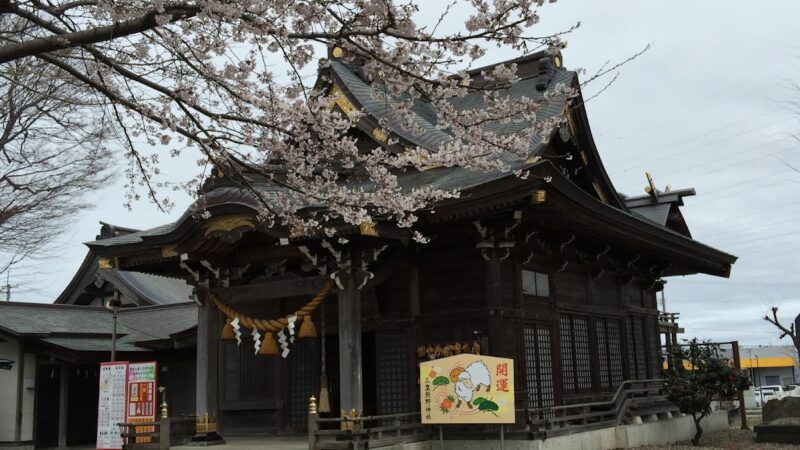
The shrine buildings of Tsuchizaki Shinmei Shrine are historical structures built on the site of Dewa Minato Castle. The main hall, worship hall, and shrine office are neatly arranged, creating a solemn atmosphere.
The shrine building is constructed in the traditional style of Shinto architecture, and the detailed carvings and decorations are particularly noteworthy. Especially during the annual festival, many floats gather in front of the shrine, creating a spectacular sight.
Facilities within the Shrine Grounds
Water Basin
A place to purify your mind and body before praying. Follow the proper etiquette to purify your hands and mouth.
Amulet and Shrine Office
A place where amulets and Goshuin (shrine stamps) are given out. Prayers and blessings are also accepted here.
Float Exhibition Facility
Sometimes, parts of the floats used in the festival and related materials are on display.
Etiquette for Visiting the Shrine
- Bow before passing through the torii gate
- Avoid walking in the center of the path (the center is the path for the gods)
- Purify yourself at the water basin
- Perform “two bows, two claps, one bow” in front of the main hall
- Make your wish quietly in your heart
Access and Parking Information
Location
Address: 3-9-37 Tsuchizakiminato Chuo, Akita City, Akita Prefecture 011-0945
Access by Train
JR Ou Main Line
- Get off at Tsuchizaki Station, approximately 15 minutes on foot
- From the station, head northwest towards Tsuchizakiminato on foot to reach the shrine
Access by Car
Akita Expressway
- Approximately 10 minutes from Akita Kita IC
- Take National Route 7 towards Tsuchizakiminato
From Central Akita City
- Head north on National Route 7, approximately 20 minutes
- Near Tsuchizaki Port Central Intersection
Parking
The shrine has a parking lot for visitors. However, during the festival period (July 20th and 21st), surrounding roads will be closed to traffic and the parking lot will be crowded, so using public transportation is recommended.
Temporary parking lots may be set up during the festival, so it is recommended to check with the shrine or Akita City tourist information center in advance.
Nearby Tourist Attractions
Historic Streetscape of Tsuchizaki Port
Tsuchizaki Port is a port town that has existed since the Edo period, and historical buildings and streetscapes remain. A stroll after visiting the shrine is recommended.
Serion (Akita Port Tower)
A 143-meter-tall observation tower located near Tsuchizaki Port. It offers panoramic views of Akita city, the Sea of Japan, and the Oga Peninsula. Approximately 10 minutes by car from the shrine.
Tsuchizaki Minato Historical Museum
A facility exhibiting materials on the history of Tsuchizaki Port and the float procession. You can learn more about the Tsuchizaki Shinmei Shrine Festival. ## Visitor Feedback and Reputation
Tsuchizaki Shinmei Shrine is a popular shrine visited by many worshippers not only from the local area but also from within and outside the prefecture.
Points of Reputation:
- Known for its strong efficacy in warding off evil and bringing good fortune
- Cute and popular Hello Kitty amulets
- Impressive awe at the power and beauty of the float procession
- Courteous service from the shrine priests
- Clean and tranquil atmosphere of the shrine grounds
- Solemn shrine buildings that evoke a sense of history
Especially during the float procession, it is widely considered a “must-see” event, and is known as a festival with many repeat visitors.
Cultural Value of Tsuchizaki Shinmei Shrine
Center of the Local Community
Tsuchizaki Shinmei Shrine is not merely a religious facility, but functions as the center of the local community. Through the preparations for the float procession, the bonds within each neighborhood are strengthened, and intergenerational exchanges are fostered.
Younger generations actively participate in the festival, and a system for passing on traditional techniques and culture has been established. In this respect, Tsuchizaki Shinmei Shrine plays an important role in the preservation and transmission of local culture.
Significance as a UNESCO Intangible Cultural Heritage
With its inscription as a UNESCO Intangible Cultural Heritage in 2016, the Tsuchizaki Shinmei Shrine Festival’s float procession was recognized as an international cultural heritage. This signifies that the value of Japan’s traditional festival culture has been recognized globally.
The inscription has led to an increase in tourists and contributed to the revitalization of the local economy. At the same time, the responsibility for preserving the cultural heritage has also increased, and local residents continue to protect the tradition with pride.
Precautions When Visiting
Clothing and Belongings
- If receiving prayers, please wear formal or clean attire if possible.
- Take precautions against the heat in summer and cold in winter.
- Bring your goshuincho (stamp book) if you wish to receive a goshuin (shrine stamp).
Photography
Photography is generally permitted on the shrine grounds, but consideration must be given to avoid disturbing other visitors or during religious ceremonies. There are also areas where photography is prohibited, such as inside the shrine buildings; please follow the signs.
Precautions During the Festival
The area will be extremely crowded during the festival on July 20th and 21st.
- Aim to arrive early.
- Use of public transportation is recommended.
- If you are with small children, be careful not to get lost.
- Take precautions against heatstroke (hydration, hats, etc.).
Summary: The Charm of Tsuchizaki Shinmei Shrine
Tsuchizaki Shinmei Shrine is a representative shrine of Akita Prefecture with a history of approximately 400 years. It enshrines Amaterasu Omikami and is a popular power spot for many visitors, offering various blessings such as good fortune, protection from evil, and family safety.
In particular, the float procession of the Tsuchizaki Shinmei Shrine Festival, held every July, is a valuable cultural event registered as a National Important Intangible Folk Cultural Property and a UNESCO Intangible Cultural Heritage. The magnificent procession of the floats is well worth seeing.
Tsuchizaki Shinmei Shrine is full of attractions worth visiting, including popular Hello Kitty amulets and other items offered, solemn prayers, and a warm, community-rooted atmosphere.
When you visit Akita, be sure to visit Tsuchizaki Shinmei Shrine and experience its history, culture, and sacred atmosphere. It’s a shrine that warmly welcomes all visitors, whether you’re seeking good fortune and a good relationship, or simply want to experience traditional Japanese culture.