Tsuda Hachiman Shrine (Kokura Minami-ku, Kitakyushu City, Fukuoka Prefecture) Complete Guide | History, Deities, Blessings, and Access Information
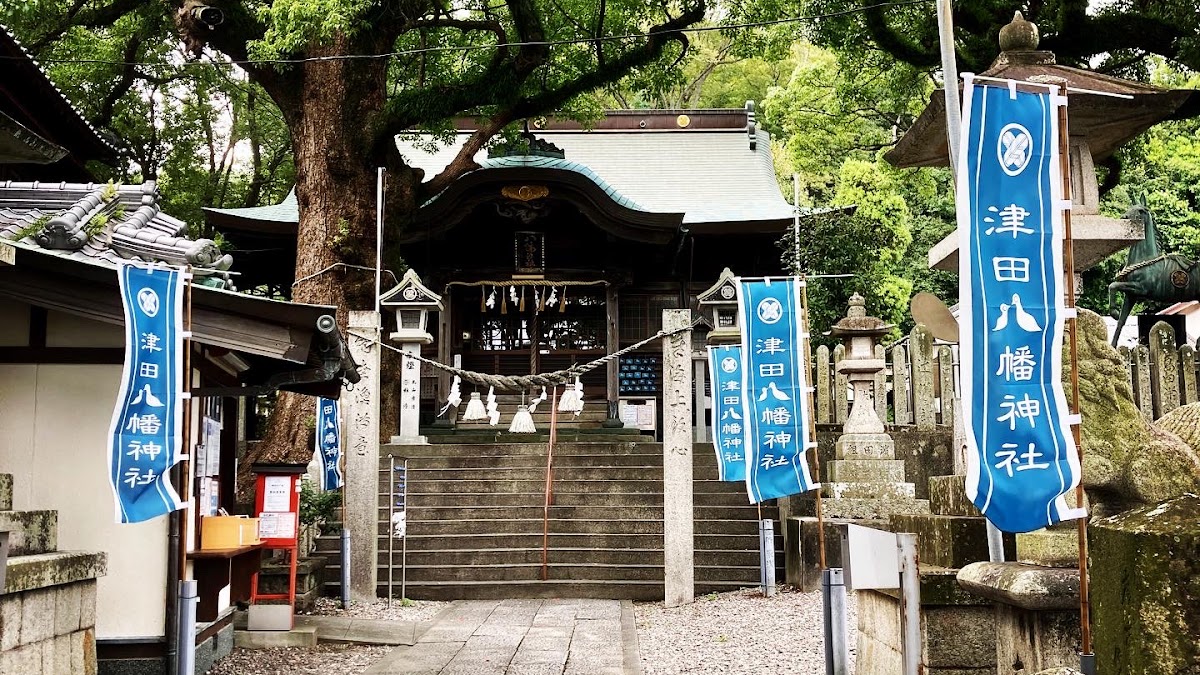
Tsuda Hachiman Shrine, located in Tsuda, Kokura Minami-ku, Kitakyushu City, Fukuoka Prefecture, is a venerable shrine with a history of over a thousand years. Revered as the local tutelary deity, it is known for various blessings, including prayers for safe childbirth, protection from evil, bountiful harvests, and traffic safety. This article provides a detailed introduction to Tsuda Hachiman Shrine, including its history, enshrined deities, highlights within the grounds, visiting information, and access methods.
History and Origins of Tsuda Hachiman Shrine
Founding History
The founding of Tsuda Hachiman Shrine dates back to 987 (Eien 1). In that year, a shrine was constructed on Ikuiwayama Mountain, and it is believed to have begun as the tutelary deity of Tsuda Village and Tahara Village. During the mid-Heian period, Hachiman worship was widespread throughout Japan, and Hachiman was enshrined as the guardian deity of the region.
Iwayama Mountain, located on a hill overlooking the present-day Tsuda district, has long been recognized as a sacred place by local residents. The construction of a shrine on this site became a base for praying for the safety and prosperity of Tsuda and Tahara villages.
Deep Connections to the Community
For over a thousand years, Tsuda Hachiman Shrine has functioned as the central place of worship in the Tsuda district. In an era when agriculture was the main industry, it was revered as a shrine for praying for abundant harvests and as a deity protecting the lives of the local residents.
Even today, as the local tutelary shrine, many worshippers visit for important life events such as New Year’s visits, Shichi-Go-San (a traditional rite of passage for children), and exorcisms. It continues to play an important role as a spiritual pillar of the local community.
Deities and Benefits
Main Deity: Hondawake-no-Mikoto
The deity enshrined at Tsuda Hachiman Shrine is Hondawake-no-Mikoto. Hondawake-no-Mikoto is another name for Emperor Ojin and is worshipped as Hachiman-sama at Hachiman shrines throughout Japan. Known as the god of military fortune and victory, he is also widely worshipped as the god of national protection and industrial development.
It is said that Hondawake-no-Mikoto possessed miraculous powers even while in the womb of his mother, Empress Jingu, and he is revered as the god of safe childbirth. Because of this history, many people visit Tsuda Hachiman Shrine to pray for safe childbirth.
Benefits of Tsuda Hachiman Shrine
Tsuda Hachiman Shrine is known for the following benefits:
Prayers for Safe Childbirth Due to the legend surrounding the birth of Hondawake-no-Mikoto, he has been worshipped as the god of safe childbirth since ancient times. It is customary to visit the shrine on the Day of the Dog in the fifth month of pregnancy to pray for a safe delivery.
Exorcism and Purification
People in their unlucky years visit the shrine to ward off misfortune and cleanse themselves. Many people, especially men at age 42 and women at age 33, receive prayers for protection against misfortune.
Improved Agricultural Production
With a history of protecting Tsuda Village and Tahara Village as the local guardian deity, the shrine is also revered as a place to pray for abundant harvests and agricultural prosperity. Farmers visit to pray for a bountiful harvest.
Traffic Safety
In modern times, the shrine is also worshipped as a god of traffic safety, and visitors come for blessings upon purchasing a new car or to pray for daily traffic safety.
Family Safety and Business Prosperity
As a guardian deity of the region, many visitors pray for the health and safety of their families and the prosperity of their businesses, and various prayers are offered throughout the year.
Highlights of the Shrine Grounds
Main Hall and Worship Hall
The main hall of Tsuda Hachiman Shrine is built in the traditional style of shrine architecture, creating a solemn atmosphere. In the worship hall, visitors can offer prayers to the gods and find peace of mind in a tranquil setting.
Natural Environment of the Shrine Grounds
The area surrounding the shrine is blessed with lush greenery, allowing visitors to experience the beauty of nature throughout the seasons. Especially in spring, cherry blossoms bloom, and in autumn, the leaves turn vibrant colors, allowing visitors to enjoy the changing seasons while praying.
The quiet atmosphere of the shrine grounds provides a precious space for finding peace of mind, even in an urban area.
Surrounding Area Features
Near Tsuda Hachiman Shrine is the Chikurin-tei Tsuda Main Store, and the area is known for the sweet aroma of confectionery. Visitors can also enjoy local specialties during their visit.
Annual Events and Festivals
New Year’s Visit
Many worshippers visit the shrine for their first shrine visit of the new year, praying for safety and happiness throughout the year. The area is especially lively from New Year’s Day to the third day, and is a local New Year’s tradition.
Grand Festival
Various festivals are held throughout the year, providing opportunities to strengthen community bonds. The Grand Festival features a procession of portable shrines and dedication ceremonies, serving as a venue for the transmission of traditional culture.
Shichi-Go-San Festival
In November, the shrine is bustling with visitors celebrating Shichi-Go-San (a traditional Japanese rite of passage for children). Many families visit to pray for the healthy growth of their children, and the shrine grounds become vibrant with children in their finest attire.
Etiquette and Manners for Visiting a Shrine
Basic Etiquette for Visiting a Shrine
The basic etiquette for visiting a shrine is as follows:
- Bow Before Passing Through the Torii Gate
Bow before entering the sacred area, bow before the torii gate.
- Purifying at the Water Basin
Purify your hands and mouth at the water basin. Hold the ladle in your right hand, wash your left hand, switch to your left hand and wash your right hand, then switch back to your right hand, receive water in your left hand, and rinse your mouth.
- Walk on the Edge of the Path
The center of the path is considered the path of the gods, so it is proper etiquette to walk on the edge.
- Worship at the Main Hall
Place your offering, ring the bell, and worship using the two bows, two claps, and one bow ritual.
Attire for Worship
While no special attire is required for regular worship, if you are receiving a prayer, it is advisable to wear attire that is not too casual. Especially for formal prayers such as exorcism or prayers for safe childbirth, it is recommended to wear proper attire.
Access Information
Location
Address: 3-2-18 Tsuda, Kokuraminami-ku, Kitakyushu City, Fukuoka Prefecture
Phone: 093-581-5234
Transportation Access
Access by Car
Approximately 15 minutes from the Kitakyushu Urban Expressway “Higashi-ko IC”. Parking is available around the shrine, but congestion is expected during New Year’s visits and festivals, so please consider using public transportation.
Access by Public Transportation
Approximately 10 minutes by car from JR Nippo Main Line “Shimosone Station,” or accessible by bus. Nishitetsu bus routes pass through the Tsuda area, and the shrine is within walking distance from the nearest bus stop.
Visiting Hours
The shrine grounds are generally open all day, but the shrine office has limited hours. If you wish to receive prayers or amulets, it is recommended to confirm by phone in advance.
Attractions Around Tsuda Hachiman Shrine
History of the Tsuda Area
The Tsuda area has a long history and developed primarily through agriculture. While rural landscapes remain, it has also developed as a residential area, creating a harmonious blend of history and modernity.
Nearby Shrines and Temples
In addition to Tsuda Hachiman Shrine, many other shrines are scattered throughout Kokura Minami Ward in Kitakyushu City. Kuzuhara Hachiman Shrine, Numa Hachiman Shrine, Munakata Shrine, and others each have their own unique characteristics, making a shrine pilgrimage a delightful experience.
Local Specialties
The Tsuda area is a thriving agricultural region, and its fresh produce is a major draw. Furthermore, there are long-established Japanese confectionery shops in the area, including the aforementioned Takebayashi-tei Tsuda Main Store, which are recommended for a visit during your pilgrimage.
About Prayers at Tsuda Hachiman Shrine
Types of Prayers
At Tsuda Hachiman Shrine, you can receive prayers for various life milestones and wishes:
- Prayer for Safe Childbirth: Generally performed on the Day of the Dog in the fifth month of pregnancy.
- First Shrine Visit: Reporting the birth of a baby to the gods and praying for healthy growth.
- Shichi-Go-San: Celebrating the growth of children at ages 3, 5, and 7, and praying for their future health.
- Exorcism: For those in their unlucky years, prayers are offered to ward off misfortune.
- Traffic Safety: Prayers are offered for car blessings and daily traffic safety.
- Family Safety: Prayers are offered for the health and peace of all family members.
- Business Prosperity: Prayers are offered for the development and prosperity of a business.
Reservations and Registration for Prayer
If you wish to receive a prayer, we recommend making a reservation by phone in advance. Especially on weekends, auspicious days, and the Day of the Dog, crowds are expected, so it is best to contact us in advance.
The prayer fee (offering fee) varies depending on the type of prayer, so please confirm when making a reservation.
Amulets and Gifts
Various Amulets
Tsuda Hachiman Shrine offers amulets for various blessings:
- Safe Childbirth Amulet: An amulet for praying for a safe childbirth
- Exorcism Amulet: An amulet for warding off evil
- Traffic Safety Amulet: An amulet for the safety of cars and bicycles
- Academic Success Amulet: An amulet for wishing for academic success
- Health Amulet: An amulet for wishing for health and recovery from illness
Amulets can be obtained at the shrine office. Please visit during reception hours.
About Goshuin (Shrine Seals)
For those who enjoy visiting shrines as a hobby, Goshuin (shrine seals) are also available. Please bring your Goshuincho (seal book) and apply at the shrine office. A Goshuin (temple/shrine stamp) serves as proof of worship and a memento.
Tsuda Hachiman Shrine and the Local Community
Center of Local Faith
Since its founding in 987, Tsuda Hachiman Shrine has been a spiritual pillar of the Tsuda district for over a thousand years. Revered by local residents as the tutelary deity, it serves as a place of worship at various milestones in life, forming the core of the community’s identity.
Preservation of Traditional Culture
Shrine festivals and events are important opportunities to pass on local traditional culture to the next generation. Children participating in festivals learn about local history and culture, fostering a sense of belonging to the community.
Place for Community Interaction
Events such as New Year’s visits and annual festivals are valuable opportunities for local residents to gather and interact. In modern society, where community ties tend to be weaker, shrines function as places where people can meet face-to-face and deepen their bonds.
Precautions When Visiting the Shrine
Manners on the Shrine Grounds
The shrine is a sacred place, so please observe the following manners when visiting:
- Do not make loud noises
- Eat and drink only in designated areas on the shrine grounds
- Please refrain from bringing pets (please keep them on a short leash, etc.)
- Photography is permitted, but please be considerate of other visitors
- Please take all your trash with you
Precautions When Using the Parking Lot
The parking lot will be crowded during New Year’s visits and festivals. To avoid inconveniencing local residents, please avoid street parking and follow the instructions of the staff. If possible, we recommend using public transportation.
The Charm of Tsuda Hachiman Shrine
The Weight of History
Founded in 987, Tsuda Hachiman Shrine boasts a history of over a thousand years, having walked hand in hand with the local community throughout its long history. The faith of the people who built the shrine on Iwayama Mountain has been passed down continuously to the present day.
Diverse Blessings
Tsuda Hachiman Shrine’s appeal lies in its diverse blessings, including safe childbirth, protection from evil, improved agricultural production, and traffic safety. It has provided emotional support to many people at various stages of their lives.
Easy Access
Located in the Tsuda district of Kokura Minami Ward, Kitakyushu City, it’s easily accessible by both car and public transport. Its relatively close proximity to urban areas makes it a convenient place to visit.
Quiet Environment
The shrine grounds are enveloped in a quiet and peaceful atmosphere, making it an ideal place to escape the hustle and bustle of everyday life and find peace of mind. You can enjoy a leisurely visit amidst the lush greenery.
Visiting Other Shrines in the Kitakyushu Area
When visiting Tsuda Hachiman Shrine, why not explore other shrines in the Kitakyushu area? Kokura Minami Ward is home to several shrines, including Kuzuhara Hachiman Shrine, Numa Hachiman Shrine, and Munakata Shrine, each with its own unique characteristics.
Each shrine enshrines a different deity and possesses its own unique blessings and history. Visiting shrines will allow you to gain a deeper understanding of Kitakyushu’s history and culture.
Summary
Tsuda Hachiman Shrine is a historic shrine located in Kokura Minami-ku, Kitakyushu City, Fukuoka Prefecture. Since its founding in 987, it has been revered by local residents as the tutelary deity of Tsuda Village and Tahara Village, and is known for its diverse blessings, including safe childbirth, protection from evil, improved agricultural production, and traffic safety.
Enshrining Hachiman-no-Mikoto as its main deity, it has functioned as a spiritual pillar of the community for over a thousand years. Many worshippers visit for important life events such as New Year’s visits, Shichi-Go-San (a traditional rite of passage for children), and exorcisms, and it remains a central presence in the local community.
Located at 3-2-18 Tsuda, Kokura Minami-ku, Kitakyushu City, it is accessible by both car and public transport. The quiet and peaceful grounds provide an ideal environment for calming the mind and offering prayers to the gods.
Why not visit Tsuda Hachiman Shrine at various stages of your life? You can offer a heartfelt prayer at this shrine with a history of over a thousand years.