What is Dainenji Temple? A Thorough Explanation of the Charm and Characteristics of Historic Jodo Sect Temples Across Japan
Dainenji Temples are a group of Jodo Sect temples located throughout Japan. Each Dainenji Temple has its own unique history and characteristics, and has long been cherished as a center of local faith. This article comprehensively introduces the history, characteristics, annual events, and access information of major Dainenji Temples.
Overview of Dainenji Temples and the Jodo Sect
The name Dainenji Temple embodies the teachings of the Jodo Sect, which emphasizes the recitation of Amida Buddha’s name. The Jodo Sect is a Buddhist sect founded by Honen Shonin, and it teaches that one can attain rebirth in the Pure Land by chanting “Namu Amida Butsu.”
Dainenji Temples throughout Japan were founded in different eras and are deeply intertwined with the history and culture of their respective regions. Dainenji temples exist in various regions, including Hiratsuka City in Kanagawa Prefecture, Inashiki City in Ibaraki Prefecture, Ibaraki City in Osaka Prefecture, Oyamazaki Town in Kyoto Prefecture, Masaki Town in Ehime Prefecture, and Toyama Prefecture, each preserving its own unique history and traditions.
Dainenji Temple (Mikosan Dainenji) in Hiratsuka City, Kanagawa Prefecture
Temple Characteristics and History
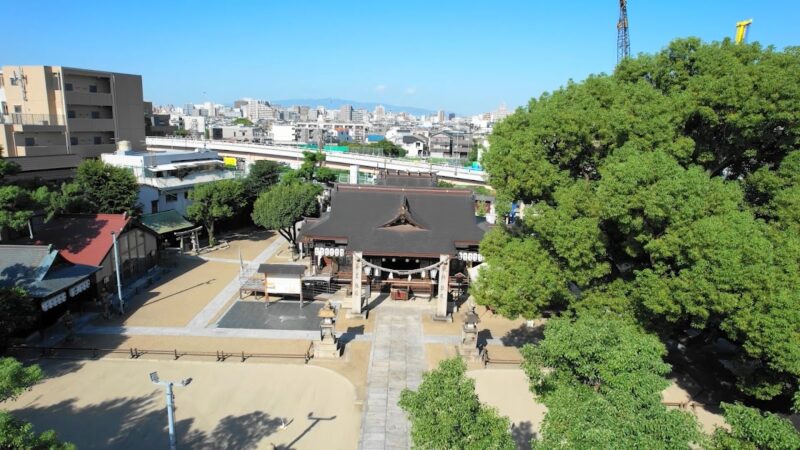
Mikosan Dainenji Temple, located in Shinomiya, Hiratsuka City, Kanagawa Prefecture, is known as a Jodo sect temple deeply rooted in the community. This temple boasts well-maintained grounds and is cherished as a place of worship for parishioners and local residents.
Pet Memorial Service
Dainenji Temple in Hiratsuka City offers a “pet memorial service” service that meets modern needs. For those who wish to commemorate their beloved pets, a dedicated memorial grave is provided, and respectful memorial services are conducted. It functions as a place of solace for those who have lost their pets.
Annual Events
At Dainenji Temple in Hiratsuka City, various annual events are held based on the traditions of the Jodo sect.
April 8th: Buddha’s Birthday Celebration
The Buddha’s Birthday Celebration, also known as the “Flower Festival,” is held to celebrate the birth of Buddha. Traditional Buddhist ceremonies, such as the pouring of sweet tea, are performed.
April 18th: Meeting of Representatives and Caretakers
An important meeting is held where representatives and caretakers involved in the operation of the temple gather to discuss annual events and the management of the temple.
May 22nd: Chanting Competition at Kamakura Komyoji Temple
Participation in a chanting competition is held as a related event with Kamakura Komyoji Temple, the head temple of the Jodo sect.
July 6th: Kamakura Komyoji Temple Founding Anniversary Ceremony and Laypeople’s Meeting
Laypeople have the opportunity to participate in an important ceremony at Kamakura Komyoji Temple, the head temple of the Jodo sect.
August 2nd: Dainenji Temple Grand Segaki Memorial Service
As an important summer service, the Grand Segaki Memorial Service is held to commemorate the spirits that have fallen into the realm of hungry ghosts. It is a grand service attended by many parishioners.
August 14th: Joint Obon Memorial Service
During the Obon period, a joint memorial service is held to welcome the spirits of ancestors. Many parishioners gather in the afternoon.
October 10th: Dainenji Temple Ten-Night Memorial Service
The Ten-Night Memorial Service, an important service of the Jodo sect, is held. It commemorates the ten-day and ten-night practice of chanting the Buddha’s name.
October 13th-14th: Kamakura Komyoji Temple Ten-Night Memorial Service
An opportunity to attend the Ten-Night Memorial Service at the head temple is provided.
November 29th: Ordination Ceremony (Buddhist Image Cleaning Ceremony)
This is a traditional ceremony in which the Buddha statue is cleaned, an important ritual in which believers express their gratitude to the Buddha.
Dainenji Temple, Inashiki City, Ibaraki Prefecture
A Historic Temple, One of the Eighteen Danrin of the Kanto Region
Located in Inashiki City, Ibaraki Prefecture, Dainenji Temple is a historic temple founded approximately 400 years ago in 1590 (Tensho 18) by Genyo Keigan, a high-ranking priest of the Jodo sect.
The most distinctive feature of Dainenji Temple is its historical importance as one of the “Eighteen Danrin of the Kanto Region.” A Danrin was a training institution for monks, a kind of “university for monks,” and many scholar-monks trained here during the Edo period.
Main Hall and Cultural Properties
The main hall houses a valuable Buddha statue from the early Kamakura period, which is protected as an important cultural property of the region. The historically valuable buildings and Buddhist statues leave a deep impression on visitors.
Dainenji Temple, Ibaraki City, Osaka Prefecture
An Ancient Temple Associated with Fujiwara no Kamatari
Located in the Ai district in the northern part of Ibaraki City, Osaka Prefecture, Dainenji Temple is known as a historical temple associated with Fujiwara no Kamatari. Boasting one of the longest histories in Ibaraki City, it is an ancient Jodo sect temple nestled in a tranquil, nature-rich environment.
A Temple Preserving the Teachings of Honen Shonin
Dainenji Temple in Ibaraki City has long supported local faith as a temple upholding the teachings of Honen Shonin. The temple grounds are enveloped in tranquility, offering peace of mind to visitors.
One of Ibaraki City’s Oldest Historical Sites
Dainenji Temple is considered one of the oldest temples in Ibaraki City and is an indispensable presence in the history of the region. Its connection to Fujiwara no Kamatari is a crucial element in telling the ancient history of this area.
Dainenji Temple, Oyamazaki-cho, Kyoto Prefecture
A Temple Nestled at the Foot of Mt. Tenno
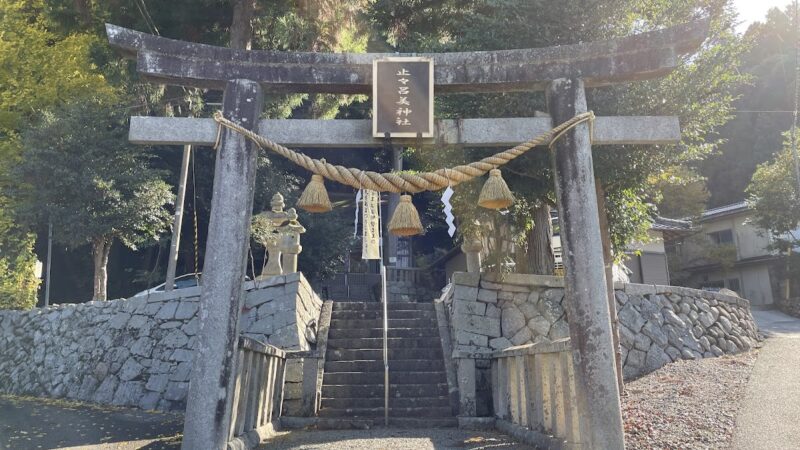
Dainenji Temple, located in Oyamazaki-cho, Otokuni-gun, Kyoto Prefecture, has the mountain name Kenbutsu-zan and is situated along the hiking trail of Mt. Tenno. It lies below the Oyamazaki Villa Museum and just below Hoshakuji Temple, with the temple grounds unfolding at the top of a steep slope.
Access and Location
While you will need to climb a steep stone staircase on the Mt. Tenno hiking trail, the view from the temple grounds is magnificent, making it a well worth a visit. Located in a historic tourist area of Kyoto, many visitors combine their visit with other sightseeing spots in the area.
Dainenji Temple (Chōonzan Dainenji) in Masaki-cho, Ehime Prefecture
A Temple Open to the Community
Chōonzan Dainenji Temple, located in Masaki-cho, Iyo-gun, Ehime Prefecture, is a temple that emphasizes its role as a “place of relaxation where local people can connect.”
Temple Philosophy
Dainenji Temple in Matsumae Town is a place of faith for honoring ancestors, and at the same time, aims to provide people with faith and peace through contributions to the community. Under the vow of Amida Buddha, the temple is open to everyone, upholding the philosophy of being “a temple where we can laugh together, cry together, learn together, play together, and share the joy of living together.”
Dainenji Temple in Toyama Prefecture
Dainenji Temple, a Jodo sect temple located in Toyama Prefecture, regularly holds various memorial services and festivals, and anyone is welcome to attend. Furthermore, the temple regularly holds activities utilizing its facilities, providing a place where local residents can easily participate.
Dainenbutsu-ji Temple in Hirano Ward, Osaka City (Head Temple of the Yuzu Nembutsu Sect)
It is important to note that “Dainenbutsu-ji Temple” in Hirano Ward, Osaka City, is the head temple of the Yuzu Nembutsu sect, not the Jodo sect, and is a different temple from “Dainenji Temple.” The Manbu Buddhist service, held every May, is known as the largest event at Dainenbutsu-ji Temple.
Common Characteristics of Jodo-shu Dainen-ji Temples
Practice of Nembutsu Faith
What is common to Dainen-ji temples throughout Japan is the practice of Nembutsu faith based on the teachings of the Jodo-shu sect. They continue to uphold the teachings of Honen Shonin that anyone can attain rebirth in the Pure Land by chanting “Namu Amida Butsu.”
Connections with the Community
Each Dainen-ji temple is deeply connected to the history and culture of its local area, functioning as a center of faith for its parishioners and local residents. Various services and events are held throughout the year, serving as a spiritual anchor for people.
Relationship with the Head Temple
Many Dainen-ji temples maintain relationships with the head temples of the Jodo-shu sect, such as Kamakura Komyoji and Zojoji, while preserving the traditions of the sect. Opportunities for parishioners to participate in events at the head temples are also provided.
Points to Note When Visiting Dainenji Temple
Etiquette for Visiting
When visiting a temple, please observe basic etiquette, such as maintaining silence and removing your hat within the temple grounds. It is advisable to obtain permission before taking photographs.
Participation in Annual Events
Each Dainenji temple holds numerous events that are open to non-parishioners. In particular, events such as the Flower Festival, Obon memorial services, and the Ten Nights Memorial Service are often open to the public, so it’s a good idea to check the website beforehand.
Checking Access Information
Each Dainenji temple is located in a different area, so it’s important to check access information before visiting. Some temples are located in mountainous areas, so comfortable walking shoes are recommended.
The Role of Dainenji Temples in Modern Times
Preservation and Innovation of Tradition
While preserving ancient traditions, Dainenji temples throughout the region are also working to meet modern needs. They are adapting to the times by offering services such as pet memorial services and providing information through their websites.
A Core of the Local Community
In today’s society, characterized by a declining birthrate and an aging population, Dainenji Temple plays a vital role as a core of the local community. It serves as a place for intergenerational exchange and a place for conveying the history of the region.
Providing Peace of Mind
In today’s stressful society, Dainenji Temple offers peace of mind to its visitors. By offering prayers in its tranquil grounds, one can escape the hustle and bustle of daily life and find time to calm their mind.
Summary
Dainenji Temples are historic Jodo sect temples located throughout Japan. In Hiratsuka City (Kanagawa Prefecture), Inashiki City (Ibaraki Prefecture), Ibaraki City (Osaka Prefecture), Oyamazaki Town (Kyoto Prefecture), Masaki Town (Ehime Prefecture), Toyama Prefecture, and other locations, each temple maintains its own unique history and characteristics while continuing to uphold the teachings of Honen Shonin.
Each Dainenji temple possesses diverse attractions, including those that contributed to the education of monks as one of the eighteen major temples in the Kanto region, ancient temples associated with Fujiwara no Kamatari, and temples that cater to modern needs such as pet memorial services. Throughout the year, various events are held, including the Buddha’s Birthday celebration, the Great Segaki memorial service, the Obon joint memorial service, the Ten Nights memorial service, and the ordination ceremony, supporting the faith of the local people.
Practicing the Pure Land Buddhist faith of the Jodo sect and deeply connected to the community, Dainenji Temple continues to play an important role as a spiritual haven for people even today. Learning about the unique history and characteristics of each Dainenji Temple will deepen your understanding of Japanese Buddhist culture.
When visiting a Dainenji Temple near you, we recommend researching the temple’s history and characteristics beforehand and offering your prayers in a calm and peaceful manner.