What is Kokubunji? A thorough explanation of its history, ruins, and modern-day Kokubunji City
Overview of Kokubunji
Kokubunji (国文寺) were government-sponsored temples established in 741 (Tenpyo 13) by Emperor Shomu, with the aim of protecting the nation through Buddhism. Their official name was “Konkomyo Shitenno Gokoku no Tera,” and two types were established: Kokubun-soji (国文寺) for male monks and Kokubun-niji (国文寺) for female nuns (officially known as Hokke Metsuzai no Tera).
During the mid-Nara period, Japan was plagued by epidemics, political turmoil, and natural disasters. Emperor Shomu, hoping to protect the nation from these calamities and bring peace and prosperity through the power of Buddhism, embarked on the grand project of constructing temples nationwide.
The Kokubunji system played a crucial role in strengthening the Ritsuryo system as a centralized state and supporting local governance from a religious perspective. Built near the provincial capitals of each province, these temples not only functioned as centers of regional Buddhist culture but also held important positions as places for supervision and education of monks and nuns within the province.
Historical Background of Kokubunji Construction
The Era of Emperor Shomu and Social Conditions
In the first half of the 8th century, while Japan was developing as a Ritsuryo state, it faced various difficulties. Epidemics such as smallpox swept through the country, claiming many lives. Politically, power struggles between the Fujiwara clan and other powerful families intensified, leading to increased social unrest. Furthermore, natural disasters such as earthquakes and droughts occurred frequently, severely impoverishing the lives of the people.
Emperor Shomu was a devout Buddhist and believed that the power of Buddhism could quell these calamities and bring peace to the nation. The imperial edict for the construction of Kokubunji in 741 was issued against this historical backdrop.
Imperial Edict for the Construction of Kokubunji Temples
On March 24, 741 (Tenpyo 13), Emperor Shomu issued the “Imperial Edict for the Construction of Kokubunji Temples.” This edict mandated the construction of Kokubun-ji temples (both monastic and nunnery) with seven-story pagodas in each province, the placement of 20 monks in the monastic temples and 10 nuns in the nunneries, and the copying of the *Golden Light Sutra* and the *Lotus Sutra*.
This edict was not merely a religious policy, but a crucial measure concerning the very foundation of national governance. It is believed to have aimed to connect the local and central governments through Buddhism and foster a unified national consciousness.
Layout and Architectural Style of Kokubunji Temples
The layout of Kokubunji temples generally consisted of the South Gate, Middle Gate, Main Hall, and Lecture Hall aligned in a straight line from north to south, with a cloister surrounding the Middle Gate and Main Hall. The seven-story pagoda was typically located to the east or west of the Main Hall. While the size of the buildings varied from province to province, certain standards were established. The main hall (Kondo) housed the principal image, Yakushi Nyorai (Medicine Buddha), while the lecture hall (Kodo) was used for Buddhist scripture lectures and monastic training. The seven-story pagoda (Nagoya) was a symbolic structure housing Buddhist relics, boasting a height visible from afar.
Selection Criteria for Kokubunji Temple Sites
The construction sites for Kokubunji temples were carefully selected in each province. The main selection criteria included the following points:
Location in Relation to the Provincial Capital
Kokubunji temples were generally built near the provincial capital. The provincial capital was the administrative center of each province, where the provincial governor conducted government affairs. By locating the Kokubunji temple near the capital, a system of governance integrating administration and religion could be established.
In many cases, locations within a few kilometers of the capital were chosen, ensuring easy access for the provincial governor. This ensured convenience for conducting national ceremonies and religious services.
Topography and Water Resources
Temple construction required vast, flat areas. Furthermore, a good water source was essential for the monks’ lives and agricultural production. Many Kokubunji temples were built near rivers or in areas with abundant springs.
In the case of Musashi Kokubunji, a relatively flat area on the Musashino Plateau was chosen, with springs and streams flowing nearby. These location conditions played a crucial role in the maintenance and establishment of the temple’s economic base.
Transportation Accessibility
Kokubunji temples served as centers of regional Buddhist culture, attracting many visitors. Therefore, locations with good access from major roads tended to be chosen.
Building along ancient official roads (ekiro) or near major local roads facilitated the movement of monks and the transportation of goods.
List and Characteristics of Major Kokubunji Temples
Musashi Kokubunji (Kokubunji City, Tokyo)
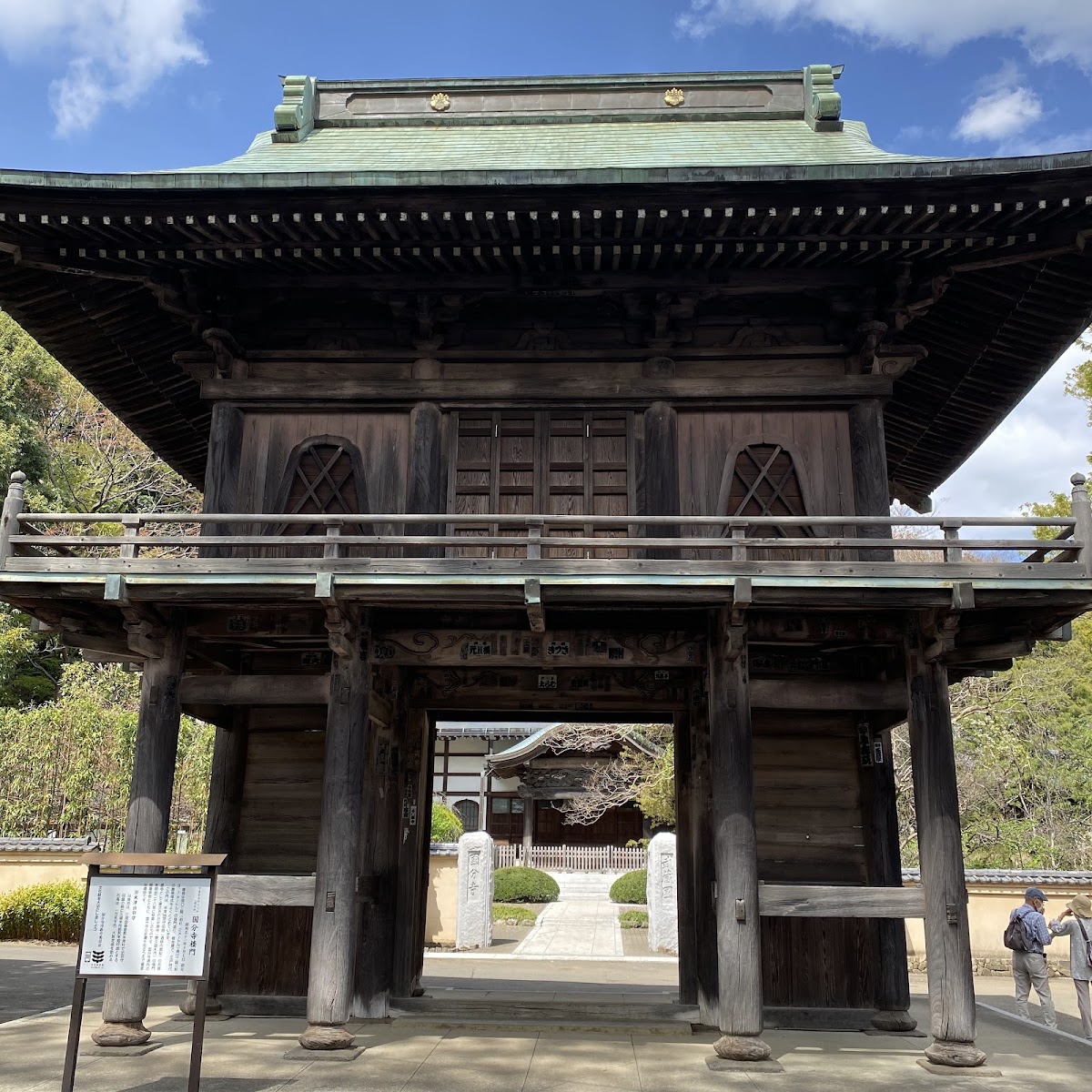
Musashi Kokubunji is a Kokubunji temple built in what is now Kokubunji City, Tokyo. Located on the Musashino Plateau, it boasted a vast temple grounds. Archaeological excavations have confirmed the remains of the main hall, lecture hall, and seven-story pagoda, and it is now designated a national historic site as the Musashi Kokubunji Temple Site.
The base of the seven-story pagoda was massive, measuring approximately 18 meters on each side, and the pagoda is estimated to have been over 60 meters tall. This was one of the largest seven-story pagodas in eastern Japan.
The current Musashi Kokubunji Temple was rebuilt after the Heian period and houses a wooden seated statue of Yakushi Nyorai (Medicine Buddha), a nationally designated Important Cultural Property, as its principal image. This statue is believed to be from the late Heian period and is a valuable cultural asset with a history of over 1200 years.
Yamato Kokubunji Temple (Nara City, Nara Prefecture)
Yamato Province was the location of the capital, and the Yamato Kokubunji Temple held a special position. While some theories suggest that Todaiji Temple effectively fulfilled the role of the Yamato Kokubunji Temple, others suggest the existence of a separate Kokubunji Temple, and research continues.
Sanuki Kokubunji Temple (Takamatsu City, Kagawa Prefecture)
Sanuki Kokubunji Temple is the 80th temple on the Shikoku 88 Temple Pilgrimage and continues to attract worshippers. The foundation stones of the original seven-story pagoda remain, conveying 1300 years of history.
The main hall was rebuilt during the Edo period, and the temple grounds feature a coexistence of ancient remains and buildings from the medieval period onward, creating a space that reflects the layering of history.
Ueno Kokubunji Temple (Takasaki City, Gunma Prefecture)
The ruins of Ueno Kokubunji Temple are located in Takasaki City, Gunma Prefecture, and archaeological excavations have revealed the layout of the temple complex. The foundations of the main hall and seven-story pagoda, as well as the remains of the earthen wall, have been confirmed, allowing us to imagine the magnificent temple of its time.
Continued research by the Gunma Prefecture Archaeological Survey Project is gradually revealing the changes in the buildings and the actual state of temple management.
Other Major Kokubunji Temples
- Hitachi Kokubunji (Ishioka City, Ibaraki Prefecture): One of the influential Kokubunji temples in eastern Japan
- Shimotsuke Kokubunji (Shimotsuke City, Tochigi Prefecture): Possessed a large temple complex
- Mutsu Kokubunji (Sendai City, Miyagi Prefecture): A central temple in the Tohoku region
- Chikuzen Kokubunji (Dazaifu City, Fukuoka Prefecture): An important base in western Japan
- Tosa Kokubunji (Nankoku City, Kochi Prefecture): The 29th temple of the Shikoku 88 Temple Pilgrimage
Role and Function of Kokubunji Temples
Religious Function
The primary role of Kokubunji temples was the protection of the nation through Buddhist rituals. The *Konkomyo Saisho-o Sutra* was regularly recited, and prayers were offered for national peace and abundant harvests.
Every year at the start of the new year, a Buddhist service called Kokki was held to pray for the safety and well-being of the emperor and the nation. Furthermore, special prayers were sometimes offered during epidemics and disasters.
Function as an Educational Institution
Kokubunji temples also played an important role as educational institutions for monks. Lectures on Buddhist scriptures were held in the lecture halls, where young monks learned Buddhist doctrines and rituals.
Copying scriptures was also an important part of training, and many scriptures were copied at Kokubunji temples. These copying activities contributed not only to the spread of Buddhist culture but also to the development of written culture.
Relationship with Local Communities
Kokubunji temples were also important in their local communities. They provided opportunities for the people to encounter Buddhism and served as a spiritual anchor.
In addition, Kokubunji temples possessed a certain amount of temple land and engaged in agricultural production. This is thought to have contributed to economic independence and the improvement of local agricultural technology.
Decline and Transformation of Kokubunji Temples
Changes After the Heian Period
With the arrival of the Heian period, national support for Kokubunji temples decreased along with the weakening of the Ritsuryo system. Many Kokubunji temples lost their economic base and were forced to downsize.
Some Kokubunji survived with the support of local influential figures, but maintaining the magnificent temple complexes of their founding days became difficult.
Revival and Decline in the Medieval Period
From the Kamakura period to the Muromachi period, some Kokubunji temples were revived as influential local temples. In particular, Kokubunji temples incorporated into the Shikoku 88 Temple Pilgrimage were revitalized by pilgrims visiting them.
However, many Kokubunji temples suffered damage from fire and destruction during the Sengoku period. Musashi Kokubunji was also destroyed by war and rebuilt on a smaller scale during the Edo period.
Preservation and Research in the Modern Era
From the Meiji era onward, Kokubunji temple sites came to be recognized as historical relics. From the Taisho to the Showa era, archaeological excavations were conducted at Kokubunji temple sites throughout the country, scientifically revealing the true nature of these ancient temples.
Currently, many Kokubunji temple ruins are designated as national and local government historical sites, and efforts are being made to preserve and utilize them. They are being developed as historical parks, and museums have been constructed, serving as places for historical education.
Modern Kokubunji City
Overview and Location of Kokubunji City
Kokubunji City is located in the central Tama area of Tokyo and was incorporated as a city on November 3, 1964 (Showa 39). The city covers an area of approximately 5.68 kilometers east to west and 3.86 kilometers north to south, mostly spread across the flat surface of the Musashino Plateau.
As of January 2024, the population is approximately 128,000, and it continues to develop as a residential city. Its geographical location in the center (central gravity) of Tokyo makes it a popular commuter town with good access to the city center.
History and Culture of Kokubunji City
The name Kokubunji City, of course, originates from Musashi Kokubunji Temple. The city boasts numerous historical sites, including the Musashi Kokubunji Temple ruins, and is known as a “city of history and culture.”
The Musashi Kokubunji Temple ruins are designated a national historic site and have been developed into a historic park. Visitors can see the remains of the seven-story pagoda, the main hall, and the lecture hall, allowing them to imagine the magnificent temple of yesteryear.
Furthermore, the Otaka-no-michi and Manazashi-no-ike spring water group has been selected as one of “Japan’s 100 Best Waters,” preserving a rich natural environment. The walking path along the springs is popular with both residents and tourists.
Development around Kokubunji Station
Kokubunji Station is a transportation hub where the JR Chuo Line, Seibu Kokubunji Line, and Seibu Tamako Line intersect. The area around the station is well-equipped with commercial facilities and shopping malls, making it a central hub supporting the lives of residents.
In recent years, urban redevelopment has progressed, including the construction of a station building and the development of a station plaza, creating a highly convenient living environment. On the other hand, a short distance from the station lies a quiet residential area, making it a city that combines urban convenience with a pleasant living environment.
Tourism and Attractions of Kokubunji City
Kokubunji City promotes itself as a tourist destination with the slogan, “A city in the heart of Tokyo, where rich nature and history thrive.”
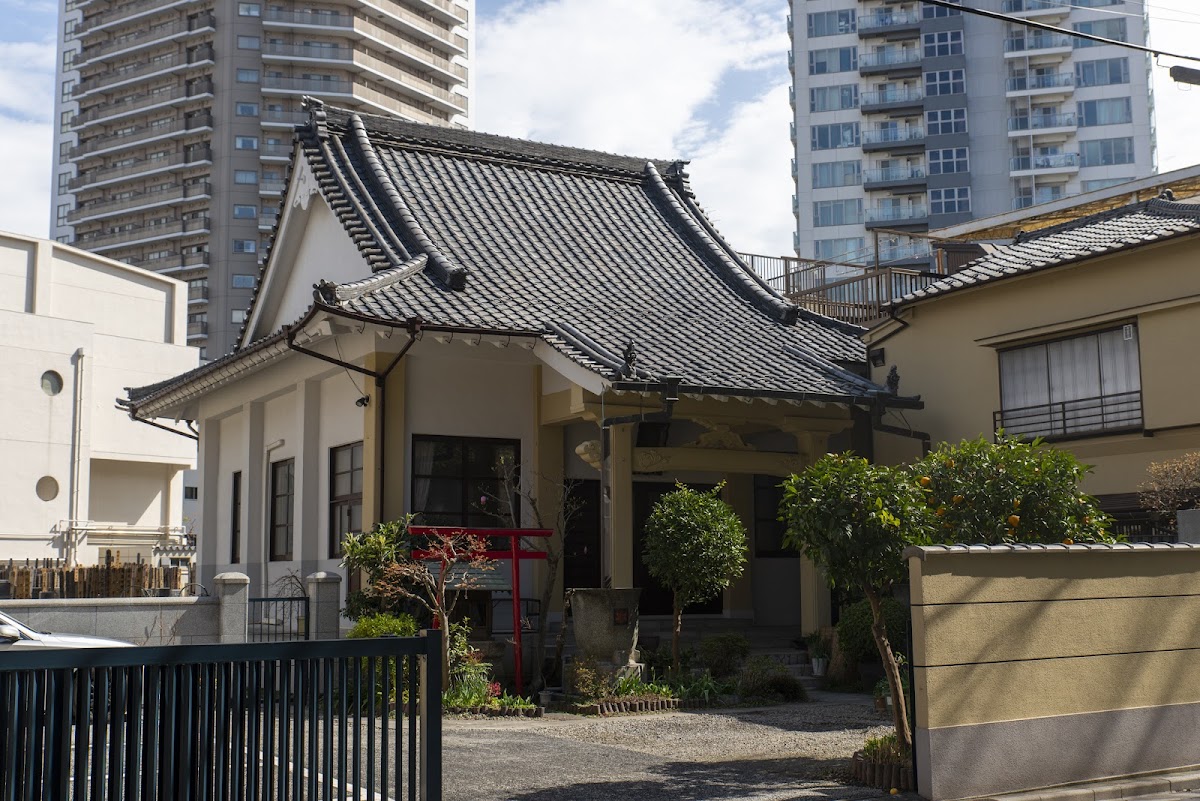
Major tourist spots include the Musashi Kokubunji Temple Ruins, Kokubunji Yakushido (wooden seated statue of Yakushi Nyorai), Otaka-no-michi/Manzashi-no-ike Pond, and Tonogayato Garden (a nationally designated scenic spot). Walking courses visiting these sites are popular for allowing visitors to enjoy history and nature simultaneously.
Furthermore, the city boasts numerous cafes and restaurants, making it a popular gourmet destination. Dishes using local ingredients and unique establishments are scattered throughout, resulting in a rich food culture.
Modern Significance of Kokubunji
Value as a Historical Heritage Site
The Kokubunji Temple Ruins are an important historical heritage site that demonstrates the relationship between the formation of the ancient Japanese state and Buddhist culture. The Kokubunji system, which was implemented throughout Japan, symbolized the Ritsuryo system as a centralized state and represents a crucial turning point in Japanese history.
The building layouts and unearthed artifacts revealed by archaeological excavations provide valuable information about the architectural, craftsmanship, and religious culture of the time.
Core of Regional Identity
In Kokubunji City and many other regions with Kokubunji temple ruins, the temple serves as the core of regional identity. As a symbol of local history, it is utilized in local history education and tourism promotion.
Kokubunji City is working to preserve the historical landscape centered around the Musashi Kokubunji ruins, and efforts continue to balance modern urban development with the preservation of historical heritage.
Challenges in Cultural Property Protection and Utilization
The preservation and utilization of Kokubunji temple ruins are important challenges in modern cultural property administration. Preserving the ruins requires continuous maintenance, and securing budgets and personnel is a challenge.
On the other hand, it is also important not only to preserve them, but also to utilize them for education and tourism, conveying the value of history to many people. New applications are being explored, such as virtual reconstructions using digital technology and interactive exhibits.
The Cutting Edge of Kokubunji Research
Advances in Archaeological Research
Recent advances in excavation techniques have led to a continuous stream of new insights into Kokubunji temples. Non-destructive survey techniques such as ground-penetrating radar and 3D surveying have made it possible to understand the state of the remains without excavation.
Furthermore, dendrochronology of excavated timber and scientific analysis of pottery are providing detailed information about the construction dates of buildings and the origins of the materials used.
Approaches from Documentary History
Detailed analysis of ancient historical materials such as the *Shoku Nihongi* is revealing the political background of the establishment of Kokubunji temples and the construction processes in each province.
In addition, research into documents related to Kokubunji temples preserved in the *Shosoin* and other sources is shedding light on the realities of temple management, the lives of monks, and their relationships with local communities.
The Importance of Comparative Research
Comparative research of the Kokubunji temples established throughout Japan has revealed regional differences and commonalities. Differences in temple layout, building scale, and tile designs offer insights into the relationship between the central and local governments, regional economic power, and the realities of cultural exchange.
Such comparative research is crucial for understanding the structure of the ancient Japanese state and the diversity of local communities.
Summary
Kokubunji temples were government-run temples established throughout Japan in 741 by an imperial decree issued by Emperor Shomu, built under the grand ideal of protecting the nation through Buddhism. Against the backdrop of social unrest in the mid-Nara period, this attempt to achieve national peace through the power of religion was a groundbreaking event in Japanese history.
The Kokubunji temples, both monasteries and nunneries, established in each province, played important roles not only as religious institutions but also as educational institutions and centers of regional culture. The magnificent temple complexes, with their towering seven-story pagodas, symbolized the authority of the Ritsuryo state and the flourishing of Buddhist culture.
While many Kokubunji temples declined with the passage of time, their ruins have been preserved to this day as valuable historical heritage. In particular, the Musashi Kokubunji Temple ruins in Kokubunji City, Tokyo, are cherished by many as an important historical site that evokes the temple’s former glory.
Modern Kokubunji City continues to develop as a commuter town for Tokyo, while cherishing this historical heritage. It is a city that combines a good living environment with cultural appeal, as a place where rich nature and history thrive.
Studying the history of Kokubunji is essential for understanding the relationship between the formation of the ancient Japanese state and Buddhist culture. Even after nearly 1300 years, Kokubunji continues to convey to us the weight of history and the value of culture.