What is Shorenji? A Complete Guide to the History, Principal Image, and Visiting Information of Major Shorenji Temples Nationwide
There are several temples named Shorenji throughout Japan. Each has its own unique history and tradition, and has served as a center of local faith for many years. This article provides a comprehensive explanation of the major Shorenji temples, from their origins to current visiting information.
Origin of the Name Shorenji
The name Shorenji (青蓮寺) originates from the blue lotus flower, which is said to bloom in the Pure Land of Buddhism. Because the lotus blooms purely from the mud, it has been considered a symbol of the Buddhist ideal of moving from the world of worldly desires to enlightenment.
The word “Shoren” (青蓮) is a translation of the Sanskrit word “Utpara,” and as a beautiful name expressing purity and enlightenment, it has been adopted as the name of many temples. The existence of Shorenji temples throughout Japan can be seen as a result of this universal Buddhist philosophy being incorporated into the temple name.
Shorenji Temple in Kamakura City: An Ancient Temple of the Koyasan Shingon Sect
Overview of Hanjozan Niōin Shorenji Temple
Located in Tehiro, Kamakura City, Kanagawa Prefecture, Shorenji Temple, officially known as “Hanjozan Niōin Shorenji,” is a temple of the Koyasan Shingon sect. As a branch temple of Koyasan Hōjuin (Muryōjuin), it boasts a history dating back to the Kamakura period.
Despite its location approximately 10 minutes’ walk from Nishi-Kamakura Station, it is a tranquil temple nestled in a quiet residential area. It holds the status of a semi-special head temple of the Koyasan Shingon sect and has functioned as a center of faith in the region.
History and Characteristics of Kamakura Shorenji Temple
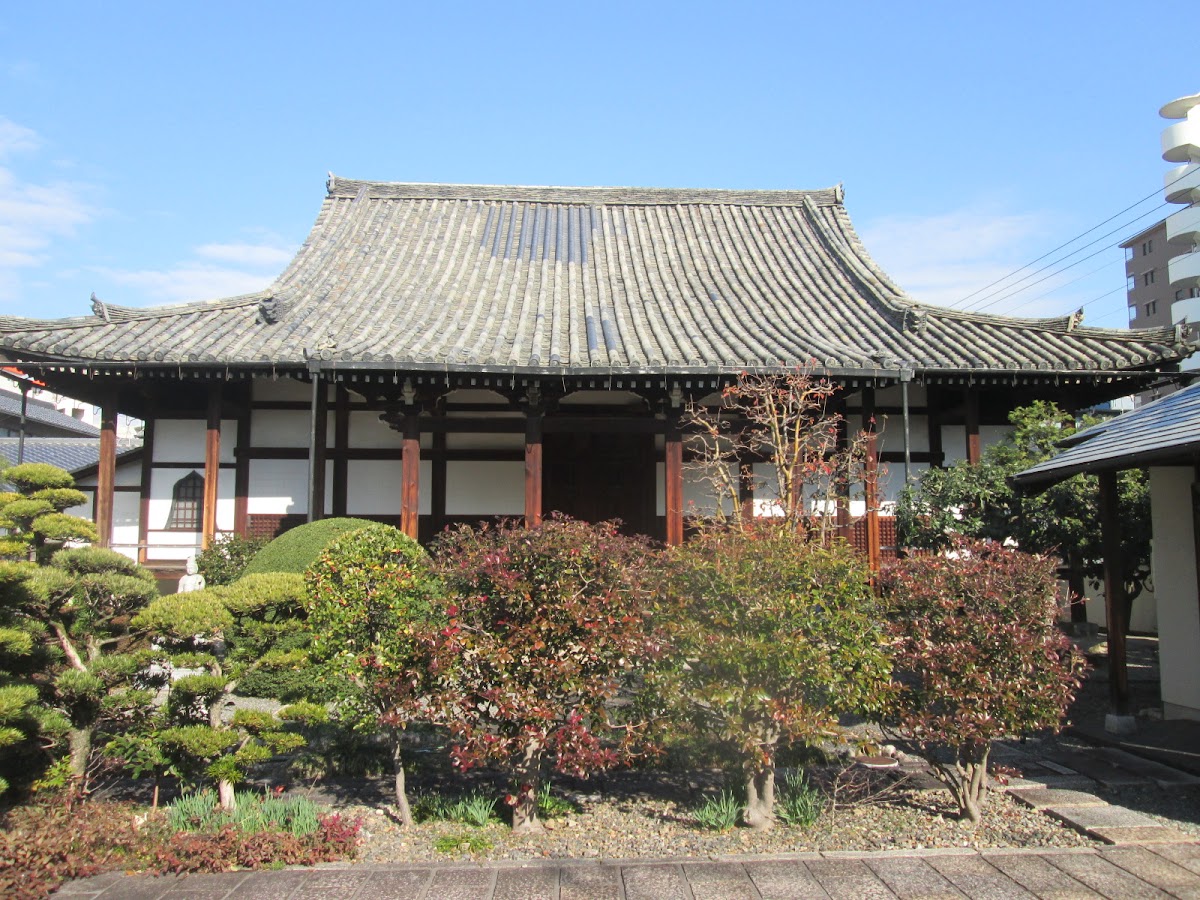
Shorenji Temple in Kamakura is known as an ancient temple dating back to the Kamakura Shogunate. As a temple that transmits the teachings of Shingon Esoteric Buddhism, it has welcomed many monks and worshippers.
The temple grounds feature various buildings, including the main hall, creating an atmosphere characteristic of Shingon Buddhism’s esoteric Buddhist tradition. As the temple’s name, Nioin, suggests, Nio statues are enshrined at the main gate, welcoming visitors.
Visiting and Access Information
Shorenji Temple in Kamakura is approximately a 10-minute walk from Nishi-Kamakura Station on the Shonan Monorail. Located in a residential area, it offers a quiet environment for worship.
When visiting, follow Shingon Buddhist customs, offering prayers in the main hall. You can offer your prayers in a solemn atmosphere unique to esoteric Buddhist temples.
Shorenji Temple in Osaka City: An Ancient Temple Associated with Prince Shotoku
The Predecessor of Shorenji Temple and Prince Shotoku’s Dream Revelation
Located in Tennoji Ward, Osaka City, Shorenji Temple is a temple of the Koyasan Shingon sect, with its origins dating back to the Asuka period. According to tradition, the temple’s predecessor was Hoanji Temple, founded by Prince Shotoku in the Shigino area.
The legend that it was built based on a dream revelation from Prince Shotoku speaks to the temple’s sacred and miraculous nature. Prince Shotoku is known as the founder of Buddhism, and his involvement in its founding demonstrates the temple’s prestige and historical importance.
Relocation due to Toyotomi Hideyoshi and the Construction of Osaka Castle
A significant turning point in the history of Shorenji Temple was the construction of Osaka Castle by Toyotomi Hideyoshi. During the Tensho era (1573-1592), when Hideyoshi built Osaka Castle, the temple was relocated to the site of the present-day Ikukunitama Shrine.
During this period, the temple was called “Ikutama Jubo” and adopted a form of syncretism between Shinto and Buddhism. Its deep connection with Ikukunitama Shrine reflects the religious environment of the time. Later, it was relocated again to its current location, where it remains today.
The Main Image and Worship at Seirenji Temple, Osaka
Seirenji Temple in Osaka welcomes many worshippers as a temple that transmits the teachings of Shingon Esoteric Buddhism. Despite being located in Tennoji Ward, the heart of Osaka City, it maintains a tranquil environment for worship.
As a temple associated with Prince Shotoku, it attracts fervent devotion from history enthusiasts and Buddhist believers alike, allowing visitors to reflect on its long history.
Seirenji Temple in Uda City, Nara Prefecture: A Nunnery of the Chūjōhime Legend
A Jōdo Sect Nunnery Nestled on the Slopes of Mt. Hibari
Seirenji Temple, located in Uda City, Nara Prefecture, is a special temple known as a Jōdo Sect nunnery. It sits on the southern slopes of Mt. Hibari (elevation 595m), and its mountain name is also “Hibari-san.”
The form of a nunnery is rare in modern times, and it continues to uphold the tradition of having female nuns as abbesses. The tranquil mountain environment provides ideal conditions for spiritual training and prayer.
The Ruins and Legends of Princess Chujo
Shorenji Temple in Uda City is built on a site believed to be the site of Princess Chujo’s remains. Princess Chujo was the daughter of a nobleman during the Nara period. Despite persecution from her stepmother, she remained steadfast in her faith and is known for the legend of weaving a mandala of paradise at Taima-dera Temple.
The main image is a seated statue of Honyo, modeled after Princess Chujo at the age of 19. The founder’s hall houses documents and statues related to Princess Chujo. As a sacred site for the worship of Princess Chujo, it attracts many visitors.
Worship and Mountain Worship
The temple’s location on the slopes of Mount Hibari is linked to ancient mountain worship. Visiting the temple requires climbing a mountain path, and the journey itself is considered part of the spiritual training.
As a precious temple where one can experience the faith of Princess Chujo in a tranquil mountain setting, it is particularly popular with devout visitors.
Shorenji Temple, Kumamoto Prefecture: A National Treasure-Class Building Associated with the Sagara Clan
Memorial Hall for Shoren-ni, the Second Wife of Sagara Yorikage
Shorenji Temple, located in Kumamoto Prefecture, was built in 1298 (Einin 6) during the Kamakura period by Sagara Yorimune as a memorial hall for Shoren-ni, the second wife of Sagara Yorikage, the first head of the Kami-Sagara family.
The Sagara clan was a samurai family that ruled the southern part of Higo Province and played an important role in the history of this region. The fact that it was built to commemorate a woman named Shoren-ni demonstrates the respect shown to women in the samurai society of that time.
Amida Hall Conveying the Architectural Style of the Kamakura Period
The most noteworthy feature of Shorenji Temple in Kumamoto is the Amida Hall with its thick thatched roof. This building is highly valued as a cultural property, representing a prime example of Kamakura period architecture.
The main image, a wooden statue of Amida Buddha, and its two attendant figures are valuable cultural assets that showcase the characteristics of Kamakura period Buddhist sculpture. The architecture and the statues work together to convey the form of faith from the Kamakura period to the present day.
Cultural Value and Visiting the Temple
Shorenji Temple in Kumamoto is an important temple from the perspective of architectural and art history, attracting the attention of researchers and cultural property enthusiasts. Visitors can experience the solemnity of the temple buildings, which retain the atmosphere of the Kamakura period.
As a valuable cultural heritage site that conveys the history of the region, it is carefully preserved and utilized.
Shorenji Temple as a Temple of the Twenty-Four Disciples: The Teachings of Shinran Shonin
Temple Associated with the Eighth of the Twenty-Four Disciples, Shosho (Shosho)
In the history of Jodo Shinshu Buddhism, the Twenty-Four Disciples, who were direct disciples of Shinran Shonin, hold a special position. There is also Shorenji Temple, associated with Shōshō (or Shōshō), the eighth of the 24 temples in the Jōdo Shinshū school.
Shōshō’s secular name was Hatakeyama Shigehide, and his father, Hatakeyama Shigetada, was a loyal retainer of Minamoto no Yoritomo and a gokenin (vassal) of the Kamakura Shogunate. Despite being from a samurai family, he converted to the teachings of Shinran Shōnin and dedicated himself to spreading Jōdo Shinshū Buddhism.
Historical Significance as a Twenty-Four Disciples Temple
As one of the Twenty-Four Disciples Temples, Shorenji Temple holds significant importance in the history of Jōdo Shinshū Buddhism as a place where the teachings of Shinran Shōnin were directly transmitted. Shōshō founded the temple, and it functioned as a center for spreading the teachings of Nembutsu (recitation of Amida Buddha’s name).
It is highly valued historically as a temple that demonstrates the connection between samurai society and Buddhism, and as an example of the spread of the new Buddhist movement during the Kamakura period.
Other Shorenji Temples
Shorenji Temple in Aritagawa Town, Wakayama Prefecture
A Shorenji Temple also exists in Aritagawa Town, Wakayama Prefecture, and functions as a center of local faith. Located in the mountainous region of Kishu, it has served as a spiritual pillar for the local residents.
Shorenji Temples in the Kanto Region
Several Shorenji Temples exist in the Kanto region, including Itabashi Ward in Tokyo, Ota City and Kiryu City in Gunma Prefecture. Each has its own unique history intertwined with the local area and continues to be active today.
Shorenji Temple in Kure City, Hiroshima Prefecture
A Shorenji Temple also exists in Kure City, Hiroshima Prefecture, in the Chugoku region, playing a part in the Buddhist culture of the Setouchi region.
Difference from Shoren-in Monzeki
Shoren-in Monzeki is a different temple
“Shorenji” is often confused with “Shorenji.” This is a Tendai sect temple located in Higashiyama Ward, Kyoto City, and is a completely separate temple from Shorenji.
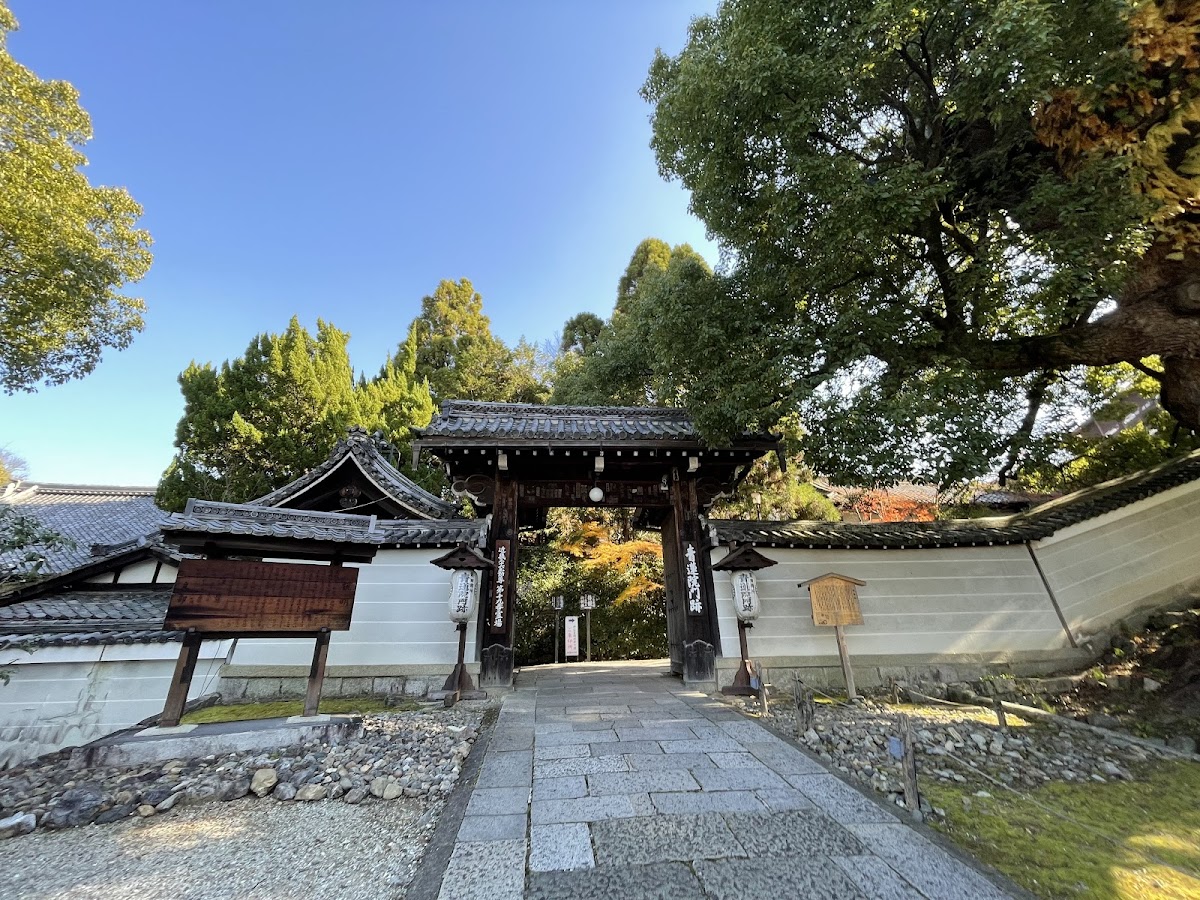
Shoren-in Monzeki is a prestigious temple with deep ties to the Imperial family and the Sekkan family, and is known for possessing the national treasure, the Blue Fudo Myoo statue. It also manages Shogunzuka Seiryuden and is one of Kyoto’s most representative temples.
Note the Similarity of Names
Both “Shorenji” and “Shoren-in” derive their names from the blue lotus flower, but they are completely separate temples. It is important to be aware of this difference when visiting or searching for information.
Mindset for Visiting Shorenji
Sects and Etiquette of Each Temple
Shorenji temples throughout Japan belong to various sects, including Shingon, Jodo, and Jodo Shinshu. When visiting, it is advisable to observe the etiquette appropriate to the sect of each temple.
At Shingon Buddhist temples, you can experience a deeper connection through the esoteric atmosphere, while at Jodo and Jodo Shinshu temples, you can appreciate the teachings of Nembutsu (recitation of Amida Buddha’s name). Understanding the characteristics of each faith and respecting them before visiting will lead to a more profound experience.
Respect for History and Culture
Many temples have a history spanning several hundred to over a thousand years, playing a vital role as regional cultural assets. When visiting, it is important to show respect for their long history and cultural value, and to visit with a calm and peaceful mind.
Cultural assets such as buildings and Buddha statues may have restrictions on photography or entry. Please respect the rules of each temple and strive for a respectful visit.
Gathering Information in Advance
When planning your visit, it is recommended to check the official information of each temple in advance. Visiting hours, admission fees, access methods, and event schedules vary by temple.
Especially temples located in mountainous areas or those with special characteristics such as nunneries may require prior contact. Prepare in advance for a fulfilling visit.
The Modern Significance of Shorenji Temple
Center of the Local Community
Even today, Shorenji temples throughout Japan function as the spiritual center of their local communities. Through Buddhist services and annual events, they serve as places for interaction among local residents.
Cultural Heritage Preservation and Inheritance
Shorenji temples, which preserve old buildings, Buddhist statues, and documents, are at the forefront of cultural heritage preservation. Passing on these cultural heritages to future generations is a crucial role for temples in modern society.
A Place of Peace of Mind
In today’s increasingly urbanized society, temples serve as havens for people seeking peace of mind. Like the pure lotus flower symbolized by the name Shorenji, they will continue to play an important role as places that purify the hearts of worshippers.
Summary
Temples bearing the name Shorenji are scattered throughout Japan, each possessing its own unique history and characteristics. These temples showcase a diverse range of styles, including a Shingon Buddhist temple in Kamakura, an ancient temple in Osaka associated with Prince Shotoku, a nunnery in Nara connected to the legend of Princess Chujo, a temple in Kumamoto preserving Kamakura-period architecture, and one of the 24 temples dedicated to Shinran Shonin.
Shorenji Temple, whose name embodies the pure image of a blue lotus flower, has long attracted the faith of people as a place embodying the ideals of Buddhism. When visiting, understanding the historical background and cultural value of each temple and visiting with respect will lead to a deeper spiritual experience.
Even today, Shorenji Temple plays a multifaceted role in preserving regional culture, providing peace of mind, and protecting cultural properties. Visiting these temples offers a valuable opportunity to experience Japanese Buddhist culture and history.